
History of American Mahjong: From Shanghai to Your Weekly Game
Last updated: Nov 23, 2026

American mahjong began in the 1920s when Chinese immigrants introduced the ancient game to the West, but it evolved into something entirely new. Unlike Chinese mahjong, the American version uses a printed hand card issued every spring by the National Mah Jongg League, constraining which tile combinations win. The standard American set contains exactly 152 tiles—108 in three numbered suits (Bams, Craks, Dots), 16 winds, 12 dragons, 8 flowers, and 8 jokers—played by four players each drawing and discarding in turn. Hands consist of exposed melds (pungs, kongs, quints, sextets) plus a concealed pair, never chows or sequences as in Asian variants. Scoring is complex, hand-specific, and recorded on the same card used to verify legality. A typical hand takes 15–30 minutes; a session lasts 4–6 hours. Acrylic sets like those from our best-selling collection are durable for weekly home play and retain value across decades.
How did Chinese mahjong become an American game?
Mahjong arrived in Shanghai trading ports during the 1800s as a folk card game, then evolved into the tile-based form we recognize. Chinese merchants and diplomats brought it to San Francisco in the early 1900s; by 1920, novelty sets flooded American department stores as a fad. American players—largely women in urban centers—simplified the hand vocabulary and introduced a printed card to standardize rules across clubs. The National Mah Jongg League formed in 1937 to publish an official yearly card and rulebook, transforming a chaotic home game into a reproducible, tournament-worthy system. This shift toward standardization and written hands is uniquely American; Chinese variants remain improvisational, hand-memory focused, and region-specific. The American codification made the game teachable and scalable for weekly home groups nationwide.
What's the difference between American and Chinese mahjong rules?
Chinese mahjong uses a 144-tile set, players draw and discard simultaneously in rounds, hands are created on-the-fly (not pre-printed), chows (three consecutive numbers) are central to hand building, and scoring varies by region and house rules. American mahjong uses 152 tiles, hands come only from the yearly National Mah Jongg League card, exposing chows is forbidden—only melds of identical tiles (pungs, kongs, quints, sextets) and joker substitutes are allowed, and scoring is standardized per the same card. Hong Kong mahjong is faster, uses 13-tile initial hands, and rewards rare melds with exponential multipliers. Taiwanese mahjong emphasizes luck-based scoring called "fan" (multiples). Riichi mahjong (Japanese) requires a special tile configuration, hidden melds until completion, and a mathematical point system. American mahjong is the slowest and most rule-bound; it rewards pattern recognition and long-term hand strategy over speed or improvisation. For a beginner, American rules are the most forgiving because the card removes hand memory—anyone can play legally by reading.
🀄 Shop best-selling mahjong sets →
Why does American mahjong use a printed card every year?
The card system emerged in the 1930s when the National Mah Jongg League began publishing an official hand list to prevent disputes and enforce consistency. Before the card, players created hands from memory or house tradition, leading to arguments and regional incompatibilities. By printing hands each spring, the League solved two problems: hand legality became instantly verifiable (is your combination on the card?), and play became portable (any player with the card could join any group nationwide). The card also allows strategic depth—players learn patterns across 100+ hand types, predict which tiles opponents need, and plan multi-hand sequences over a session. The card changes yearly, keeping experienced players engaged and preventing stagnation. New hands often include joker-heavy patterns or fewer high-number tiles, forcing adaptation. For beginners, this annual refresh is actually a benefit: outdated cards become teaching tools, and a current card is never expensive. Understanding the card's role is central to American mahjong identity; it is not optional or variant—without it, you are not playing American mahjong.
When did American mahjong reach peak popularity, and where is it played now?
Mahjong craze peaked in the United States during the 1920s and again in the 1980s–1990s, when suburban women's groups adopted it as a weekly tradition. The game embedded itself most strongly in Jewish, Chinese, and Italian American communities in cities like New York, Los Angeles, San Francisco, and Chicago, where clubs formed around synagogues, community centers, and social organizations. Today, American mahjong remains a niche social game—played in homes, country clubs, senior centers, and informal leagues in urban and suburban areas. The 2020s have seen a modest resurgence among younger players online and in cities, driven by social media and renewed interest in analog gaming. A typical player is female, aged 40–80, plays weekly with the same 3–8 friends for decades, and knows dozens of hand patterns by heart. American mahjong never became a mass sport like bridge or poker; it remained intentionally insular, player-driven, and rooted in local friendship groups. To find a game in your area, check community centers, libraries, synagogues, country clubs, and Meetup-style boards; most groups welcome newcomers willing to learn the card.
What's inside a standard American mahjong set, and does equipment choice matter?
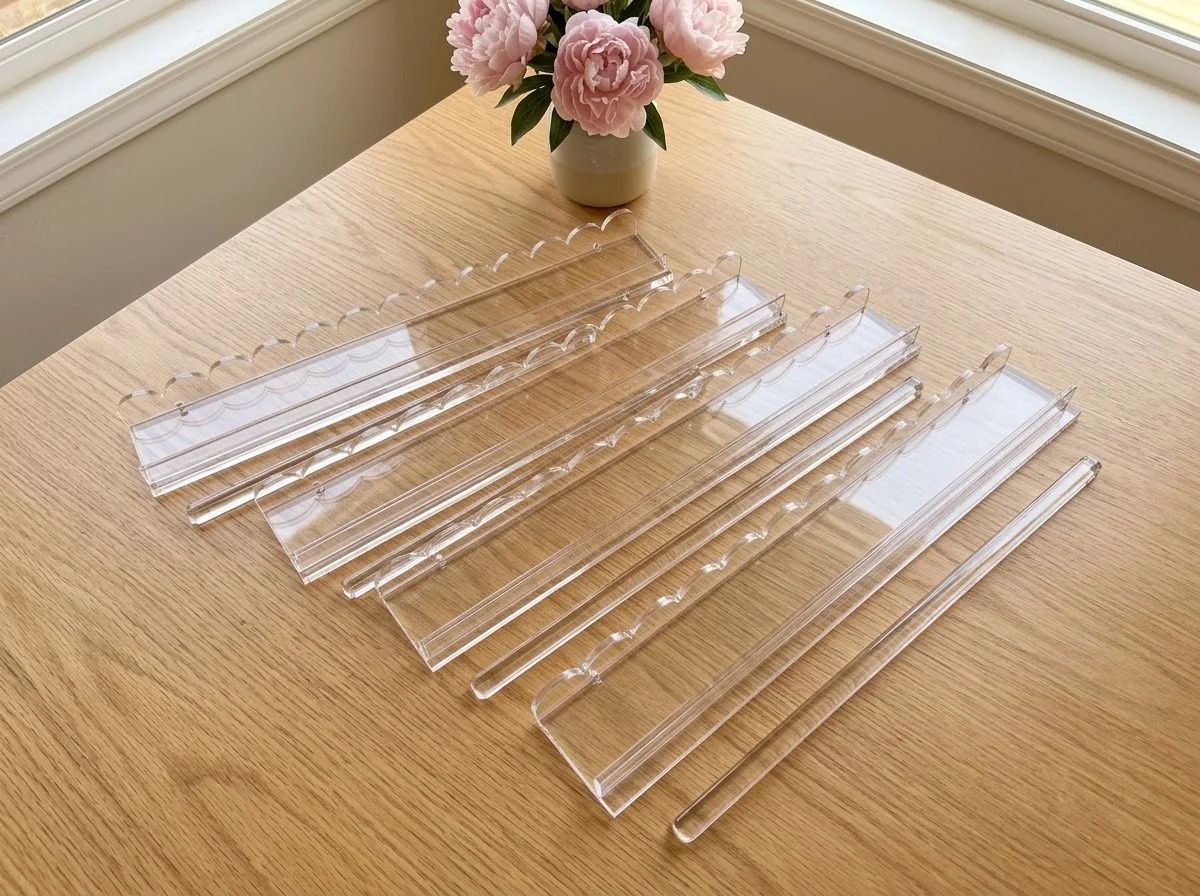
A regulation American set contains 152 playing tiles: four copies each of Bams 1–9, Craks 1–9, and Dots 1–9 (108 total), four each of North, East, South, and West winds (16 total), four each of Red, Green, and White dragons (12 total), four flowers in paired designs (8 total), and eight jokers. Most sets sold today include 8–16 extra tiles (jokers and blanks) as spares for breakage or loss; Mahstead's 160-tile sets include these spares. Tiles are made from bamboo and bone (antique, fragile, expensive), acrylic (modern, durable, affordable), plastic (budget, loud, prone to chipping), or resin (artisan, variable quality). For weekly home play, acrylic tiles are the industry standard—they resist scratching, never crack under normal use, remain legible for decades, and cost far less than bone. Racks and pushers help organize your tiles and speed play; a cotton or canvas mat protects surfaces and dampens noise. Jokers matter enormously: American mahjong allows joker substitutes in melds (one joker per meld), so understanding joker rules prevents illegal hands and accelerates learning.
Tile Material | Best For | Durability | Cost Basis | Why It Fits |
Acrylic | Weekly home groups | 20+ years | Standard modern pricing | Quiet, low maintenance, legible, forgiving |
Bamboo + Bone | Antique collectors, heirloom play | 50+ years if protected | High, premium market | Heritage feel, rarity, prestige |
Plastic | Casual play, travel | 5–10 years | Budget tier | Lightweight, inexpensive, but loud |
Resin | Art enthusiasts, unique aesthetics | 10–15 years variable | Artisan pricing | Collectible, hand-finished, inconsistent quality |
🎁 See our most-loved mahjong sets & accessories →
How does American mahjong scoring work compared to other variants?
American mahjong scoring is hand-specific and printed on the yearly National Mah Jongg League card; each valid hand type has a fixed point value (typically 25, 30, 40, 50, or 60 points). The player who goes out (completes their hand first) collects points from the other three players. There are no multipliers, bonuses for rare tiles, or seat-position adjustments—only the hand value, the game round (East/West/North/South), and whether the win was drawn or discarded. Chinese mahjong uses a cumulative point system where rarer tile combinations yield exponentially higher scores; players often play to a target like 2,000 points across a session. Hong Kong mahjong similarly rewards rare patterns but emphasizes "doubles" (fan) that multiply the base hand value. Riichi mahjong uses a standardized point table based on hand rarity (meld count, terminal tiles, honor tiles) and round position. American scoring is simpler for beginners because there are no hidden multipliers—the card tells you the value upfront. However, American scoring can feel flat to competitive players seeking dramatic comebacks. Most American groups play for pleasure, not money; tracking points over a full session reveals the stronger players but rarely drives strategy.
Where can beginners find sets, learn rules, and join a weekly game?
New players should start with a complete beginner's guide to American mahjong, which covers the Charleston (tile-passing ritual), hand recognition, and joker use. To find a set, look for acrylic options from reputable makers; Mahstead offers engraved acrylic sets with custom titles for home groups, plus standard designs with free US shipping. To learn hands, obtain the current year's National Mah Jongg League card (available online or from game shops); print a copy and study hand patterns daily for 2–3 weeks before playing. To join a group, contact your local community center, library, senior center, synagogue, or country club; most have standing games or can refer you to one. Alternatively, search online communities and Meetup boards for "mahjong" + your city; newcomers are usually welcomed if you bring the card and a willingness to learn. Your first game will feel slow and confusing—normal. Expect 8–12 practice hands before you play independently without constant help. Most groups play for fun, not money, and rotate dealer positions to balance luck. Within 5–6 weeks of weekly play, you'll recognize hand patterns instantly and enjoy the social rhythm that has kept players engaged for a century.
✨ Find your Mahstead set — free US shipping →
What to check before you buy your first set
Tile count: Ensure the set includes 152 playing tiles plus spare tiles; do not purchase a 144-tile set (that's Chinese mahjong).
Material: Acrylic is ideal for weekly home play; check for clarity (tiles should be easy to read from across a table) and weight (tiles should feel substantial, not hollow).
Complete inventory: Verify that the set includes all four winds, three dragons, flowers, and jokers; count the Bam, Crak, and Dot suits before payment.
Tiles vs. cards: Confirm you're buying a tile set, not a card-only deck; American mahjong requires physical tiles, not playing cards.
Accessories: Decide whether you need a mat (noise reduction, surface protection), racks (hand organization), and a carrying bag (portability); these are optional but improve play quality.
Documentation: Ensure the set includes a reference card, rulebook, or access to one; without it, you'll struggle to verify hand legality.
FAQ
Is American mahjong the same as Chinese mahjong?
No. American mahjong uses a printed yearly card, bans chow sequences, uses 152 tiles, and requires standardized hands. Chinese mahjong is improvisational, allows chows, uses 144 tiles, and varies by region. American rules are stricter and more codified.
How many tiles are in a standard American mahjong set?
Exactly 152 tiles for play: 108 in three numbered suits (Bams, Craks, Dots), 16 winds, 12 dragons, 8 flowers, and 8 jokers. Most sets sold today include 8–16 extra spare tiles as well.
Can I play American mahjong with fewer than four players?
Yes, but rules change significantly. Two or three-player variants exist and are less common; they use modified hand lists and altered Charleston procedures. Ask your group before joining with fewer than four.
Do I need to buy an expensive antique set to play American mahjong?
No. Modern acrylic sets are durable, affordable, and the standard for weekly home play. Antique bone and bamboo sets are collectible but fragile and unnecessary for regular games.
Where do I get the National Mah Jongg League card, and does it change every year?
The card is published every spring by the National Mah Jongg League and sold online, in game shops, and sometimes in libraries. Yes, the card changes annually, and you need the current year's card to verify legal hands.
How long does a typical American mahjong game take?
A single hand takes 15–30 minutes depending on player speed and luck. A full session is usually 4–6 hands, lasting 2–4 hours, and groups often play longer socially.


View More
View More
View More
