
Mahjong Tile Tray Buying Guide: Which Rack Fits Your Game
Last updated: Nov 23, 2026
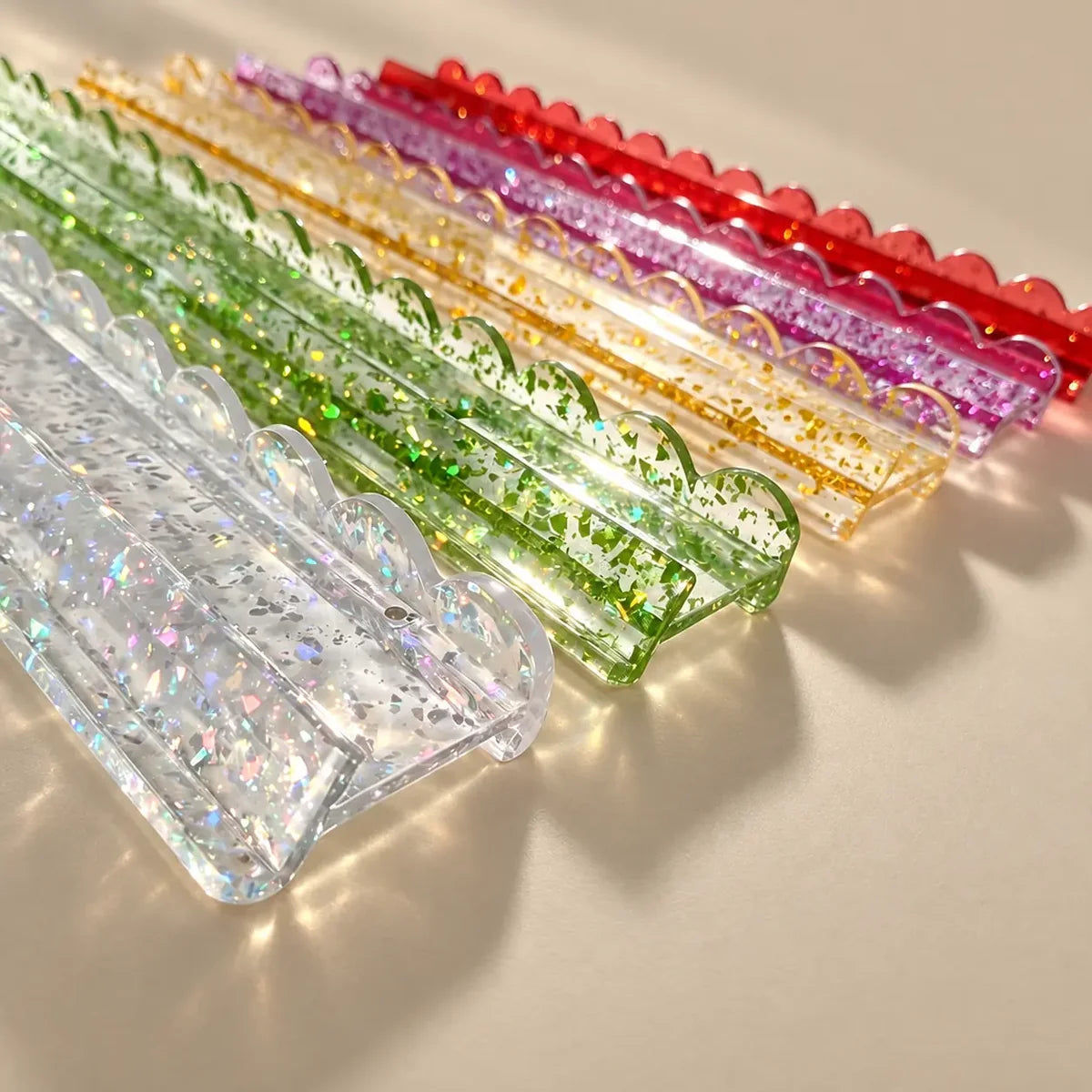
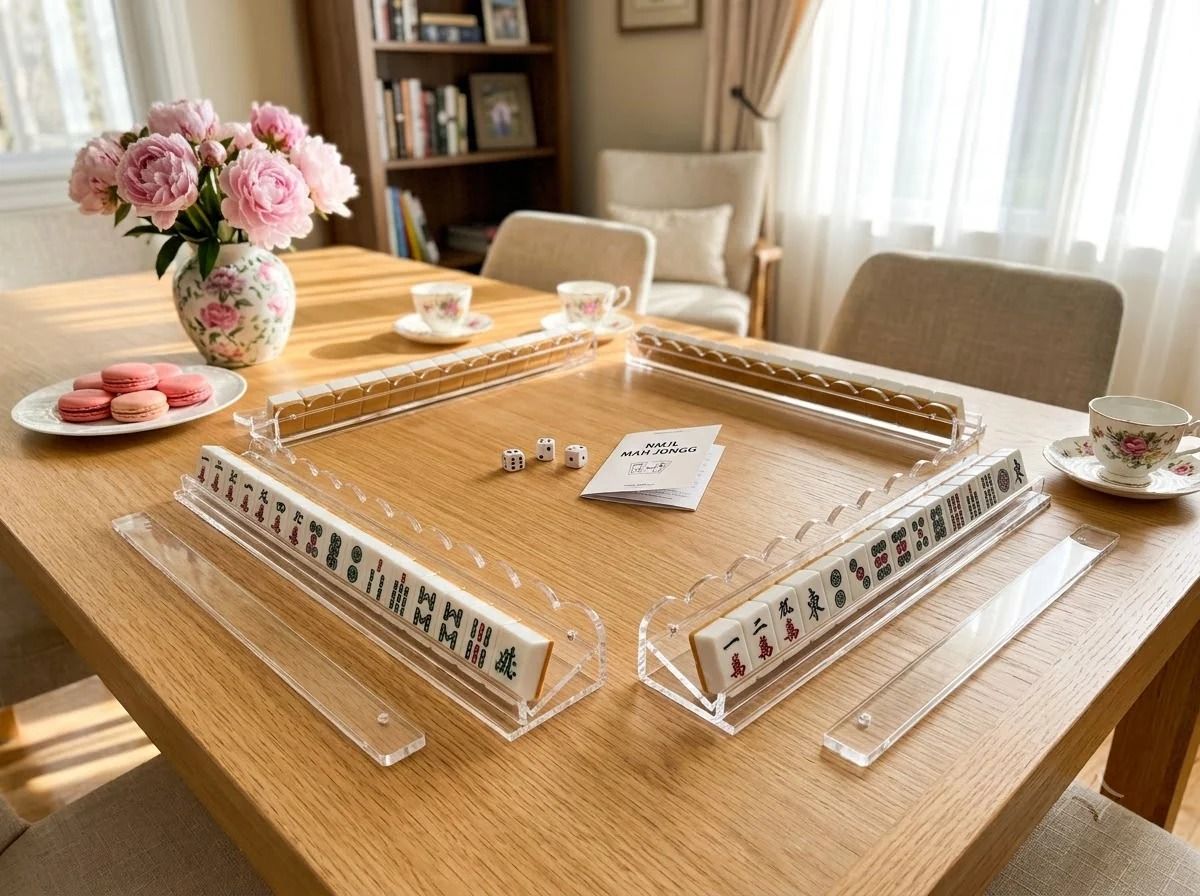
A mahjong tile tray—usually called a rack with pushers in American play—holds your 13 or 14 tiles upright and tilted toward you, with a pusher stick to move tiles forward as you claim them. Racks with pushers come in wood, acrylic, or bamboo, sized for 13–16 tiles depending on the set and your hand size. Most racks run 12–24 inches long and retail from affordable bamboo options to premium engraved acrylic. A good rack prevents tiles from sliding, lets you hide your hand from opponents, and makes claiming and discarding smooth—critical in fast games. Choose based on your set's tile thickness (acrylic or bone tiles are thicker than plastic), whether you travel, and whether you want durability or casual use. Mahstead's acrylic racks match engraved tile sets perfectly and ship free across the US.
Do I really need a rack, or can I just hold tiles?
Casual living-room games can happen without racks—you hold tiles in your hand or stack them in front of you. But racks solve real problems: they conceal your hand from opponents (required in formal games), prevent tiles from toppling mid-play, and free both hands for the Charleston or quick claiming. If you play weekly or teach newcomers, a rack transforms the table. Without one, tiles clatter, hands leak, and new players spend half the game steadying their tiles instead of learning strategy.
✨ Find your Mahstead set — free US shipping →

What size rack do I need for my tile set?
American mahjong sets contain 152 playing tiles plus 8 jokers. You hold 13 tiles at the start and draw to 14 when needed, so a rack must comfortably hold 16 tiles with a little breathing room. Most racks are 13–16 inches in the hand-holding section; wider racks (up to 24 inches) work for larger tile sets (bone or thick acrylic) or for players with wide hands. Measure your tiles' thickness: standard plastic tiles are ¼ inch; bone and premium acrylic are thicker. A 13-inch rack fits standard plastic comfortably; bone and acrylic sets need 15–16 inches or wider. If your tiles are loose or tiles spill when you move a pusher, the rack is too narrow—upgrade to the next size. What's in an American mahjong set covers tile thickness in detail.
Wood, bamboo, or acrylic—which material lasts and feels best?
Material | Feel & Sound | Durability | Best For | Care |
Bamboo | Warm, quiet slides | 2–5 years regular play | Casual weekly games, travel | Wipe dry after use; avoid standing water |
Wood (hardwood) | Rich sound, premium feel | 5–10+ years | Home games; players who value heirloom pieces | Oil occasionally; keep away from heat/humidity swings |
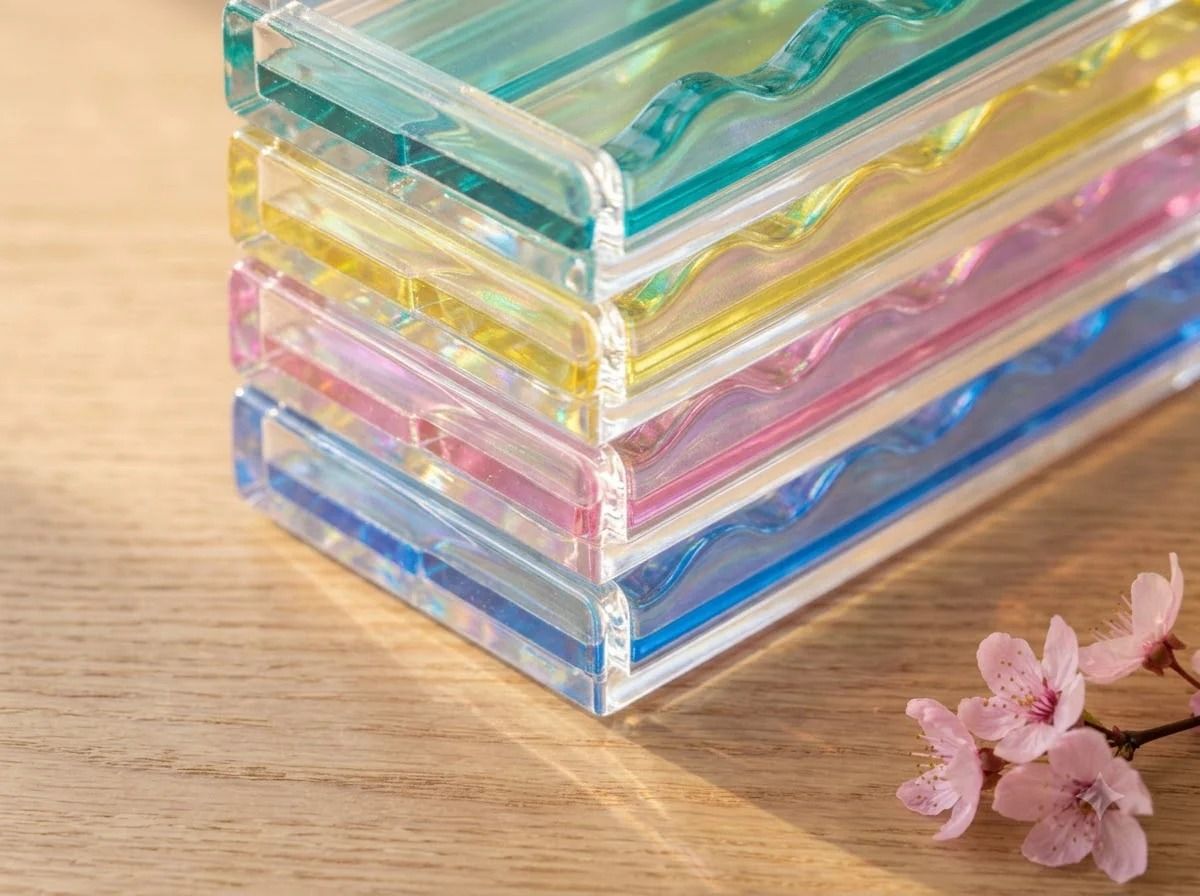
Acrylic | Cool, smooth, modern | 10+ years | Frequent players; engraved/custom sets; durable travel | Dishwasher-safe or warm water & mild soap |
Bamboo racks are lightweight and affordable, ideal for beginners or travel. Tile slides smoothly but bamboo can crack after a few years of weekly play, especially if stored in dry heat. Wood racks (hardwood, not plywood) feel substantial and last decades if treated gently; they absorb humidity gracefully and age beautifully. Acrylic racks are the most durable and easiest to clean—no splinters, no warping. They match Mahstead's best-selling mahjong sets and engraved mahjong titles perfectly, and they ship without damage. Choose acrylic if you play 2+ times per week or if your set is engraved and valuable.
🀄 Shop best-selling mahjong sets →
How do I know if a rack fits with my mahjong mat?
Most mahjong mats are 27–36 inches square, leaving 18–24 inches of table on each side for racks and scoring. Measure your table depth and subtract the mat width. A standard rack (14–16 inches) sits comfortably in front of a mat. Wider racks (18–24 inches) work only on very large tables (36+ inches wide) or if you set them at an angle. The pusher stick should extend 3–4 inches beyond the mat edge so you can claim tiles from the wall without sliding the whole rack forward. Test the fit: place your mat on the table, set the rack in front, and make sure the rack doesn't cover the mat's edge (where discard piles and the wall live). How to choose a mahjong mat explains mat sizing; our racks and mats are designed to work together for a seamless setup.
🎁 See our most-loved mahjong sets & accessories →
What should I check before buying a rack?
1. Tile thickness: Confirm whether your set uses plastic (¼ inch), bone, or acrylic tiles. Measure your thickest tile and add ⅛ inch clearance. If the rack's slot width isn't listed, email the seller.
2. Pusher length: A pusher should be 4–6 inches. Shorter ones don't reach the wall; longer ones drag tiles accidentally. Test pushers on your mat if possible.
3. Slot spacing: Tiles should stand upright with 30–45 degrees of tilt. If slots are too wide, tiles lean back and topple; too narrow, tiles jam. Look for racks with adjustable or tapered slots.
4. Weight & portability: Bamboo racks weigh 1–2 pounds; hardwood, 3–5; acrylic, 2–4. If you travel to game nights, prioritize lightweight options and a dust bag. Mahjong bags and cases guide covers protective storage.
5. Finish & splinters: Bamboo and wood racks should be sanded smooth. Run your finger along edges and the pusher handle. Rough spots catch sleeves and fingers during fast play.
6. Set compatibility: If you own engraved Mahstead sets, an acrylic rack matches aesthetically and dimensionally. Mixed brands sometimes cause surprises.
Which racks work best for travel?
Bamboo racks weigh least and fold or collapse easily. Mahstead's travel bag has padded compartments for a set, rack, and mat. For weekly car trips, a sturdy bamboo or thin acrylic rack fits a dedicated mahjong tote. Hardwood racks are too heavy for frequent travel unless you stay in one location. If you play at a friend's house every week, leave a lightweight rack there and keep travel weight minimal. Some players carry two racks: a bamboo travel rack for weeknight games and a premium acrylic or wood one for their own table at home.
What to check before you order
Tile thickness: Measure your tiles. Plastic = ¼ inch; bone/acrylic = thicker.
Rack length: 13–16 inches for standard hands. Test with your mat (should sit 3–4 inches in front).
Pusher grip: Should be smooth and 4–6 inches long; test if you can reach the wall without strain.
Material durability: Acrylic and hardwood last 5–10+ years; bamboo, 2–5 years with regular play.
Finish quality: Run your finger along all edges. No splinters or rough corners.
Shipping & returns: Confirm free shipping (Mahstead ships free across the US) and return policy before checkout.
✨ Find your Mahstead set — free US shipping →
FAQ
Can I use the same rack for 152-tile and 160-tile sets?
Yes. Both contain the same 152 playing tiles you hold; the extra tiles in a 160-tile set are spare jokers and blanks that stay in the bag. Rack size is determined by your hand (13–14 tiles), not the set size. Acrylic racks accommodate all standard American sets.
Why do some racks have curved slots instead of straight ones?
Curved slots guide tiles into a natural fan shape, making it easier to see your tiles at a glance and reducing the chance of tiles sliding. Straight slots work too but require more attention during fast play. Both work equally well in formal games.
What's the difference between a rack and a hand rest?
A rack holds tiles upright in slots with a pusher stick for claiming. A hand rest is a simple prop that lets you rest tiles on a pillow or lip without full containment. Racks are better for hiding your hand from opponents and preventing spills; hand rests are casual and lightweight.
If I have small hands, should I buy a shorter rack?
Not necessarily. A shorter rack (under 12 inches) forces tiles closer together and may cause jamming or toppling. Instead, buy a standard-size rack and use the wider spacing. Your fingers do the work, not the rack's size. Tilt the rack toward you for easier access.
Do I need to match my rack material to my tile set material?
No—bone or acrylic tiles work in any rack. That said, acrylic racks complement acrylic and engraved tile sets visually and dimensionally. Bamboo racks pair well with any set but wear faster under premium tiles. Choose based on durability and aesthetics rather than material matching.
Can I machine-wash or dishwash a bamboo or wood rack?
Bamboo and wood should never go in a dishwasher. Heat and humidity cause warping and splitting. Wipe gently with a damp cloth and air-dry. Acrylic racks are dishwasher-safe on the top rack or hand-wash friendly with warm water and mild soap.


View More
View More
View More
