
Country Club Mahjong Party Ideas: Hosting Unforgettable Tile Games
Last updated: Nov 23, 2026
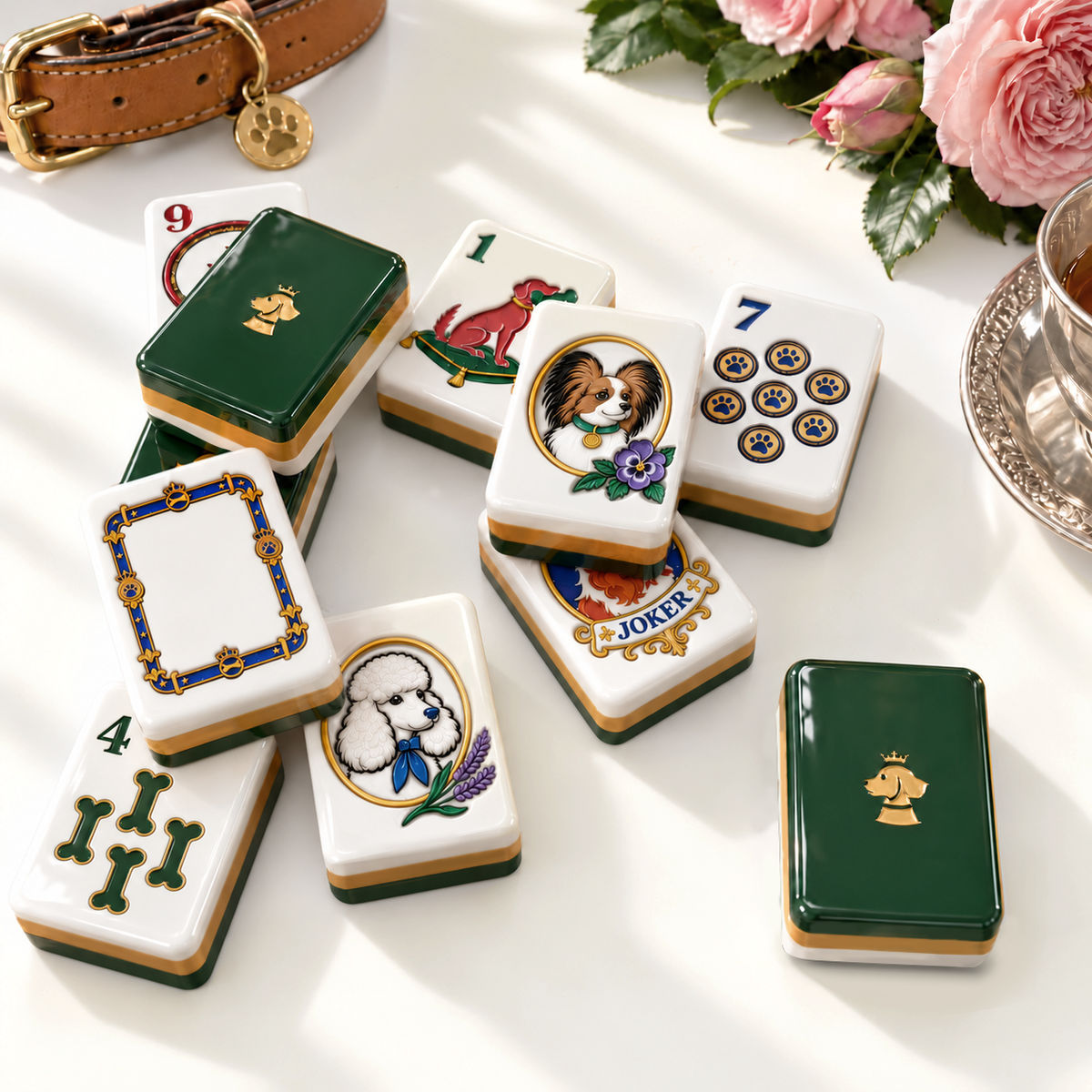
A country club mahjong party works best with four to eight players, one or two tables, and a private dining or game room booked two to three weeks ahead. Start with a clear format: casual socializing (30 minutes), the Charleston tile pass (5 minutes), then play in one-hour rounds with snack breaks between. Decide whether everyone plays simultaneously or you run a rotation; four-player tables are the standard. You'll need one complete American mahjong set per table (152 tiles), a flat mat or dedicated table space, and racks with pushers to keep tiles organized—all of which come together in our best-selling collections. Budget for light refreshments, printed scorecards, and the current year's National Mah Jongg League card (or a digital copy on a tablet). The biggest pitfall is underestimating setup time; arrive 30 minutes early to arrange tables, test lighting, and verify everyone has snacks within arm's reach.
How do I pick the right room layout?
Table size and sightlines matter more than most hosts realize. A 48-by-48-inch mat or dedicated game table fits one four-player game comfortably; each player needs 18 inches of unobstructed space on their side to build and read their rack. If hosting two tables, place them at least three feet apart so conversations don't bleed into each other and players can't accidentally see a neighbor's tiles. Avoid rooms with strong overhead sunlight on acrylic tiles—glare makes reading difficult. Test the room's acoustics: mahjong involves tile clicking, talking, and laughter; a carpeted room dampens noise better than tile or hardwood. Reserve the space well in advance and confirm the club can keep the room temperature steady (cold hands make tile shuffling less enjoyable). Scout the room a week before to identify power outlets if you want ambient music or a phone charger station.

What's the best way to welcome players of mixed skill?
Mixed-skill tables often create the most welcoming energy—beginners watch experienced players think through options, and experienced players stay humble explaining the National Mah Jongg League card. Before the party, send one simple email: "Bring your current year's card if you have one. We'll have spares. Everyone plays for fun, no money." Designate one table as the "learning table" if you have eight or more players; pair each newcomer with a veteran. During the first round, encourage veterans to talk aloud as they look for hands: "I'm looking for a pung here, need one more Dot…" Newer players feel included and pick up terminology naturally. Never assume everyone knows the Charleston; spend five minutes as a group walking through the tile passes. Have printed scorecards with a simple example hand already filled in—it gives players a concrete reference. Avoid jargon in casual conversation; use "like-numbered pairs" instead of "like-hand pairs" if it helps.
What equipment makes the biggest difference?
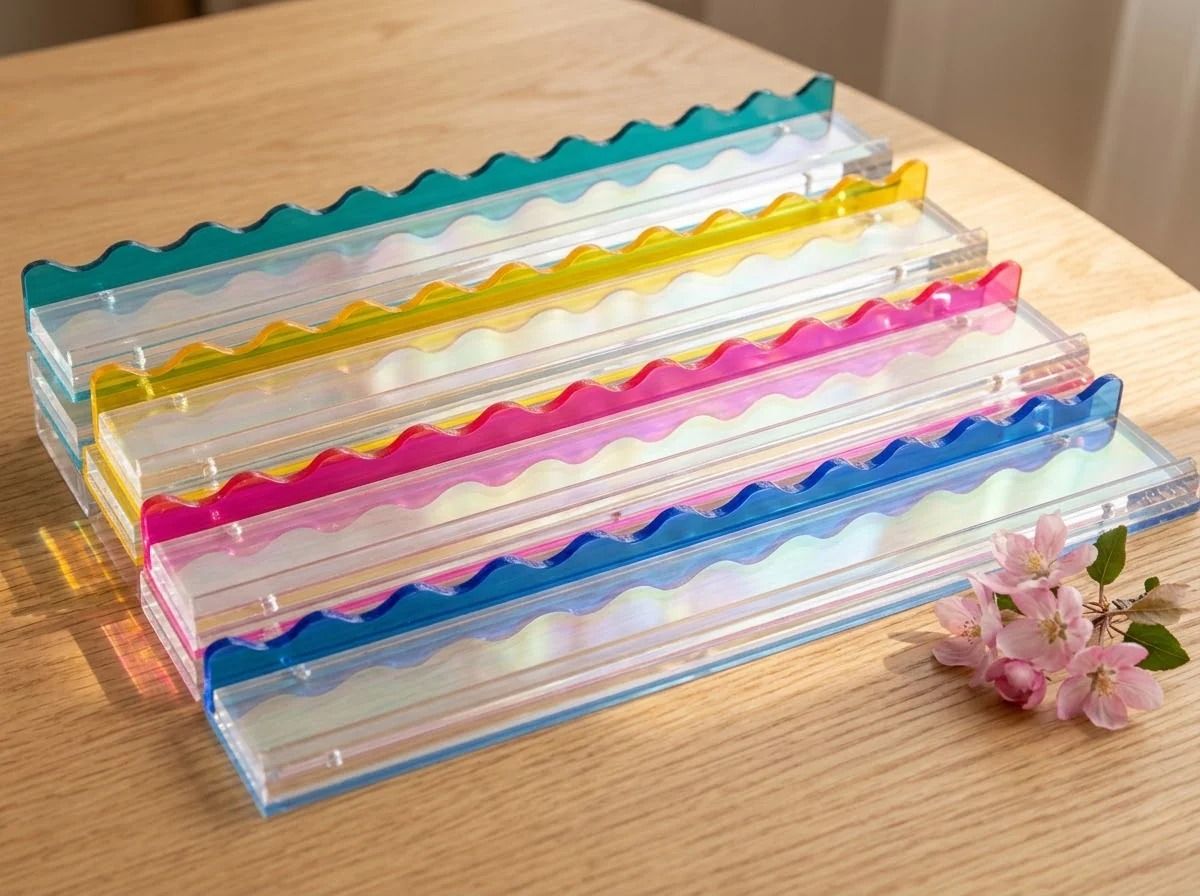
Good tiles and racks transform the experience from functional to genuinely fun. Heavy acrylic tiles with clear numbers and suit symbols reduce mistakes and let players read across a table. Racks with built-in pushers keep tiles tidy and prevent accidental tips—a small detail that prevents frustration and speeds up play. Our mahjong racks with pushers are engineered so tiles slide smoothly without binding; that smooth motion becomes part of the ritual players remember. A quality mat (felt or vinyl) protects the club's furniture, dampens tile noise, and defines the play boundary psychologically. Many hosts also bring a dedicated scoreboard or tablet to track rounds and bragging rights. Here's a table comparing setups by party size:
Party Size | Tables | Mats Needed | Racks per Table | Best Setup |
4 players | 1 | 1 | 4 | Single casual table, light refreshments |
8 players | 2 | 2 | 8 | Two tables, staggered start times, one scorekeeper |
12 players | 2–3 with rotation | 2–3 | 8–12 | Rounds of 45 min, players rotate in/out |
16+ players | 4 with bracket | 4 | 16 | Tournament format: winners play winners, losers play losers |
Investing in one high-quality set and mat rather than two cheap ones pays dividends—tiles move better, mats last years, and the whole table feels more polished. Check our best-selling options to see what resonates with your group's vibe.
🀄 Shop best-selling mahjong sets →
How do I handle scoring and keep the mood light?
American mahjong scoring can intimidate newcomers, but it doesn't have to dominate the energy. Use a simple rule: "First person to win a hand gets a tally mark. Most marks after three or four rounds wins bragging rights." Avoid scoresheets with complex point calculations at a social party—save that for competitive leagues. If your group loves detail, keep one player as scorekeeper and let everyone else focus on play. Print a cheat sheet showing common hand types and their payoffs, posted where all four players can see it. Laugh when someone calls out a false win or mixes up a pung with a quint; these moments bond people. Never let scoring overshadow the social experience—the goal is a memorable evening, not a tournament ranking. If a player struggles with the scoring card, pair them with a stronger reader on their left (the player who plays after them and can see their rack clearly). After each round, take a five-minute break; it resets attention and gives people a chance to chat about hands they almost won.
What's the easiest way to theme the party or make it memorable?
Themes don't require props; they need one cohesive detail. Some clubs host a "Spring Renewal Mahjong Night" where players wear pastels and snacks include spring fruits and lighter wines. Others run a "Tile & Cocktail" evening with a signature drink named after mahjong terms ("East Wind Margarita"). The simplest angle: engraved or personalized mahjong sets with the club's name or the event year—players take photos with them and remember the night every time they play. Printed place cards on the table ("Welcome to Game Night, Table 1") add polish without fuss. Music playing quietly in the background (jazz, instrumental, or soft pop) lifts the room's energy without drowning out conversation. A small centerpiece on each table—a plant, candle, or seasonal arrangement—makes the setup feel intentional. The memory isn't fancy; it's that one night a group showed up, learned something about each other, and clicked tiles together in a room designed just for them.
🎁 See our most-loved mahjong sets & accessories →
What to check before you buy
Confirm set completeness: A full American mahjong set has 152 playing tiles plus spare jokers. Count or have the supplier confirm before the party.
Test tile weight and size: Heavier tiles (acrylic) feel better in hand than lightweight resin; 1¼-inch tiles are standard. Many players prefer them because they stack and shuffle more predictably.
Measure your table or mat: A 36 × 36-inch mat suits most dining tables; a 48 × 48-inch mat gives each player more personal space and reduces elbows colliding.
Verify rack height: Racks should sit 4–6 inches tall so players can't see each other's hidden tiles from across the table.
Check mat material: Felt mats are quieter but stain easily; vinyl mats wipe clean in seconds and work best for a club setting with varied snacks and drinks.
Plan spare tiles: If you're hosting multiple tables, keep a backup set on hand—broken tiles happen, and replacements avoid delays mid-party.
Do I need custom or engraved sets for a country club event?
Custom tiles elevate the experience and give guests a keepsake, but they're optional. If your club hosts regular mahjong nights, engraved sets with the club name or event year build tradition—players will use them for years and think of your event. For a one-time party or trial night, standard sets work fine; save the customization for a second event if attendance is strong.
What if some players don't know American mahjong?
Send an email three weeks ahead saying "Beginners welcome; we'll explain the rules at the table." Have one printed copy of how to play American mahjong at each table, and ask one experienced player per table to anchor the teaching. Pair each newcomer with a veteran on their right (so the veteran sees their own and the newcomer's racks). The first round moves slower—that's normal—but by round two, players grasp the rhythm.
How much space do I actually need?
One four-player mahjong table needs a 4 × 4-foot footprint minimum; add 1.5 feet on all sides so players can push chairs back, stand, and walk around. Two tables need at least a 10 × 10-foot room to avoid collisions. If the club room is smaller, reserve a second space for spectators or a rotation waiting area.
Should I serve food during play, or between rounds?
Between rounds is safer. Food and drink spill onto tiles, mats, and racks during active play. Set up a snack table in an adjacent space or corner, and encourage players to eat during five-minute breaks. This keeps the play surface clean and forces a healthy pause every hour.
Can I host a tournament-style country club mahjong event?
Yes, and it's less complicated than most people think. Run eight or twelve players through two- or three-round brackets (45 minutes per round). Winners play winners in the next round; losers play losers. After all rounds, tally wins. Post the bracket on a clipboard so everyone sees standings. This format keeps weaker players from getting discouraged (they still play social games) and gives strong players a mild competitive goal. Total time: three to four hours.

FAQ
What's the easiest mistake hosts make when setting up a country club mahjong night?
Underestimating setup time and underestimating how much space each player needs. Arrive 45 minutes early to arrange furniture, test tile readability under your room's lighting, and confirm snacks are within arm's reach but won't spill on tiles. Rush jobs feel chaotic before the first tile is shuffled.
Do I have to use the National Mah Jongg League card, or can we play a simpler version?
American mahjong is defined by the League card—it's how players recognize legal hands and keep the game consistent year to year. Print or project the current year's card where all players can see it. There is no "simpler version" of American mahjong; the card is the game. If players want something easier, consider Chinese mahjong, but that's a different game entirely.
How do I handle a player who's winning a lot and making others feel discouraged?
Keep the tone light by shifting focus to fun and learning, not rankings. After round two, suggest everyone trade seats so winning combinations reset. Compliment the strong player's strategy aloud so others learn from them. Mention that mahjong is a luck-and-skill mix; a hot streak evens out. If the player is genuinely unsportsmanlike, pull them aside and ask them to coach weaker players the next round instead of competing.
Should I book the country club room months in advance?
Two to three weeks is standard and usually sufficient, unless your club has a busy event calendar. Call and ask about the room's availability and any fees. Confirm you can leave the setup in place during breaks; don't want to move everything every hour.
What size mahjong set should I buy—160 tiles or something else?
American mahjong is always played with exactly 152 tiles per set. Sets sold as 160 tiles include 152 playing tiles plus spare jokers (and sometimes blank tiles) in case one gets lost or breaks. A single 160-tile set per table is all you need; extras become insurance, not extra games. Mahstead sells 160-tile sets, giving you spares built in.
Can I mix tile styles at the same table (e.g., bamboo and acrylic)?
Avoid it—mixed materials look chaotic and tiles read inconsistently under light. Stick with one material per table. All acrylic or all bone-and-bamboo is cleaner and feels more intentional. ✨ Find your Mahstead set — free US shipping →


View More
View More
View More
