
Common Mistakes in Malaysian Mahjong: Rules & How to Avoid Them
Last updated: Nov 23, 2026
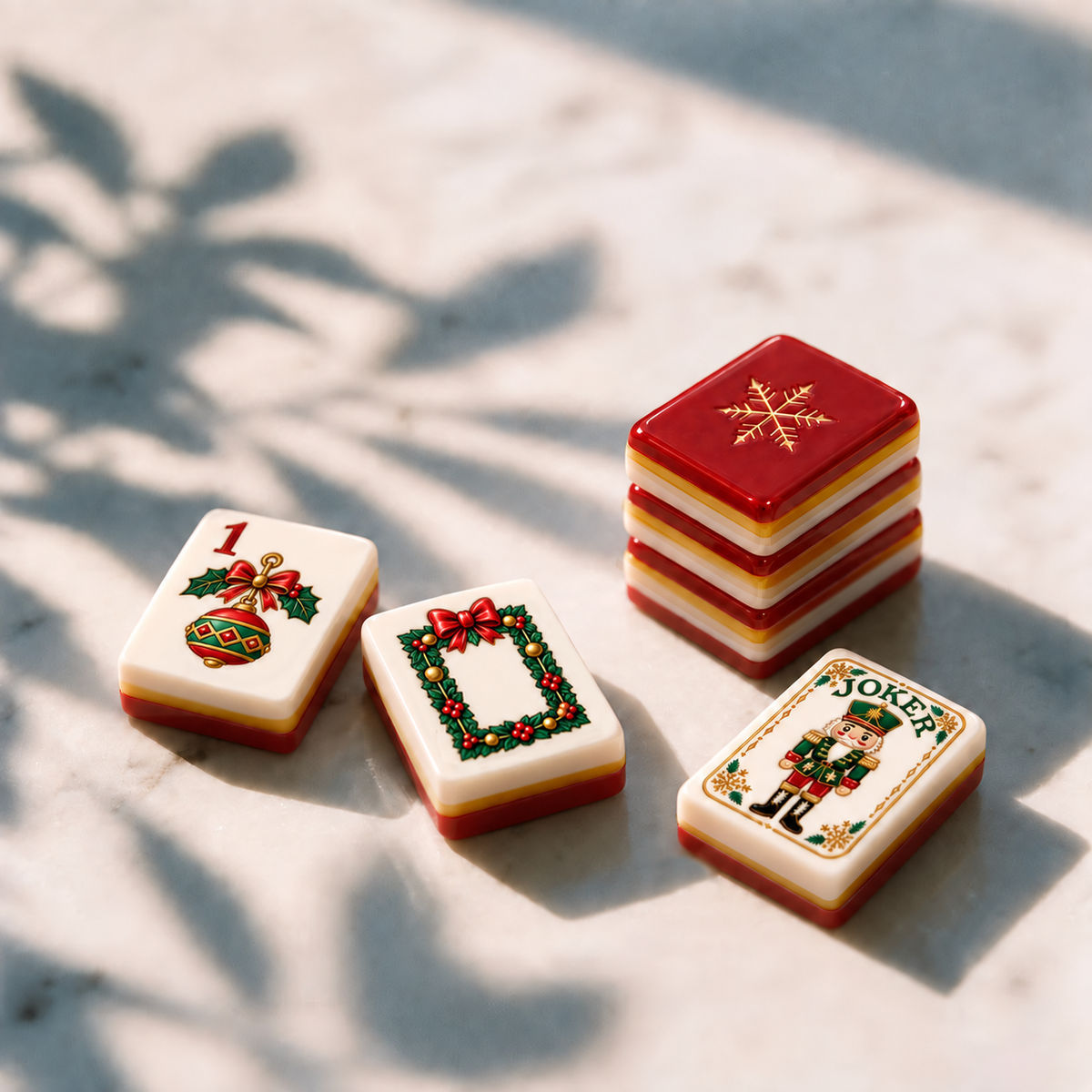
Malaysian mahjong differs sharply from American play: no standard League card, hands are built from classical Chinese patterns (chows are allowed, sequences called openly), and the game uses 136 tiles—not 152. Critical mistakes include misidentifying melds (confusing a chow with a pung), breaking closed hands too early by exposing melds before you've verified winning conditions, calling mahjong with an invalid hand due to unclear suit rules, and mishandling the tile wall or draw sequence. The pace is faster, discards carry more risk, and honor tiles (winds, dragons) interact differently with suits. Malaysian clubs and online forums teach regional house rules that vary by table—always clarify winning shapes, limit-setting, and payout rules before play begins. A quality set with legible tiles and a mat designed for quick reference helps reduce confusion.
We've hosted weekly games across variants for years, and Malaysian mahjong attracts players seeking a faster, more strategic game than American play. But the shift from League-card-based hands to classical sequences catches even experienced American players off guard. Below are the five most costly mistakes we've seen—and how to lock them down.
Why Are Chows Illegal in American but Allowed in Malaysian?
American mahjong permits only pungs (3 identical), kongs (4 identical), quints (5), and sextets (6)—never sequences. Malaysian mahjong, rooted in Chinese tradition, builds hands around chows: a sequence of three consecutive numbers in the same suit, like 4-5-6 Dots. The rule exists because classical mahjong focuses on efficient blocking and tempo; sequences open faster paths to mahjong. Many American players mentally freeze when they see 3-4-5 Bams exposed at an opponent's side—it looks wrong because it is wrong at home, but it's fully legal in Kuala Lumpur or Penang. Mistake: assuming your American hand memory applies. Fix: before sitting down, ask the host if chows are active, whether they must be immediately declared (exposing the meld) or held briefly, and if quints or sextets are worth bonus points.

How Do You Know When You've Actually Won?
In American play, you win only when you match the current year's League card—a specific pattern of named hands. Malaysian mahjong has no such card. Instead, winning hands (called "mahjong" or "hu" depending on dialect) follow classical Chinese rules: four melds plus a pair, where melds can be pungs, chows, or kongs. Mistake: calling mahjong with three pungs, a chow, and a pair—then discovering the host's house rule forbids that exact shape (e.g., "all pungs only," or "chow must pair with its suit"). Fix: before the first hand, ask for written or verbal confirmation of valid winning shapes. Many Malaysian tables use simplified rulesets; others use complex scoring tables with forbidden hands. A moment of clarity prevents arguments.
Why Does Tile Wall Direction Matter More Than You Think?
American mahjong draws from a randomized wall; tile order within the wall rarely causes disputes because jokers substitute freely. Malaysian mahjong uses a fixed wall of 136 tiles arranged in rows, and the draw sequence (east wind draws first, moving counter-clockwise, with a ritual break in the wall) is strict. Mistake: drawing tiles out of sequence, reshuffling a broken wall, or allowing a player to pick a tile they didn't rightfully draw. These errors cascade: later hands suffer from unknown tile pools, and scoring becomes impossible to verify. Fix: appoint one player as wall keeper before play. That person manages the wall, calls the draw in order, and immediately resets after someone claims or discards. Use a mahjong mat with a defined wall area so the draw sequence is visually obvious to all.
What's the Difference Between a "Dead" Tile and a Valid Discard?
In American play, every tile you own is playable until someone calls it. Malaysian mahjong introduces the concept of "dead" or "used" tiles: once a tile is exposed in a meld, drawn, or discarded and passed a certain point in the game, it cannot be claimed. Some regional variants further restrict which melds you can claim from—you might claim a pung from any discard, but chows only from the player directly to your left. Mistake: calling a tile that was already used in a previous hand, or claiming a tile from an opponent whose discard you weren't entitled to. Fix: keep a running "used" pile clearly separated from the live discard area. If you're unfamiliar with the table's rules, state your claim before touching the tile: "Pung left-side discard?" The host can confirm or reject instantly.

How Do You Avoid Scoring Disasters?
American mahjong uses a point card; Malaysian mahjong often uses a scoresheet or a house-memorized system. Many tables award bonus points for certain hand types (all honors, all one suit, all chows) or penalize slow play. Mistake: winning a hand, celebrating, then discovering your hand doesn't qualify under the scoring rules, or misunderstanding a bonus multiplier. Another trap: some tables count points at the end of each hand; others tally quarterly or end-of-night. Payout amounts vary wildly—from friendly play (no money) to high stakes. Fix: before money changes hands, confirm: (1) the base point value per hand, (2) which bonus combinations are active, (3) how ties are split, and (4) whether there's a limit on total winnings per hand. Write this on a card at the table so all four players see it. A set with clear, durable tiles and a stable mat keeps the game moving and reduces disputes.
Comparison: American vs. Malaysian Mahjong Errors
Error Type | American Play | Malaysian Play | How to Avoid |
Illegal meld | Calling a chow (not allowed) | Calling a pung 7-8-9 (mixing suits—illegal) | Read the hand rules aloud with the host before tile one. |
Wall handling | Rare—wall order doesn't affect play | Critical—wall sequence must be strict | Name a wall keeper; keep the draw path visible. |
Winning shapes | Must match League card | Depends on house rules and bonus list | Ask for valid shapes in writing or verbal commitment. |
Tile ownership | Joker substitutes freely in play | No jokers; dead tiles cannot be reused | Segregate used tiles; confirm the valid draw before touching. |
Scoring | Points card governs all | Scoresheet + house rules + bonuses | Write down point values, bonuses, and limits before play. |
🀄 Shop best-selling mahjong sets →
What to Check Before You Buy Tiles for Malaysian Play
If you're joining a Malaysian group, confirm their tile preference first—some tables use larger tiles (easier to see from a distance) or sets with color-coded suits. Our best-selling collections include standard-size acrylic sets suitable for both American and Chinese-style play; tiles are legible, durable enough for weekly games, and compact for travel. Check:
Tile size: Malaysian players often prefer slightly larger tiles (⅜ inch or more) so sequences are spotted quickly from across the table.
Suit clarity: Bams, Craks, and Dots must be unambiguous—confirm the set's design before ordering if you're colorblind or play in poor light.
Joker count: Malaysian sets typically use fewer jokers (or none in classical play); American sets include 8. If you're bringing an American set to a Malaysian game, clarify whether jokers are used.
Mat and wall markers: A mat with a dedicated wall section prevents accidental tile shuffles and keeps the discard area separate.
🎁 See our most-loved mahjong sets & accessories →
Why House Rules Exist—and How to Find Your Table
Malaysian mahjong has no international governing body like the National Mah Jongg League. Instead, rules emerge from regional traditions and house consensus. A Penang group may play differently from a Johor or Singapore table. Mistake: assuming one set of rules applies everywhere. Fix: ask your host or local coordinator for a written ruleset (or a link to one online). Many Malaysian clubs post house rules on community boards, meetup apps, or WhatsApp groups. If you're new to a table, sit as a "silent" player—watching one full hand before you join play. This costs nothing and clarifies the draw sequence, valid melds, scoring system, and any unusual discard customs. Libraries, community centers, and cultural associations in cities with large Malaysian or Southeast Asian populations often host beginner sessions; check local meetup boards or call ahead to confirm game times.
✨ Find your Mahstead set — free US shipping →
The best defense against Malaysian mahjong mistakes is humility and clarity. These mistakes cost real money or friendships when they're resolved by argument instead of prevention. Ask questions upfront, write down the rules, keep tile areas clean and separated, and confirm every significant move before you execute it. The game's pace and strategy reward players who memorize the hand-building patterns, but only if the foundation—a shared ruleset—is solid. Many of our customers host mixed American-Malaysian games; they keep two separate sets and mats on hand to avoid confusion. If you're building your collection, prioritize clarity: legible tiles, a stable mat with a defined wall, and racks with pushers so melds stay organized and visible.

FAQ
Can I use an American mahjong set to play Malaysian mahjong?
Yes, if the tile count is 136 (not 152) or if you remove extra jokers before play. Most American sets have 152 tiles plus jokers; you'll need to set aside 16 tiles to match the 136-tile Malaysian standard. Confirm with your host first—some tables use larger American sets without modification.
What happens if I accidentally call mahjong with an invalid hand?
In most Malaysian games, an invalid claim results in a penalty: you either pay all opponents or are barred from that hand's scoring. Penalties vary by house rule, so ask before your first game. Some tables allow one "correction" if you realize the error before another player draws.
Are there online resources or apps that explain Malaysian mahjong rules?
Yes—Malaysian and Singapore mahjong forums, YouTube tutorials from Penang and Kuala Lumpur groups, and WhatsApp communities dedicated to regional play exist. Start with a local community center or ask your host for a link; many tables share rules via group chat or printed cards.
How fast should Malaysian mahjong play compared to American?
Malaysian games typically move 20–30% faster because chows reduce the number of tiles needed to form a meld, and the wall is smaller. If you're used to American play, expect a quicker pace and more discards per hand. Ask the host if there's a time limit per turn.
Do all Malaysian tables use the same bonus-hand scoring?
No. Bonuses vary by region and house tradition. Some tables score "all honors" or "all one suit" as multipliers; others don't recognize those bonuses at all. Always confirm the active bonus list before play and have it written down where all players can see it.
What should I do if two players claim the same discard?
The priority typically goes: mahjong claim > pung/kong claim > chow claim. If both players claim mahjong, the one closest to the discarder (usually on the left) gets it. If neither wants it or the tile is already dead, play resumes. Clarify claim priority with the host before the first hand.


View More
View More
View More
