
Engraved Mahjong Tiles: Pros and Cons for Players
Last updated: Nov 23, 2026
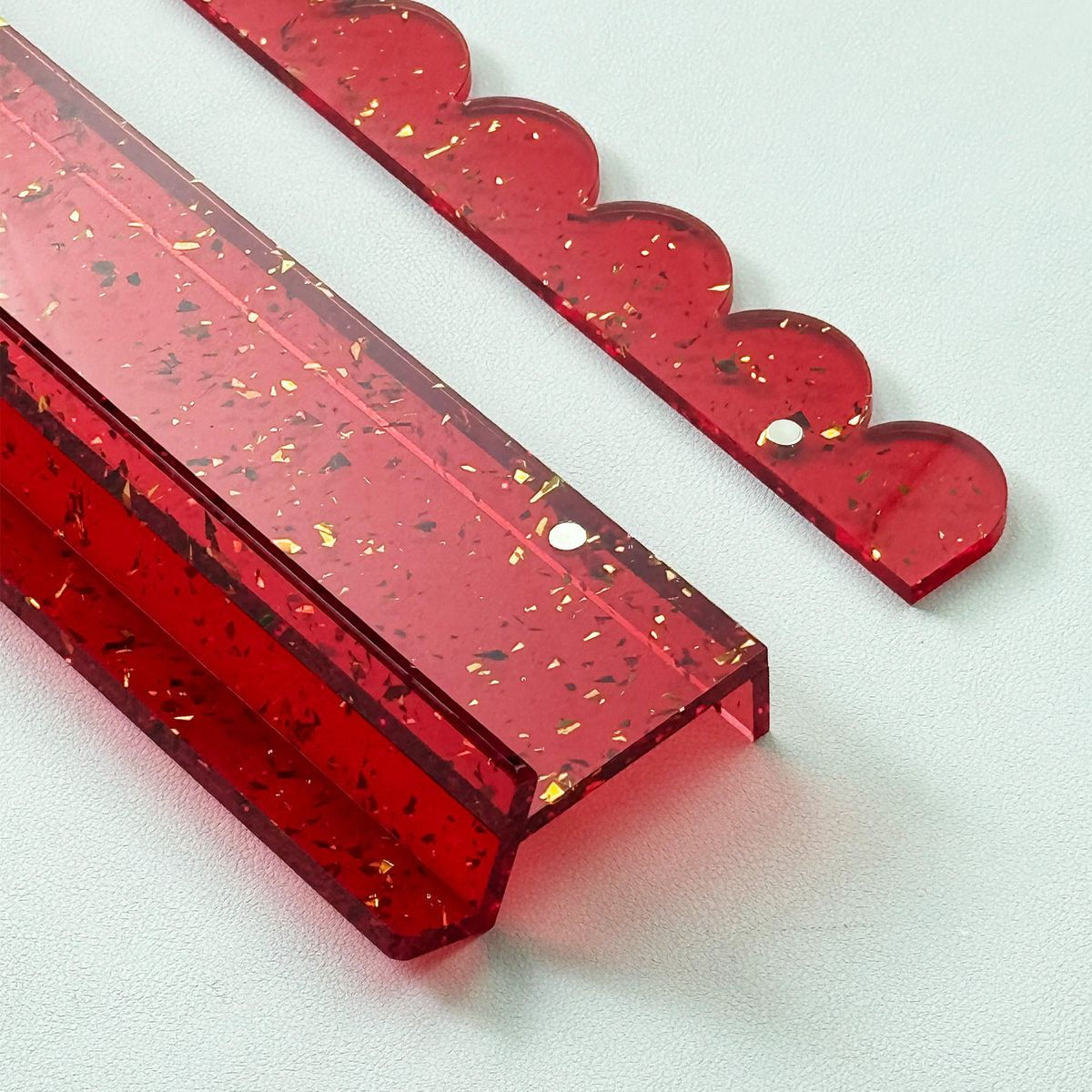
Engraved American mahjong tiles carry one major advantage and two real drawbacks. The pro: your set becomes unmistakably yours, ideal for gifts, permanent home games, or competitive players who host regularly. The cons: engraving raises the price significantly compared to plain acrylic sets; deep or ornate engraving can catch fingers and create micro-friction during shuffles; and once engraved, tiles cannot be resold or donated easily. Acrylic tiles hold engraving cleanly when done shallow and placed on non-playing surfaces (racks, pushers, case edges), but engraving the tile face itself risks wear in high-play scenarios. Our experience hosting weekly games shows engraved sets shine as heirloom gifts or tournament-host markers, but plain tiles remain faster to shuffle and safer for beginner tables where dropped tiles happen.
Engraved mahjong tiles are acrylic tiles personalized with names, initials, dates, or designs before play. They're cut, drilled, and inked the same as standard tiles, then custom artwork or text is added—usually via laser etching, screen printing, or hand-finished engraving. The process takes longer than mass production, which explains the price jump. Since American mahjong uses exactly 152 tiles plus 8 jokers in a standard 160-tile set, engraving all tiles, or only select ones (pushers, joker tiles, corner markers), depends on budget and your design vision.
We've watched dozens of sets arrive at tables over three years of weekly games. The honest picture: engraved sets work beautifully as conversation pieces and keepsakes. They're terrible if you shuffle hard, loan sets often, or prize speed over personality. Let's break down when engraving pays off.
What engraving actually looks like on tiles
Engraving on acrylic can be laser-etched (leaving a frosted line or dot), screen-printed (ink sits on the surface), or hand-painted. Laser etching creates a permanent mark that won't peel, but it's shallow—visible only up close. Screen printing offers bolder color and coverage but can chip if tiles bang hard in shuffles or storage. Hand finishing (rarer, pricier) gives artistic control but requires careful handling during play. Most players choose to engrave racks, pushers, dice, and the case edge or corners rather than the tiles themselves—those surfaces endure shuffling untouched. If you do engrave tile faces, shallow racks (where tiles stand upright) or joker tiles (used less frequently) are safer than the numbered suit tiles you handle constantly.

Price comparison: engraved vs. plain sets
Engraving adds cost because each set is custom. A best-selling plain acrylic American mahjong set costs a baseline amount (see the product page for current pricing). An engraved set from the mahjong titles collection reflects the engraving labor, design setup, and materials. The gap widens if you engrave all 160 tiles versus just the bag or case. For example, if a plain set is $X, adding an engraved date and name to the travel bag might add 20–30% to the total; engraving all four racks and joker tiles might add 15–25%; engraving every tile could double the price. A rough framework:
What you engrave | Typical use case | Cost impact | Durability during play |
Case / bag edges only | Gift recipient's initials visible at tournaments | +10–15% | Excellent; untouched during shuffles |
Racks & pushers | Host's name or date to mark the set | +15–25% | Very good; minimal contact |
Joker tiles only | Playful text; lower traffic than numbered tiles | +10–20% | Good; jokers used less than suit tiles |
All tiles | Statement pieces; heirloom sets | +40–100% | Fair to poor; high friction during shuffles |
Mix (racks + select tiles) | Best balance of personality & function | +20–35% | Good; heavy-use tiles left plain |
Choose the second or third option if you play weekly and shuffle energetically. Pick the first if you host casually and want a gift that stays pristine.
Pros: when engraving is worth the money
Engraved sets excel as heirloom gifts. A set marked with a player's name and the year they learned to play becomes a keepsake; decades later, that person recalls the table where they received it. We've seen families pass down plain sets with no memory attached, but an engraved set triggers stories every time it emerges. Engraving also stakes a claim at clubs or tournaments where dozens of similar acrylic sets sit on racks—your initials or a unique phrase make yours instantly recognizable.
Hosts benefit too. If you run the same weekly game for years, an engraved set (especially with your address or a date) marks it as the game set. Players remember "That's Sarah's Thursday-night set" and respect it accordingly. Engraved pushers or racks bearing your name also reduce mix-ups at multi-table events.
Competitive players and dealers sometimes engrave joker tiles with house rules or tile counts as a teaching aid—a subtle reminder visible during play without cluttering the scorecard. And yes, engraved sets photograph well for social media or club newsletters if you're comfortable sharing; they stand out in a way plain tiles don't.
Cons: friction, wear, and resale friction
The main drawback: engraving creates micro-friction. When tiles have an etched or printed surface—especially if the engraving sits slightly proud of the tile face—they drag a fraction slower during shuffles and racks. Competitive players or speed-focused groups notice this. We've hosted tables where someone brings a deeply engraved set and new players comment: "These feel sticky." That's not imagination; micro-friction is real. Shallow laser etching minimizes it; bold screen printing or hand-painted tiles amplify it.
Wear is the second issue. Engraved tiles in heavy rotation show wear patterns: the etching may fade, screen-printed ink chips, or paint rubs off on bag fabric. A plain tile shuffled weekly for five years looks identical to year one. An engraved tile looks tired after two. This matters less if you play once monthly; it matters a lot if you host 50+ games per year.
Resale and donation are harder. A plain set is neutral; anyone buying secondhand gets a clean slate. An engraved set with someone else's name, company logo, or past-date "2019 Annual Tournament" is a liability. You either live with it or pay to have the engraving removed (often impossible without damaging the tile). We've known players stuck with three engraved sets they couldn't gift because the personalization belonged to someone else.
🀄 Shop best-selling mahjong sets →

Durability in real-world play: what breaks and why
Acrylic tile durability depends more on storage and shuffling style than on engraving alone. Tiles dropped on hard floors, left in hot cars, or crammed into cheap bags crack regardless of whether they're engraved. Engraved tiles add one failure mode: the engraving itself becomes a stress point. A shallow laser etch rarely causes problems; a groove deep enough to catch a fingernail during a riffle shuffle can propagate a hairline crack.
Screen-printed engraving is vulnerable to edge damage. If a tile's corner hits a table edge and the printed layer is thick, it can flake off. Hand-painted tiles are most fragile in high-impact scenarios because paint is soft.
The best practice: engrave items that don't move in play. Racks, pushers, dice, case trim, and bag handles are perfect—they're set down, left alone, and packed away. If you must engrave tiles, choose joker tiles (used once per hand, rarely shuffled hard) or the White dragon (plays a utility role and sees less action than numbered suit tiles). Never engrave numbered Bam, Crak, or Dot tiles if you shuffle seven times per hour.
Storage also matters. A set in a padded travel case or protective bag lives longer than one tossed into a plastic bin. Engraved tiles in a protective setup (our mahjong bags and cases collection includes padded options designed to absorb shuffling stress) survive years of play. The same set loose in a drawer? Engraved corners crack within months.
Should you engrave a set you're about to buy?
Frame your decision around three questions:
Who is this set for? If it's a gift you're giving away, engraving makes sense—the recipient treasures the personalization. If it's for yourself and you host weekly, consider racks and pushers only. If you're buying a backup or a loaner, stay plain.
How hard do you shuffle? Gentle riffles and spreads? Engraving is low-risk. Aggressive shuffles, fast clears, or tournament-style play? Stick to plain tiles, or engrave only non-playing surfaces (racks, pushers, case).
What's your timeline? A set you'll use for five years in casual games can carry deep engraving; a set destined for tournaments or frequent loanouts should be plain or minimally engraved.
A practical checklist before you buy:
Decide where to engrave: tiles, racks, pushers, case, or bag?
Ask the engraver (or product description) whether the method is laser, screen print, or hand-finished—laser is most durable.
Request shallow engraving if they allow customization; deep cuts increase friction.
Plan storage: buy a padded case if you're engraving tiles themselves.
Accept that engraved sets are keepsakes, not short-term rentals.
🎁 See our most-loved mahjong sets & accessories →
One honest angle: engraved sets as table-host investments
We've noticed a trend: players who host the same game weekly or biweekly invest in a single engraved set. They don't rotate sets; they own one and care for it meticulously. That set becomes part of the game's identity. New players say, "Can we play with the Thursday set?" The engraving—a date, initials, a saying—marks it as something alive, something with history.
This works only if you're comfortable keeping tiles stationary for long stretches and playing the same group repeatedly. For nomadic players, tournament attendees, or people who shuffle sets between locations, a plain best-selling acrylic set is smarter. But for the Thursday-night host who'll use one set for a decade? Engraving racks and the case, with a shallow laser date, pays emotional dividends most other purchases don't.
Engraved sets also make strong gifts for milestone moments: a retirement, a move to a new city, a first tournament win. The engraving anchors the memory. Five years later, that person still recalls the exact moment they unwrapped it because the set itself carries that date.
✨ Find your Mahstead set — free US shipping →
What to check before you buy
Engraving location: Racks and case edges > joker tiles > numbered tiles (in order of durability).
Engraving method: Confirm whether laser, screen print, or hand-finished—laser is most durable long-term.
Depth: Ask for shallow engraving on tiles; deep cuts catch fingers and create drag.
Your play intensity: Casual monthly games? Engrave freely. Weekly shuffles or tournaments? Engrave only non-playing surfaces.
Resale intent: Avoid heavy personalization (names, dates on tiles) unless it's a permanent keeper.
Storage plan: If tiles are engraved, invest in a padded travel bag or case to protect them.

FAQ
Can you remove engraving from acrylic mahjong tiles?
Laser-etched marks are part of the tile's surface and cannot be removed without sanding (which damages the tile). Screen-printed or hand-painted engraving can sometimes be carefully scraped or dissolved with solvents, but the tile may be permanently marked. Best practice: don't engrave unless you're committed to keeping the set.
Do engraved tiles slow down shuffling noticeably?
Shallow laser engraving is barely perceptible. Bold screen printing or deep hand-finished work creates measurable drag. If speed matters (tournaments, fast-play groups), engrave racks and pushers only, not tiles.
Is engraving a good gift for a beginner?
Yes, if you engrave the case, bag, or racks with their name or a date. Avoid engraving tiles themselves until they've played a few months and own a set they're committed to keeping—beginner sets often get swapped out or upgraded.
What's the most durable surface to engrave on a mahjong set?
Case edges, bag material, and the acrylic racks. These are stationary during play. If you engrave tiles, choose joker tiles or the White dragon (played less frequently than numbered suit tiles).
How long does engraving last with heavy weekly play?
Laser-etched marks last years; screen-printed ink may fade or chip within 12–24 months of heavy shuffling. Hand-painted tiles are most vulnerable. Shallow engraving outlasts bold designs significantly.
Can you engrave an existing set after I buy it?
Some manufacturers offer custom engraving services on sets you've already purchased. Check directly with the brand or a local engraver who works with acrylic. Quality varies; laser engraving by professionals is more reliable than DIY methods.


View More
View More
View More
