
Consecutive Run Section of the Mahjong Card Explained
Last updated: Nov 23, 2026
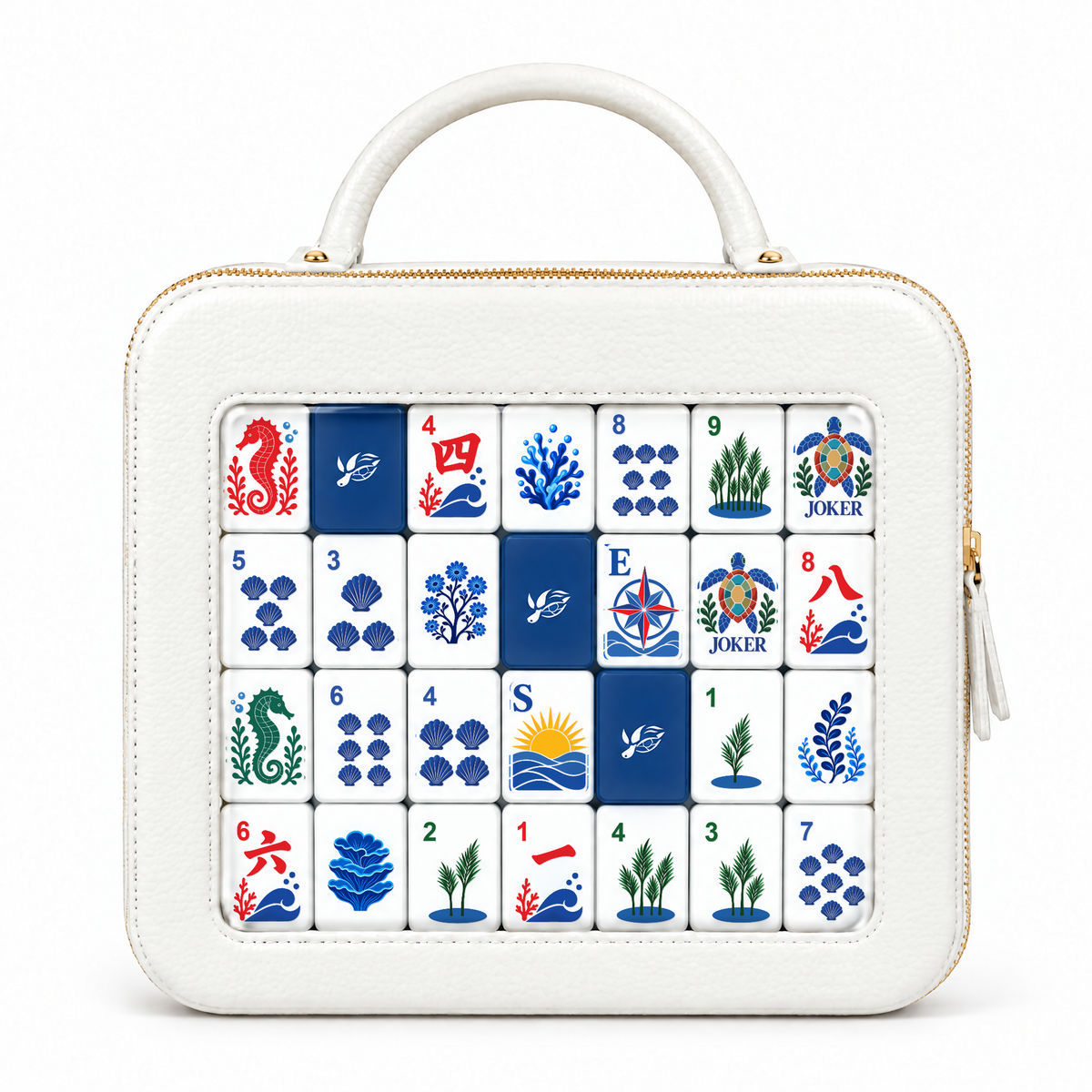
A consecutive run section displays hands made from tiles in unbroken numerical order within one or more suits. On the card, you'll see patterns like "1 2 3 Bams" or "5 6 7 Dots 8 9 Craks," written in the card's layout grid for the current year. Each row lists a complete winning hand as it must appear on your rack: three identical tiles (pungs), four identical tiles (kongs), five identical tiles (quints), six identical tiles (sextets), or pairs. Jokers can substitute for any tile except the pair. The section typically occupies multiple rows on the card and accounts for roughly one in six hands claimed at most tables. When your tiles match a listed consecutive run hand exactly—including the specific number of each tile type and position—you have won. Mahstead's best-selling acrylic sets come with clear, durable tiles that make reading consecutive runs easier under table lights. 🀄 Shop best-selling mahjong sets →
What does "consecutive" mean on a mahjong card?
Consecutive means the tiles run in unbroken numerical order: 1-2-3, 2-3-4, 3-4-5, and so on within a single suit or across multiple suits in the same hand. Unlike a chow in Chinese mahjong, you cannot call or expose a run during play—the entire hand must stay concealed on your rack until you win. When you study the card before or between hands, consecutive runs stand out because the numbers climb in a single line. Understanding this distinction prevents confusion with grouped sections (pungs and kongs) where all tiles match identically.

Where on the card do I find consecutive run hands?
The current year's National Mah Jongg League card organizes hands into labeled sections by pattern type and point value. Consecutive run sections appear as dedicated rows or groups, clearly marked so you can scan quickly during play. The card layout varies year to year, but consecutive runs always cluster together for easy reference. Keep your card flat and well-lit on the table—many players prop it against a small stand or holder so numbers remain visible without rotation. Learn more about reading your card to master all section types and spot winning hands faster.
🎁 See our most-loved mahjong sets & accessories →
How do I match my tiles to a consecutive run hand?
Start by identifying which tiles you hold and which you could form by drawing or receiving discards. Lay your rack left to right by suit and number. Read each consecutive run line on the card from left to right: the first tile listed must appear as a single, a pung, a kong, or a joker in that order on your rack. Repeat for every tile in the hand. When all tiles match in type, count, and sequence, you have won that hand. A common mistake: assuming a 5-6-7 can come from different suits—it cannot. The card specifies "5 6 7 Bams" or "5 6 7 Dots," never a mix. Always read the suit label above or beside each number.

Can jokers replace tiles in a consecutive run?
Yes, jokers substitute for any tile in a consecutive run except the pair. If the card reads "1 2 3 Bams with pair of Honors," you could hold 1 Bam, one joker, 3 Bam, and two Honor tiles, and that joker fills the 2 Bam slot. However, you cannot use a joker for the pair—both tiles must be identical. Master joker rules to avoid the costly error of declaring a hand where a joker occupies the pair position. Every American standard set contains exactly eight jokers, and they remain visible on your rack after exposure.
What's the difference between a run and a pung on the card?
A pung is three identical tiles (same number and suit). A run spans at least two consecutive numbers in order. On the card, a pung appears as "3 3 3 Craks" (all the same), while a run appears as "3 4 5 Craks" (ascending). Pungs can be exposed (claimed) during play; runs cannot—you must hold a complete run hand concealed until you win. When scanning the card, pungs cluster in their own sections separate from runs, so confusion is rare if you read carefully. This distinction shapes strategy: you can build pungs openly by calling and exposing tiles, but you must construct runs quietly on your concealed rack.
Feature | Pung | Consecutive Run |
Tile requirement | Three identical tiles | Two or more tiles in number order |
Example | 5 5 5 Dots | 5 6 7 Dots |
Can be exposed? | Yes (called during play) | No (must stay concealed) |
Joker use | Yes, counts as one tile | Yes, except in pair position |
Strategic implication | Build openly, call discards | Build quietly, wait for draw |
How many consecutive run hands appear on the card each year?
The National Mah Jongg League's annual card (issued every spring for that calendar year) contains dozens of consecutive run hands distributed across sections organized by point value and suit combination. Exact counts vary by year, but runs account for approximately 15–25% of all hands on the card based on typical year layouts. Multiple runs with the same numbers but different suit combinations will appear separately—for example, both "1 2 3 Bams" and "1 2 3 Craks" may be valid, but you must match the exact suit to win. Always consult only that year's official card; previous years' hands are not valid. Understanding the full card structure ensures you never waste time chasing outdated hands.
Common mistakes that cost you hands
Mixing suits in a run. The most frequent error: thinking "1 2 3" can span Bams, Craks, and Dots in one hand. It cannot. The card specifies the suit for each consecutive number; honor your card exactly. Using a joker for the pair. Jokers fill empty tile slots in the run itself but never the pair. If you try to win with a joker as your pair, the hand is invalid. Confusing number order. "3 4 5" is valid; "5 3 4" is not. Read the card left to right and check that your hand matches that sequence and orientation. Forgetting the full hand. A consecutive run appears as a complete winning hand on the card—often with a pair plus a run, or multiple runs, or runs plus pungs. Do not just scan the first few tiles; verify the entire row matches your rack.
What to check before you declare a win
Before calling "Mahjong" on a consecutive run hand, take five seconds: (1) Confirm the year on your card matches the current game year. (2) Read the hand line completely, left to right. (3) Check each tile type against your rack—suit, number, and count. (4) Verify the pair is two identical, non-joker tiles. (5) Count your 14 tiles total (a pair plus 12 other tiles in melds). Missing any step invites a penalty and an embarrassing restart.
Playing with sets that make runs easy to spot
Clear, well-made tiles reduce errors when reading consecutive runs under table light. Acrylic tiles with crisp paint and large, legible numerals let you scan your rack and the card without mistakes. Choose from our collection of best-selling mahjong sets—each designed for visibility and long-term play. Paired with a sturdy mahjong mat, you gain defined tile zones that separate your melded tiles from your hand, making consecutive runs impossible to misread. Mahjong racks with pushers also help organize runs by suit and number, so you spot matches to the card instantly.
✨ Find your Mahstead set — free US shipping →
Five key takeaways
Consecutive runs must follow strict number order within a suit. Read the card exactly; no mix-and-match suits allowed.
Runs cannot be called or exposed during play. Build them quietly on your concealed rack until you win.
Jokers fill run tiles but never the pair. This single rule prevents half the errors we see at our weekly games.
The current year's card is the only valid reference. Spring updates matter; old cards do not.
Clear, legible tiles accelerate your card reading. Invest in a set and mat that support confident, fast play.

FAQ
Can a consecutive run use tiles from more than one suit?
Yes. A hand might read "5 6 7 Bams 8 9 Craks"—this spans two suits but follows the number sequence on the card exactly. The card specifies each tile's suit; your tiles must match it precisely.
What happens if I declare a hand that is not on the card?
You are penalized. In American mahjong, a hand is valid only if it appears on that year's National Mah Jongg League card. Declaring an unlisted hand forfeits your points, and play moves to the next hand.
Can I use more than one joker in a single consecutive run?
Yes. A joker fills any tile position in the run except the pair. If your run calls for four tiles and you hold two jokers, you can use both—as long as the pair remains two identical non-joker tiles.
How do I tell if my hand is a run or a pung-based hand?
Read the card line. If numbers climb consecutively (1-2-3), it is a run. If all tiles match (3-3-3), it is a pung. Runs appear in dedicated sections on the card separate from pung sections.
Do consecutive runs appear in beginner-friendly hands on the card?
Yes. Runs span all point levels, from easier hands to advanced ones. The card organizes them by point value and suit, so beginners encounter simple runs (like 1-2-3) early and complex multi-suit runs later.
Why can't I expose a run like I can a pung or kong?
American mahjong rules limit exposed melds to identical tiles (pungs, kongs, quints, sextets). Runs—which consist of tiles in sequence—must remain concealed on your rack until you win, creating a critical strategic difference from identical-tile melds.


View More
View More
View More
