
Mahjong Classes for Beginners in Tulsa: Where to Start
Last updated: Nov 23, 2026
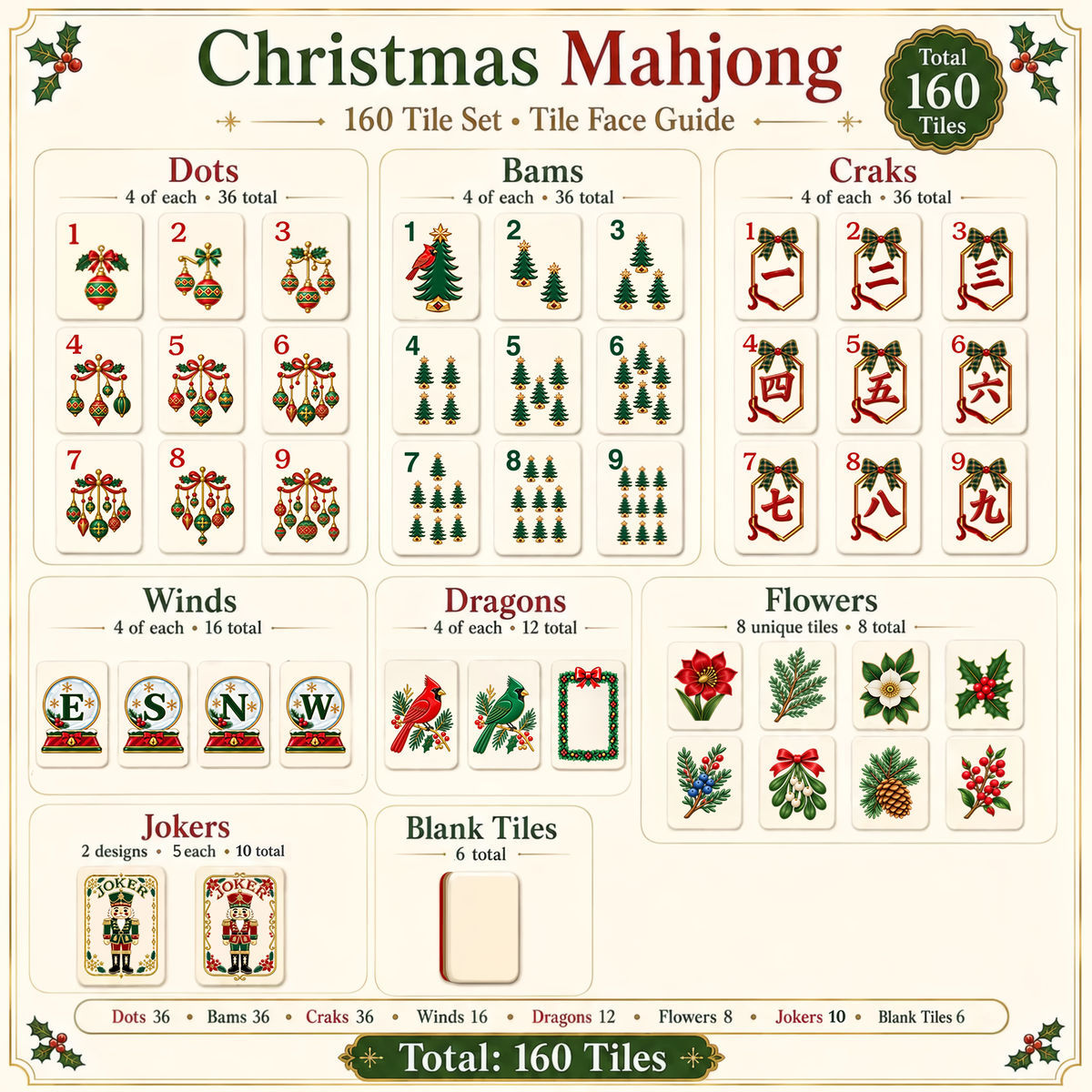
Mahjong classes for beginners in Tulsa are offered through community centers, libraries, senior centers, and private clubs—many without membership fees. A typical beginner class lasts 6–8 weeks, meeting once or twice weekly for 1–2 hours; expect to learn the hand patterns from the current National Mah Jongg League card, tile recognition, how to play American mahjong, and the Charleston (tile-passing ritual). Most instructors provide loaner sets, so you don't need to buy one immediately. Start by contacting your local library or community center's activity coordinator, or search Meetup for "mahjong Tulsa"—word-of-mouth from synagogues, senior living communities, and country clubs is often the best lead. Class cost typically runs low to moderate; bring a pen, paper, and willingness to laugh at your mistakes.
Where do Tulsa beginner classes actually meet?
Tulsa's mahjong community gathers in public spaces. Community centers near downtown and midtown offer seasonal classes; libraries—especially the main branch—maintain bulletin boards and instructor contact lists. Senior centers host beginner-friendly games most afternoons. Check your synagogue or country club activity calendars; many sponsor weekly groups that welcome newcomers. Online searches for "Tulsa parks and recreation mahjong" and local Meetup boards surface current schedules faster than word-of-mouth alone, though asking other players in your network still yields the most welcoming groups.

What should you expect in your first class?
Your instructor will teach you to recognize the 152 American mahjong tiles—Bams, Craks, Dots, winds, dragons, flowers, and jokers—then walk you through the Charleston (the ritual three-pass tile exchange before play). You'll learn to read the National Mah Jongg League card, spot legal hand patterns, and understand why jokers can never stand alone or form a pair. Expect to practice the same hand repeatedly so the rhythm sticks. Most beginner classes avoid scoring on week one; they focus on pattern recognition and the difference between an exposed pung (three identical tiles) and a kong (four identical). Bring a notebook; the card rules are visual and dense.
🀄 Shop best-selling mahjong sets →
Should you buy a set before your first class?
No. Loaner sets are standard in beginner classes, and rushing to buy before you know if you'll stick with the game wastes money. After 2–3 weeks, if you're hooked, invest in a best-selling mahjong set—one that feels good in your hands and matches your space. Cheap sets feel flimsy; mid-range acrylic sets with tile pushers last years and suit home games. Many players who fall in love with mahjong later upgrade to an engraved set or one with a custom mat, so don't feel pressure to buy premium on day one. Your instructor can guide you on what works best for your play style once you've logged a few hours.
How do you find the right class for your pace?
Ask the instructor's experience level upfront: Do they teach complete newcomers, or is the group already mid-season? How long has the group met, and do people stay? Do they enforce strict rules or keep it social? A good class should answer these questions without evasion. Attend once before committing to six weeks. If the group feels rushed or cliquey, try another; mahjong is meant to be fun, not stressful. Pace matters: a class that moves too fast leaves you confused; one that's too slow feels boring. The right fit is the one where you walk out smiling, even after losing.

What's the real cost of learning mahjong in Tulsa?
Most community-center classes cost nothing to modest fees (check your local center's course catalog for exact pricing). Some private instructors charge per session or a flat course rate; word-of-mouth or Meetup posts usually name the price. You'll need a current-year National Mah Jongg League card (replaced each spring) to play; many instructors provide copies or guide you to buy one. The only genuine cost barrier is a set—but again, wait until you're ready. Once you buy, you own it for years; mahjong racks with pushers, mats, and travel bags are optional extras that improve comfort and portability, not essentials.
How do you know if a class is a fit before you sign up?
Factor | What to check | Why it matters |
Class size | 4–8 players (ideal: 4) | Larger groups slow learning; fewer than 4 won't teach Charleston |
Instructor style | Patient, uses hand pictures | Good teachers break tiles into visual groups, not just numbers |
Meeting schedule | Consistent day/time weekly | Irregular schedules derail habit-building |
Card version | 2026 League card (current) | Old cards include retired hands; you'll learn illegal patterns |
Loaner set quality | Acrylic or bone/bamboo | Cheap tiles slip; good ones teach tile feel early |
Social tone | Welcoming to mistakes | Beginner mistakes are universal; friendly groups make them funny |
What to check before you buy a set after class
Once you've finished a class or joined a regular game, a home set becomes practical. Look for these traits: tiles that stack neatly without slipping, pushers (small rods that help move tiles cleanly), and a carrying bag if you'll travel to games. Acrylic tiles are durable, loud, and easy to clean; bone and bamboo feel premium but need care. A best-selling collection includes sets built for all these needs. Avoid sets with fewer than 152 tiles (American mahjong always uses 152 playing tiles) or unclear suit markings. If you're hosting weekly games at home, a mahjong mat protects your table and silences tile clatter—a real comfort for serious play.
🎁 See our most-loved mahjong sets & accessories →
The class checklist: what to bring and do
Week 1: Visit class to audit (don't commit yet). Watch tile handling, ask where the group plays outside class.
Bring: Pen, small notebook, reading glasses if needed. Ask if loaner sets are provided or if you bring one.
First 3 weeks: Focus on tile names, not winning. The Charleston will feel chaotic—that's normal.
After week 3: Buy a set if you're hooked. Ask your instructor or fellow players for brands that work in your budget.
After class: Join the group for weekly games. Consistency is how you stop feeling like a beginner.
Year two: Upgrade to a nicer set or a mahjong mat if you're hosting regular games at home.
✨ Find your Mahstead set — free US shipping →

FAQ
Do I need my own mahjong set to take a beginner class in Tulsa?
No. Most instructors provide loaner sets for the first 4–6 weeks. Wait until you're confident you'll play regularly before buying your own. Borrowing lets you test whether the game fits your pace and personality.
How long does it take to go from beginner to comfortable player?
6–8 weeks of weekly classes will teach you the mechanics, Charleston, and basic hand patterns. You'll feel competent (not expert) after about 12 weeks of regular play. Mastery takes years, but fun starts immediately.
What's the difference between a Tulsa mahjong class and just watching videos online?
A live class teaches you to handle tiles, read another player's speed, and recover from mistakes in real time. Videos show the rules but miss the rhythm, tile feel, and social feedback that make mahjong stick. Classes also connect you to weekly game groups, the real heart of the hobby.
Can I join a class mid-session, or do I have to wait for a new one?
Some groups accept drop-ins; others keep beginners in cohorts. Ask the instructor directly. If a class is full or mid-cycle, ask for referrals to other beginner-friendly groups or a waitlist for the next session.
What happens after I finish beginner classes—do I graduate to a "real" game?
Yes. Beginner classes feed into weekly house games, community-center tournaments, and informal groups. After class, your instructor will introduce you to steady players who meet regularly. From there, you play for fun (or small stakes if the group does), socialize, and keep learning strategy for years.
Is the National Mah Jongg League card required, and where do I get the 2026 version?
Yes. American mahjong is always played with the current year's League card; you need the 2026 card this year. Most instructors sell copies to students or direct you to order online. Never use an old card—hand patterns change yearly, and you'll learn illegal combinations.


View More
View More
View More
