
Changsha Mahjong with 3 Players: Rules & How to Play
Last updated: Nov 23, 2026
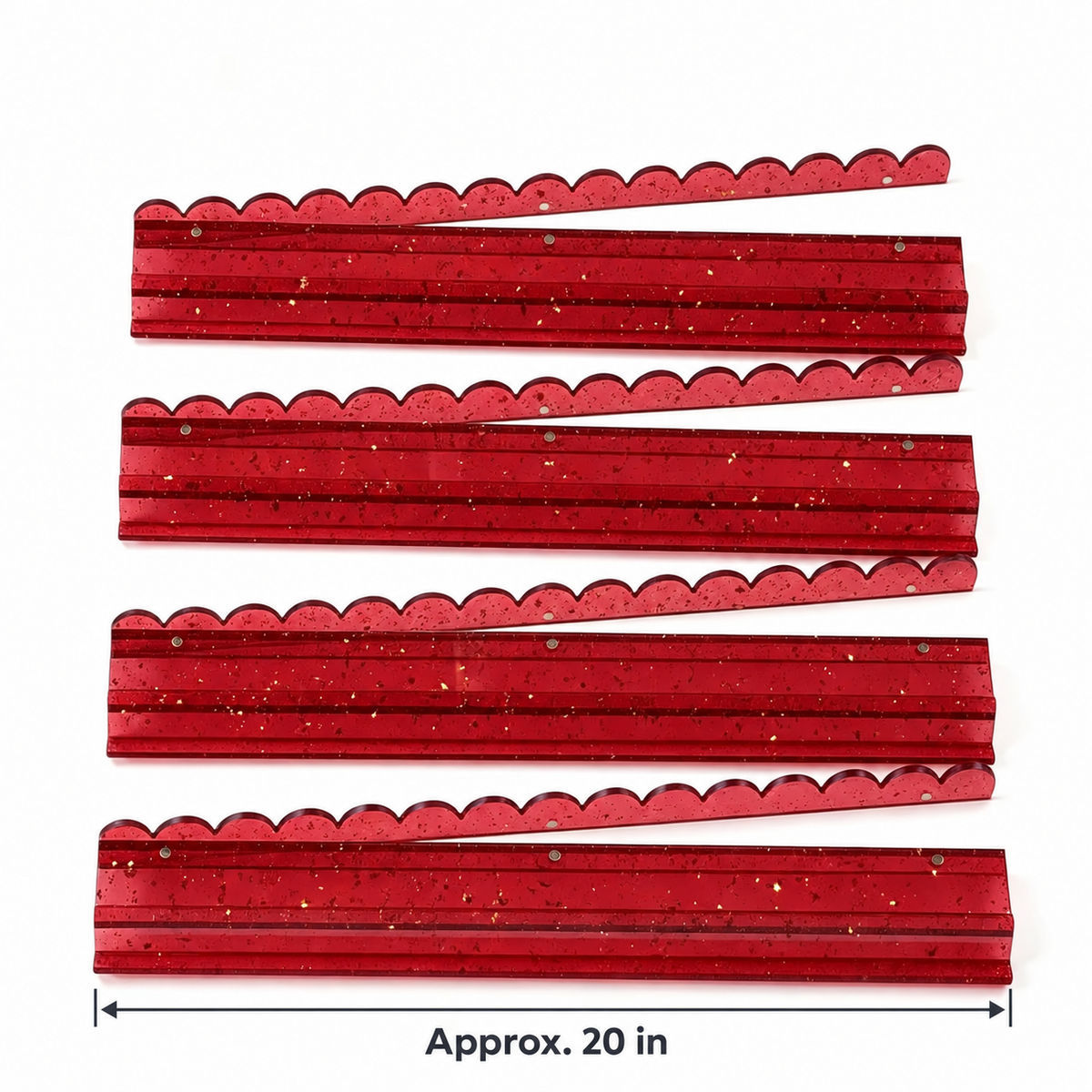
Changsha mahjong is a three-player variant native to Changsha, Hunan Province, China. It plays with approximately 108 tiles (removing honor winds in some versions) instead of the standard 136–144 used in four-player games. Each player draws 14 tiles at the start and one additional tile per turn; a winning hand requires four melds plus a pair, identical to four-player Chinese mahjong. Games typically run 30–90 minutes per round. Unlike American mahjong—which requires the National Mah Jongg League card and uses 152 tiles with jokers—Changsha uses traditional Chinese hand patterns and simpler scoring. If you're learning this three-player variant, you'll need a Chinese mahjong set purchased elsewhere.
Why is Changsha three-player mahjong different from four-player?
Changing from four to three players fundamentally shifts tile distribution and dealer rotation. With one fewer player, the tile wall shrinks and hand frequency increases. Changsha removes two wind tiles (typically West and one duplicate wind) so 108 tiles divide evenly: 36 tiles per player at game start, leaving a smaller draw pile. Melds stay four (pung, kong, chow, or eyes); winning hand logic remains unchanged. Scoring bonuses shift because fewer players means faster payout cycles and tighter competition for discards—someone wins every 6–8 draws instead of every 10–12 in four-player. The reduced set makes three-player Changsha feel snappier than standard four-player Chinese mahjong.

What tiles do you remove to play with three players?
Standard Changsha removes eight honor tiles: two complete wind sets (North, South, East, West), totaling 8 tiles. This leaves 128 tiles (36 Bamboos, 36 Characters, 36 Dots, 12 Dragons, 4 Flowers). Some regional rules further remove two Dragons or all Flowers, cutting to 108 tiles. The core principle: divide remaining tiles evenly by three players. If you start with 108 tiles, each player receives 36 at game setup (12 tiles per player × 3 draws during the opening deal = 36 tiles total per player). The remaining 36 tiles form the wall. Check your local rules before beginning—Changsha variants exist; ask experienced players in your region which tiles they discard before you buy or modify a set.
How do you deal and draw tiles in three-player Changsha?
Dealing follows this sequence: deal three rounds clockwise, giving each player four tiles per round (12 tiles each). East player then draws one tile from the wall, ending their opening turn. Play proceeds counterclockwise around the table. When you discard, the next player draws from the wall. If someone can claim your discard for a pung, kong, or chow, they announce immediately; if not, play moves to the next player. Hand size stays at 13 tiles (12 in hand, 1 drawn, minus 1 discarded). Winning occurs at 14 tiles after a legal claim or wall draw. The wall order matters: if East draws from position 1, mark it clearly so you don't accidentally re-draw from an exhausted position. Confused seat positions? Use a marker or note the compass direction each player occupies—East, South, West (sitting out)—so rotations stay consistent across rounds.
What are valid winning hands in three-player Changsha?
Winning requires four melds (any combination of pungs, kongs, or chows) plus one pair. Examples: four Bamboo pungs + one Dot pair, three Bamboo chows + one Dragon pung + Flower pair. Jokers do not exist in standard Chinese mahjong (unlike American sets). Each meld must be claimed from a discard or self-drawn; all four melds can be concealed (kept hidden in hand) or exposed (claimed publicly from other players' discards). All-pair hands and one-suit hands (only Bamboos, for instance) typically score higher bonuses. Learn how to read the mahjong card covers American-style patterns; Changsha uses simpler, looser patterns—any four melds win. Victory happens fast: a player who discards a needed tile faces immediate loss of points to the winner. No "dead hand" rule; if you can win on a discard, claim it immediately or forfeit the chance.
How does scoring work in three-player Changsha?
Scoring depends on hand value (simple vs. advanced melds, all-pair, all-terminal, all-honor combos) and payout structure. A basic win by self-draw might earn 1 or 2 points per player; a win by claim could earn 2 or 3. Bonus hands (all one suit, all Honors, all Terminals) multiply points by 2× or 3×. Three-player scoring differs from four-player because each player can only be charged points once per loss—there's no second victim. Some regions use a pot system: each player antes before dealing, and the pot funds all payouts. Record scores across multiple rounds (often played to 100 or 200 total points). Regional variants differ sharply; ask for a written scorecard from your local group before starting, or clarify the multiplication factor and payout rule before the first hand. A common beginner mistake: forgetting whether an all-pair hand is automatic win or a point multiplier—confirm the rule with your group.

What equipment do you need to play three-player Changsha?
You'll need a Chinese mahjong set (typically 144 tiles for four-player, which you'll modify), three tile racks for organizing your hand, a discard rack or pile area, and ideally a scoring sheet or app. Since you're removing tiles for three-player, store the removed tiles in a small bag so you can add them back for four-player games later. A mat protects tiles during shuffling and keeps the discard area organized. Unlike American mahjong—which uses best-selling acrylic sets with jokers and a rigid card-based hand system—Chinese Changsha is more improvisational; clear communication and agreed-upon rules matter most. A quiet table surface and good lighting help prevent misdeals. If you plan to host regular three-player games, consider buying or borrowing a dedicated Chinese set so you're not constantly swapping tiles in and out of an American set. Test your setup: shuffle tiles once, deal one practice round, and verify your tile counts before inviting others.
Setup Element | American Mahjong | Changsha (3-Player) | Why It Matters |
Tile count | 152 tiles + 8 jokers | 108–128 tiles (no jokers) | Smaller sets reduce shuffle time; Changsha flow is faster |
Set size | Fixed (American rules only) | Flexible (remove Winds or Dragons) | Tile removal allows three-player equity; no single standard |
Hand pattern | League card required | Pattern memory (looser) | Changsha player wins with any four melds + pair; American needs exact match |
Dealing | Four players mandatory | Three players (dealer rotates) | Fewer players = more frequent wins, tighter scorecard tracking |
Jokers | 8 mandatory per game | None | American jokers replace missing tiles; Changsha has no substitutes |
🀄 Shop best-selling mahjong sets →
Common beginner mistakes in three-player Changsha
Mistake 1: Forgetting which tiles you removed at game start. Mid-game, someone draws a tile that shouldn't be in the wall—confusion ensues. Fix: lay removed tiles face-up beside the table before dealing, or store in a labeled pouch.
Mistake 2: Miscounting the 36 tiles per player during the opening deal. Result: an uneven hand and a false start. Fix: count aloud during the first three-round deal until your group is confident ("Four for East, four for South, four for West, East again…").
Mistake 3: Unclear discard positioning. In three-player, the discard area is tighter, and tiles can blur together, making it hard to see which tile was played last. Fix: build a small "discard tower" or place discard tiles in a diagonal line so claim-ability is obvious.
Mistake 4: Mixing four-player rules with three-player mid-game. ("Wait—can I claim a chow?") Fix: agree in writing on your rule variant before beginning. Confirm whether chows are allowed (they are in standard Chinese mahjong) and whether concealed melds score differently.
Mistake 5: Failing to rotate the dealer. After round one, East seat moves to the next player. If dealers don't rotate, one player dominates and the game becomes unfair. Fix: agree before play whether you rotate clockwise or counterclockwise, and mark the dealer position with a token.
What to check before you buy or modify a set
Count your starting tiles: If buying a new Chinese mahjong set, count 108 or 128 tiles (depending on your local rule). If modifying a 144-tile set, confirm which 8–16 tiles you're removing and store them safely.
Verify tile markings: Ensure removed tiles match the count. Some sets substitute duplicate Winds; confirm no tile appears more or fewer than four times after removal.
Test the racks: Check that your tile racks fit 14 tiles comfortably (12 in hand + 1 drawn + 1 discard space). Racks designed for 144-tile sets may not be necessary, but they keep hands organized.
Confirm scoring rules: Before inviting others, write down your local Changsha scoring multipliers and payout structure. One region's "all-pair double" is another's "triple."
Check lighting and surface: Tiles must be clearly visible. Poor light leads to misidentification (Bamboo vs. Character confusion) and delays.
🎁 See our most-loved mahjong sets & accessories →
How Changsha compares to other three-player variants
American mahjong with three players adapts the rigid 152-tile set by removing some jokers and tiles to fit three players; it still requires the current year's National Mah Jongg League card and uses complex hand patterns that change annually. Hong Kong mahjong (three-player variant) uses 108 tiles and simpler hands but demands faster play and aggressive claiming—more competitive than Changsha. Taiwanese three-player uses bonus tiles (flowers, seasons) and a different wind-removal system. Changsha falls in the middle: easier to learn than American (no card to memorize), more forgiving than Hong Kong (slower pace), and regionally consistent. If you're new to mahjong, Changsha's loose hand patterns (any four melds = win) make it a gentler entry point than American's exact-match card system.
Building your Changsha game night
Start small: invite two friends to a quiet table. Bring the modified set, tile racks, pen, and paper. Deal one practice hand with no money at stake—mistakes are cheaper. Play five hands to test your tile count and deal rhythm. Once comfortable, add a light snack and agree on stakes (1¢ per point, or points-only). Most three-player groups meet weekly for 1–2 hours. Online scoring apps exist (search "mahjong scorer" + your region); write the score after each hand. After three to four sessions, your group will develop house rules unique to your table. Record them. If someone new joins, teach them the agreed rules, not the "official" variant—consistency beats authenticity at the social level.
✨ Find your Mahstead set — free US shipping →

FAQ
Can I use an American mahjong set to play Changsha?
Technically yes, but not easily. American sets use 152 tiles + 8 jokers and are designed for four players with exact hand-matching on the annual League card. You'd need to remove 44 tiles, set aside jokers, and ignore the League card—defeating the purpose of owning an American set. Buy or borrow a Chinese mahjong set (136 or 144 tiles) and remove Winds or Dragons to reach 108–128 tiles instead.
How many rounds does a typical Changsha game session last?
Most casual groups play 6–12 rounds per session (30–90 minutes total). Rounds are shorter than four-player because the wall depletes faster with one fewer player. A single hand takes 5–10 minutes. Competitive groups may play a full "session" (e.g., first to 200 points), which runs 2–3 hours.
What's the biggest rule difference between Changsha and Hong Kong mahjong?
Hong Kong mahjong plays faster, demands immediate claiming, and uses strict payout penalties for discard tiles; Changsha plays at a slower pace, forgives delayed claims, and uses point multipliers rather than instant penalties. Changsha feels more social; Hong Kong feels more cutthroat.
If I'm learning American mahjong, should I learn Changsha first?
No. American mahjong requires memorizing the current year's hand card and involves exact pattern-matching; Changsha is looser (any four melds win). Start with Changsha if you want fast social games; start with American if you enjoy puzzle-like strategy and group tournaments. Both are rewarding—they're different games, not rungs on a ladder.
Can three-player Changsha be played online?
Yes. Many Chinese mahjong apps support three-player variants. Search your app store for "mahjong" + "three player" or "Changsha." Rules, tile counts, and scoring vary by app—test one free round to confirm it matches your local house rules before inviting friends to join you online.


View More
View More
View More
