
Catalin Mahjong Set: What to Know Before You Buy
Last updated: Nov 23, 2026
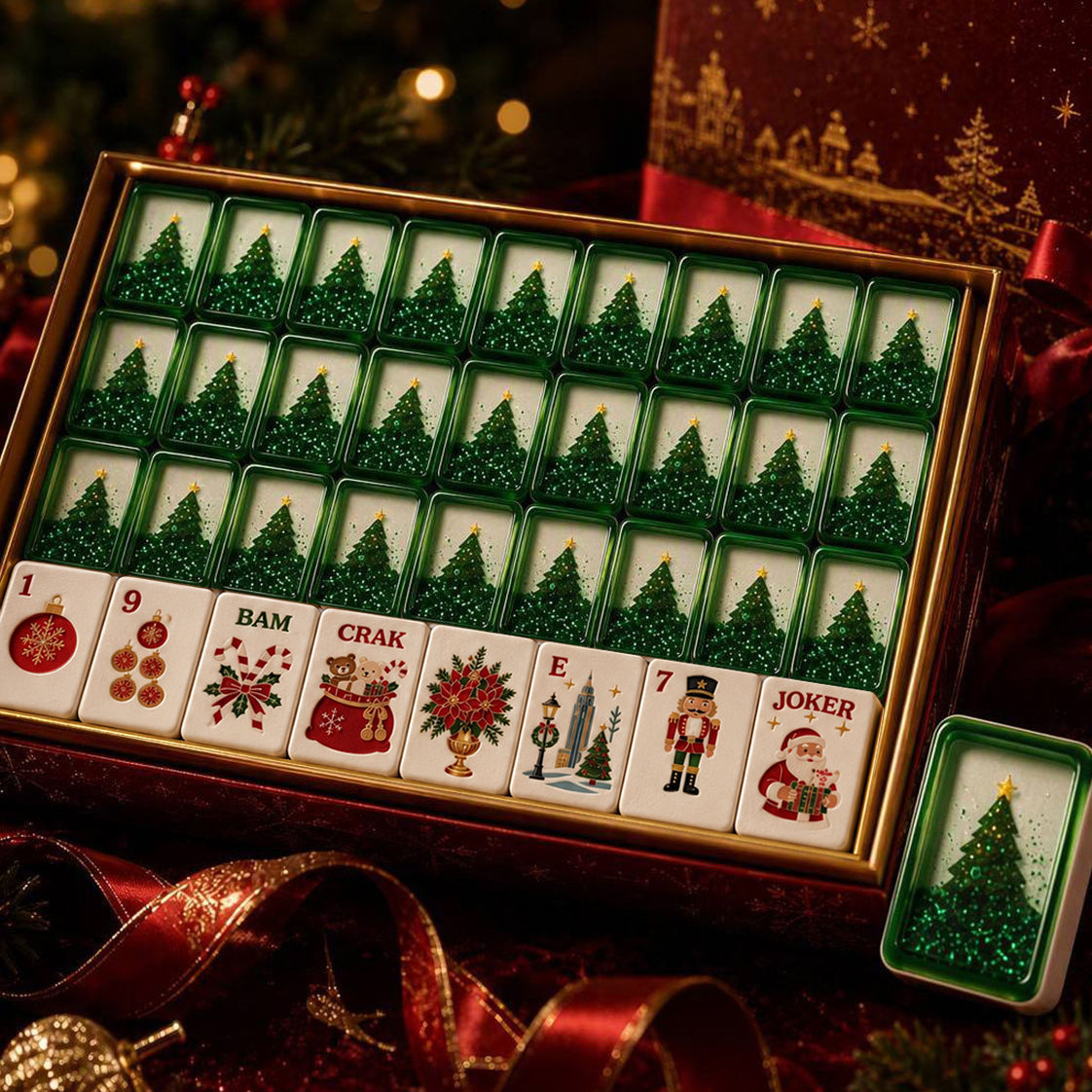
Catalin is a vintage plastic—actually cellulose acetate, cast and hand-finished—used in premium mahjong sets since the 1950s. Each tile is molded individually, which makes catalin sets heavier and more durable than injection-molded acrylic. A full catalin set contains 152 playing tiles plus 8 jokers; at our workshops, we see sets that have survived 40+ years of weekly play. Catalin tiles yellow slightly over time and feel warm to the touch, which many players prefer for handling. The main trade-off: catalin sets are harder to engrave cleanly than acrylic, so custom personalization is limited. A catalin set will cost more than acrylic upfront, but resists chipping better on your mahjong mat and holds its value. Before buying, verify the tile weight (typically 3.5–5 grams per tile), check whether the set includes a travel bag or case, and confirm all 160 tiles are accounted for.
What exactly is catalin, and how is it different from acrylic?
Catalin is an early form of thermosetting plastic—mostly cellulose acetate—that manufacturers hand-cast and individually finished starting in the 1950s. Acrylic, by contrast, is injection-molded in bulk, which is faster and cheaper but produces thinner, lighter tiles. In real play, the difference is immediate: catalin tiles feel substantial, settle predictably in a pile, and emit a deeper click against each other. Acrylic tiles, including our best-selling mahjong sets, are engineered for crisp engraving and consistent color, but lack the heft that veteran players associate with the game's tactile rhythm. Catalin also doesn't scratch as easily during years of shuffling and washing.

Why do catalin tiles yellow, and is that a defect?
Yellowing isn't damage—it's inevitable aging of the cellulose acetate material itself, especially if the set sits in sunlight or heat. Collectors and longtime players often view a warm honey tone as proof of authenticity and age. If you inherit a 1960s catalin set with amber-tinted tiles, you've got a prize, not a problem. The yellowing does not affect gameplay or tile recognition. However, if you're buying a "new" catalin set today and notice uneven yellowing or cloudiness only on certain tiles, that may signal storage damage or mixing of old and new stock. Check the entire set under natural light before purchasing; consistency matters more than absolute color.
How much heavier is a catalin set than acrylic, and why does it matter?
A catalin tile typically weighs 4–5 grams; acrylic tiles in modern sets weigh 2–3 grams. That difference—roughly double—translates to a set that feels grounded and less likely to shift during play, especially if your mahjong mat is smooth or if you're playing on a kitchen table. Heavier tiles also resist wind and accidental nudges better during shuffle and draw. Players with arthritic hands sometimes prefer the weight because it requires less force to move tiles cleanly; others find acrylic lighter and faster for rapid handling. Neither is "better"—it's a personal preference that affects your weekly game's feel and pace.
Can catalin sets be engraved with custom designs like acrylic sets?
Catalin is much harder to engrave cleanly than acrylic. The hand-cast nature of catalin means each tile's surface is slightly irregular, and the material's brittleness can cause chipping if a laser or engraver isn't precisely calibrated. Our engraved American mahjong sets are primarily acrylic for this reason—we can guarantee crisp, durable lettering, guild marks, or designs. If you find a catalin set with engraving, it was likely done by hand, which adds rarity but also inconsistency. If personalization matters (a corporate gift, a family name, a guild emblem), acrylic is the proven choice. Catalin is best purchased vintage or pre-made from specialty dealers where the design is already settled.

What should you check before buying a catalin set?
Tile count & integrity: Confirm the set has all 152 playing tiles plus 8 jokers. Inspect edges under bright light for chips or cracks; catalin is brittle, and a damaged set loses value and playability.
Weight consistency: Pick up a handful of tiles. Do they feel uniform? Uneven weight suggests mixing of materials or age-related degradation.
Completeness of bamboo and honor tiles: Count the four each of North, East, West, South winds, three dragons (Red, Green, White), and all nine Bams, Craks, and Dots in each suit.
Clouding or discoloration: Light yellowing is normal. Serious cloudiness, brown spots, or sticky residue suggest improper storage or damage.
Included accessories: Does it come with a bag, case, or racks? Catalin sets are investment pieces; packaging and protection matter. Check whether mahjong racks with pushers or a travel bag are included or sold separately.
Price realism: Vintage catalin sets in excellent condition are rare. If a price seems too low, ask why—the set may have missing tiles or hidden damage. Reputable sellers provide clear photos and full inventory lists.
Consideration | Catalin | Acrylic | Best for |
Weight per tile | 4–5 g | 2–3 g | Catalin if you want a substantial feel |
Durability | 40+ years common | 15–25 years typical | Catalin for heirloom investment |
Engraving quality | Poor to inconsistent | Crisp and permanent | Acrylic for custom designs |
Yellowing | Expected over decades | Minimal | Catalin if you like patina |
Cost | Higher upfront | Lower | Acrylic if budget is tight |
Feel in hand | Warm, substantial, slower shuffle | Cool, brisk, responsive | Personal preference |
Replacement tile availability | Very rare | Easier | Acrylic for parts support |
🀄 Shop best-selling mahjong sets →
How do you maintain a catalin set long-term?
Store catalin tiles in a cool, dry place away from direct sunlight and heat sources. Sunlight accelerates yellowing (though it's cosmetic, not harmful). Wipe tiles gently with a soft, dry cloth—avoid water unless absolutely necessary, as prolonged moisture can weaken the acetate binder. Keep the set in its original box or a protective case; if you don't have one, a padded travel bag for mahjong works well. Never leave catalin tiles in a hot car or near a radiator. If a tile does crack, a catalin set can sometimes be repaired by a specialist, but replacement tiles are almost impossible to source unless you buy a second set as spare parts. This is why condition matters enormously when buying vintage catalin.
🎁 See our most-loved mahjong sets & accessories →
Is a catalin set worth the cost compared to modern acrylic?
That depends on your priorities. If you're a casual player or just learning American mahjong, acrylic from our best-selling collection is durable, beautiful, and practical. If you host weekly games, play competitively, or are looking for a set that will outlast you and become a family heirloom, catalin is a legitimate long-term investment. Many serious players own both—acrylic for regular play and travel (easier to replace if damaged) and catalin as a collectable reserve or weekend set. The real cost of catalin is opportunity: because tiles are hard to customize, you can't easily add your guild name, initials, or year. If you want a bespoke set for your mahjong group, engraved acrylic is the answer. Catalin shines when you buy it for its own character and history, not as a blank canvas.
Where do you source catalin sets today?
Authentic new catalin is rare; most catalin sets are vintage, found through antique dealers, online marketplaces, or inherited. When shopping, ask the seller for photographs of:
The complete tile set laid out
Close-ups of edges and surfaces
The tile bottoms (vintage catalin often has mold marks or hand-finishing artifacts)
Packaging or documentation if available
Verify provenance and check return policies carefully, since catalin sets are often sold as-is. If you need a set guaranteed to work immediately for this week's game, our mahjong titles collection has engraved acrylic sets ready to ship with free US delivery. For a catalin hunt, patience and a reliable seller are worth the wait.
✨ Find your Mahstead set — free US shipping →

FAQ
Do catalin tiles float or sink in water?
Catalin is lighter than water and will float. If you spill your set, fish the tiles out quickly—prolonged water exposure can weaken the acetate and cause swelling or warping.
Can I mix catalin and acrylic tiles in the same game?
Technically yes, but not recommended. The weight difference (4–5g vs. 2–3g) creates an uneven feel during shuffle and draw, and players may unconsciously favor heavier or lighter tiles. Keep sets separate.
How do I tell if a set marked "catalin" is actually cellulose acetate or a modern resin?
Real catalin feels warm compared to acrylic (hold both in your palm). Catalin also has a slight odor—a faint vinegar or acetone scent—especially if stored in an enclosed container. Modern resin imitations are heavier and uniformly cool. Ask the seller for a batch photo or test this before committing to purchase.
What's the difference between catalin and Bakelite in vintage mahjong sets?
Bakelite, an older thermosetting plastic (1920s–1940s), is darker, more brittle, and rarer in mahjong. Catalin (1940s–1960s) is lighter, warmer in tone, and more common. Both are valuable antiques. If your set is pre-1945, it may be Bakelite; if it's from the 1950s–1960s with a honey or amber hue, it's likely catalin.
If I buy a catalin set and a tile breaks, what are my options?
Unfortunately, replacement catalin tiles are nearly impossible to source. Some players commission a replacement from a resin artist, but it will never match exactly. This is why storage and care matter so much with catalin. Consider buying a second damaged set from a vintage dealer as a "parts set" for future emergencies.
Can I use a catalin set for gameplay under the National Mah Jongg League rules?
Yes, as long as all 152 tiles and 8 jokers are present and identifiable. The League cares about tile count and suit clarity, not material. Many tournament players have used vintage catalin sets successfully. Always bring how to read the mahjong card for reference during formal play.


View More
View More
View More
