
Brunch Mahjong Tournament Format: Rules, Setup & Scoring
Last updated: Nov 23, 2026
A brunch mahjong tournament is an informal competition where 8–16 players rotate through 2–4 timed rounds, each lasting 15–30 minutes, playing standard American mahjong with wins and losses tracked on a scoresheet. The format works best with 4-player rounds held at separate tables, where players switch tables or opponents between rounds to keep things fresh. Unlike a ladder league, brunch tournaments don't require the current-year National Mah Jongg League card to be memorized by all—you simply set out a card at each table and play. Scoring is cumulative: a win counts as +1 point (or a fixed amount like +30 points), a loss is 0, and ties or incomplete hands are 0. Most groups aim for 3–4 rounds so everyone plays 9–16 hands total, then announce the top finisher or split a small prize pool. The beauty of the brunch format is flexibility: you control the table count, round time and whether you're keeping it casual or competitive. Mahstead best-selling mahjong sets are ideal because they ship with clear acrylic tiles, sturdy racks and pushers that speed up play and let new players focus on the game, not fumbling pieces.
What's the difference between a brunch tournament and a regular weekly game?
A brunch tournament is a structured event with preset rounds, rotating players and a final ranking; a regular weekly game is usually the same 4 people playing one session indefinitely. Brunch tournaments accommodate larger groups (12–16 players), enforce time limits to move through rounds quickly and track cumulative scores across multiple hands, so everyone has a chance to win. Regular games are intimate, unrushed and outcome-focused only on that night's winners. Both are fun—brunch tournaments are just louder, more social and less predictable because you're playing strangers or acquaintances rather than your regular crew.

How many players and tables do you need?
A typical brunch tournament runs 8–16 players split into groups of 4, with 2–4 tables active at once. If you have 12 players, you run three 4-player tables per round. If you have 16, you run four tables. With 8, one table. The math is simple: divide your player count by 4 and that's how many tables you set up per round. Rotating all players through 3–4 rounds takes 90–120 minutes of table time (before breaks and food). Smaller counts (5–7) can play 2–3 player mahjong or sit out a round; 2 and 3 player mahjong rules handle uneven groups gracefully. Most brunch hosts aim for 12–14 people as the sweet spot: enough tables for variety without logistical chaos.
What scoring system works best for a tournament?
Scoring Method | Best For | How It Works | Win Feel |
Win/Loss only | Casual, low-stakes | 1 point per win, sum across all rounds | Simple, fair, ties common |
Cumulative points | Competitive | Winner scores +30 or +50, losers score hand points (e.g., 5 Bams = 5 points) | Big comebacks possible, tracking fiddly |
Mahjong bonus | Traditional | Win = +5 points; mahjong (winning hand matches card) = +10 | Rewards skill, feels earned |
Table placement | Quick leaderboard | 1st place = 4 points, 2nd = 3, 3rd = 2, 4th = 1 per round | Social, no math, fair rotation |
Most brunch tournaments use Win/Loss only because it's fast, transparent and keeps play moving—you're not debating point values mid-hand. Track wins on a poster board or shared spreadsheet. After 3–4 rounds, highest win count wins. If there's a tie, play a single playoff hand. Avoid cumulative hand-scoring at a social brunch: it slows games and breeds disputes over who gets 50 vs. 40 points. Save that for serious league play.
How do you rotate players fairly across rounds?
The key is a round-robin rotation sheet that ensures no player sits out more than once (if you have an odd number) and no two players face each other twice. For 12 players, assign them numbers 1–12, then create three 4-player tables per round. A simple pattern:
Round 1: Tables [1-4], [5-8], [9-12] Round 2: Tables [1-5-9-2], [6-10-3-7], [11-4-8-12] Round 3: Tables [1-6-11-3], [5-10-4-8], [9-2-7-12]
This spreads matchups so the same players don't sit together twice. You can hand-build this in 10 minutes or use a free tournament bracket tool online by searching "round-robin tournament generator." Print it and post it. If someone must sit out a round, give them a spectator prize (best mahjong commentary, best outfit) so they stay invested.
What setup and timing do you need to host?
Plan 20 minutes before play for late arrivals and setup, 15–25 minutes per hand (including the Charleston, play and scoring), 5 minutes between rounds for breaks and table resets, and 10 minutes after for final tally and announcements. A 12-player brunch tournament with 3 rounds takes about 2.5 hours of actual play time plus 45 minutes overhead, so block 3.5 hours total. Have a co-host or scorekeeper update the leaderboard after each round so players know their standing. Set clear start and end times: late starts cause chaos, and people need to eat. Provide mahjong mats at each table (not required, but they speed play and protect surfaces) and set out the current-year National Mah Jongg League card, dice and a pen. Use a timer on your phone for each hand to keep things snappy. One common mistake: assuming play will be fast. Average hands take 20–25 minutes once the Charleston ends; new players slow it to 30. Budget extra time if more than half your group is learning or returning after a break.
What mistakes do hosts make, and how do you avoid them?
Mistake | Why It Kills Energy | Fix |
No scoresheet posted | Nobody knows who's winning; confusion at end | Print a large grid; update it visibly after every round |
Wrong tile count | Hands don't close; accidental wins disputed | Use exactly 152 tiles + 8 jokers per set; check what's in a mahjong set before play |
Skipped Charleston | Unfair tile distribution; dominates strong players | Never skip it, even for speed; it's 90 seconds and balances luck |
No backup card | One table halts while searching for a replacement | Bring two current-year cards or a printable digital version |
Mixing 2024 and 2025 cards | Hands don't match; accusations of cheating | Use ONLY the current year's card (2026 as of now) at all tables |
Overrunning time | People miss lunch/appointments; resentment | Stop at a fixed round 3 or 4, announce 15 min before final hand |
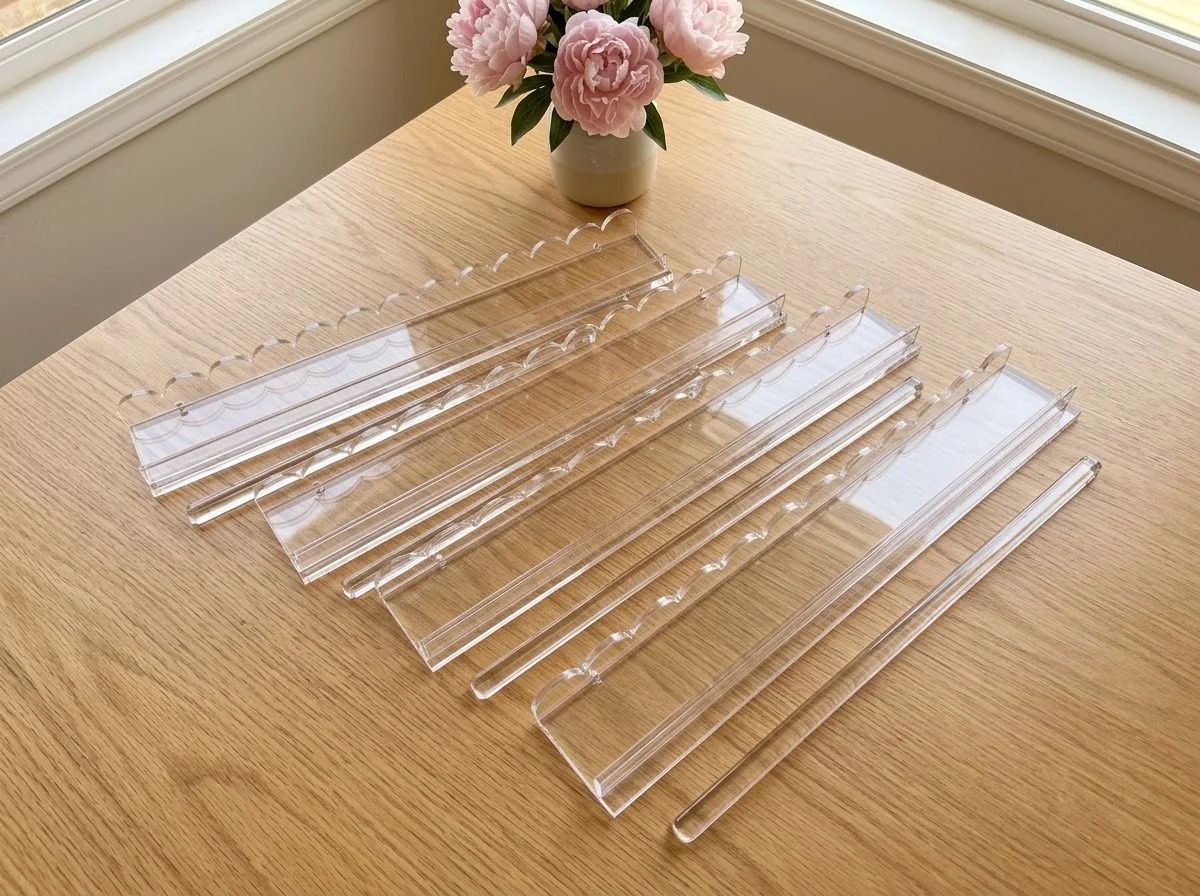
The single biggest fix: assign one person to scorekeeper duty and one to keep time. They are your best friends. Also, bring extra mahjong racks with pushers—not everyone's familiar with handling tiles, and racks make play visible and organized so no one hides tiles by accident.
🀄 Shop best-selling mahjong sets →
What gear do you actually need to host 12 players?
For a 12-player, 3-table brunch tournament, you need:
3 complete 160-tile mahjong sets (152 playing tiles + spares per set)
3 current-year National Mah Jongg League cards (one per table; get backups)
3 sets of dice
Scoresheet (pen, paper or printed grid)
Timer (phone works fine)
Optional but smart: 3 mahjong mats (one per table—no scrambling for tiles), 3 sets of racks with pushers (keeps newbies organized), and a carrying bag or case if you're traveling to the venue
The mistake most hosts make is buying only one set and thinking they'll manage 12 players by "sharing." Don't. Each table needs its own set so play doesn't pause. Best-selling mahjong sets come with acrylic tiles that are durable and easy to read across a room, so when someone calls mahjong, everyone can verify the hand instantly. Racks with pushers are not required, but they prevent the "whose tile is that?" chaos that kills rhythm and frustrates learners.
What if you're hosting at a restaurant or community space?
Confirm you can reserve 3–4 tables for 2.5–3.5 hours and that noise levels (excited calls of "mahjong!") won't disturb other guests. Bring your own mahjong sets and cards—don't rely on the venue to supply them (most don't have them, or they're broken). Ask if you need to order a minimum or can just buy drinks/brunch. Bring a small carry bag so your tiles and mats are protected. If the tables are too small or wobbly, a mahjong mat gives you a stable, organized play surface that's easy to pack and move. Most restaurants and libraries are fine with mahjong tournaments as long as players stay seated, keep voices cheerful and don't monopolize the space past the agreed end time.
🎁 See our most-loved mahjong sets & accessories →
How do you make it fun for beginners and experienced players together?
A mixed-skill brunch works if you follow one rule: mix tables so each has roughly one strong player, two intermediate and one beginner. This way, the strong player teaches without dominating, and the beginner doesn't feel buried. Before the first hand, do a 5-minute refresher on how to play American mahjong—hand types, the Charleston, jokers, calling. Have someone read it aloud or demonstrate one sample hand so everyone recalls the rhythm. New players don't need to memorize the card; they just need to know that patterns come from it and that their table mates will help spot a valid hand. Experienced players will do this willingly if the vibe is inclusive. Offer small prizes for sportsmanship or funniest moment, not just first place, so beginners feel rewarded for showing up and learning. Avoid house mahjong (unofficial hand variants); stick to the National Mah Jongg League card so newcomers can reference the card if they're unsure.
Before you buy sets: what to check
Tile clarity: Can you read numbers and symbols across a 4-foot table in daylight? Acrylic sets are clearest; bone and bamboo are beautiful but harder to read quickly in play.
Rack quality: Do pushers glide smoothly or jam? Bad racks slow every hand and frustrate everyone.
Joker count: Your set must include exactly 8 jokers for a full 160-tile set (152 playing tiles + spares). If unsure, see what's in an American mahjong set.
Case durability: If you're transporting 3 sets, a hard case protects them; a soft bag will work if you're gentle, but tiles can crack if dropped.
Spare tiles: 160-tile sets include spares (extra jokers and blanks) so you can replace a damaged tile mid-tournament without ending play.
✨ Find your Mahstead set — free US shipping →
FAQ
Can I run a brunch tournament with fewer than 8 players?
Yes. With 5–7 players, use 2 and 3 player mahjong rules so one or two sit out each round. With 8, run two tables and play 2–3 rounds. Fewer than 5 isn't really a tournament—it's a regular game with a score sheet.
What if someone wins two hands in a row in one round?
That's legal and happens. They scored twice; everyone else scored zero. The Charleston and tile draw are random, so luck plays a role. Keep the scoresheet honest and move on—brunch is meant to be fun, not a referendum on skill.
Do I have to use the current-year National Mah Jongg League card?
Yes, for American mahjong. Every hand on the card changes annually (issued each spring). Using an old card means hands don't match the current year's ruleset, and disputes arise. Print or bring multiple copies so every table can reference it.
How long does one hand of mahjong actually take at a brunch tournament?
20–25 minutes on average (including the 90-second Charleston and scoring). New players or rusty groups take 30 minutes. Fast, experienced tables might finish in 15. Budget generously; running over time kills the brunch energy.
Should I rank players or just announce a winner?
Both work. If you have 12 players, you could announce 1st, 2nd and 3rd place, or just the overall winner. A tie-breaking playoff hand is fair and quick. Some hosts award small tokens (best sportsmanship, best outfit) so everyone feels celebrated—this keeps energy high for a social brunch.
Can we play house mahjong rules instead of the official card?
You can, but mixing rules confuses new players and creates disputes. Stick to the current-year National Mah Jongg League card for your first brunch tournament. After everyone's comfortable, you can experiment with house variants—but a consistent ruleset is your friend.
Do I need a mat, racks and pushers, or are they optional?
Optional but highly recommended. A mat protects your table surface, keeps tiles from sliding and organizes play so newcomers aren't lost. Mahjong racks with pushers prevent misdeals and let weaker players hold a legible hand. Both speed up play and reduce frustration—worth it if you're hosting multiple tables.


View More
View More
View More
