
Brunch Mahjong Tablescape: How to Host Like a Pro
Last updated: Nov 23, 2026
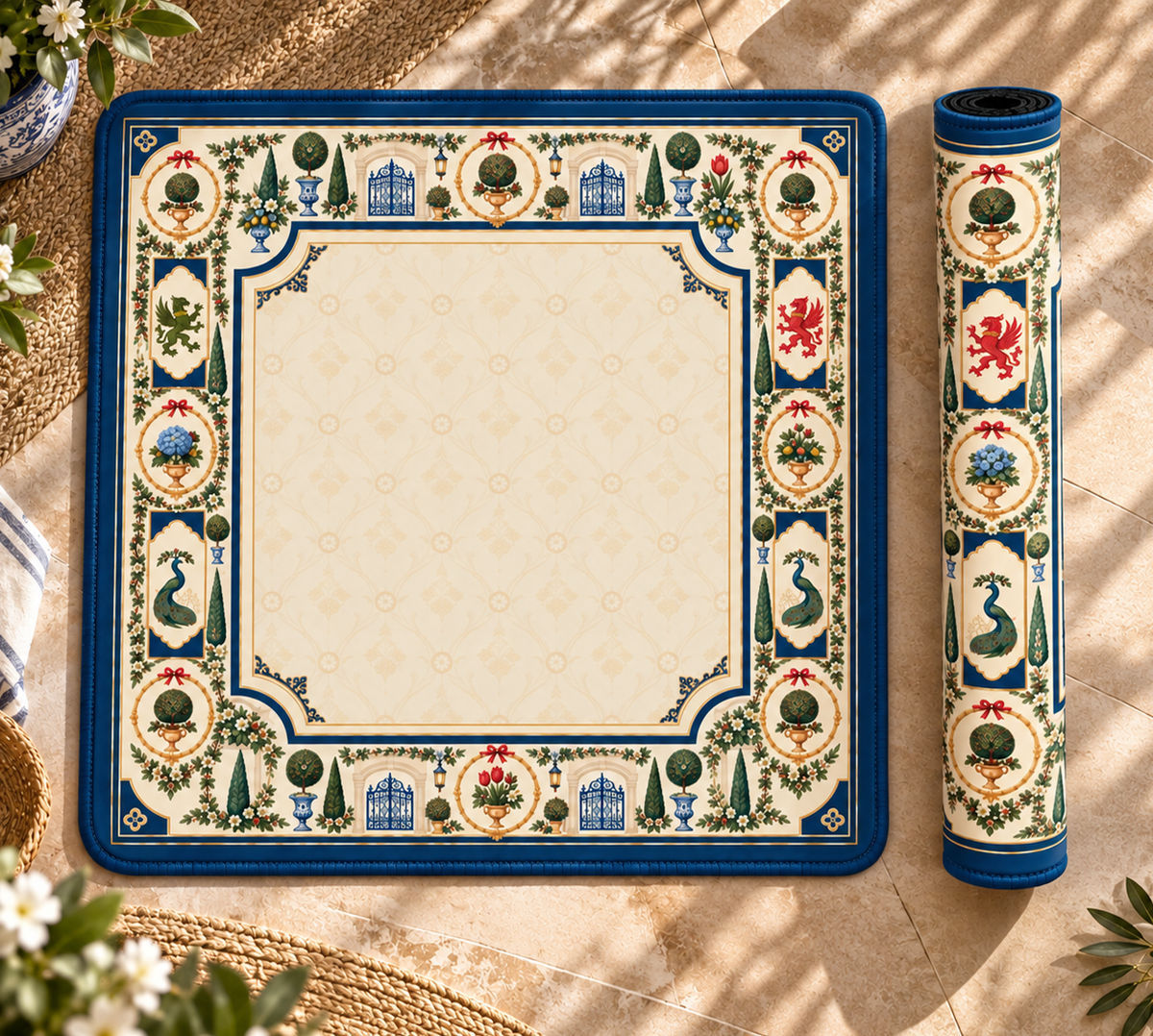
A brunch mahjong tablescape is a styled table combining food service, tile play, and visual appeal—typically set for four players over 2–4 hours. Start with a quality mat that protects the table and defines the play zone; layer in your American mahjong set (152 playing tiles, 8 jokers, racks, pushers), food stations slightly off the mat, and drink holders away from tiles. Décor—flowers, placemats, scorecards—should never interfere with gameplay. The cost basis depends on your set choice (acrylic sets vary in design and materials), but a cohesive setup starts with one excellent mat and one reliable 160-tile set from a maker like Mahstead that ships ready to play. The biggest mistake: crowding the table. Keep the mat clear, food peripheral, and drinks in cupholder zones only.
🀄 Shop best-selling mahjong sets →
Why does the mat matter more than décor?
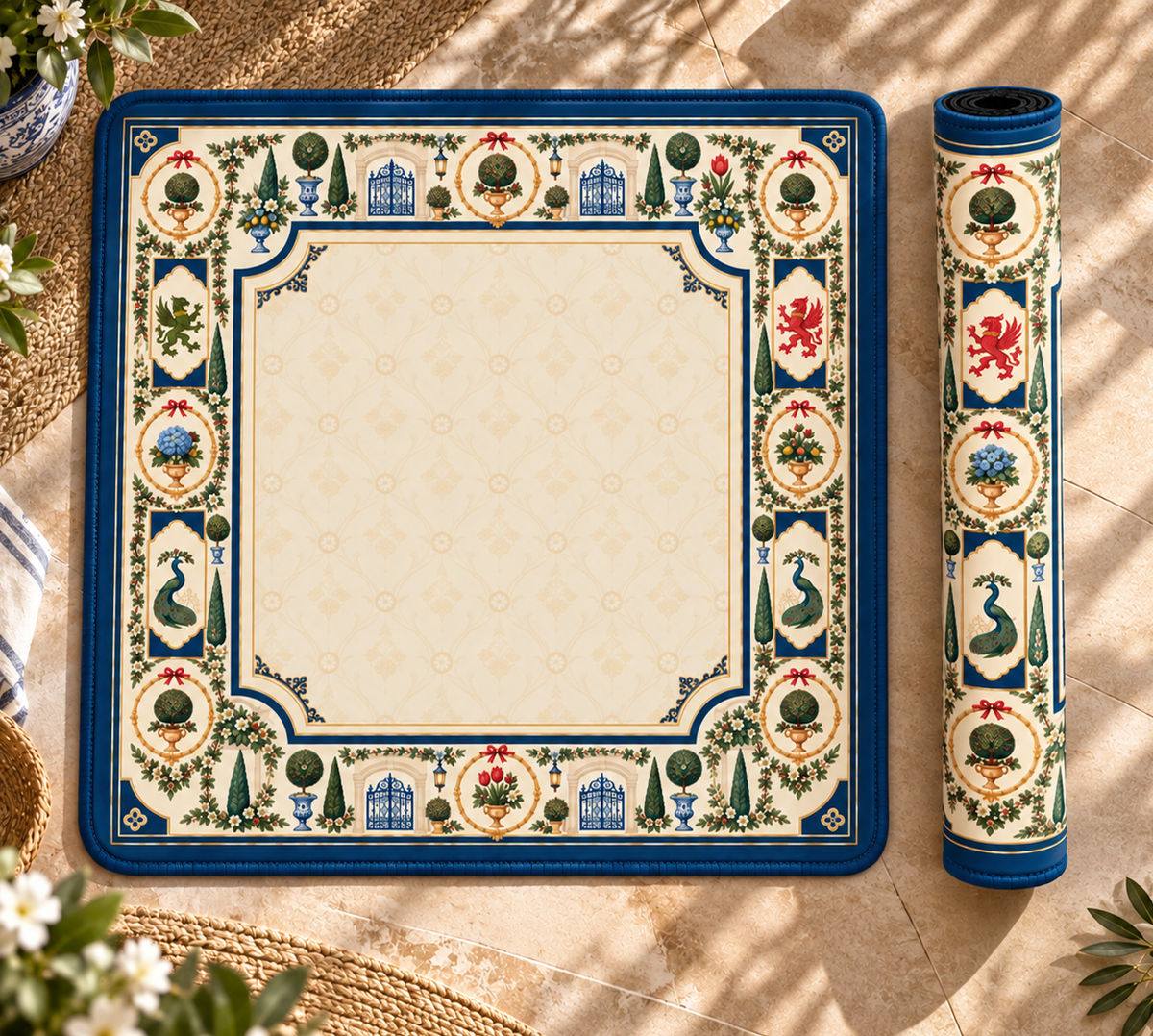
The mat is your functional anchor—it defines play space, protects the table, and silences tile noise. A good mat is 27–36 inches square, made of felt or rubber-backed fabric, and printed with clear tile racks and discard zones. Without it, tiles slide, drinks spill onto wood, and your table looks chaotic. Décor—linens, centerpieces, place cards—comes around the mat, never on it. We've hosted hundreds of brunches; the moment you skip the mat to "save space," someone knocks over a scoring cup or a Dot falls under a chair. A mat is not optional.
How do you balance food and gameplay?
Food stations belong at the perimeter of the table, not in the center. Set up a small side table or the corner of your dining table with pastries, fruit, and spreads. Keep beverages in labeled spot zones—one cup per player, positioned behind their tile rack. Use coasters religiously; one coffee ring on an acrylic tile is permanent. Coffee and pastries happen between hands, not during play. If you're serving brunch continuously, designate a 10-minute snack break every 45 minutes. This rhythm lets players nibble, chat, and reset without pausing mid-hand. We've found that players actually enjoy the structure—it's more social than constant grazing.
What's the best way to set up the actual tile play area?
Place your mat in the center of the table. Position the 160-tile acrylic set so the wall of tiles faces outward on all four sides. Distribute racks with pushers in front of each player—one per seat—so tiles sit upright and can't tip into the mat. The East player sits at the South position (mat's bottom). Deal the first hand, then conduct the Charleston before drawing. Keep scorecards and the current year's National Mah Jongg League card just outside the mat, so players can reference hands without leaning over tiles. A small pencil tray near the scorekeeper keeps everything handy. The play area should feel calm and defined—never crowded.
How do you style a brunch mahjong table without cluttering it?
Think borders and accents, not centerpieces. Place cloth napkins (linen in pastels or prints that echo your tile colors) at each player's seat, just outside the mat. Add a small vase with eucalyptus or dried florals at one corner of the room—never the table. Use a tablecloth under the mat (a simple linen in cream or neutral tone) to frame the play zone. Name cards for players can sit at their place settings before the mat. Scoring pads and a pen holder live to one side. If your tiles are engraved or feature a fun design—like themed mahjong sets—let them be the visual anchor. The tiles themselves are beautiful; don't compete with them.
Element | Placement | Why It Works |
Mat (27–36") | Center of table | Defines play zone; protects furniture |
Food table | Separate small table, arm's length away | Prevents spills on tiles; keeps play clean |
Beverages | Cup zones behind each rack | Within reach; out of tile path |
Placemats | Under racks, outside mat | Defines each player's seat; absorbs drips |
Flowers/décor | Room corners or sideboard | Visible; never blocks view or gameplay |
Scorecards | Scorekeeper's seat, just outside mat | Accessible; not cluttering play area |
🎁 See our most-loved mahjong sets & accessories →

What equipment do you actually need for four-player brunch mahjong?
One American mahjong set (152 tiles + 8 jokers). One mat. Four racks with pushers. Scorecards and a pen. The National Mah Jongg League card for the current year. Optional: a travel bag or case if you're bringing your own set to a friend's house. Dice (included in most sets) if your group uses them for dealing rotation. We recommend starting with a best-selling set—acrylic tiles are durable, easy to clean, and look elegant. If you're buying for a group gift or recurring event, engraved sets add personality and last for years. Once you have these items, you can host anytime. The investment is modest, and a quality set pays for itself in six brunches.
What's the most common tablescape mistake?
Overcrowding. Players sit too close together, racks touch, food creeps onto the mat, and someone's sleeve catches a tile mid-hand. Solution: use a round table (48–54 inches diameter) or a rectangular table (60+ inches) for four players. Measure your mat before the first brunch. If the mat is 30 inches square and your table is 36 inches, you have only 3 inches of buffer per side—too tight. A 48-inch round table gives you 9 inches per side; plenty of room for drinks, napkins, and arm movement. The second mistake: poor lighting. Dim brunch light makes tiles hard to read. Use task lighting (a small lamp or open windows) on the mat area. Your guests will play faster, make fewer mistakes, and actually enjoy reading the card. When setting up, ask yourself: Can four people comfortably reach their racks, snack, and sip without touching tiles? If not, expand or remove elements.
✨ Find your Mahstead set — free US shipping →
What to check before you buy
Table size: Measure your table. You need at least 36 inches per side after the mat is centered (48-inch round minimum).
Mat dimensions: A 30-inch mat works for tight tables; 36 inches is standard for comfort.
Tile visibility: Are your set's numbers and suits clear to read from a distance? Acrylic sets are typically crisp; check product photos.
Rack height: Make sure racks hold tiles upright and stable. Low-quality racks tip or let tiles slide.
Set completeness: Confirm your set includes all 152 tiles, 8 jokers, racks, pushers, and a storage bag. Mahstead sets ship complete.
Cleaning: Acrylic tiles wipe clean with a soft cloth. Avoid harsh chemicals. Test on one tile first if you're unsure.

FAQ
Can I use a regular tablecloth instead of a mahjong mat?
No. A tablecloth doesn't define the discard zone, allows tiles to slide, and offers no protection. A mat is essential for playability and table care. It's the first investment.
What size mat do I need for a round table?
A 30-inch mat works on a 36-inch table (tight but playable). A 36-inch mat on a 48-inch table is ideal—plenty of buffer for food, drinks, and arm room.
Can I play brunch mahjong with fewer than four people?
Yes. Two and three-player rules exist, though fewer players change hand complexity and speed. Most brunch groups are four.
Should I get an engraved set or a classic design?
Engraved sets (with custom tiles or themed designs) last longer, look beautiful, and make great group gifts. Classic designs work equally well. Choose based on your group's personality and budget.
How do I keep tiles clean during a brunch?
Use coasters for all drinks. Have a soft microfiber cloth nearby. Wipe spills immediately. Never use paper towels or hot water on acrylic tiles—they scratch and can cloud the finish.
Can I host brunch mahjong outdoors?
Outdoors works if you have a sturdy table, shade to reduce glare, and windbreaks (wind scatters tiles). Avoid grass or uneven surfaces; tiles need a flat, stable base. A mat is even more critical outdoors.


View More
View More
View More
