
Mahjong Online Tournaments: How to Play, What You Need
Last updated: Nov 23, 2026
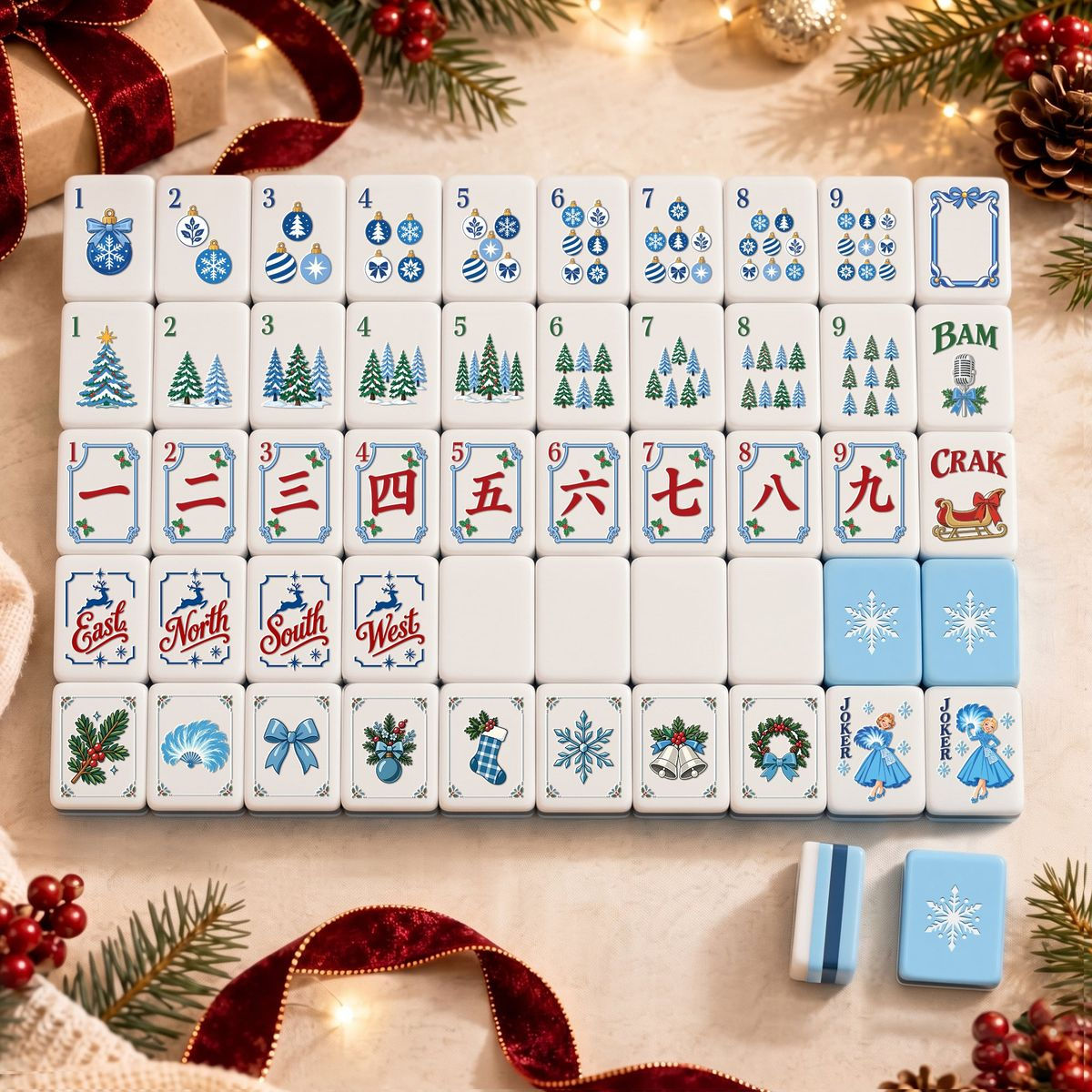
Online mahjong tournaments happen on dedicated platforms (Mahjong Time, Akagi Online, National Mah Jongg League virtual events) where players compete in real-time or turn-based games over weeks or months. American mahjong tournaments follow the official League card released each spring and use hand scoring rules standardized across regions; Chinese and Riichi tournaments use their own scoring systems. Most online events charge no entry fee or require a small registration amount to cover hosting; some award prizes to top finishers. A typical tournament runs 2–8 weeks with players completing matches on their own schedule. To compete successfully, you need rules fluency (learn your variant inside out), consistent tile recognition on screen, and the discipline to play the same hands hundreds of times until strategy becomes automatic. Mahstead players often practice on these platforms before joining live table tournaments.
Online mahjong tournaments let you compete against players worldwide without leaving your kitchen. Whether you play American, Chinese, or Riichi variants, here's how to find tournaments, understand the format, and keep your skills sharp.
What platforms actually host mahjong tournaments?
Three main ecosystems dominate online mahjong: the National Mah Jongg League runs official American tournaments (register via their website); Mahjong Time hosts casual and ranked American and Chinese games worldwide; Akagi Online specializes in Riichi (Japanese mahjong) with monthly and seasonal tournaments. Each platform charges differently—some free, some subscription-based. Before joining, check whether your preferred variant is played there and test the interface. Many serious players maintain accounts on two or three platforms to find regular competition. The learning curve for each platform varies; spend an evening clicking through before your first tournament.

How do hand rankings differ between American and other online variants?
American mahjong only recognizes hands on the current year's National Mah Jongg League card (issued every spring); you must match exactly and cannot invent hands. Exposure rules allow only pungs (three identical tiles), kongs (four identical), and longer melds—no sequences (chows) of 1-2-3—and jokers cannot be used in a single tile or a pair. Chinese and Hong Kong mahjong use entirely different hand rankings and scoring multipliers, often allowing sequences and self-drawn winning conditions. Riichi (Japanese) mahjong emphasizes melds, a seven-point minimum, and a strict hierarchy of hands worth different scoring levels. Before entering a tournament, read the house rules posted on the platform; one rule difference changes every decision. This is why tournament play on unfamiliar variants feels disorienting until you've played 20–30 hands.
What's the real time commitment for an online tournament?
A round-robin tournament typically lasts 3–8 weeks with each player completing 16–32 matches. Turn-based play (you have 24 hours per move) lets you spread sessions across evenings or weekends; real-time events demand 1–3 hours per session on set dates. Many players manage one or two concurrent tournaments alongside casual play. If you work a full-time job, start with a turn-based American tournament (lower pace, fewer simultaneous matches) rather than a Riichi blitz event. Track your match schedule when you register; missing one deadline can void your standing. Successful tournament players budget 5–10 hours per week during tournament season.
How does hand strategy change when you play dozens of hands per week?
In home games, you play 8–12 hands per session and rarely see the same hand twice. Online tournaments compress hundreds of hands into weeks, so you face identical hands repeatedly against different opponents. This forces you to recognize which tiles your competitors discard most often (building a mental profile) and adjust your strategy accordingly. In American mahjong, knowing whether an opponent chases Quints or Pairs shapes which honors you hold onto; in Chinese games, position relative to the dealer becomes predictable after 30 hands. Advanced players keep simple notes (one line per opponent) about their discard patterns. Consistency beats brilliance—play the same solid strategy every time rather than reinventing it hand by hand. This is where online play teaches something no single live game can: pattern recognition at scale.
What equipment helps you perform better online?
A second monitor or large tablet displaying how to read the mahjong card guide reference speeds up hand lookup by 50%; professional players do this automatically. A mouse with programmable buttons (set one to "pass" or "claim") cuts decision time. Most importantly, use a quiet keyboard—voice calls with opponents are common in tournament lobbies, and mechanical clicks distract both players. Sit at a desk with good lighting to avoid eyestrain during 2-hour sessions. Have water nearby; dehydration kills focus by hour three. The platform itself matters less than your setup: a slow internet connection or a wobbly chair will cost you ranking points far more often than a platform's interface will. Test your setup during casual play first, then compete.
Factor | Home Game | Online Tournament | Why It Matters |
Hand repetition | 8–12 unique hands/session | 40–80 hands/week, repeats | Builds predictive skill |
Decision time | 30–60 seconds (social) | 5–10 seconds (ranked) | Online demands speed |
Opponent consistency | Same group weekly | 30+ different players | Requires note-taking |
Tile learning curve | Table + memory | Screen recognition | Eyes fatigue faster |
Rule variation | Local house rules | Published platform rules | No "house" flexibility |
🀄 Shop best-selling mahjong sets →

How do you prepare for your first tournament?
Start by playing 20 casual matches on the platform you'll use for the tournament. This teaches you the interface, tile colors, and button locations while low stakes. Join the platform's forum or Discord; post a message like "First-time American tournament player—looking for practice partners." Experienced players often play friendly matches with newcomers off-the-record. Study the mahjong scoring guide for your variant; understand what each hand is worth and why. For American mahjong, memorize one section of the card (e.g., all Like Number hands) per week until the entire card is familiar by memory. Set a personal goal—e.g., "win 50% of matches"—rather than "place top 10"; this keeps you focused on decision-making instead of ranking stress. Record one match (with opponent permission) and review your discards 24 hours later; you'll spot two or three repeated mistakes that cost you points. By tournament start, you should have played 50+ matches on that platform and know its exact rules verbatim.
🎁 See our most-loved mahjong sets & accessories →
What mistakes do first-time competitors make?
Playing too fast. New players rush decisions to "stay competitive," then misread the card and miss a hand. Slow down. You have 10 seconds per move; use 8 of them.
Forgetting the platform's exact rules. Every site has fine print about quint exposure timing, joker limits, or dead walls. Read it twice before match one.
Not tracking opponents. After three matches against the same player, you've learned nothing about their style. Take one note per opponent per session.
Mixing variants. Switching between American and Chinese mahjong in the same week destroys muscle memory. Pick one for tournament season.
Tilting after a loss. A single bad hand costs 8 points. Eighteen hands later, that same loss means nothing. Walk away after two bad matches, return tomorrow.
Neglecting the Charleston rules (American only). Platforms auto-draw, but understanding how tiles reach initial hands builds deeper card sense.
How do scores and rankings actually work?
Most platforms use one of two systems: Cumulative match points (win = +1, loss = 0, draws = +0.5), where 50+ matches determines ranking; or ELO-style ratings, where your rating adjusts based on opponent strength (beating a top player gains more points). American tournaments typically use cumulative; Riichi often uses rating systems. At tournament end, the player with the most match wins places first; tiebreakers usually favor head-to-head record against tied players. Scoring within a single hand (5 points vs. 10 points) doesn't affect ranking—only match wins. This is crucial: in American mahjong tournaments, a 5-point win and a 20-point win count identically in standings. Your goal is consistency (winning 55% of hands) rather than maximizing single-hand scores. Scores matter only for prize pools in some tournaments; most competitive players care only about placement.
What to check before you buy in to a tournament
Verify the variant. American, Chinese, Hong Kong, Riichi, and Taiwanese mahjong are not interchangeable. One tournament plays American only; the next runs Chinese mixed with Hong Kong.
Confirm entry cost and prize structure. Some tournaments are free; others require a small registration fee. Check whether prize pools exist before entering a "friendly" event that turns competitive.
Test the platform interface on mobile and desktop. If you might play from your phone during lunch, ensure the app displays the card clearly and doesn't lag.
Read the time zone requirements. If matches happen at 6 p.m. Beijing time and you're in Los Angeles, you'll be playing at 3 a.m.—on purpose.
Check the opponent skill filter. Beginners compete against beginners on most platforms; verify whether you're in the right bracket before joining a "Master" division.
✨ Find your Mahstead set — free US shipping →
Once you're tournament-ready, you'll develop skills that only online play teaches: rapid tile recognition, opponent profiling at scale, and the mental stamina to make sound decisions in 50 consecutive matches. These strengths transfer directly back to your home game; teammates will notice your tile retention and strategic sharpness within two weeks. The best online tournament players we know started exactly where you are—nervous about the first match, unsure of the interface, worried they weren't good enough. They played 30 casual matches, entered a tournament, and discovered they were more prepared than they thought.
For those preparing for tournaments or returning to regular play, a best-selling engraved set with crisp tile contrast makes studying the card faster; the acrylic tiles are durable through 100+ hands and won't fade under desk lamps during practice marathons. Your home table stays sharp while your online skills sharpen.

FAQ
Can I play American mahjong tournaments on platforms that also offer Chinese mahjong?
Yes—Mahjong Time hosts both variants in separate tournaments. Always verify which variant you're entering before registering; one rule difference voids your entire strategy.
How long does a typical online tournament take from start to finish?
Turn-based tournaments run 4–8 weeks with 16–32 matches per player (1–3 per week if you spread them). Real-time tournaments compress to 2–4 weeks with multiple matches per session.
Do I need special software or can I play in a web browser?
Most platforms offer both browser and downloadable apps. Browser play works fine for casual tournaments; serious players download the app for faster tile loading and fewer lag moments.
What happens if I miss a deadline in a tournament match?
Platform rules vary: some auto-pass your turn after 24 hours; others remove you from the tournament standing entirely. Check the rules before registration.
Is it worth paying an entry fee for a tournament versus free casual play?
Paid tournaments attract more consistent players and often enforce stricter rule adherence. Free tournaments have wider skill ranges. Beginners should start free and move to small-fee tournaments ($5–15 range) after 50 casual matches.
How do I prevent eyestrain when playing online for 2–3 hours?
Use the 20-20-20 rule: every 20 minutes, look 20 feet away for 20 seconds. Adjust your monitor to arm's length, use blue-light filter glasses, and avoid playing in dim lighting.


View More
View More
View More
