
Best Mahjong Case: Compare Styles, Protection & Travel Needs
Last updated: Nov 23, 2026
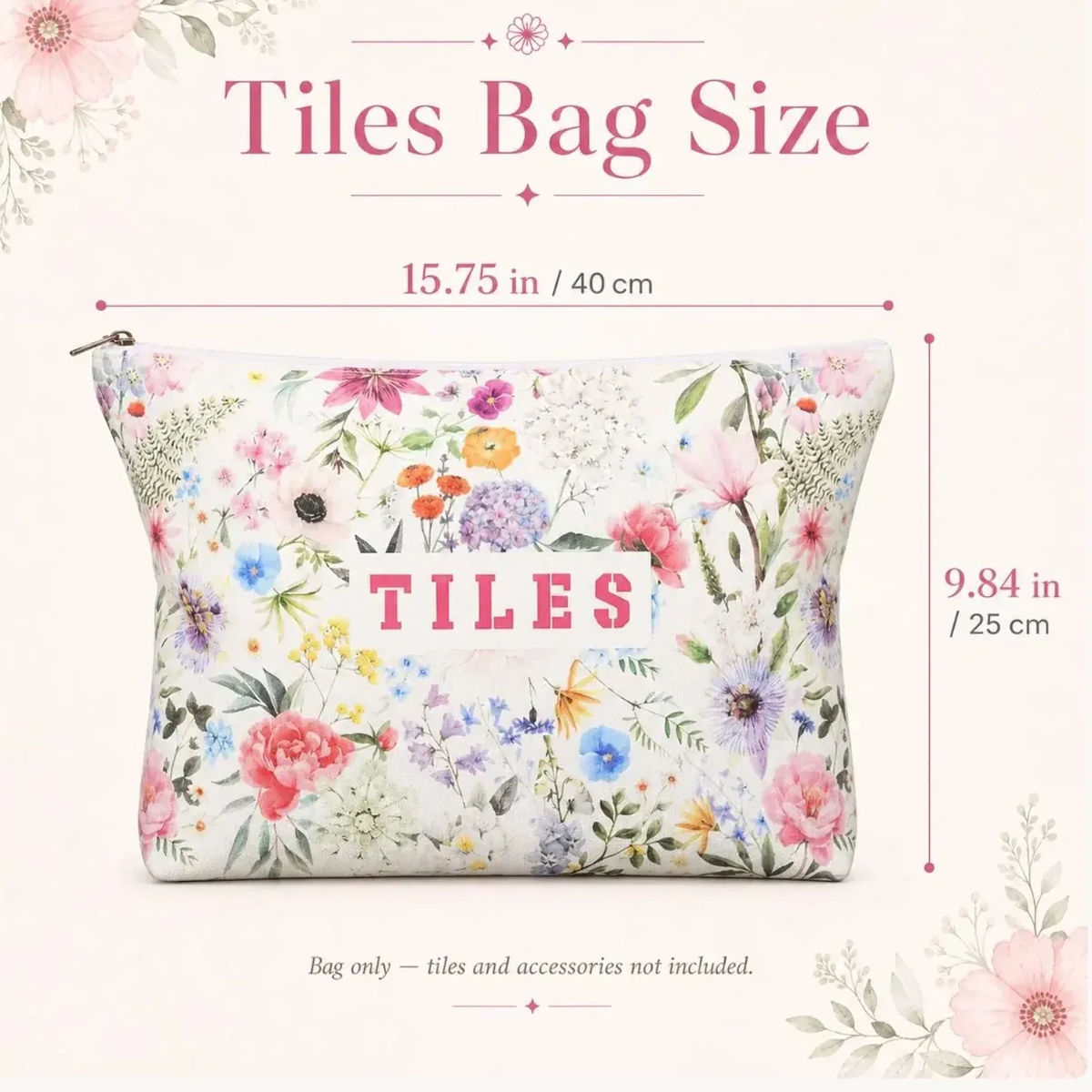
A mahjong case is a protective container designed to store and transport a 160-tile acrylic American mahjong set, usually with compartments for tiles, racks, pushers, dice, and the season's card. Cases range from soft fabric bags (lightweight, affordable, portable) to rigid hard cases (maximum protection, heavier) and are sold as part of our complete travel collection. Choice depends on whether you're carrying your set to a weekly game in your car, flying with it, storing it at home, or leaving it on a dedicated table. A soft bag costs less and packs flat; a hard case weighs more but shields tiles from drops and pressure. Before ordering, confirm your set size (160 tiles fit standard cases), check the interior dimensions against your rack width, and verify zippers and handles match your travel frequency. Mahstead designs cases that fit acrylic sets snugly without forcing tiles.
A good mahjong case protects your tiles and keeps your set organized between games. We'll walk you through the main options so you pick the right one for how you play.
What's the difference between a soft bag and a hard case?
Soft bags use padded fabric (often neoprene or canvas-like material) with zippered pockets; they weigh 1–3 pounds and fold or roll when empty. Hard cases have rigid plastic or composite shells, internal foam, and latches or clasps; they weigh 4–8 pounds and maintain shape. Soft bags suit weekly car trips and home storage; hard cases protect tiles during airline travel, rough handling, or tournament circuits. Soft bags cost less and take up less closet space. Hard cases cost more but absorb impacts that would crack acrylic tiles. If you're driving five minutes to a friend's house every Friday, a soft bag works fine. If you're flying to a mahjong retreat or storing a prized engraved set long-term, a hard case is worth the investment.

How do you know a case fits your set?
Interior dimensions are everything. Your 160-tile set needs roughly 9 × 5 × 5 inches for the tile stack alone, plus space for a rack with pushers, card holder, and dice. Measure your widest component (usually the rack at its widest depth) and compare it to the case's internal width. Most standard cases fit racks up to 8–9 inches wide. Check whether the case has removable dividers or compartments: rigid ones keep tiles from sliding; loose compartments let tiles shift during travel. Look for a pocket sized for the season's card—it's awkward to carry separately. If you own a custom mat, a case may not hold it (mats roll or fold separately). Before ordering, take a photo of your set's dimensions or call with your rack model—mismatched cases arrive unused.
Soft bag or hard case—which saves money in the long run?
A soft bag typically costs less upfront but may need replacement after 2–4 years of weekly use (zippers wear, fabric tears, padding compresses). A hard case costs more initially but lasts 10+ years if zippers stay intact and latches don't crack. Over a decade of weekly play, one hard case costs less per year than three soft bags. However, if you play casually once a month or use your set only at home, a soft bag is practical and cheaper. The tipping point: play weekly or travel monthly = hard case; monthly social games or home-only storage = soft bag. Hard cases also hold resale value if you later sell your set; soft bags do not. If your set is a best-selling design you love and may keep forever, hard-case protection pays off.
🀄 Shop best-selling mahjong sets →

What features prevent tiles from getting damaged in transit?
The best cases combine three layers: outer protection (rigid shell or thick fabric), interior padding (foam, felt, or velvet), and tile compartments (dividers that prevent shifting). Tiles crack most often when a case rolls on a floor, a car door slams into it, or racks press against them. Look for cases with:
Reinforced corners – absorb impact without transmitting shock to tiles
Soft interior lining – acrylic scratches easily against hard plastic
Individual tile wells or slots – keep tiles from banging together
Drawstring or elastic cord – cinches the case shut so racks don't slide
Handles or shoulder strap – keeps hands secure during transport
Racks with pushers are heavier than tiles and cause the most damage; make sure the case has a separate, padded section for them. If a case lists "acrylic-friendly" or "felt-lined," it's designed to prevent scratches. Soft bags with thick padding outperform thin ones—look for 1/4-inch-plus foam. Hard cases with removable foam inserts let you customize protection around your specific rack style.
Which case is best for different ways you play?
Your play style | Best case type | Why it works |
Weekly home game (same location) | Soft bag or no case | Minimal transport; tiles stay safe on one table |
Weekly games at 3–4 different homes | Soft bag with padding | Car trips, familiar hands, lightweight |
Monthly tournament or away weekend | Hard case | Airline luggage, unknown handling, maximum peace of mind |
Mahjong club (shared set storage) | Soft bag | Compact, easy to store in a locker; multiple games |
Travel or snowbird lifestyle | Hard case + mat roll | Extended trips, temperature/humidity swings, frequent movement |
Gift or rarely-played set | Soft bag | Looks nice, protects casual use, easy to store in closet |
The right case matches your schedule. If you've never traveled with your set before, rent or borrow a case for one trip to learn what annoys you (too heavy, too big, poor organization). Then upgrade with confidence.
✨ Browse mahjong bags and cases →
What should you check before you buy?
Before ordering a case, verify:
Set size: Your acrylic set is 160 tiles. Standard cases hold this. Confirm the case lists "160-tile" or "American mahjong" capacity.
Rack width: Measure your rack at its widest point (front-to-back or side-to-side). Case interior must be at least 1 inch wider than your rack to avoid forcing it.
Tile stack height: Acrylic tiles stack roughly 2.5–3 inches. Make sure the case has at least 4 inches of vertical space.
Compartment count: You need slots for tiles, racks, pushers, dice, and the card. More compartments = better organization but heavier case.
Handle and strap: If you carry the case by hand weekly, check handle stitching (seams split on cheap bags). For long travel, a shoulder strap distributes weight.
Zippers or latches: Zippers fail when forced; latches snap if over-tightened. Cheaper cases have thin zippers; better ones use metal or reinforced plastic.
Warranty or return policy: Most cases cannot be returned if opened. Know the seller's policy before purchase.
Weight: Soft bags weigh 1–3 pounds empty; hard cases 4–8 pounds. Add 8–10 pounds for your set. Can you comfortably carry 12–18 pounds weekly?
Mahstead's cases are engineered to fit 160-tile acrylic sets without forcing tiles or racks. Check the product page for interior dimensions, material (neoprene, canvas, plastic shell), and compartment layout before adding to cart.
🎁 Explore our mahjong cases and accessories →

FAQ
Can I fit a mahjong mat inside a case?
Most mahjong cases don't accommodate mats because mats are rigid or semi-rigid rectangles (roughly 30 × 18 inches). You'll carry the mat separately or leave it on the table. Some hard cases have elastic straps on the exterior to strap a rolled mat—check the product details.
What's the best case for air travel?
A hard case with rigid walls and foam inserts. Luggage handlers drop bags; hard cases survive. Soft bags compress under luggage weight and offer less protection. Label your case "FRAGILE" or "GAME SET" and pack it in your carry-on if possible (check TSA rules for your airline).
How do I clean and maintain a mahjong case?
Wipe the exterior with a damp cloth and let air-dry. For soft bags, use mild soap on stains and avoid heat. Check zippers monthly for grit and slide them gently with a graphite pencil if they stick. For hard cases, wipe the interior foam annually and replace it if it deteriorates. Avoid storing cases in extreme heat or humidity (tiles and cases warp).
Do I need a case if I don't travel?
If your set lives on a dedicated table, a case isn't essential—dust cover or closet storage works. If you play in different rooms or move the set between players' homes, a soft bag keeps tiles organized and protected from dust and spills. Even light use benefits from a case.
What's the difference between a case and a bag?
"Case" usually means a rigid or semi-rigid container with structure (hard cases). "Bag" is soft, folds, and is more portable. Both protect tiles; bags prioritize convenience and space, cases prioritize durability and shock absorption. For this article, we use "case" broadly to mean both.
Can I use a case meant for another game or tool?
Not reliably. A toolbox or camera case won't have dividers sized for tiles or racks, and you risk tiles sliding and cracking. Jewelry or watch cases are too small. A mahjong-specific case has compartments designed for tile stacks and rack height. Use the right tool for the job.


View More
View More
View More
