
How to Host a Bachelorette Mahjong Party: Complete Guide
Last updated: Nov 23, 2026
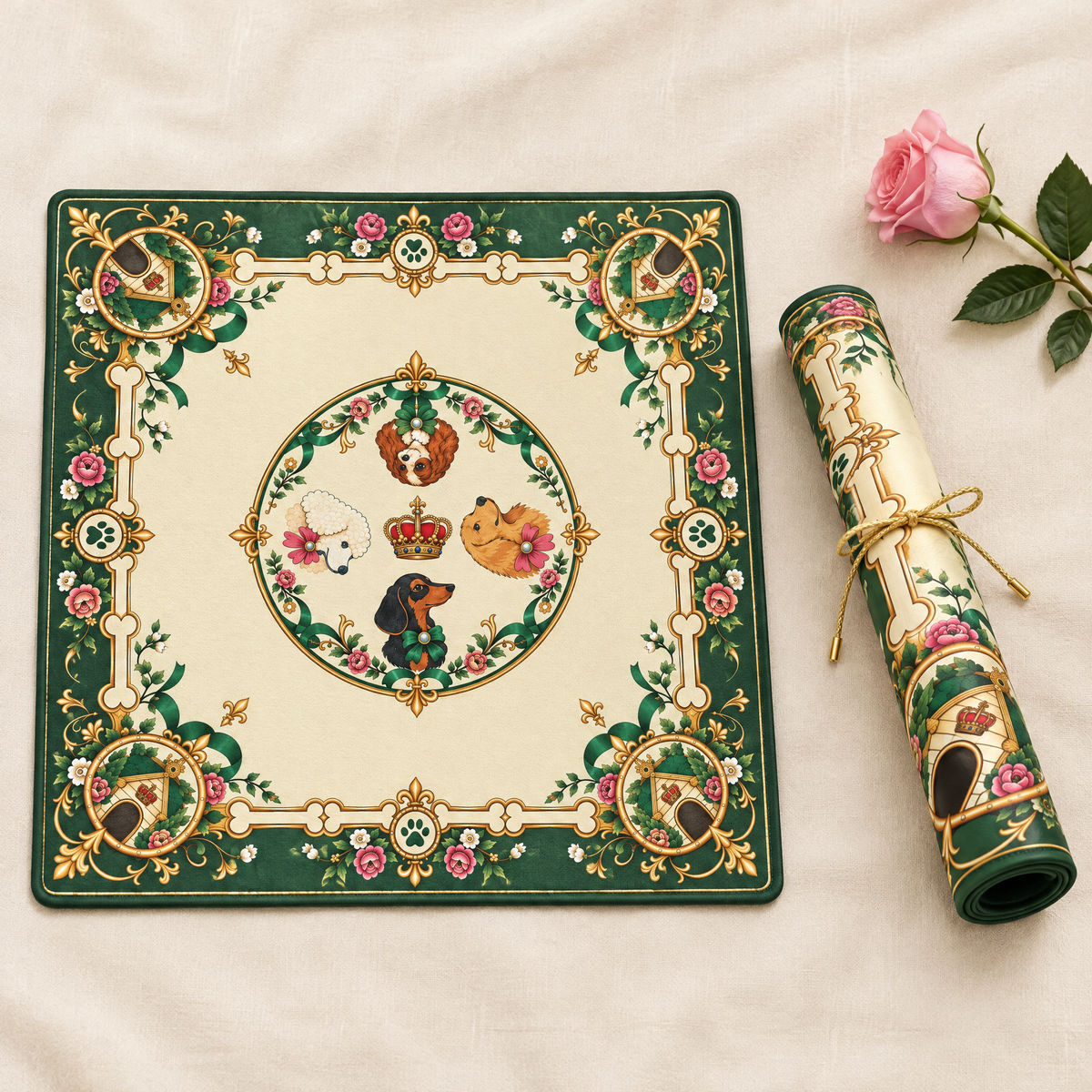
A bachelorette mahjong party is a four-player American mahjong game hosted in honor of the bride, typically lasting 2–4 hours. You'll need one 152-tile set (or backup spares), a mat or table space, and snacks. Invite four players—including or excluding the bride depending on your preference—seat them at a table with the bride in the East position (dealer) for first game, and follow the standard American mahjong rules: draw and discard tiles, form sets (pungs, kongs, quints, or sextets), and match your hand to the current year's National Mah Jongg League card. Keep scorecards handy, rotate dealer position each round, and plan two to four hours. Our best-selling mahjong sets come with all tiles, jokers, and instructions; pair with a mat and racks to keep tiles visible and organized. Avoid unclear tile markings, missing jokers, or seats too cramped—these kill momentum and invite rule disputes.
How many people should you invite to a bachelorette mahjong party?
The American mahjong game is designed for exactly four players—no more, no fewer. Invite the bride and three close friends, or four friends and play as spectators rotating in if you prefer the bride to watch early rounds. Decide beforehand whether the bride plays the full night, sits out select hands, or plays only the final round. Having a fifth person ready to sub in if someone cancels keeps energy high and the game on schedule.
What's the easiest way to teach mahjong to beginners on game night?
Send invitations two weeks ahead with a simple five-minute explainer video or the basics: tiles are drawn and discarded, you form groups of three or four identical tiles, and you match your 14 tiles to a hand printed on the current year's card. Skip complex scoring at first—just declare a winner by who gets "mahjong" (a valid hand) first. Provide large-print scorecards at the table, keep the League card visible and easy to read, and pause to answer questions without penalty. Most new players grasp the flow within two hands.
🀄 Shop best-selling mahjong sets →
What should your bachelorette mahjong setup look like?
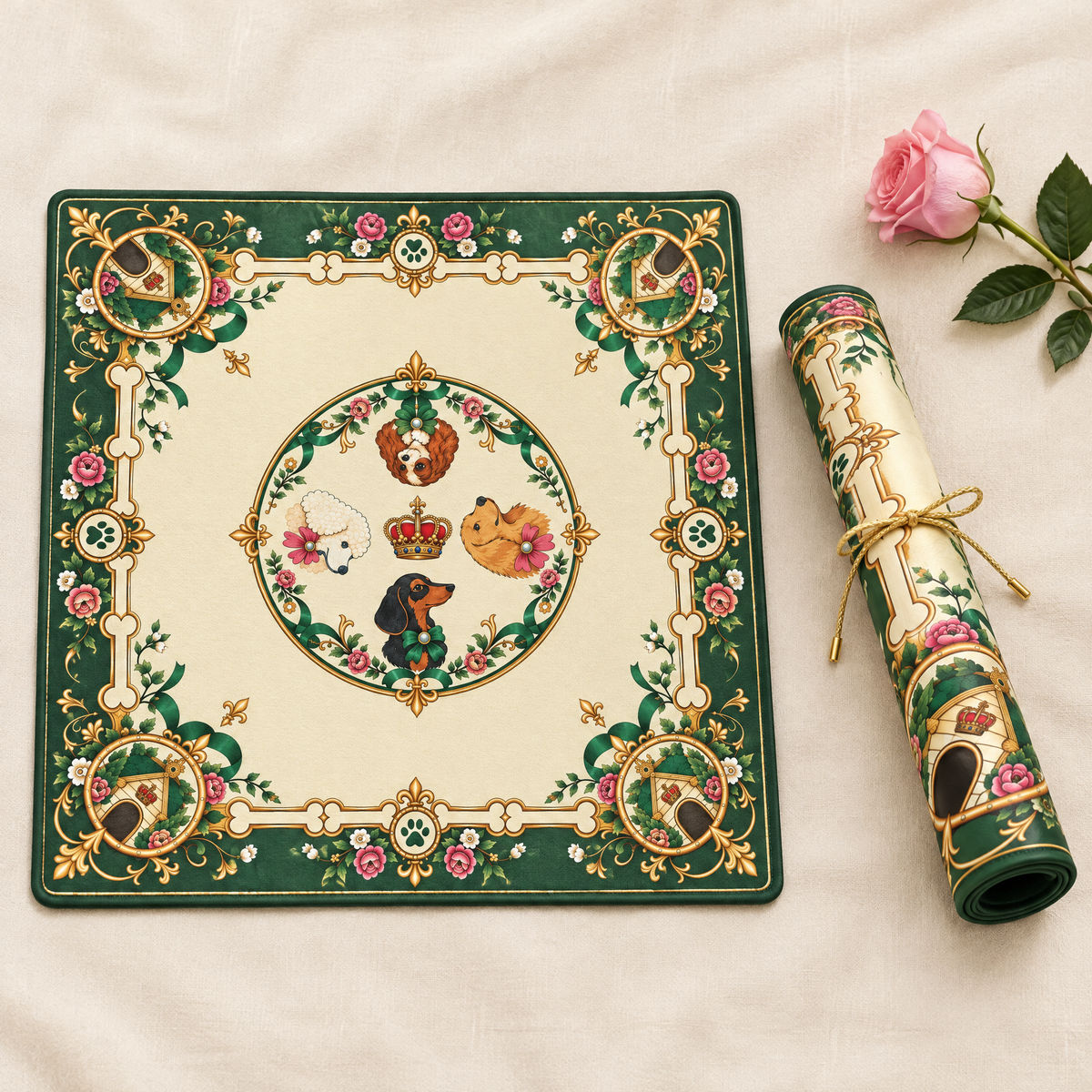
Set up one table large enough for four people to sit comfortably around it—card tables pushed together work fine. Place a mahjong mat in the center to define the play area and protect your surface. Arrange racks with pushers along each player's edge so tiles stand upright and tiles can be easily hidden from opponents' view. Put the current year's National Mah Jongg League card in the center or propped upright where all four players can see it without leaning. Position scorecards and pencils to the side, dice nearby for determining who deals first, and a small bowl or cloth for discarded tiles if you prefer (standard play uses a central discard pile).
Setup Element | Why It Matters | What Happens Without It |
Mahjong mat | Defines play zone, protects table, speeds tile retrieval | Tiles scatter, game feels chaotic, arguments about which tile was played |
Individual racks | Keeps your hand hidden from three opponents | Everyone sees your tiles, strategy collapses, tension drops |
Visible mahjong card | All players consult the same valid hands | Confusion, slower hand checking, disputes over legality |
Scorecard setup | Clear tracking of points per round | Arguments about who won, lost momentum, replaying rounds |
Comfortable seating | Four people can play 2–4 hours without backache | Guests leave early, party energy fades |
How do you run the game smoothly from start to finish?
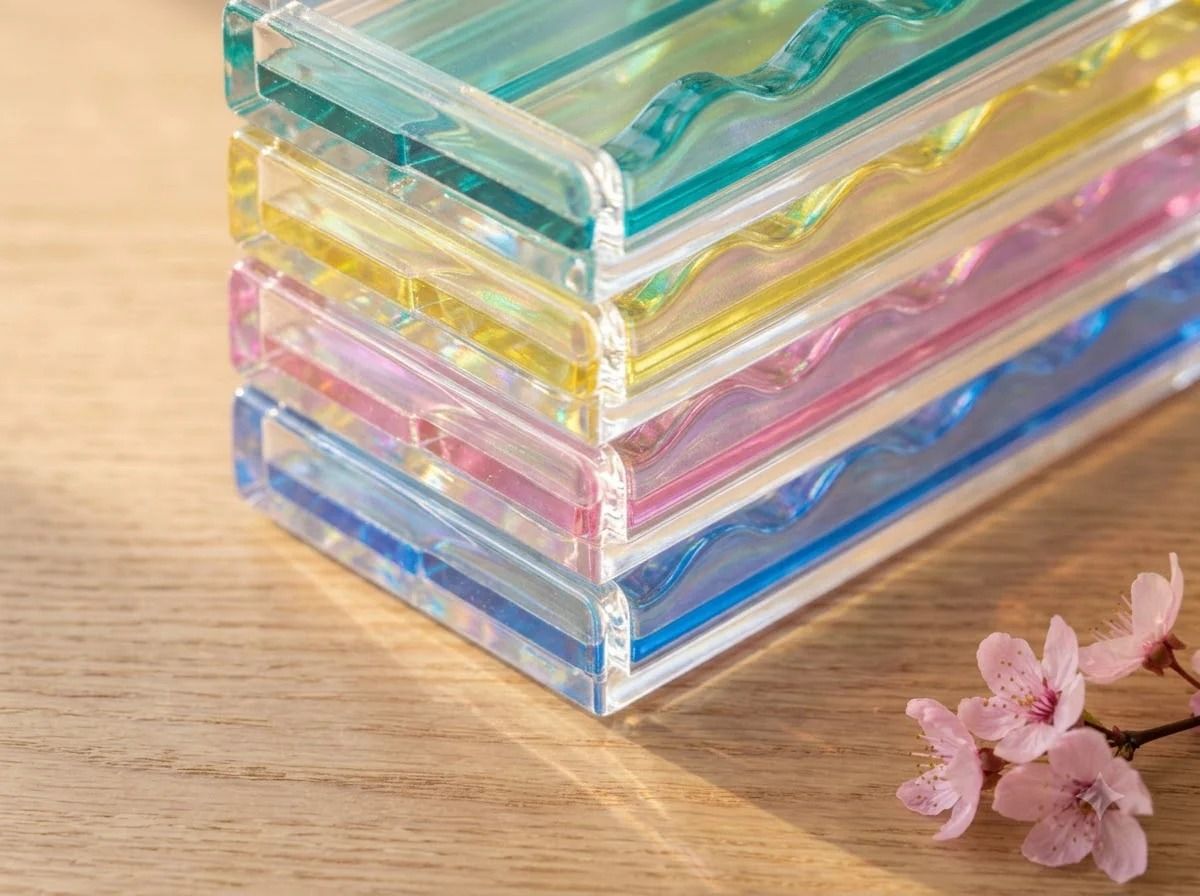
Seat players at the cardinal positions: East (dealer), South, West, North. The East player goes first and is responsible for initiating the draw. Begin each round by performing the Charleston—a three-pass tile exchange that randomizes the hand before play—then each player draws and discards in turn (East draws 14 tiles, then discards one; South draws that discard or takes from the wall, discards, and so on). Players may call and expose a pung (three identical tiles), kong (four identical), quint (five), or sextet (six) on their turn; all other plays remain concealed. When someone completes a valid 14-tile hand matching the card, they declare "mahjong," stop, and reveal. Score that round, rotate the dealer position clockwise (South becomes East next hand), and reset tiles into the wall. Keep play to 30–45 seconds per turn to maintain tempo.
🎁 See our most-loved mahjong sets & accessories →
What décor and snacks fit a bachelorette mahjong theme?
Skip kitsch and lean into nostalgia: cream, gold, or jade accents tie to the game's Asian heritage without feeling costume-y. Place small bowls of salted nuts, chocolate, and candied ginger at the corners of the table—snacks that don't require two hands and won't damage tiles. A pitcher of wine, champagne, or mocktails served in glasses (not open cups near tiles) keeps the celebration feel without slowing the game. Add a short playlist of upbeat instrumental or light pop in the background to fill silence but not distract from play. Consider name cards at each seat—especially fun if you're running a mini tournament—and a centerpiece that doesn't obstruct sightlines (low flowers, a small candle, or a framed photo of the bride).
What if tiles break or someone forgets the rules mid-game?
Keep a backup set nearby. Our 160-tile sets include spare tiles for exactly this reason—if a tile cracks or a joker goes missing, you have replacements without halting play. For rule disputes, refer to the National Mah Jongg League card: if a hand doesn't match any printed pattern, it's not legal, and play passes to the next player. If you're unsure whether a call (pung, kong, quint, sextet) is valid, check that all tiles are identical and that the player claimed them correctly before moving on. Print a one-page rules cheat sheet and tape it to the table leg—new players will peek without shame, and you'll avoid repeated explanations.
What to check before you buy:
Tile clarity: Markings must be sharp, large, and easy to read from arm's length (poor printing kills beginner confidence).
Joker count: Verify your set includes all eight jokers; if one is lost, play stops (spares save you).
Mat fit: Measure your table—a mat that's too small or too large throws off balance and makes tile groups hard to see.
Rack durability: Plastic or bamboo racks should hold 14 tiles firmly without tiles toppling during play.
Storage: Plan where you'll keep the set between parties; bags and cases protect tiles from dust and breakage during storage.
✨ Find your Mahstead set — free US shipping →
A quick comparison: set types for a bachelorette party
Set Style | Best For | Why Choose It |
Photo-worthy keepsake; bride will treasure it | Guests see the bride's name every game; becomes a memory object | |
Classic acrylic (unlabeled) | Budget-conscious hosts or frequent players | Lower investment, plays identically, stores easily |
Novelty or humorous designs | Fun, casual vibe; second or third party set | Breaks tension, guests laugh, sets a lighter mood |
Each plays the same way—the style is purely about occasion and memory.

FAQ
Can you play mahjong with fewer than four people?
American mahjong is designed for exactly four players. Modified three-player and two-player variants exist but require rule adjustments and play differently. For a bachelorette party, stick to four if possible.
Do guests need to know how to play before they arrive?
No. Send a brief beginner overview two weeks ahead, keep the League card visible, and pause early rounds to answer questions. Most players grasp the core flow within two hands without prior experience.
How long does a full bachelorette mahjong party take?
Plan 2–4 hours: roughly 15 minutes to explain rules, 5 minutes per hand to play, and 10 minutes for snacks and socializing between rounds. Four to six hands per hour is typical for mixed-skill groups.
What's the Charleston and why do it at the start of every hand?
The Charleston is a three-pass exchange where players swap tiles before play begins, randomizing hands and ensuring the game stays unpredictable. Each player passes tiles right, then left, then across, then keeps three. It's mandatory in American mahjong and takes about 2–3 minutes per round.
Should the bride be East (dealer) in the first game?
Tradition says yes—the bride typically draws first, lending her symbolic authority to the party. Rotate the dealer position clockwise after each round so everyone gets a turn leading.
What if someone calls "mahjong" but the hand doesn't match the card?
Check the card together. If it's not a valid 14-tile pattern, the claim is void, play continues, and that player is marked "dead" (cannot win that round). The hand moves to the next player. Keep the card visible to avoid disputes.
Can you play mahjong for money or with prizes at a bachelorette party?
Check your local laws. In most US states, casual friendly games are legal; betting for cash at a party is often prohibited. Offer a trophy or bragging-rights scoreboard instead, or a small fun prize (like a bottle of wine or a candle) for the highest scorer by evening's end.
What's the most common beginner mistake?
Trying to form sequences (1-2-3 tiles in order). American mahjong has no sequences—only sets of three or four identical tiles (pungs, kongs, quints, or sextets). Beginners often confuse this with Chinese mahjong, which does allow sequences.


View More
View More
View More
