
Bakelite Mahjong Tiles: How to Choose & What to Know
Last updated: Nov 23, 2026
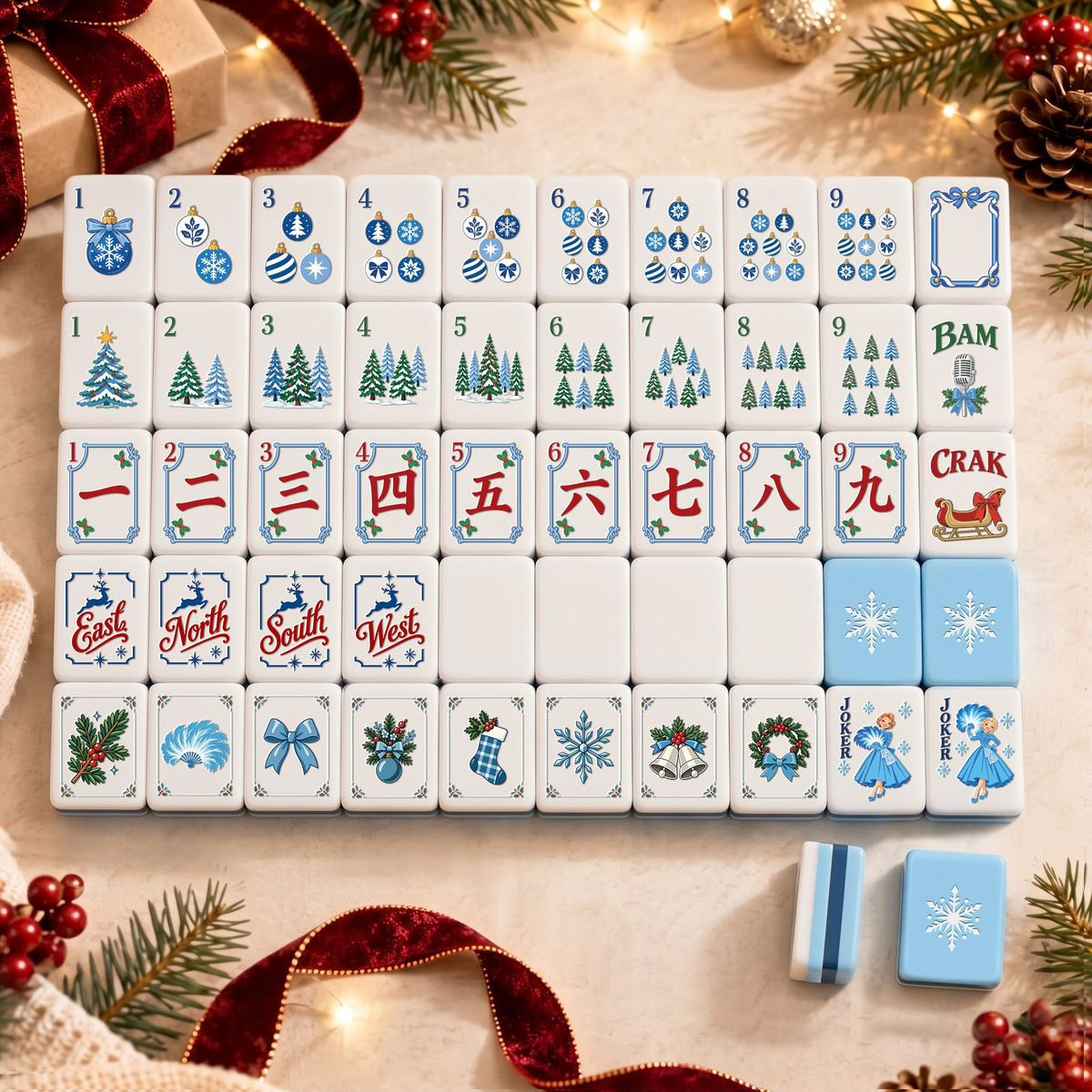
Bakelite is a thermoset plastic developed in the early 1900s that has remained the gold standard for mahjong tiles. It's harder and heavier than modern acrylic, feels warmer to the touch, and doesn't scratch as easily with regular play. American mahjong sets built with bakelite typically include 160 tiles (152 playing tiles plus spares), racks with pushers, a mat, and dice. Bakelite sets cost more upfront than acrylic equivalents because the material and manufacturing process are more labor-intensive, but many players find the investment worth it for longevity and the satisfying click of tiles during play. The main trade-off: bakelite tiles are heavier to transport and can yellow slightly over decades in sunlight. For weekly home games where the set stays in your living room, bakelite rewards consistency; for traveling or beginners testing the hobby, acrylic offers better value right now. Mahstead offers both bakelite-influenced designs and modern acrylic sets so you can compare feel and budget side by side. 🀄 Shop best-selling mahjong sets →
What makes bakelite different from acrylic tiles?
Bakelite and acrylic are both plastics, but they're made and behave differently. Bakelite is a thermoset—once heated and molded, it cannot be re-melted, making it permanently rigid and slightly more brittle but very stable. Acrylic is thermoplastic, so it can soften with heat and is more flexible, which makes it less likely to chip if dropped hard. Bakelite develops a warmer patina over years and feels substantial in the hand; acrylic stays glossy and lighter. In real play, bakelite tiles produce a lower, more resonant clack when stacked or drawn, while acrylic tiles sound higher and sharper. Both materials last decades with normal care. Choose bakelite if you value heft, warmth, and traditional feel; choose acrylic if you prioritize durability under rough handling and lower cost.

How do bakelite tiles handle wear and staining?
Bakelite resists surface scratches better than acrylic because of its density, but it's not immune to stains or discoloration. Tea, coffee, and ink from markers can absorb into the slightly porous surface and leave marks that rubbing alone won't remove. Hand oils over years create a subtle darkening, especially on lighter tiles. Acrylic is slicker, so liquid beads up rather than soaks in, making quick cleanup easier. To preserve bakelite tiles, store them in a cool, dry place away from direct sunlight (which causes yellowing), wipe them gently with a soft cloth after each game, and avoid prolonged contact with alcohol or acetone-based cleaners. Bakelite trades ease of cleaning for a richer, more character-filled appearance as it ages.
What's the real cost difference between bakelite and other materials?
A quality bakelite set typically costs more than an acrylic set of comparable completeness because bakelite tile production involves longer curing times and heavier freight. Both usually come with 160 tiles, racks, a mat, dice, and a travel case. Bakelite sets tend to be priced in the mid-to-premium range; acrylic sets are widely available at entry-to-mid pricing. The price difference isn't just material—it's also the manufacturing timeline and the expectation that bakelite players keep their sets for 20+ years. Our best-selling collection includes options across material types so you can compare. Factor in durability: bakelite costs more upfront but may outlast two or three acrylic sets, making the per-year cost comparable or lower.
🎁 See our most-loved mahjong sets & accessories →
Which tile design matters more than the material?
Tile design—the engraving style, color scheme, font, and symbol clarity—affects playability more than material does. You need clear, well-spaced numerals and suit symbols so you can read tiles at arm's length during the Charleston and when tiles are stacked in your rack. Engraved designs (where numbers and symbols are cut into the tile) are easier to read than printed designs because the grooves catch light. Face colors matter too: high-contrast sets (e.g., white tiles with black symbols) reduce eye strain; tinted tiles (e.g., cream or pale green) feel gentler over a long session but demand better lighting. Bakelite's slight sheen and warm tone pair well with traditional engraved designs, while acrylic's clarity suits modern fonts. Our engraved American mahjong sets prioritize readability in both materials. Never prioritize material over legibility—a hard-to-read bakelite set frustrates more than an easy-to-read acrylic one.
Who should buy bakelite, and who should start with acrylic?
Player Type | Why Material | What to Buy | Best Move |
Weekly home group, 5+ years committed | Bakelite | Full bakelite set with case | Invest in quality; material will last through hundreds of games |
Brand-new to mahjong | Acrylic | Best-selling set with mat & racks | Learn the game; upgrade if you're still playing in a year |
Frequent travel (game nights at different homes) | Acrylic or lightweight bakelite in travel case | Bakelite set + dedicated travel bag or acrylic set | Weight and portability matter; a durable travel bag helps either choice |
Gift for established player | Bakelite if they host weekly games | Bakelite set, engraved if possible | They will treasure it and use it for decades |
Collector or decorator (looks matter most) | Bakelite | Designer bakelite set | Bakelite's depth and aging story appeal to collectors more |
✨ Find your Mahstead set — free US shipping →

What to check before ordering bakelite tiles
Before buying a bakelite set, confirm these details:
Tile count and contents. Verify you're getting 160 tiles (152 playing tiles + spares), racks with pushers, a mat, dice, and a case. Bakelite sets vary; some skip the case or include fewer racks.
Engraving clarity. Request sample photos or read reviews from other players about readability. Can you see the suit symbols and numerals without squinting?
Color scheme and lighting. Bakelite comes in cream, ivory, or pale jade. Consider your game table's lighting—some tones appear dim in warm indoor light.
Weight and storage. Bakelite sets are noticeably heavier than acrylic. Measure your storage space and confirm you have a sturdy case or shelf.
Return or exchange policy. Buy from a vendor who allows a trial period (e.g., 30 days) so you can confirm the feel and readability before commitment.
Shipping method. Bakelite tiles are fragile; confirm the vendor ships via a method with tracking and insurance. Mahstead offers free shipping across the US and packs sets carefully to arrive intact.
A bakelite set is a long-term investment. Spending extra time on pre-purchase checks now saves frustration later.
How bakelite tiles affect your game experience
Bakelite tiles feel warmer and heavier in your hand, which some players find centering and satisfying, especially during tense decisions or the Charleston tile-passing ritual. The heft gives you tactile feedback that lighter acrylic doesn't; many long-time players say they can almost feel the weight of their hand even with eyes closed. The lower pitch of bakelite tiles stacking in the wall creates an acoustic rhythm that signals the pace of play—faster clicking means faster draws and faster decision-making. On a quality mahjong mat, bakelite tiles glide smoothly and settle with a satisfying pause. For competitive or semi-serious groups, this sensory feedback builds focus. Beginners often don't notice the difference until they've tried both. The material you choose shapes how the game feels, not just how it looks.
Common mistakes when buying bakelite sets
Confusing bakelite with cheap thermoset plastic. Not all hard plastics are bakelite; some sets labeled "plastic" are made from cheaper compounds that crack and yellow faster. Verify the material name in the product description.
Buying solely on appearance without testing weight or feel. Online photos flatten the tactile experience. If possible, hold a bakelite tile or two at a game night before committing to a full set.
Underestimating storage and transport weight. A full bakelite set with mat and case weighs significantly more than an acrylic equivalent. Confirm your bag or shelf can handle it.
Skipping the case. Bakelite tiles are durable but brittle—a drop from table height can chip several tiles. A good case is insurance, not luxury.
Ignoring the vendor's quality standards. Bakelite production is labor-intensive. Buy from established sources who inspect tiles before shipping. Mahstead tests every set and uses protective packaging.
Bakelite vs. acrylic: a side-by-side comparison
Attribute | Bakelite | Acrylic |
Durability under regular play | 20–30 years or more | 10–15 years or more |
Scratch resistance | High | Moderate |
Stain resistance | Low (can absorb liquid) | High (beads up) |
Weight per tile | Heavier (satisfying) | Lighter (portable) |
Sound when clacking | Deep, resonant | Sharp, bright |
Cost per set | Mid-to-premium | Entry-to-mid |
Best for | Weekly home groups, collectors | Beginners, travel, budget-conscious |
Feel in hand | Warm, substantial | Cool, sleek |
Yellowing over decades | Yes, slight (aesthetic, not structural) | No, stays bright |
Ease of cleaning | Moderate (absorbs some stains) | High (wipes clean easily) |
The choice comes down to your group's commitment level and how much you value tactile feedback and longevity.
Where to buy bakelite sets and what to expect
We make engraved American mahjong sets in acrylic with options designed for both seasoned players and newcomers. If you're comparing bakelite specifically, look for vendors who list material clearly, provide close-up photos of tile engraving, and include a complete set (racks, mat, dice, case). Bakelite sets are typically ordered directly from makers or through specialty game shops, not mass retailers. Shipping bakelite is costlier due to weight; confirm the vendor includes tracking and protective packaging. Expect a 1–2 week lead time if the set is made to order. Bakelite yellowing in storage is normal and doesn't affect play—it's part of the material's aging story. If you'd like to compare acrylic options first, explore our best-selling sets with free US shipping and see if the feel works for your group before investing in bakelite.

FAQ
Is bakelite toxic or unsafe to handle?
Bakelite is inert once cured and poses no health risk during normal play. Avoid heating or burning it, as the fumes can be irritating, but touching, stacking, and shuffling tiles is completely safe.
Can I mix bakelite and acrylic tiles in one set?
Not recommended. The weight difference creates an uneven feel during play, and tiles wear at different rates, making shuffling uneven over time. Stick to one material per set.
How do I clean bakelite tiles without damaging them?
Wipe gently with a soft, dry cloth after each game. For stubborn marks, use a barely damp cloth with lukewarm water and mild soap, then dry immediately. Avoid alcohol, acetone, or abrasive scrubbers.
Will bakelite tiles yellow if I play often?
Frequent play doesn't cause yellowing; sunlight exposure does. Store your set in a cool, dark place or a closed case. Slight yellowing over years is cosmetic and doesn't affect playability.
Is bakelite heavier to carry than acrylic, and does that matter?
Yes—a full bakelite set with case is noticeably heavier. If you travel between game venues regularly, consider acrylic or invest in a lightweight, sturdy travel bag. For a home set that stays in one place, weight is not a concern.
Can I use bakelite tiles with a standard American mahjong mat?
Yes. Bakelite tiles work with any mat designed for American mahjong. The tiles' glide smoothly on standard mat surfaces, and there's no compatibility issue.


View More
View More
View More
