
Coastal Mahjong Table Cover: Protect Your Set in Any Climate
Last updated: Nov 23, 2026
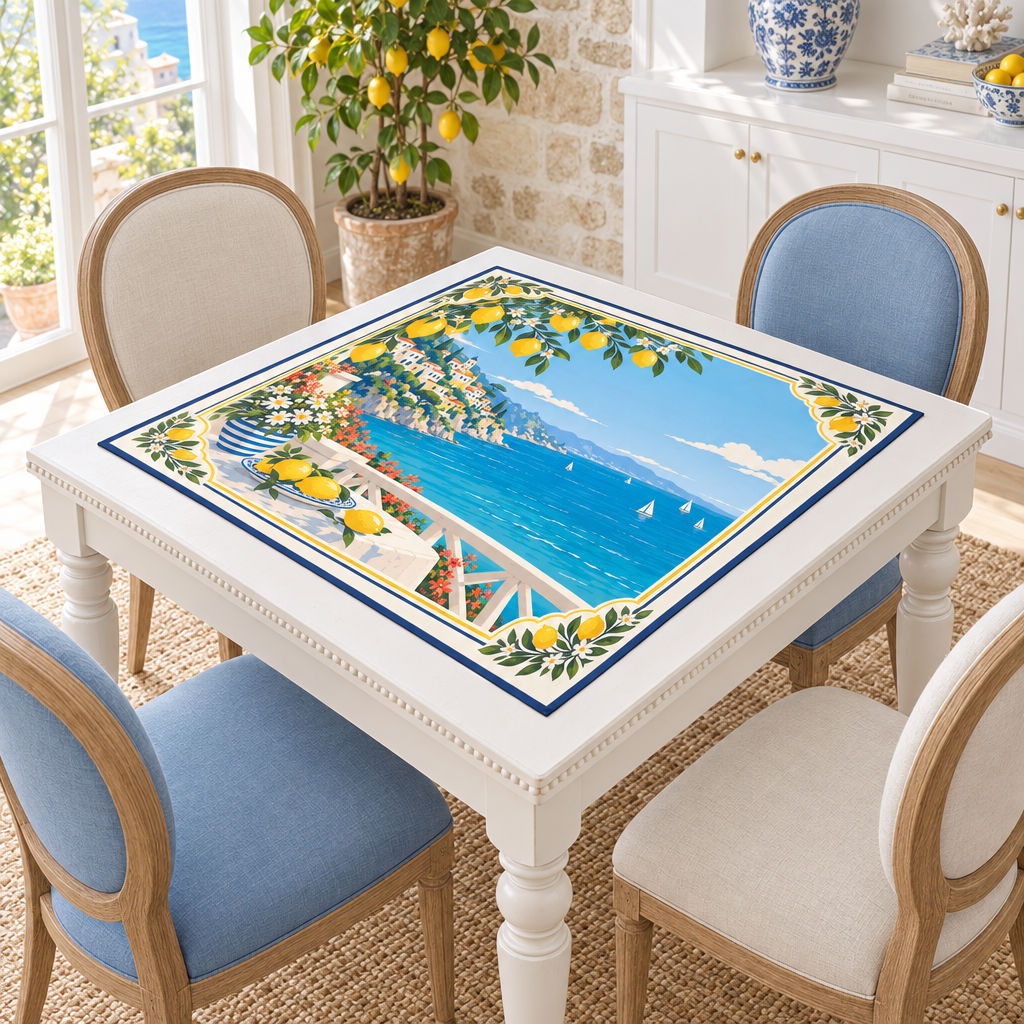
A coastal mahjong table cover isn't just decoration—it shields acrylic tiles, bamboo racks and felt mats from salt air, humidity, sand, and UV exposure unique to oceanside environments. Most players choose either a fitted acrylic-backed cloth (dries quickly, resists moisture) or a heavyweight cotton blend with waterproof underside. Covers range from folded tablecloths (8–10 feet) to custom-fitted designs. Cost depends on material and fit; see current price on Mahstead's mahjong mats collection for options. Key mistake: buying a thin, untreated cotton—it absorbs salt mist and transfers stains to tiles. Coastal players should prioritize moisture-resistant backing and regular shaking-out to remove salt residue before storage.
🀄 Shop best-selling mahjong sets →
Why coastal play demands a different cover than inland games?
Inland tables face dust and occasional spills. Coastal air contains salt crystals that etch acrylic tiles, corrode metal racks, and warp bamboo within weeks if left exposed. Salt spray travels 3–5 miles inland on windy days and clings to fabrics. A generic cotton tablecloth absorbs moisture and salt, then transfers it to your set during the next game. Acrylic-backed or waterproof-underside covers block moisture transfer and shed salt spray—essential differences that generic table linens don't address. Choose a cover designed for moisture resistance, not just appearance.
What material stops salt mist better than cotton?
Acrylic-coated polyester or 100% acrylic-backed cotton resists salt spray because the water-repellent coating sheds moisture instead of absorbing it. Polyester blends (65/35 cotton-polyester with acrylic backing) combine durability with breathability—they dry faster than pure cotton and resist mildew growth. Treated canvas (canvas + waterproof resin layer) works well but is heavier and slower to dry. Avoid untreated linen, thin cotton, and uncoated polyester; they trap salt and humidity against your tiles. Look for covers labeled "weather-resistant" or "marine-grade." The weight matters: 10–14 oz per yard indicates adequate fabric density to block salt particles.
🎁 See our most-loved mahjong sets & accessories →
Fitted vs. unfitted: which actually works better for coastal storage?
Style | Best for | Stays in place | Dries fast | Salt shedding | Typical use |
Fitted (elasticated edges) | Permanent outdoor table | Yes, wind-proof | Moderate | Excellent—salt slides off | Covered deck table year-round |
Unfitted (weighted/hemmed) | Portable games, indoor–outdoor | If weighted corners | Fast | Good if shaken regularly | Weekly game, stored between uses |
Throw/blanket style | Quick cover-up | No—drifts | Slow | Fair—folds trap salt | Emergency protection only |
Fitted covers win on coastal tables because elastic edges prevent salt-laden wind from sliding the cover up, and the snug fit sheds spray more efficiently. Unfitted covers work for portable setups if you shake them out after every game and store them flat (folded covers trap salt inside the folds). The key test: when wet, does water bead and slide off, or does it sink in? Bead = protective; sink = absorbing.
How often must you clean a coastal table cover?
After each game, shake the cover outdoors to dislodge surface salt crystals—a two-minute ritual that prevents salt from bonding to fabric fibers. Monthly, rinse it lightly with fresh water (hose spray, not pressure wash) to dissolve embedded salt, then air-dry flat in shade. Never use a dryer; heat can degrade acrylic backing. Store it folded loosely or rolled (tight folds trap moisture). In high-salt zones (spray distance from breaking waves, salt pools), clean monthly; 5+ miles inland, quarterly is usually enough. Most coastal players skip this step and then wonder why covers smell like fish after three months—salt crystallization, not the cover's fault. A quick rinse adds years to its life.
✨ Find your Mahstead set — free US shipping →
Should your cover also protect your mat, tiles, and racks?
Yes. A cover that drapes over the entire playing surface—table, mat, tiles, racks, and dice—creates a sealed microclimate. Salt air and humidity can't reach exposed items. A cover that only protects the table edge but leaves equipment sitting uncovered is half-protection. Choose a size 2–3 feet larger than your mat footprint so it hangs down the sides and can be tucked under chairs or weighted at edges. If you store your mat and acrylic mahjong sets indoors and only cover the table between games, that's adequate. But if your set lives outdoors (lanai, patio table), a cover that encloses the whole setup prevents salt creep into tile seams and bamboo pushers. Mahstead's acrylic tiles resist staining better than bone-and-bamboo, but even acrylic benefits from barrier protection in coastal air.
What's the coastal cover decision checklist before you buy?
Before ordering:
Measure your table: length × width, plus 12 inches on all sides for hang.
Check if you want fitted (permanent outdoor table) or unfitted (portable, stored indoors).
Confirm the cover's backing material is labeled "waterproof," "acrylic-coated," or "marine-grade."
Weigh it: 10–14 oz per yard is industry-standard for weather protection.
Verify seams are sealed or double-stitched; unsealed seams leak salt water.
Choose a neutral or light color if indoors (shows every speck) or a mid-tone outdoors (hides salt residue better).
Ask the seller: "Will this cover dry in under 2 hours if wet?" Slow-drying fabrics breed mildew.
Budget replacement every 3–5 years in high-salt zones; longer if you rinse it regularly.
For custom mahjong mats or fitted covers, verify the seller offers moisture-resistant options and ask if they can add tie-down loops or weights. Coastal mahjong players in the Gulf, Atlantic, and Pacific regions report that investing in a quality cover reduces tile replacement costs by 60–80% over five years—worth the upfront cost.
FAQ
Can I use a regular beach umbrella or tarp instead of a fitted mahjong cover?
No. Umbrellas don't protect the sides, and tarps trap condensation underneath, causing mildew and salt oxidation on tiles. A breathable, moisture-repellent cover designed for the mahjong table's footprint is essential.
Does a coastal cover protect acrylic tiles better than bamboo-and-bone tiles?
Acrylic tiles resist salt staining and etching far better than bone, but both benefit equally from a barrier cover. The real difference: acrylic won't warp or crack in humidity; bone can. Coastal players choose acrylic sets for durability—see Mahstead's best-selling American mahjong sets for durable options.
Should I cover my set if I only play outdoors once a week?
Yes. Seven days of continuous salt exposure, even in low humidity, damages bamboo pushers and dyes acrylic tiles. A cover stored with the set takes 30 seconds to deploy and prevents weeks of salt accumulation.
What happens if my cover gets a tear or hole?
Small holes (< 1 inch) can be patched with waterproof fabric tape; larger tears should trigger replacement—the protective barrier is compromised. Repair kits designed for marine canvas work but are temporary; budget a new cover every 3–5 years.
Can I wash my mahjong cover in a washing machine?
Only if it's labeled machine-washable (cold water, gentle cycle). Most acrylic-backed covers should be hand-rinsed or hosed to avoid heat damage to the backing. Air-dry flat; never use a dryer.
Is a custom-fitted cover worth the extra cost on the coast?
Yes, if your table lives outdoors full-time. Fitted covers shed salt spray more efficiently, stay in place during coastal winds, and reduce the frequency of manual repositioning. For portable indoor–outdoor setups, an unfitted weighted cover is cheaper and nearly as effective if you shake it out after each game.


View More
View More
View More
