
Is Mahjong Harder Than Pai Gow? A Player's Honest Breakdown
Last updated: Nov 23, 2026
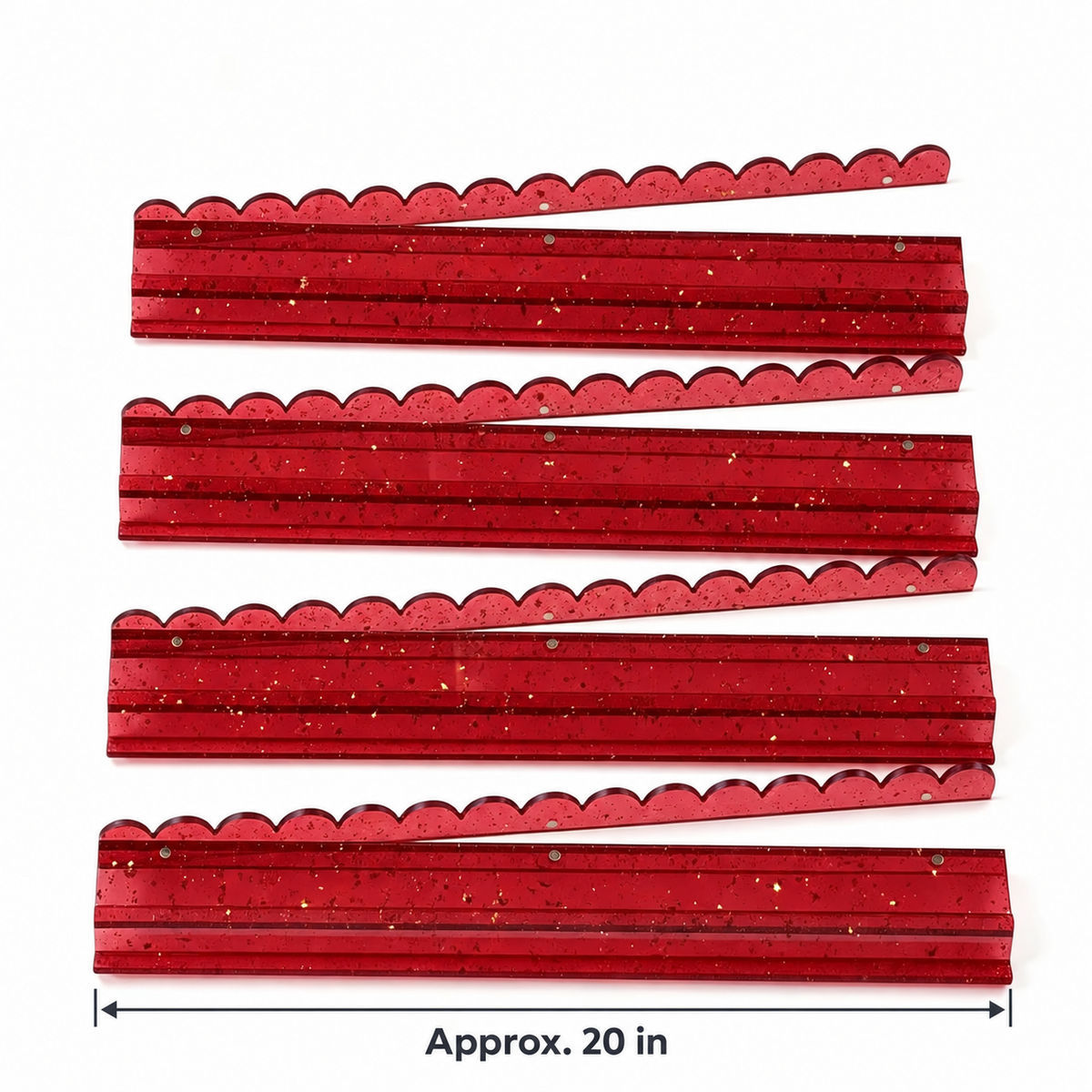
No single answer: they're hard in different ways. Pai Gow uses 32 tiles, ranks hands like poker, and plays in minutes—ideal if you want fast, social play without study. American mahjong uses 152 tiles, requires memorizing the current year's National Mah Jongg League card (issued each spring), and rewards pattern recognition over luck. A beginner learns Pai Gow rules in 15 minutes; American mahjong takes 2–3 weeks of weekly play. Pai Gow suits players who enjoy probability and quick decisions; American mahjong suits those who like puzzles and strategy. Neither is objectively harder—both demand practice to play well, and both are deeply rewarding once you commit.
Why Do Players Confuse These Two Games?
Both use tiles, both are ancient Asian games, and both often appear under the umbrella term "mahjong." In casinos and poker rooms, "Pai Gow" often means Pai Gow Poker (using cards), which adds to the confusion. True Pai Gow Tiles, however, is a separate game entirely—faster, simpler, and built on ranking hand strength rather than matching patterns. When we say "mahjong," we usually mean American mahjong, the variant played in the U.S. with a printed card that changes yearly. They share tile DNA but are as different as chess and checkers.

Which One Actually Requires More Memory Work?
American mahjong wins decisively here. You must learn the current year's National Mah Jongg League card—a sheet packed with hundreds of valid winning hand patterns. New players spend their first month flipping through it mid-game, gradually recognizing common patterns (like "1–9 consecutive numbers," "all same suit," or "pair of Winds"). Pai Gow requires learning only 32 tile values and basic hand rankings (pairs, combinations, highest card)—memorizable in an afternoon. If you dislike study, Pai Gow feels easier. If you enjoy cracking a code, American mahjong rewards the effort: after six weeks of steady play, you start spotting hands instantly, and the game accelerates dramatically. One isn't objectively harder; one requires sustained learning, the other quick reference.
How Do Turn Times and Game Pacing Differ?
Pai Gow rounds last 5–10 minutes. Each player sets two hands (a "high" hand and a "low" hand) and compares them to the dealer's hands—fast, decisive, rhythm-based. American mahjong rounds run 20–45 minutes. Players draw, discard, watch for others' winning tiles, call them, and earn points based on hand complexity and what was exposed. Pai Gow feels like rapid-fire decision-making; American mahjong feels like a slow build toward victory. Faster pacing doesn't mean easier—Pai Gow demands quick math and hand-setting judgment under time pressure. Longer rounds give American mahjong players space to learn, but they also test patience and focus. Pick based on your mood: Pai Gow for an energetic evening, American mahjong for a deep Thursday-night session.
What's the Actual Difficulty Curve for Each Game?
Factor | Pai Gow Tiles | American Mahjong |
Rules learning | 15 min | 2–3 weeks |
Card/chart dependence | None | Required every game |
Pattern memory demand | Low | High |
Luck vs. skill ratio | 40/60 | 30/70 |
Social pause time | Rare | Frequent (tile-calling rules) |
Weekly play to feel competent | 2–3 times | 4–8 times |
American mahjong's curve is steeper at the start but flattens after 6 weeks; Pai Gow plateaus quickly but rewards incremental strategy tweaks forever. Neither is inherently harder—they test different skills.
🀄 Shop best-selling mahjong sets →
Which Game Punishes New-Player Mistakes More?
In Pai Gow, a wrong hand-setting costs you that round; you lose, laugh, move on. In American mahjong, misreading the card or calling a tile prematurely can cost you points, create disputes, or force a restart. American mahjong also has the Charleston—a tile-passing ritual before play that confuses newcomers. Once you grasp the rhythm, it's fun; the first three weeks, it feels chaotic. Pai Gow has fewer rules to break, so fewer mistakes feel catastrophic. American mahjong has more moving parts, so errors sting until you internalize the flow. Beginners report Pai Gow as "instantly enjoyable" and American mahjong as "frustrating, then addictive." If you want to play well on day one, Pai Gow wins. If you want a game that grows with you, American mahjong rewards the learning curve.

Do You Need Special Equipment to Play Either One?
Yes, for both—but differently. Pai Gow requires 32 tiles and a place to set two hands side-by-side; most sets are compact and portable. American mahjong requires a full 160-tile set (152 playing tiles plus spares), a printed card for the current year, and ideally a mat to protect your tiles and a rack to hold your hand upright. The mat and rack aren't mandatory but drastically improve play quality—they stop tiles from sliding, protect your wrists during long sessions, and make calling tiles clearer. Our best-selling mahjong sets are acrylic with clear markings, sized for American play and packaged for safe travel. If you're testing American mahjong for the first time, borrow a set and card from a friend; if you're hooked after four weeks, invest in your own. Pai Gow sets are cheaper and more forgiving—you can learn with any 32-tile tile set.
🎁 See our most-loved mahjong sets & accessories →
How Long Until Each Game Feels Fun, Not Frustrating?
Pai Gow: One session. You understand the hand rankings and enjoy the pressure of splitting your tiles by round three. American mahjong: 4–8 weeks of weekly play. Weeks one and two, you're constantly asking "Is this a valid hand?" and flipping the card. Weeks three and four, you recognize 15–20 hand patterns and spot errors before calling them. By week six, you're relaxed, reading hands faster, and actually strategizing about discards. This isn't a flaw—it's the depth that keeps players returning for decades. If immediate gratification matters, Pai Gow is genuinely easier. If you prefer a game that stays surprising after two years, American mahjong wins.
What to Check Before You Buy
For Pai Gow: You need only a 32-tile set; tile quality barely matters, so a budget option is fine. Ensure tiles are large enough to read at arm's length (at least half an inch per side).
For American mahjong: A 160-tile acrylic set is standard—never buy fewer than 152 playing tiles. Check that tiles have raised markings (not just painted), so they're readable under table lighting. Pair your set with a printed 2026 National Mah Jongg League card (order in spring when it releases). A mat prevents tile scratches and keeps your game legal in league play. Racks with pushers organize tiles and reduce wrist strain—not mandatory, but players who buy them never go back.
The Honest Verdict
Mahjong is not objectively harder than Pai Gow—they're difficult in opposite directions. Pai Gow is harder the first time you play (hand ranking, splitting logic) but easier once you know the rules. American mahjong is easier to learn in an afternoon but harder to master over months. Pai Gow rewards fast thinking and probability judgment; American mahjong rewards pattern memory and patience. Pick Pai Gow if you want to teach a beginner in one evening, or American mahjong if you want a game that keeps your brain sharp every Thursday for the next decade. Both are fully learnable by any adult willing to practice, and both build lasting friendships around a table.
✨ Find your Mahstead set — free US shipping →

FAQ
Can I use the same tiles to play both Pai Gow and American mahjong?
No. Pai Gow uses 32 tiles; American mahjong uses 152. You need separate sets, though American mahjong sets include jokers and blank tiles that Pai Gow doesn't use.
How much does it cost to start playing American mahjong?
A beginner setup (160-tile set, current-year card, mat) costs less than most hobbies. See current pricing on mahjong sets and mats for this year's options.
Do I have to join a league to play American mahjong?
No. League play is optional—most players enjoy weekly games with friends using the official card. League membership offers tournaments and standardized rules if you want competitive play later.
Is Pai Gow popular in the U.S. outside casinos?
Less common than American mahjong in home games. Pai Gow Tiles appears mainly in casinos; home players usually prefer American mahjong or Pai Gow Poker (a card game).
Can I teach a friend American mahjong in one night?
You can teach the basics (drawing, discarding, recognizing a few patterns) in 2–3 hours, but true comfort takes 4+ weeks of play. Pai Gow takes 30 minutes; American mahjong is a marathon, not a sprint.
What's the biggest mistake new American mahjong players make?
Trying to memorize the card instead of learning to read it mid-game. Successful players flip the card constantly—that's normal, not cheating.


View More
View More
View More
