
Mahjong Lessons in Charlotte: Where to Learn & How to Start
Last updated: Nov 23, 2026
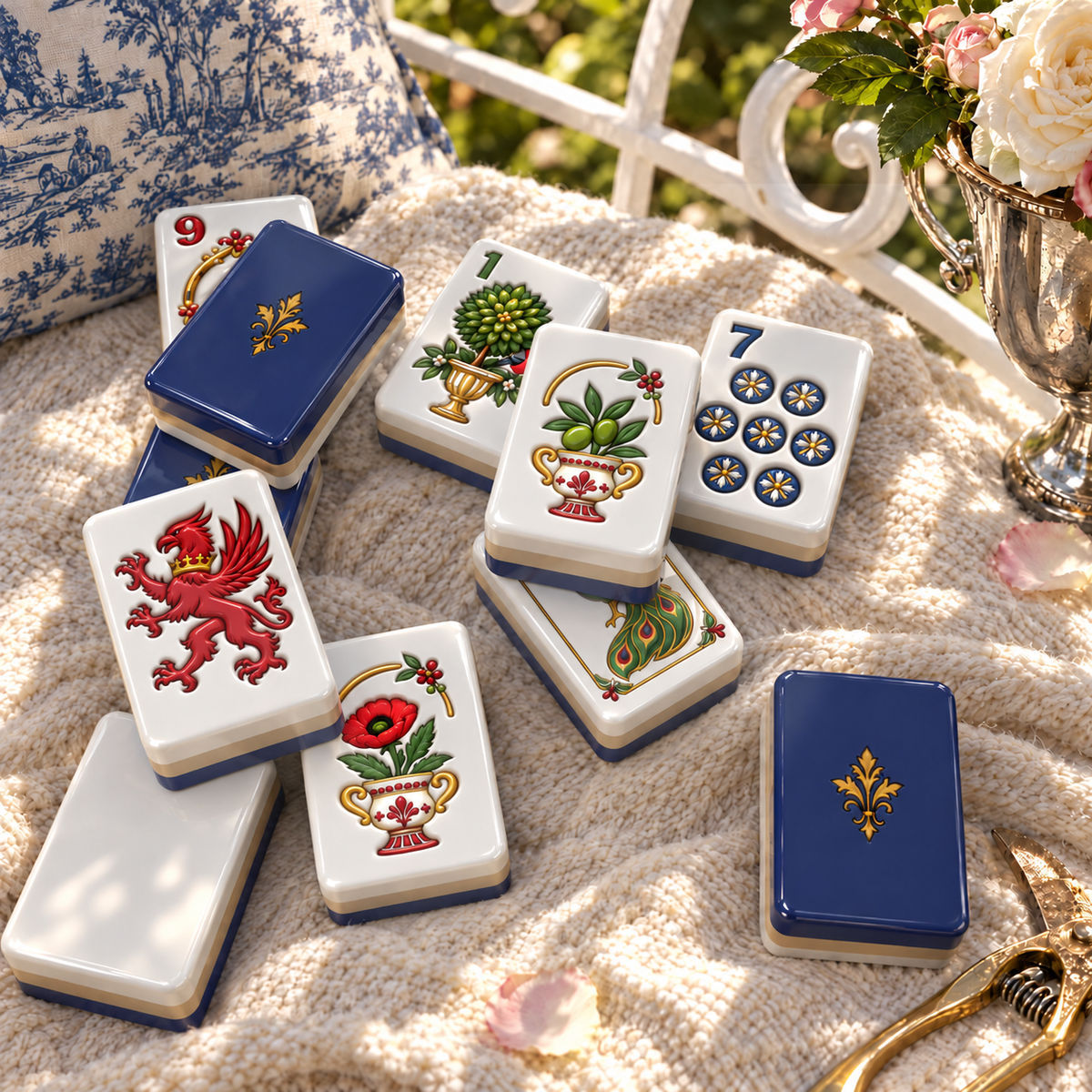
Charlotte beginners can find mahjong lessons through community centers (check Charlotte Parks & Recreation), public libraries (Mecklenburg County system), synagogues, and casual meetup boards online. Most lessons run 6–8 weeks, meeting weekly for 2–3 hours, and cost varies by organizer—ask directly at each venue. Expect to learn tile names, hand-reading basics, the Charleston (tile-passing ritual), and how to play your first complete game. You'll need a 160-tile acrylic American mahjong set with a mat for practice at home; our best-selling mahjong sets work perfectly for learners and experienced players alike, shipped free across the US.
Where do beginners find mahjong lessons near Charlotte?
Your best starting points are Charlotte's community centers—most offer group instruction through their adult enrichment programs—and the Mecklenburg County Public Library system, which often hosts hobby groups and can connect you to local players. Ask the reference desk about mahjong clubs or request a bulletin board posting. Synagogues, country clubs, and senior centers in the greater Charlotte area also run informal classes. Check Meetup.com, Facebook groups tagged "Charlotte mahjong," and local community boards. Many groups advertise on Nextdoor. Call ahead: instructors can tell you the format (beginner-only vs. mixed), whether you need your own set, and whether drop-in is allowed.

What should I expect in a typical beginner mahjong lesson?
Most Charlotte beginner lessons follow this arc: Week 1–2 covers tile names (Bams, Craks, Dots, winds, dragons, flowers, jokers), hand layout, and the 152-tile American mahjong set structure. Weeks 3–4 teach the Charleston (the three-pass tile exchange before play), reading the National Mah Jongg League card for valid hands, and exposure rules (when you can show melds). Weeks 5–6 focus on play mechanics: drawing, discarding, recognizing when another player can claim your discard, and calling "Mahjong" when you win. Week 7–8 brings you to a real game with beginner-friendly pace and scoring review. Instructors typically demonstrate with a live set so everyone can see tile orientation and positioning. Bring a notebook—hand patterns repeat and jotting them down helps memory.
How long does it take to play your first complete game?
After a single 2–3 hour lesson, you'll recognize tiles and understand turn order; you can play a slow, teacher-guided game. Real fluency—reading hands quickly, spotting discards, managing your rack without confusion—typically takes 4–6 weeks of weekly practice. Many players don't feel "game-ready" until they've played 10–15 complete hands. The gap between knowing the rules and playing confidently is bridged by repetition and hands-on time. Between lessons, practicing at home with a partner or small group accelerates this timeline dramatically. Having a well-organized set and mat at home removes friction—you can practice during lunch, after dinner, or on weekends without needing to reserve a lesson slot.
What equipment do you need to practice between lessons?
A complete 160-tile acrylic American mahjong set (152 playing tiles plus spares), a mat with clearly marked rack positions, and a scorepad are your foundation. Acrylic tiles are durable and loud enough to hear clearly—important for group play and preventing cheating. A mat keeps tiles organized, speeds setup, and prevents tiles from sliding across a table. Racks with pushers hold your 13 tiles in order and make pushes visible to other players, which is crucial for fair play. A mahjong bag lets you bring your set to lessons or friends' homes without losing pieces. Don't buy until you've attended a lesson—ask your instructor what brand or style they recommend, and confirm your set matches American rules (not Chinese or Hong Kong variants, which use different tile counts and hands).
🀄 Shop best-selling mahjong sets →

How do I choose the right mahjong set for home practice?
Use this decision framework to pick a set that fits your learning stage and play style:
Factor | Beginner (First 10 games) | Regular player (Weekly+ games) | Gift for a potential player |
Tile material | Acrylic (loud, durable) | Acrylic or bone+bamboo | Acrylic (beginner-friendly) |
Set size | 160 tiles (standard + spares) | 160 tiles | 160 tiles |
Customization | Plain or simple design | Personalized/engraved options | Themed or decorative sets |
Case/bag | Mat + basic storage | Included or bundled | |
Budget range | Entry-level acrylic | Mid-range acrylic or premium bone | Varies by design |
All American mahjong games use exactly 152 tiles plus 8 jokers during play; the extra tiles in a 160-tile set are spares to replace lost or damaged pieces. Start with acrylic sets from our best-selling collection if you're new—they're forgiving of scratches and loud enough to make tile movement satisfying. Once you're playing weekly, engraved or custom designs add personality without changing gameplay. Avoid buying cheap incomplete sets; a missing tile mid-game stops everything.
What's the fastest way to get good at mahjong after your first lesson?
Practice with the same small group (2–3 other learners or one experienced mentor) once or twice weekly for 30–60 minutes between formal lessons. Consistency beats long single sessions. Set a goal to memorize the hand patterns on the current-year National Mah Jongg League card—knowing 5–10 patterns by sight means you can spot winning hands in real time instead of staring at the card. Play slowly at first, narrating your moves aloud so others can correct you. Join your Charlotte lesson group's informal game nights once you're through the beginner course; playing with the same cohort accelerates learning because you build shared vocabulary and habits. Our guide to reading the mahjong card shows you how to decode hand notation, which is worth reviewing before each session.
🎁 See our most-loved mahjong sets & accessories →
What mistakes should beginners avoid in Charlotte lessons?
Mixing up American rules with other variants. Make sure your lesson and set are American mahjong—not Chinese, Hong Kong, or Riichi mahjong, which have different tiles, hand lists, and scoring. Ask your instructor explicitly. Buying a cheap set before your first lesson. You might quit after one class, or your set might have a missing tile and ruin a game. Wait until you've played once, then invest in a real set. Forgetting that jokers and the White dragon ("Soap") have special rules. In American mahjong, jokers cannot be used as a single tile or as a pair; the White dragon serves as zero in numerical sequences. Beginners often misplace jokers and lose points or hands. Playing too fast too soon. Slow games are learning games. Speed comes after 20+ hands. Not keeping your own scoresheet. Even if someone else is "official" scorer, track points yourself—you'll catch errors and learn scoring logic.
✨ Find your Mahstead set — free US shipping →
What to check before you buy
Before purchasing your home practice set, confirm: (1) Your Charlotte instructor or lesson group uses American mahjong (not another variant). (2) The set includes a mat or you buy one separately—read our mat guide to pick the right size and style. (3) The set is acrylic (durable for learners) or bone+bamboo if you're committed to weekly play. (4) You have space at home for a 2×4 ft. play surface. (5) You can access a bag or case for transport if you'll take it to lessons. All Mahstead sets ship free across the US and include everything you need except a partner—grab a 160-tile set, find a lesson group on your first visit, and you'll be playing within weeks.

FAQ
Is there an age requirement for Charlotte mahjong lessons?
Most group lessons welcome ages 18+, though some community centers offer teens-only or family-play sessions. Ask your venue directly. Home practice has no age limit; younger players often learn faster.
Do I need to own a mahjong set before my first lesson?
No. Attend one lesson first to confirm you enjoy it and learn which variant (American) your group plays. Most instructors provide shared sets for beginners. Buy your own after the first or second session.
What's the difference between a mahjong mat and a regular tablecloth?
A mat has sewn or printed rack positions and a center area marked for the wall and discards. A tablecloth is just fabric. A mat speeds setup and prevents confusion about where tiles belong—essential for learning. Our mat comparison guide details this.
Can I learn mahjong from YouTube or an app instead of a lesson?
You can learn mechanics, but group lessons teach pacing, social etiquette, and real-time problem-solving that videos can't. Many players start with video basics, then join a lesson to play their first live game. Hybrid learning is common.
How much does a good beginner mahjong set cost?
See current prices on our product page. Entry-level acrylic sets are affordable; premium bone+bamboo sets cost more. All Mahstead sets ship free across the US. Start with an acrylic 160-tile set if you're trying mahjong for the first time.
Will Charlotte lessons teach me American mahjong scoring?
Yes—typically in weeks 5–8 when you're playing full hands. Our scoring guide covers the basics if you want to study ahead.
What if I buy a set and don't like mahjong?
Your set remains a social game for guests or a novelty. Many people keep their sets on display or gift them later. That's why starting with a modest acrylic set (not an expensive bone set) makes sense for newcomers.


View More
View More
View More
