
7 Bam Mahjong Tile: Symbol, Role & Why It Matters
Last updated: Nov 23, 2026
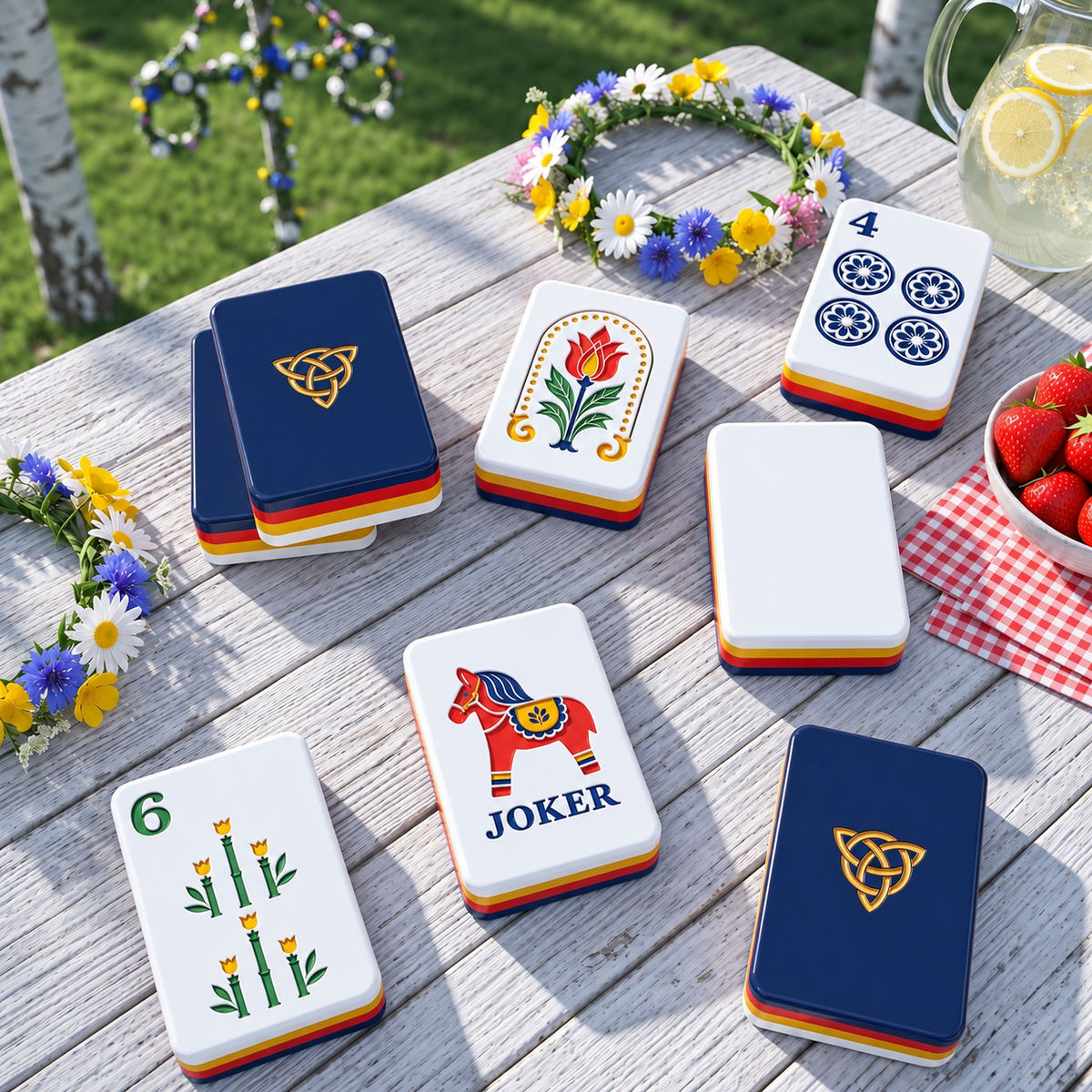
The 1 Bam is the lowest-ranked tile in the Bam suit and uniquely displays a bird symbol rather than one dot. In American mahjong, each suit (Bam, Crak, Dot) runs 1–9, with four identical copies of each tile totaling 152 playing tiles per set. The 1 Bam's bird image serves as a visual anchor: newer players often spot it instantly, and it appears in hand patterns ranging from simple sequences to complex honor combinations called on the National Mah Jongg League card issued each spring. Because it's a numbered Bam—not an honor like winds or dragons—the 1 Bam pairs or pungs easily with other Bams and is legal in exposed melds. Understanding its role helps you read your rack faster and recognize winning patterns across the current year's card.
The 1 Bam is the only numbered tile in American mahjong that depicts a bird instead of one dot. In American mahjong, each suit (Bam, Crak, Dot) runs 1–9, with four identical copies of each tile totaling 152 playing tiles per set. The 1 Bam's bird image serves as a visual anchor: newer players often spot it instantly, and it appears in hand patterns ranging from simple sequences to complex honor combinations called on the National Mah Jongg League card issued each spring. Because it's a numbered Bam—not an honor like winds or dragons—the 1 Bam pairs or pungs easily with other Bams and is legal in exposed melds. Understanding its role helps you read your rack faster and recognize winning patterns across the current year's card.
What does the bird on the 1 Bam represent?
The bird on the 1 Bam traditionally represents a bamboo sprout or stalk with a bird perched on it—a symbol rooted in Chinese mahjong iconography. The Bam suit itself takes its name from bamboo, so the bird reinforces that thematic link. In Chinese culture, bamboo symbolizes resilience and growth, and the bird adds vitality to that image. American sets sold from our best-selling collection render this bird clearly—typically as a simple silhouette or detailed illustration depending on tile size and engraving style—so you can distinguish it at a glance even after a long game session. The bird is purely ornamental; it has no special game rule or power. Its main function is recognition: it helps players differentiate the 1 Bam from other numbered tiles, especially across a busy rack.

How many 1 Bam tiles are in a standard set?
A standard American mahjong set contains exactly four copies of the 1 Bam, matching every other numbered tile in the game. The 152 playing tiles in a 160-tile set include three suits (Bam, Crak, Dot) multiplied by nine ranks, each appearing four times—that totals 108 tiles. Adding 16 winds (four of each direction), 12 dragons (four of each color), and 8 flowers gives you the full 152-tile deck. When all four 1 Bams are still in play, they represent roughly 2.6% of your drawing pool, making them moderately common but not high-frequency draws. Understanding the full tile composition clarifies why certain hands on the League card call for specific quantities and why some tiles cycle through players faster than others.
🀄 Shop best-selling mahjong sets →
Can you use the 1 Bam in winning hands?
Yes—the 1 Bam is a core numbered tile and appears in dozens of hand patterns on the National Mah Jongg League card each season. Because it's not an honor tile (honors are winds, dragons, and flowers), the 1 Bam obeys standard American mahjong meld rules: it forms pungs (three identical 1 Bams), kongs (four identical 1 Bams), and longer melds with other Bams. You cannot call or expose a chow (sequence like 1-2-3) in American mahjong—that rule applies only to Chinese and some other variants—so the 1 Bam's value lies in matching sets. Jokers can substitute for any tile except in a single or pair, so you might use a joker as a fourth 1 Bam to complete a kong if three real 1 Bams are already on the table. The current year's card determines which 1 Bam combinations count as winning hands; consulting the card and learning how to read it ensures you spot valid 1 Bam combinations quickly during play.

Why is the bird design important for gameplay speed?
The bird makes the 1 Bam instantly recognizable, cutting seconds off your mental scan of the rack—a small edge that compounds over a four-hour session. New players often struggle to distinguish numbered tiles at a glance, especially when sets use similar-sized dots or symbols. The bird's unique silhouette, combined with its position as the lowest Bam, creates a memorable visual cue. When you're holding 13 tiles and hunting for a specific pattern, spotting the bird immediately signals "1 Bam here" without reading the numeral. Experienced players internalize this so thoroughly they rarely think about it, but it's why the design has persisted across variants and centuries of the game. Quality matters here: sets with crisp, legible bird engravings reduce eye strain and misreads, especially under typical kitchen or dining-room lighting where many weekly games happen.
How does the 1 Bam differ from the 1 Crak and 1 Dot?
The 1 Crak depicts a character or symbol (traditionally a coin or band motif), and the 1 Dot shows a single dot, while the 1 Bam alone features a bird. Each suit's "1" tile holds a unique visual identity tied to its historical origin: Bams (bamboo), Craks (coins or wealth), and Dots (numerals). This trio of distinct designs helps you segregate tiles by suit at a glance, which is essential when scanning a 13-tile hand. The 1 Bam's bird is the most elaborate and memorable of the three, making it a natural focal point for beginners learning tile recognition. In actual play, all three "1" tiles rank identically within their own suits—a 1 Bam pung is worth the same points as a 1 Crak pung under standard American mahjong scoring—but the distinct images prevent costly errors when forming or calling melds aloud.
🎁 See our most-loved mahjong sets & accessories →
What should you check when buying a set with clear 1 Bam tiles?
Before purchasing a mahjong set, inspect tile clarity, engraving depth, and contrast—especially for the 1 Bam bird. A shallow or faded bird becomes hard to read after 50 shuffles. Request or examine photos of tiles under neutral light; if the set uses white or cream acrylic, the bird should stand out as a clear black or dark outline. Tile size matters too: smaller travel sets (standard acrylic dimensions) compress the bird image more than large tiles, so verify dimensions match your hand size and eyesight. Check that all four 1 Bams in the set display the same bird style and depth—inconsistent engraving suggests poor quality control. Handles and racks should accommodate the tile weight and thickness without warping; a sturdy rack with pushers keeps tiles upright and legible throughout play. Our sets feature consistent acrylic construction and engraving, reducing the guesswork around durability and readability.
Quick Checklist: Before You Buy a New Set
✓ Bird engraving on 1 Bam is dark, sharp, and visible under table lighting
✓ All four 1 Bams match in design and depth
✓ Tile size suits your hand comfort and eyesight
✓ Acrylic is thick enough to resist warping over seasons
✓ Rack or case holds tiles upright without tilting
✓ Set includes all 152 playing tiles + spare jokers
Comparison: American vs. Chinese Mahjong 1 Bam Use
Feature | American Mahjong | Chinese Mahjong |
1 Bam tile count | 4 in set of 152 | 4 in set of 144 |
Bird representation | Single bird on stalk (ornamental) | May vary; some regional styles omit bird |
Meld rules | Pung, kong, longer melds only; no sequences | Chows (sequences) allowed; more combinations |
Winning hands | From annual League card only | From basic point system; seasonal variations |
Role in play | Moderate frequency; visual anchor | Frequent in sequences; less emphasis on suit separation |
Setup time | Charleston tile-passing ritual | Direct deal; no pre-game exchange |
✨ Find your Mahstead set — free US shipping →
The 1 Bam is a straightforward tile with outsized importance for game flow. Its bird design cuts through visual clutter, helping you build hands faster and spot winning combos on the current year's card. Whether you're a beginner learning tile names or an experienced player refreshing your set, choosing tiles with a clear, durable 1 Bam bird image pays dividends in every session.

FAQ
Why is the 1 Bam called the "bird" tile?
The 1 Bam displays a bird perched on bamboo, reinforcing the Bam suit's bamboo theme. The bird is ornamental and aids recognition; it has no special game rule. The name stems from traditional Chinese mahjong symbolism and artwork.
Can you use a joker as a 1 Bam?
Yes, but not in a single or pair. A joker can substitute for a 1 Bam in a pung (three tiles), kong (four), or longer meld. If you need a 1 Bam as your winning single or pair, only a real 1 Bam counts—a joker cannot fill that role.
Do all mahjong sets show a bird on the 1 Bam?
American mahjong sets do, by convention and for clarity. Some vintage or regional Chinese sets vary in tile art, but American sets sold today consistently feature a bird on the 1 Bam to aid quick recognition during fast-paced play.
Is the 1 Bam the same in every American mahjong variant?
Yes. All American mahjong games—those played with the National Mah Jongg League card—use identical tile sets with four 1 Bams per deck. Other variants (Chinese, Hong Kong, Riichi) may differ slightly in tile count or design, but American sets are standardized.
How many winning hands on the League card include the 1 Bam?
Dozens of patterns each season incorporate 1 Bams in combinations with other numbered tiles or honors. The exact count varies yearly with the new card release. Consulting the current card and learning to read it shows you all valid 1 Bam plays.
What if a 1 Bam tile gets damaged—can I still play?
If the bird engraving or tile surface cracks severely, it may be called "unplayable" and removed from the set. Most casual groups allow minor wear; formal tournaments may have stricter standards. Protect tiles with a durable mat and case to avoid accidental damage.


View More
View More
View More
