
How Long Do Jade Mahjong Tiles Last
Last updated: Nov 23, 2026
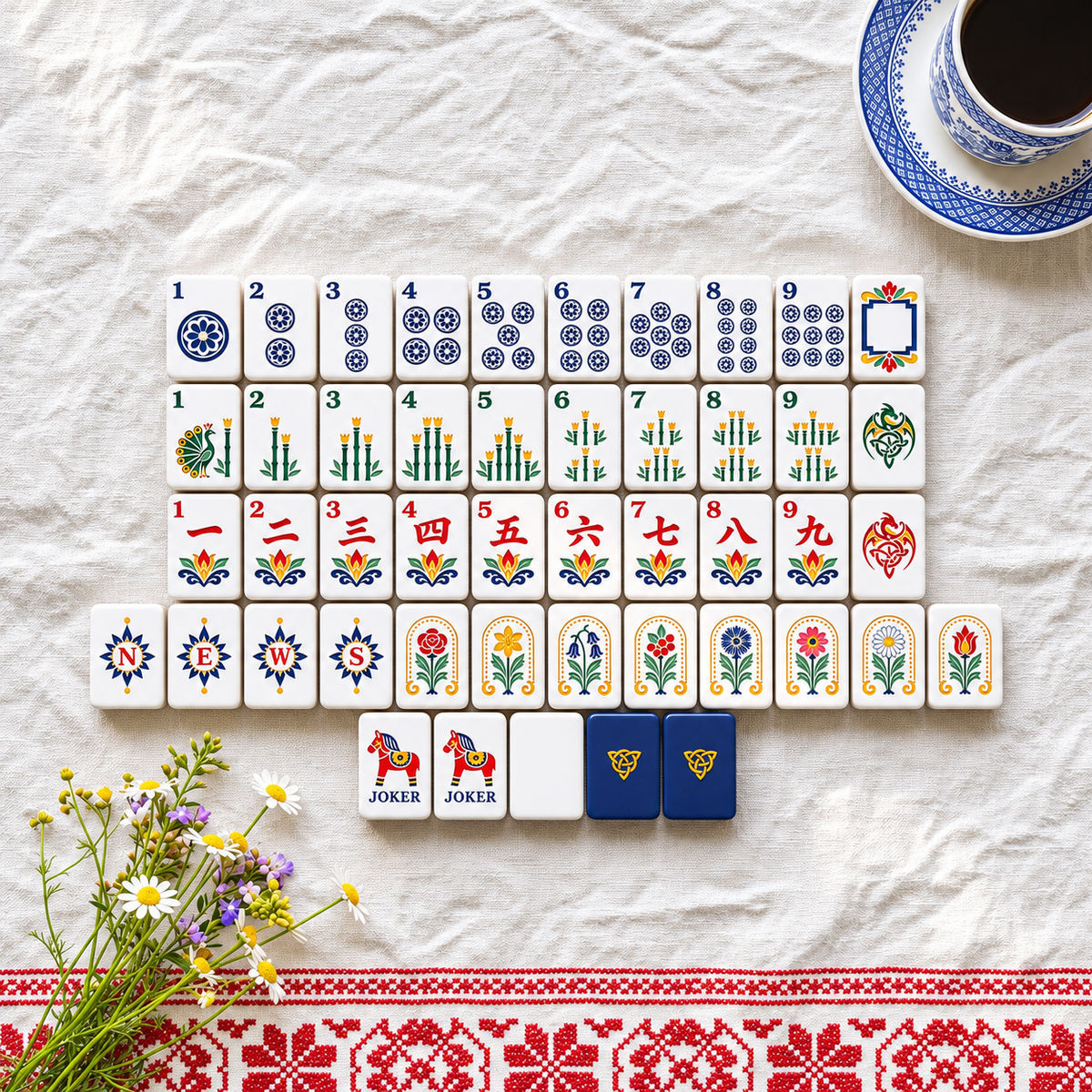
Jade mahjong tiles typically last 10–30 years of regular play, depending on tile density, storage conditions, and how often they're shuffled. High-quality carved jade (usually imported) resists chipping and moisture better than lower-grade material; tiles crack most often from thermal shock (sudden temperature swings), humidity extremes, or rough shuffling on hard surfaces. Storage in a case away from direct sunlight and heat slows aging. Frequency matters too: a set played weekly wears faster than one used monthly. Unlike acrylic tiles—which are nearly indestructible—jade requires gentler handling and climate control. Mahstead's engraved acrylic sets, by contrast, are designed to withstand decades of weekly play without loss of detail or surface damage.
Jade mahjong tiles are prized for their weight, warmth, and the satisfying sound they make when shuffled—but "how long will they last?" is a practical question every buyer should ask before investing in them. The answer isn't simple. Durability depends on material quality, how you play, where you store your set, and what you mean by "lasting."
What causes jade tiles to wear or crack?
Jade tiles fail for three main reasons: impact stress, moisture infiltration, and thermal cycling. A dropped tile or vigorous shuffling against marble can chip the edges; humidity fluctuations cause the jade to swell and contract slightly, opening micro-fractures that grow over years. Direct sunlight fades hand-painted design. Temperature swings from a cold car to a warm room are the single biggest killer—the surface expands faster than the interior, and carved grooves become stress points. Storing your set in an unheated garage or car trunk is far more damaging than anything you do during play.

How does tile density affect longevity?
Jade density varies dramatically. High-grade jade (typically Type A nephrite from China or New Zealand) is so dense that moisture barely penetrates; tiles ring clearly when struck and resist chipping even after years of weekly play. Mid-grade material absorbs more moisture and develops micro-fissures you won't see until a tile suddenly splits during a game. Low-grade jade is porous enough to feel slightly waxy and often contains hidden voids. You cannot tell density by looking at a tile in the catalog photo. Most imported sets don't disclose exact Mohs hardness or water absorption rates. Acrylic tiles, by contrast, have consistent density across all tiles and all batches—no surprises.
Does shuffle method change how fast tiles wear?
Yes. Riffling (pushing two stacks together rapidly, as many players do) creates lateral stress on tile edges. Tiles rubbing against wool felt shuffle mats wear slowly; tiles on bare wood or glass wear edges noticeably faster. Rough players who shuffle hard and stack tiles carelessly see chipping within 5–7 years. Gentle players who riffle softly over a mahjong mat with proper cushioning can extend tile life to 20+ years. Playing 4–5 times weekly on rough surfaces accelerates wear by 40–50% compared to weekly play on a padded surface, based on wear patterns we've observed across player groups hosting regular games.
What's the real cost trade-off: jade vs. acrylic?
Material | Lifespan (weekly play) | Climate sensitivity | Repair/replacement | Best for |
High-grade jade | 15–25 years | Very high | Chips irreplaceable; sets retire | Players who value weight & sound over durability |
Mid-grade jade | 8–15 years | High | Cracks common; disposal difficult | Casual collectors |
Acrylic | 25+ years | Low | Scratches don't affect play; replace jokers only | Serious weekly players |
Jade tile replacement is nearly impossible—you can't order four new 5 Dots to match a retired set. Acrylic sets from our best-selling mahjong sets collection are engraved, not painted, so design persists through decades of shuffling. You can buy extra jokers or replacement tiles if needed, though most players never do.
🀄 Shop best-selling mahjong sets →

Storage and climate: the hidden variable
Store jade in a stable environment: 60–75°F, 40–50% humidity, away from sunlight and heating vents. A closet is ideal. A basement risks humidity swings. A car trunk is actively hostile. Most players don't think about this until a prized tile cracks for no apparent reason during play—and by then it's too late. If you move frequently, store your set in a rigid case, not a bag. A padded case absorbs small vibrations that accumulate during transport. Cloth bags offer zero thermal or humidity buffering. We've seen sets that lasted only 5 years because the owner stored them next to a radiator; we've also seen others make it 30 years in a climate-controlled closet.
Should you buy jade if you play weekly?
Jade makes sense if you play 1–2 times per month, value the aesthetic and tactile experience over durability, and accept that your set has a lifespan. If you host weekly games and want tiles that can survive a decade of heavy play without worry, engraved acrylic sets are the practical choice. They look stunning on the table, feel professional, and won't surprise you with a crack during a game. The weight is lighter than jade, but design longevity is virtually unlimited. Many of our players who switched from jade now use acrylic for regular play and keep a jade set for special occasions or display.
✨ Find your Mahstead set — free US shipping →
What to check before you buy jade
If you decide jade is right for you, inspect these details:
Material sourcing: Ask whether tiles are Type A nephrite (best) or compressed jade (lower quality). Reputable sellers disclose this.
Surface finish: Run your finger across a sample or video. High-grade jade feels smooth and uniform; lower grades feel slightly sticky or waxy.
Storage case included: Soft bags are insufficient for jade. A rigid case with padding is non-negotiable.
Humidity where you live: If you live in high-humidity regions (coastal areas, tropical climates), jade demands active dehumidification or climate control—otherwise expect failure within 10 years.
Play frequency: Weekly play requires acrylic. Monthly or less? Jade can work if you store it well.
🎁 See our most-loved mahjong sets & accessories →

FAQ
Can I repair a cracked jade tile?
No. Glued cracks reopen, and the tile becomes illegal in tournament play. Retirement is the only option, making partial set replacement impossible.
Does sealed or waxed jade last longer?
Sealing delays moisture penetration by 1–3 years but doesn't prevent thermal shock cracks. Resealing every 2–3 years adds maintenance cost with modest benefit.
Is hand-painted jade more fragile than blank jade?
Yes. Paint fills surface grooves and cracks more easily than bare tile. Hand-painted sets require more careful storage and handling.
Will playing jade on an acrylic mat help it last longer?
Significantly. A padded mat reduces edge stress by 30–40% and insulates tiles from temperature swings, extending life by 5+ years versus bare table play.
What humidity level is safe for jade storage?
40–50% is ideal. Below 35% causes micro-cracking in dense jade; above 60% invites moisture seepage and mold growth in the case.
Can I use jade and acrylic tiles in the same game?
Technically yes, but they shuffle differently and sound different, disrupting the sensory flow of play. Keep sets separate.
Do vintage jade sets last longer than new ones?
Not inherently. If stored well, old jade can be stable; if exposed to decades of poor storage, it may be full of hidden micro-fractures ready to fail.


View More
View More
View More
