
6 Dot Mahjong Tile: Symbol, Suit & Game Role
Last updated: Nov 23, 2026
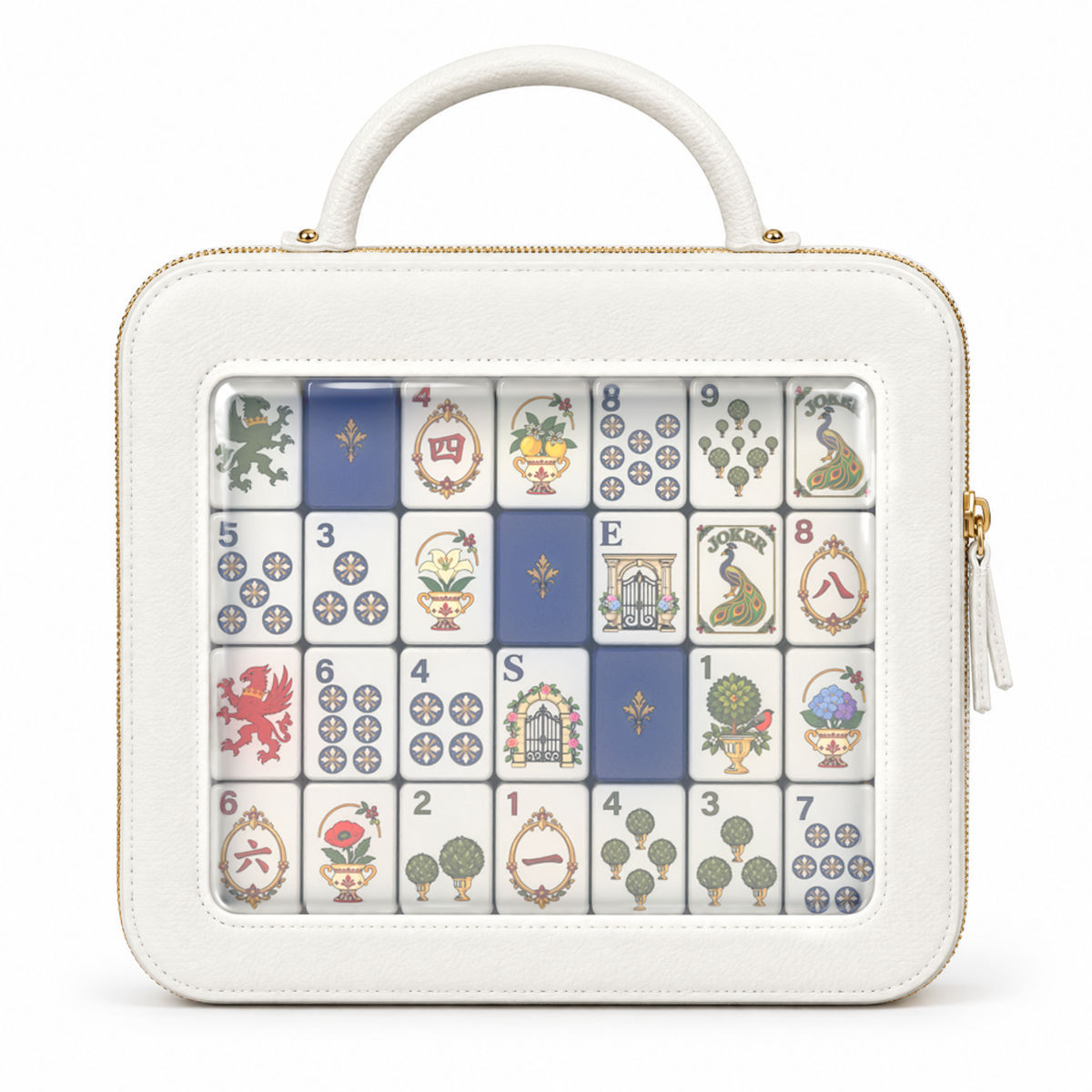
The 6 Dot is a single tile from the Dot suit (also called the "Circles" in older texts), one of three numbered suits in American mahjong alongside Bams and Craks. In a standard 152-tile American mahjong set, the 6 Dot appears exactly four times—once for each player's possible draw. Dots are ranked 1 through 9, and the 6 Dot sits in the middle range. Unlike Bams (which show a stick) or Craks (which show a Chinese character), Dots display simple circular pips arranged in a pattern; the 6 Dot shows six small circles on the tile face. It combines with other Dots to form pungs (three identical 6 Dots), kongs (four 6 Dots), or sequences within winning hands listed on the current year's National Mah Jongg League card. The 6 Dot's value depends on the hand pattern you're building; it's a neutral, mid-range tile with no inherent bonus or penalty.
The 6 Dot tile is one of 108 numbered tiles in a standard American mahjong set. Understanding its role helps you read the game board, spot winning opportunities, and follow the Charleston—the tile-passing ritual that opens every game. Whether you're a new player or returning after years away, the Dot suit and its numbering system form the backbone of hand recognition.
What does the 6 Dot tile look like?
The 6 Dot displays six small circular pips (dots) arranged on the tile face in a standard pattern—usually two columns of three. It's smaller and simpler than honor tiles (winds, dragons, flowers). The background is typically solid or subtly printed, and the color scheme depends on your set design: traditional green or red, modern pastels, or engraved acrylic finishes. Unlike the 1 Dot (which sometimes shows a bird or special image), the 6 Dot is purely numerical. On our best-selling mahjong sets, the Dot suit uses clear, readable pips so you can spot the 6 at a glance during fast play.

Where does the 6 Dot sit in the Dot suit?
The Dot suit runs from 1 to 9, and the 6 Dot occupies the middle. Numerically, it's higher than 1–5 but lower than 7–9. In tile distribution, four identical 6 Dots exist in every set, just as four 1 Dots, four 2 Dots, and so on do. The 6 Dot has no ranking advantage over other Dots—it's not "worth more" in scoring. Its position matters only within specific hand patterns listed on the current year's National Mah Jongg League card, where sequences of Dots (e.g., 5-6-7 or 4-5-6 Dots) or groups of identical Dots appear. The 6 sits naturally in the middle range, making it useful for many hand combinations.
How does the 6 Dot combine with other tiles?
In American mahjong, the 6 Dot combines with other tiles in three ways: as a pung (three identical 6 Dots—a meld you can expose on the table), a kong (four 6 Dots—the maximum exposed group), or within a winning hand pattern. You cannot form a sequence (chow) like 5-6-7 Dots and expose it; sequences exist only within your closed hand before you declare a win. If the hand card lists a pattern such as "three of the same Dot, paired with winds," the 6 Dot can fill that role. Jokers (special wild tiles in every set) can substitute for a 6 Dot in any exposed group, but never in a single tile or a pair. When building toward a win, the 6 Dot's availability—how many have been drawn, discarded, or used in exposed melds—directly affects your strategy and the odds of completing a hand.
🀄 Shop best-selling mahjong sets →

Why is the 6 Dot useful in winning hands?
The 6 Dot appears in many winning hand patterns because it's a mid-range, neutral tile with no special restrictions. Unlike dragons (which tie to specific suits) or flowers (which are rare and unique), Dots 1–9 repeat four times each, giving you more chances to draw or exchange for a 6 Dot during the Charleston. Hands built around sets of identical Dots—called "like numbers" or number collections—often center on 6 as a flexible middle anchor. The 6 Dot also pairs well in hands that blend Dots with winds or flowers, common patterns on the yearly card. If you're holding two 6 Dots and need a pair, or three 6 Dots for a pung, the tile's frequency in the set works in your favor. Experienced players often track how many 6 Dots have surfaced; if three are visible, the fourth is still in play, making it a viable winning target.
How does the 6 Dot differ from 6 Bam and 6 Crak?
Each suit—Dot, Bam, Crak—has its own 1 through 9, so three different "6" tiles exist in every set. The 6 Bam shows six horizontal sticks or a similar arrangement; the 6 Crak displays six instances of the character or symbol tied to the Craks suit. The 6 Dot is purely circular pips. Mechanically, all three 6s function identically: each appears four times, each can form pungs or kongs, each combines with its own suit-mates in winning patterns. The hand card distinguishes between them; a winning hand might call for "6 Bam, 6 Dot, 6 Crak" as three separate tiles in a hand—never a group of mixed suits. This separation is crucial: you cannot combine a 6 Bam with a 6 Dot in an exposed pung; each 6 only pairs with its suit. Understanding the three 6s helps you avoid miscounting tiles and misreading hand patterns. When you're studying the yearly card, note which suit each 6 belongs to and build your strategy accordingly.
Comparison: Understanding the Three "6" Tiles
Tile | Suit | Visual Mark | Frequency | Typical Use |
6 Dot | Dots (Circles) | Six circular pips | 4 per set | Mid-range numeric patterns, like-number groups |
6 Bam | Bams (Sticks) | Six sticks or marks | 4 per set | Sequences within closed hands, bamboo-themed patterns |
6 Crak | Craks (Characters) | Six character symbols | 4 per set | Suit-specific melds, mixed numeric patterns |
Each 6 occupies the same numerical rank within its suit but remains suit-specific. The yearly hand card separates them clearly, so you'll never confuse a winning pattern that calls for 6 Dot with one requiring 6 Bam.
What should you check before you buy a mahjong set with clear 6 Dots?
Before purchasing a set, verify that the Dot tiles are clearly legible—especially if you plan to host frequent games or play in variable lighting. Acrylic sets offer crisp, engraved markings that remain readable for years; cheaper tile sets may have faded or blurry pips after repeated shuffling. Check the tile thickness: thinner tiles (under 10mm) feel fragile during play, while standard tiles (10–12mm) balance weight and durability. If you're buying an engraved set from Mahstead's mahjong titles collection, confirm the laser engraving on the 6 Dot is sharp enough to read at arm's length without holding the tile up to light. For sets with artwork or custom designs, ensure the 6 Dot graphic doesn't blend into the background. Test a sample if possible; if ordering online, read reviews or ask the seller about tile clarity. A set with fuzzy or faint 6 Dots slows down gameplay and frustrates newer players who are still learning numbers and suits.
🎁 See our most-loved mahjong sets & accessories →
A complete understanding of the 6 Dot—its appearance, suit, and role in hand building—is foundational knowledge that speeds up learning and deepens enjoyment. Every tile in a set plays a part; recognizing the 6 Dot's place in the numbering system and in real winning hands transforms you from a tile-shuffler into a strategic player. When you understand what's in an American mahjong set, you see how each numbered tile, including the 6 Dot, contributes to the game's elegance and variety.
✨ Find your Mahstead set — free US shipping →

FAQ
Can I use a 6 Dot with a joker in an exposed pung?
Yes. A pung of three 6 Dots can include one joker (e.g., two 6 Dots + one joker exposed on the table). However, you cannot expose a single 6 Dot or a pair of 6 Dots; the minimum is a pung of three.
Is the 6 Dot worth more points in scoring?
No. The 6 Dot has no inherent point value. Scoring depends on the specific hand pattern you complete, not on which numbered tiles appear. The yearly card determines point values.
Do all mahjong games use a 6 Dot?
American mahjong does; it uses the numbered 1–9 Dot suit. Chinese and Hong Kong variants use similar Dot tiles but play by different rules. Riichi mahjong uses a related set but with different suit names and hand patterns entirely.
How many 6 Dot tiles appear in a full American mahjong set?
Exactly four, one for each player's potential draw. The 6 Dot count matches every other numbered tile in the Dot, Bam, and Crak suits—four of each number, per suit.
What happens if I misread a 6 Dot as a 5 Dot during play?
It's a tile-misidentification error. Stop play, acknowledge the mistake, and replace the tile. If you've already melded it wrongly, undo the meld and correct your hand. Call for a brief pause to reset—no penalty, just honesty.
Where do 6 Dots appear most often on the yearly card?
They appear in patterns involving like-number Dots (sets of identical Dots across all nine ranks), mixed numeric melds, and hands blending numbers with honor tiles (winds, dragons, flowers). The exact patterns change yearly.


View More
View More
View More
