
Spring Mahjong Party Decorations: Tile-Themed Ideas & Setup
Last updated: Nov 23, 2026
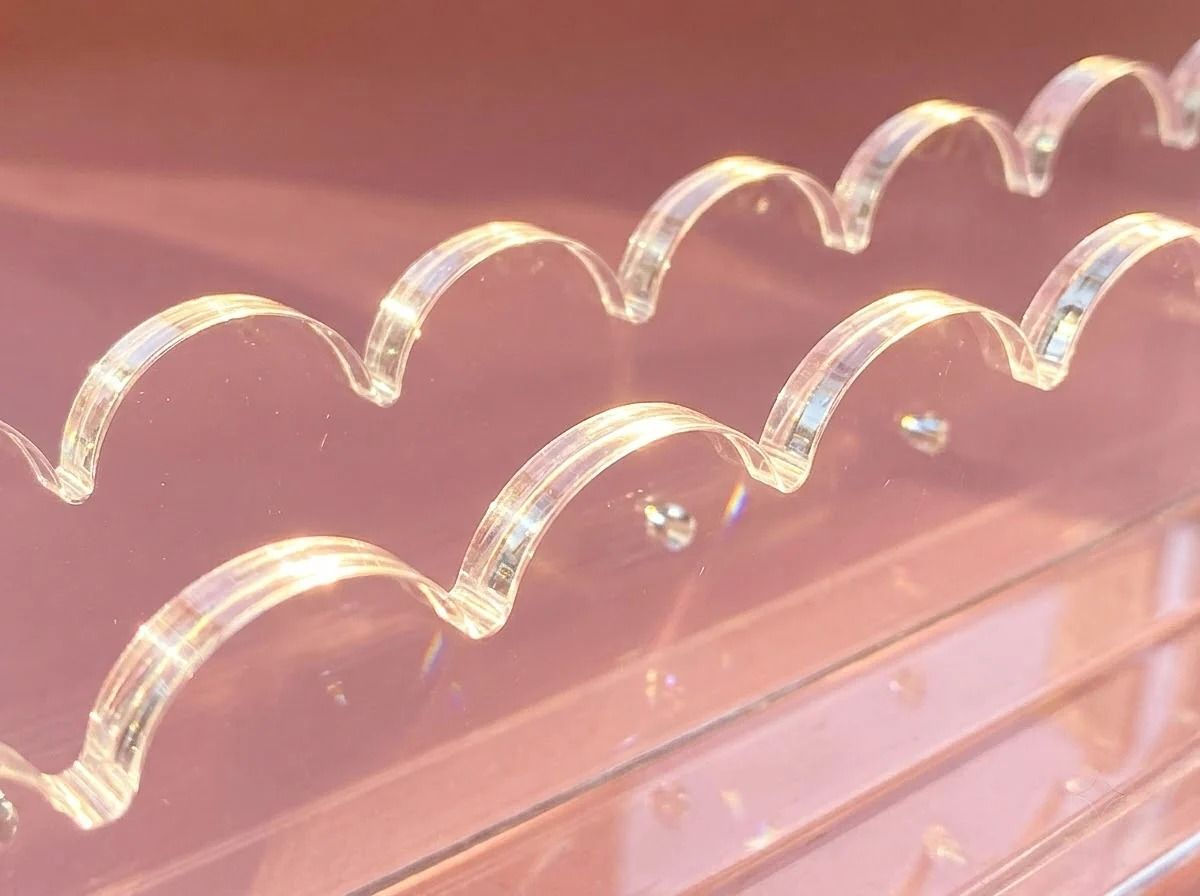
Spring mahjong parties blend the tradition of the game with fresh seasonal energy. Decorations fall into three categories: tile-inspired table elements (placemats, napkins, coasters bearing Bam, Crak, Dot imagery), ambient décor (jade green and red accents, cherry blossoms, bamboo), and functional pieces that become décor (engraved mahjong sets, custom mats, organized racks). The Charleston (tile-passing ritual) happens in early spring when the new card arrives, making March–May the social hub of the year. Hosting costs depend on guest count and whether you use printed supplies or keepsake items—a custom set or mat becomes a lasting centerpiece that guests admire for years. Avoid cluttering the table itself; the playing surface must stay clear for tiles and the card. Mahstead's best-selling mahjong sets arrive ready to engrave with names, dates, or mottos, turning equipment into conversation starters that set the tone for a thoughtful gathering.
What table layout sets the tone without blocking play?
The playing surface must remain a clean rectangle—nothing between or under tiles. Frame it instead: place a custom mahjong mat beneath the table's edge or drape a runner along one side for the scorecard and reference card. Surround the four seats with a low centerpiece (a vase with spring branches, a tray of snacks, a small jade plant) positioned at least 18 inches from the table edge. Mount wall décor at eye level—a scroll with mahjong symbols, framed photos of past games, or a dry-erase seasonal motif. The goal: your eye catches beauty the moment you enter the room, but the table itself feels serious and focused. This visual hierarchy—ornate surroundings, austere play zone—signals respect for the game while celebrating the occasion.

How do tile colors guide your color scheme?
American mahjong uses red (Craks), green (Bams), and white/ivory (Dots), plus gold-toned winds and dragons. Build your spring palette around these: sage or forest green walls, coral or red napkins, cream or ivory linens, brushed-gold accents for drinks and serving pieces. Add spring softness with blush pink, pale yellow, or soft blue in secondary items (flower arrangements, cushions, dessert platters). Avoid pure black or navy—they flatten the tiles' brilliance. If your set is engraved with titles or jokes, the engraving itself (often black or silver) becomes a design detail; mirror it in small accents like place card holders or a scoreboard frame. Test one room mockup with phone photos before committing to full décor; tile colors can clash with certain wall paints or lighting, and a 30-second photo reveals what your eye might miss during setup.
Element | Spring Pairing | Why It Works | Guest Impact |
Napkins | Coral or blush | Echoes red Craks; soft with spring | Elegant without formality |
Flowers | Cherry, forsythia, pussy willow | Seasonal, bright, low centerline | Conversation starter |
Tableware | Ivory, gold trim, jade bowls | Matches Dot/Dragon imagery | Feels intentional, not random |
Lighting | Warm white or amber | Highlights tile shine, not harsh | Reduces eye strain for 3+ hours |
Place mats | Cream or sage linen | Neutral frame for hands/card | Professional; easy to clean |
Which decorations actually come with your mahjong set?
Nothing. A standard 160-tile acrylic set from any maker includes only tiles, racks, a bag, and dice—no décor. The magic is how you use them. Mahstead sets arrive unadorned until you engrave them; that's where personality enters. Engraved sets become décor by default: a set reading "The Spring 2026 Game" or "No Chows, All Show" sits visibly on a side table as guests arrive, warming them to the tone before play starts. If you buy mahjong racks with pushers, organized rows of tiles in acrylic holders telegraph care and order—very different from tile bags piled in a corner. A custom travel bag or case used as part of the table display (unzipped, showing tiles neatly stacked) doubles as décor and storage. The rule: anything functional and visible becomes décor if it's well-made and intentional. Buy one centerpiece set or mat that's beautiful enough to leave out; skip mass-produced clip-art napkins in favor of plain quality linens you'll use for years.
How do you tie spring décor to the new annual card?
Each March, the National Mah Jongg League releases a fresh card with new hand patterns. Smart hosts frame or laminate that year's card and display it on a small easel near the playing area—it's both functional and a seasonal marker. Print or write the card's release year in your invitations and table signage: "Spring 2026 Games—New Card, New Hands." If your set is engraved, include the year: "Spring 2026 Friday Night Game." This creates temporal meaning; players remember which spring they played together. Tie ambient décor to the season's local events: if cherry blossoms peak in your region mid-March, host near that date and use blossoms in arrangements. If spring storms or allergies dominate, pivot to a cozy indoor theme with bamboo accents and jade-colored linens. The card's arrival is the calendar event; décor should echo it, not fight it.
🀄 Shop best-selling mahjong sets →

What DIY or budget-friendly tricks do hosting veterans use?
Print or photocopy tile images (Bam, Crak, Dot symbols) at 300 DPI on cardstock; cut them into coaster-sized squares, laminate, and arrange in patterns on side tables or as place card holders. Commission a local artist to hand-paint a small scroll with your group's name and the current card's year—far cheaper than buying framed art, and infinitely more meaningful. Use your mahjong tiles themselves as mini décor: a shadow box or open shelf displaying a spare set (acrylic sets photograph beautifully) serves as a focal point year-round. Borrow or thrift brass or jade figurines—their colors and materials already align with the game's aesthetic. The cheapest décor is what you already have: a white tablecloth, your grandmother's jade plant, candlesticks in warm brass. Spring mahjong culture prizes authenticity over expense; a thoughtful, humble spread beats a fussy overdone tableau every time.
When should you decorate—same day or in advance?
Flowers and produce go the morning of; everything else the night before. Acrylic tiles and engraved sets can sit out days ahead without damage (acrylic is durable, tiles don't fade under normal indoor light). If you're using a custom mahjong mat, roll it out the afternoon before so creases settle; mats are shipped rolled and need 12–24 hours to flatten naturally. Set place cards, linens, and serving pieces the evening prior; this leaves setup day for food prep and a final walk-through. Lighting should be tested the night before—glare from spring afternoon sun hitting tiles can make reading hands impossible; adjust shades or move the table if needed. If you're inviting players who have never visited, send a photo of the decorated space 24 hours ahead; this builds anticipation and helps guests dress appropriately (some players dress up for spring games). Avoid last-minute changes on game day; they create stress and distract you from hosting warmly.
🎁 See our most-loved mahjong sets & accessories →
What to check before you buy
Tile readability: Acrylic tiles must have sharp, high-contrast prints (dark symbols on light tiles, or vice versa). Test in your room's lighting before committing.
Mat dimensions: Measure your table and ensure the mat fits with 2–3 inches of overhang on all sides; too snug or too loose looks amateurish.
Engraving clarity: If you customize sets or racks, proof the artwork digitally before production. Small fonts (under 0.25 inches) blur over time.
Racks and pushers: Verify they fit your chosen set's tile size; mismatches are frustrating mid-game.
Bag or case durability: If you're storing a set for reuse across multiple springs, pick heavy canvas or padded nylon, not thin polyester.
Seasonal allergies: Fresh flowers are beautiful but risky if guests have pollen sensitivities; opt for silk alternatives or a potted plant instead.
Bringing it together: a sample spring setup checklist
Four weeks out: Choose date, invite guests, decide on engraving theme.
Two weeks out: Order any custom sets, mats, or racks; confirm they'll arrive with time to spare.
One week out: Plan food, buy linens and napkins, sketch table layout on paper.
Two days before: Confirm all guests; order or prep flowers.
The day before: Set the table (linens, place cards, centerpiece), roll out mat, set up racks and scorecard station, test lighting.
Game morning: Prep food, arrange flowers, do a final walk-through, greet early arrivals.
A spring mahjong party is worth the planning because it celebrates both the game and the players. Decorations signal care. Engraved sets and custom mats signal continuity—"We do this, together, every year." The tiles themselves are enough; your job is to give them a room that honors them.
✨ Find your Mahstead set — free US shipping →

FAQ
Can I use decorations with mahjong tiles printed on them, or does that distract from the real game?
Use printed décor on walls, napkins, and side tables—anywhere not the playing surface. Real tiles are the stars; printed imagery should be background. A printed placemat under a real set, or tile-motif napkins beside snacks, adds theme without noise. Avoid printed tile images on the game table itself or in the direct sightline of players reading hands.
What's the difference between a mahjong mat and a table cover for spring hosting?
A mat is a padded, washable playing surface with a defined boundary (usually felt or canvas with a quilted center). A table cover is a flat fabric drape protecting the table underneath. For décor purposes, a mat is the table's aesthetic focal point; a cover is invisible utility. If you want the mat to be part of your spring design, choose a mat. If you want clean linens and a protected table, a cover works fine under a runner or centerpiece.
Should I engrave my set with the spring date or a permanent design?
Permanent designs (group name, recurring joke, house motto) are keepsakes; date them only on the box or a small card nearby. Dated engravings ("Spring 2026") age the set visually, even if it still plays perfectly. If you want to mark the year, engrave the year on the mat or a scorecard holder, not the tiles—mats and holders have natural expiration, tiles don't.
How many flowers or centerpieces is too many for a four-player table?
One low arrangement (under 8 inches tall) per table, positioned at least 18 inches from the nearest player's hand area. If you have a side table for snacks or a scorecard station, a second small vase there is fine. Four centerpieces crowding a single mahjong table create sightline clutter and bump elbows; one well-chosen piece is always better.
Can I set up a spring mahjong party outdoors, and how does that change décor?
Yes. Anchor all décor and napkins against wind (use low, heavy vessels; clip napkins to baskets). Choose sun-safe tiles if playing in direct sunlight for hours—glare can fade acrylic tile prints slightly over many seasons, though one spring afternoon is fine. Use a mat to define the play zone and protect tiles from dirt or damp grass. Outdoor lighting should come from behind players, not in their eyes; string lights or lanterns work well. Floral décor can be more abundant outdoors, as height and spread aren't constraints.


View More
View More
View More
