
Where to Play Mahjong in West Palm Beach: Clubs, Groups & Getting Started
Last updated: Nov 23, 2026
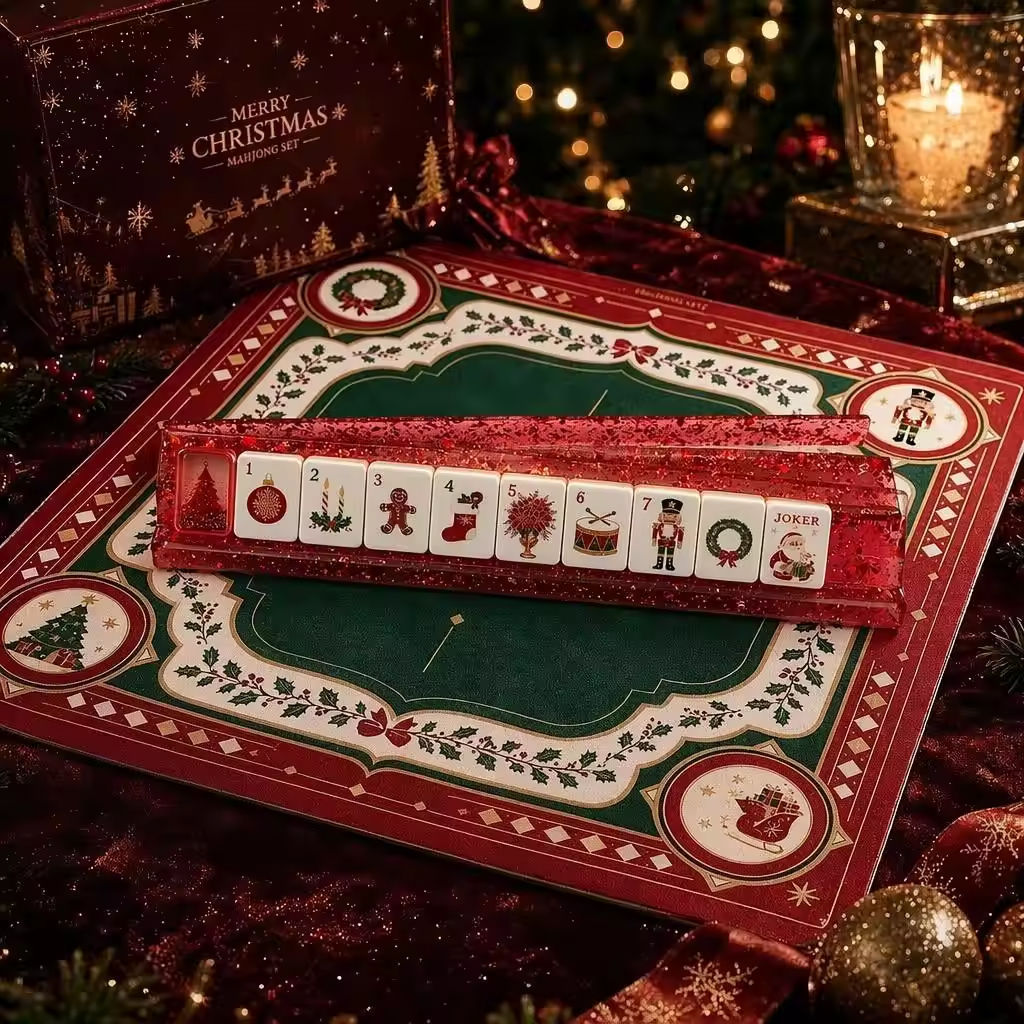
West Palm Beach offers several reliable entry points for American mahjong: community centers (especially those near downtown and around the Lantana area) often host weekly game circles; check your local library's bulletin board and website for group listings; country clubs with active social programs frequently run mahjong nights; and synagogues often sponsor Thursday or Friday afternoon games open to members and guests. Your best bet is to visit the city recreation department website, call ahead to confirm current game times and formats, and ask whether beginners can observe a session before joining. Most games use the current year's National Mah Jongg League card and play American rules—the standard format with 152 playing tiles. Expect games to run 2–4 hours per session. Many groups welcome newcomers but ask that you bring your own set (or arrange to borrow one beforehand). Mahstead offers engraved mahjong sets designed for regular players who want a set they'll recognize and trust across multiple venues.
West Palm Beach has developed a genuine mahjong culture over the past two decades. Whether you're drawn to the strategy, the social ritual, or simply reconnecting with a game you learned years ago, finding your table here is easier than you might think—but knowing where to look matters.
Where do most West Palm Beach mahjong players gather?
Community centers remain the most accessible starting point. Visit or call your nearest recreation facility (Palm Beach County Parks and Recreation maintains a current schedule online) and ask whether they host mahjong leagues or open-table sessions. Many run weekly games on Tuesday or Wednesday afternoons; some offer beginner clinics in spring and fall. Libraries—particularly the main branch—often post flyers from established groups and may host games themselves on quiet meeting room schedules. Country clubs with active women's groups or senior social committees frequently run mahjong nights, though some require membership or a guest voucher from a current member. Call ahead: game schedules shift seasonally and occasionally move online during summer months.

How do I find private mahjong groups in West Palm Beach?
Local synagogues and Jewish community centers are traditional mahjong hubs; many run regular Thursday or Friday games open to non-members for a nominal table fee. Search online for "[your neighborhood] synagogue mahjong" or contact the local Jewish Federation—they maintain an up-to-date calendar. Meetup boards, community Facebook groups, and Nextdoor frequently list informal game circles; search keywords like "mahjong West Palm Beach" or "mah jong games." Ask at your local tile or game shop whether they run a bulletin board or host player meetups. If you're a beginner, honesty helps: message the group organizer, explain your skill level, and ask whether they accept newer players or can recommend a beginner-friendly game.
What should I bring to my first mahjong game?
Arrive with your own mahjong set if you have one—many players prefer their own tiles for familiarity and because not all sets feel the same during rapid play. If you don't own a set yet, contact the group organizer in advance to ask whether you can borrow or share someone's spare. Bring the current year's National Mah Jongg League card (available free from the league or included with most best-selling mahjong sets); many players keep two printed copies at the table. Wear comfortable clothes, eat a light meal before play, and bring water. Leave your phone on silent. Most groups play for small stakes—ask the organizer about the betting structure so you can bring appropriate cash. Some games are purely social (no money exchanged). Arrive 10–15 minutes early to meet players and confirm house rules.
What's the difference between beginner and intermediate mahjong groups here?
Beginner groups emphasize teaching Charleston procedure, reading the tile card, and understanding hand-building logic; games move slowly, and experienced players help call out errors. Intermediate groups assume you know the rules, move faster, and don't pause for questions mid-hand. Advanced games involve heavy betting, rapid tile exchanges, and strict etiquette—players expect you to know the discard etiquette, recognize exposure rules, and move quickly. When you contact a group, ask directly: "Is this beginner-friendly?" and "How fast do you play?" If the answer is vague, ask whether you can observe a session first. Many groups are happy to have observers; it's the best way to gauge your comfort level before you sit in.
What mahjong equipment will I need long-term?
A quality American mahjong set is your foundation—you'll use it repeatedly, and having your own tiles lets you practice Charleston and tile recognition at home. Beyond the set itself, consider a mat for protecting your playing surface and organizing the active discard pile; a quality rack with pushers makes tile management smoother and reduces hand fatigue during long sessions. If you play at multiple venues, a durable travel bag keeps your set safe and tiles from scattering. Here's a quick breakdown of what works best for different scenarios:
Scenario | What you need | Why it matters |
Playing at one home table weekly | Set + mat | Familiar tiles; protected surface |
Playing at multiple clubs | Set + travel bag + racks | Portable, secure, easier tile management |
Teaching beginners | Set + large mat | Clear tile visibility; room for teaching notes |
Hosting at home | Multiple sets + cases | Guests can choose; backup if tiles scatter |
Traveling to tournaments | Premium set + protective case | Durability; no lost tiles mid-tournament |
When you're ready to invest in your own set, the best-selling mahjong sets collection includes both traditional and modern designs, and many players find that a personalized engraved set helps you recognize your tiles across different tables and build ownership in your game.
🀄 Shop best-selling mahjong sets →

What rules or house customs should I know before showing up?
Most West Palm Beach games follow American mahjong rules strictly—the National Mah Jongg League card is law, and hands not on that year's card don't count. However, house rules vary on three points: how many jokers you're allowed per hand (standard is 4, but some groups cap it at 2 or 3 to slow play), whether Soap (the White dragon) can substitute for any suit or only act as its tied-to-Dots role, and betting minimums. A few groups play a hybrid style that allows chows (sequences) or off-card hands for casual play, but these are rare; assume pure American unless told otherwise. Ask the organizer: "What tiles can I call and expose?" and "Are there any house rules I should know?" Most groups are forgiving of new-player mistakes if you ask first.
✨ Find your Mahstead set — free US shipping →
How often do West Palm Beach games meet, and what's the time commitment?
Most groups meet weekly—typically Tuesday, Wednesday, Thursday, or Friday afternoons, with some evening games on weekends. A standard session runs 2–4 hours, including a 10-minute break midway. Some casual circles meet monthly for lower stakes and lighter play; ask what suits your schedule. If you're new, commit to at least 3–4 sessions before deciding whether it's the right fit; you'll improve rapidly and spot which groups match your pace and personality. Many players find a primary game and a backup group, which provides flexibility when one cancels due to holidays or organizer conflicts.
What if I'm a complete beginner—can I still join?
Yes, absolutely. Many groups run beginner sessions or explicitly welcome newcomers. Your first step: contact the organizer, explain you're learning, and ask whether they have a beginner night or can recommend one. A few communities offer 4–6 week intro clinics in spring through the parks and rec department; these are ideal if they're running. Alternatively, ask an experienced friend to teach you the Charleston, tile recognition, and hand-reading at home first, then attend a social game to practice with live players. If you want to learn on your own, our mahjong for beginners guide walks you through the basics, and the how to play American mahjong post covers rules and card reading in detail. Most players remember being new; the community is generally patient.
What to check before you buy your first set
If you're buying a set specifically to join a West Palm Beach group, confirm with the organizer what tile style and format they prefer. Most American games use standard acrylic tiles (no collectible jade or bone sets needed for casual play). Verify the set includes a readable, current-year card and at least one rack with pushers so you can manage your hand comfortably. If you'll transport your set between venues, prioritize a travel bag or protective case—loose tiles scatter too easily in a car. Check that the set is a full 152-tile American set (not a smaller or Chinese variant). A personal tip: buy a set you genuinely like looking at; you'll play better and longer if you enjoy your tiles.
🎁 See our most-loved mahjong sets & accessories →

FAQ
How do I find the current meeting times for mahjong games in West Palm Beach?
Call your local recreation center or check their website directly; browse library bulletin boards and websites; search "mahjong West Palm Beach" on Meetup, Facebook, and Nextdoor; or contact nearby synagogues for their game calendars. Call 1–2 weeks before you plan to join to confirm the schedule hasn't changed.
Can I play mahjong if I don't own a set yet?
Yes. Contact the group organizer in advance and ask whether you can borrow a set or share with another player. Many experienced players keep an extra set and are happy to lend it to a newcomer for a session or two, but don't assume—always ask first.
What's the difference between American and Chinese mahjong, and which do West Palm Beach groups play?
West Palm Beach groups play exclusively American mahjong, which uses 152 tiles, the National Mah Jongg League card for valid hands, and the Charleston tile-passing ritual before each game. Chinese mahjong uses different tiles, hand patterns, and no card. Stick to American rules when joining a local group.
Do I need to pay money to play, or are there free games?
Both exist. Many casual circles play purely for fun with no betting. Social games at community centers are typically free or charge a small table fee (under a few dollars). Private or competitive games often involve small stakes per hand or per session; ask the organizer upfront so you know what to bring.
What if I'm rusty and haven't played in 10+ years?
You're not alone—many West Palm Beach groups include returning players. Contact the organizer honestly and ask whether the group welcomes rusty players or can recommend a beginner-friendly circle. Attend as an observer first if possible, then join at your own pace. Your muscle memory for the Charleston and tile reading will return quickly.
What's a reasonable budget for a mahjong set to take to games?
See current price on the product page for our best-selling mahjong sets. Most American mahjong sets are affordable and designed to last through hundreds of hours of play. Don't buy the cheapest option you find; invest in a set with clear, readable tiles and sturdy racks so you'll enjoy using it every week.


View More
View More
View More
