
1950s Mahjong Sets: Vintage Style, Modern Play
Last updated: Nov 23, 2026
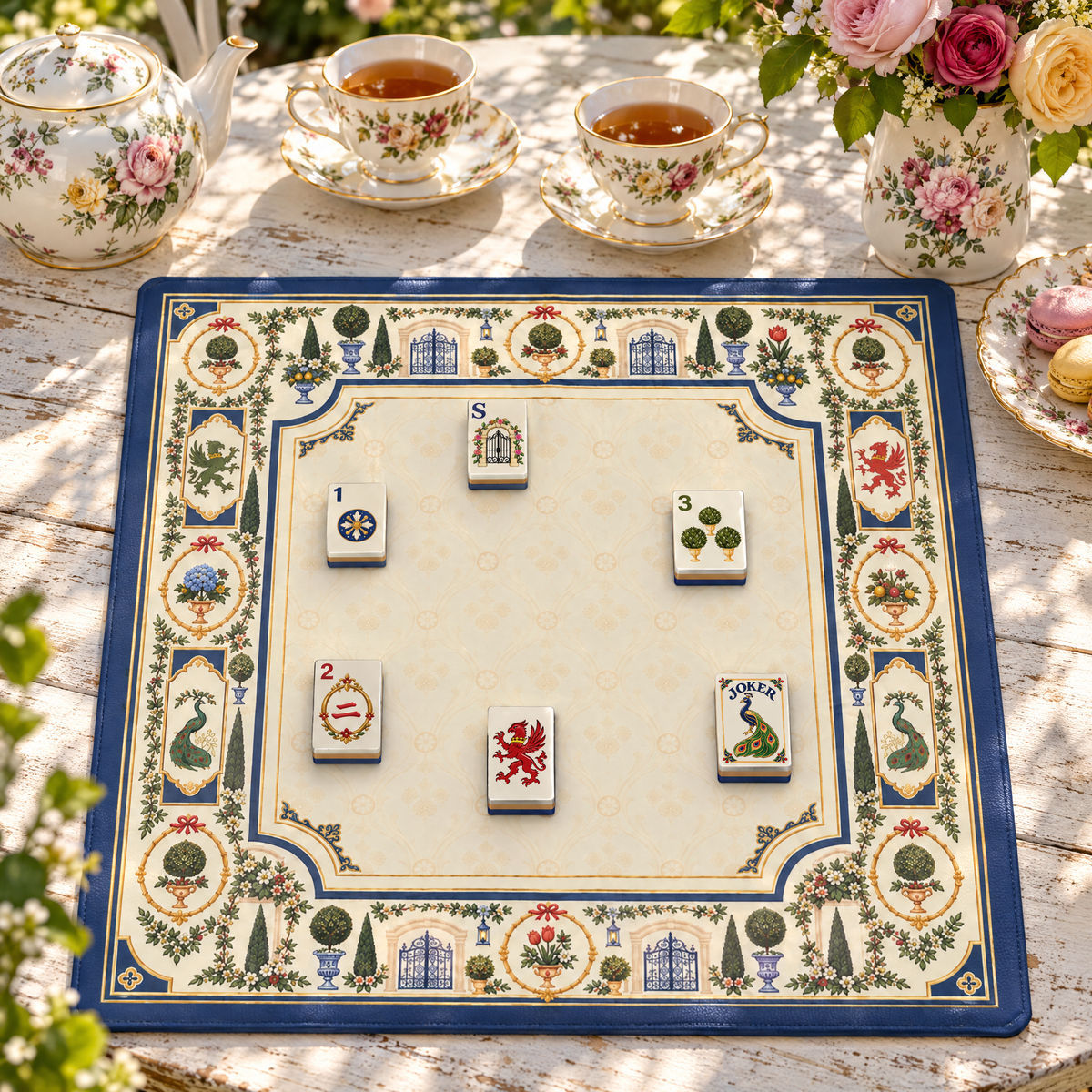
A 1950s mahjong set typically combines mid-century aesthetic—pastel or jewel-tone tiles, often bakelite or celluloid, with ornate brass or wood racks—alongside 152 playable tiles (three suits, winds, dragons, flowers, jokers) meeting current American rules. Authentic vintage sets from that decade are now collectibles; reproduction 1950s-inspired sets let you play with retro charm without fragility or cost of originals. Modern reproductions often use acrylic (durable, safer for weekly play) printed or engraved with period-accurate patterns: Art Deco motifs, pastel colorways, or bamboo-and-bird imagery. Prices for quality reproductions vary widely based on tile material, engraving detail, and included accessories (mat, rack, bag). Avoid heavily yellowed or cracked tiles (sign of age-related degradation) and confirm the set includes jokers and all 152 tiles before buying. Mahstead's engraved American mahjong sets include retro-inspired colorways and custom design options that let you recapture that 1950s feel while guaranteeing modern play compliance.
What made 1950s mahjong sets special?
The 1950s marked mahjong's American golden age: postwar prosperity, suburban entertaining, and the rise of women's leisure clubs drove demand for beautifully made sets. Tiles were hand-painted or printed onto bamboo slips or celluloid—delicate, expensive, treasured. Racks were carved hardwood or cast brass; carrying cases came in embroidered silk. The color palette favored pastels (soft pinks, mint green, butter cream) and jewel tones (deep red, navy, gold accents). Every set was semi-artisanal; no two were identical. Today, authentic 1950s sets are sought by collectors and estate sale hunters because they combined functionality, beauty, and scarcity—most were played hard and few survived intact.

Why collect vintage-inspired sets instead of originals?
True 1950s mahjong sets can cost hundreds at auction or antique dealers; tiles crack, bamboo warps, racks loosen. If you want to play weekly, not display behind glass, a reproduction vintage-inspired set is smarter: it captures the look and era-authentic patterns without the fragility, cost, or guilt of wearing out something irreplaceable. Modern acrylic tiles withstand shuffling, stacking, and humidity without yellowing or splintering. Engravings last longer than paint. A reproduction set with 1950s styling gives you the nostalgia and tabletop charm while staying within reach financially and functionally. You get the spirit of the era without archaeology.
How do you identify authentic 1950s mahjong set details?
Genuine 1950s sets show these markers: bamboo slips (thin, slightly irregular edges), hand-painted or silk-screened decoration, bakelite or early celluloid tiles (prone to discoloration), ornate wood or brass racks with patina, embroidered or silk-lined cases, and often a paper instruction card or score pad tucked inside. Tiles may be numbered rather than pictorial; winds and dragons may use older notation. If you're buying a set claiming to be from the 1950s, check for age-consistent wear (even color fade, consistent patina) versus artificially distressed new tiles. Ask the seller about provenance: estate sale, family collection, documented manufacturer? Conversely, reproduction sets are honest about newness; they mimic 1950s style (color, motif, material feel) without claiming false age.
How do 1950s design trends show up in today's reproductions?
Modern 1950s-inspired sets lean into the era's visual language: Art Deco geometry (sunburst rays, chevrons), nature motifs (bamboo, peonies, cranes), and a signature color palette of blush pink, pistachio green, soft gold, and cream against darker tile bases. Tile faces often feature hand-drawn or retro-illustrated characters—stylized birds for 1 Bams, delicate numerals in serif fonts. Some sets use two-tone tile edges (white face, colored rim) for contrast. Racks echo 1950s furniture: tapered wooden legs, brass hinges, felt-lined interiors. Carrying cases may replicate vintage embroidery or use period-appropriate fabric. Mahstead's best-selling mahjong sets include options with retro colorways and engraving patterns; our team can also customize sets with 1950s-inspired motifs if you want a one-of-a-kind vintage-looking piece for your table.
🎁 See our most-loved mahjong sets & accessories →
What should you check before buying a vintage-inspired 1950s set?
Feature | What to Look For | Why It Matters |
Tile count | Exactly 152 playable tiles + 8 jokers | American sets require no more, no less |
Tile material | Acrylic (modern) or tested celluloid (vintage); avoid brittle bakelite | Durability; celluloid can emit fumes if stored poorly |
Face style | Characters (pictorial) vs. numerals; confirm current American notation | Readability during play; older notation slows newer players |
Rack fit | Tiles stack evenly; pushers glide; no warping | Prevents tiles from spilling; supports long sessions |
Case condition | Interior reinforced; handles secure; lining intact | Protects tiles during transport |
Engravings | Sharp, even depth; no missing details | Hand-engraved sets age better than printed designs |
Color consistency | All tiles similar tone; no major yellowing | Indicates quality control; yellowing signals age-related degradation |
Before checkout, confirm the set includes a mahjong mat (or verify one is listed separately if needed), racks with pushers, and a carrying bag or case. Vintage-inspired sets sometimes sell tiles and accessories separately; don't assume everything is bundled.

How do you style a 1950s mahjong set for hosting?
A 1950s mahjong table sets a mood: soft lighting (amber lamps, not harsh overhead), a coordinating mat in complementary period colors, a small side table for tea or cocktails, and perhaps vintage glassware or a transistor radio playing era music. If your tiles are blush pink and mint green, choose a mat in cream or soft gray to let them shine. Wood racks in natural finish work with mid-century modern décor; brass racks suit Hollywood Regency or eclectic boho tables. Keep the case nearby (adds vintage visual interest) and display it open if the lining is embroidered. Host cards in period-appropriate fonts (serif, slightly italic) and a scorepad in a leather cover feel authentic. The 1950s aesthetic values elegance through simplicity: let beautiful tiles and racks be the focal point rather than clutter. Our mahjong mats come in solid and patterned options that pair well with retro colorways; many players choose a neutral base to showcase period-specific tile artistry.
✨ Find your Mahstead set — free US shipping →
What's the difference between reissues, reproductions, and authentic vintage?
Authentic vintage (1940s–1960s): Hand-made or semi-artisanal tiles, bamboo or celluloid, wear/patina visible, one-of-a-kind or limited production run, often no longer sold new, found via estate sales or collectors. Cost is high; fragility is real.
Licensed reissues: Manufacturer (usually Asian) reproduces a specific historical design under brand or estate license, using modern materials (acrylic, resin). Quality and authenticity vary; some are museum-quality, others mass-market. Sold via specialty shops or online.
Reproductions/inspired: New design mimicking 1950s aesthetic (colors, motifs, style cues) without claiming to replicate a specific vintage set. Made today with modern durability standards. Most accessible entry point. This is where Mahstead's engraved sets fit: we design original sets inspired by 1950s sensibility, custom-engravable, built for play, made to last.
🀄 Shop best-selling mahjong sets →
How do 1950s American mahjong rules differ from what's played today?
Rules themselves haven't changed, but notation and strategy references have. 1950s instruction cards used older wind and dragon names; today's National Mah Jongg League card (updated yearly) uses modern notation. 1950s players relied on printed score pads; modern apps track scoring instantly. The Charleston (tile-passing ritual before play) is unchanged since the 1930s, but 1950s players typically did three passes; today two passes are standard. Hands were written on cardboard "cheat sheets"; now the League card is laminated or digital. If you're buying a reproduction 1950s set, confirm the tiles use current American notation (pictures for winds/dragons, numbers for suited tiles) so newer players can read them instantly. The National Mah Jongg League card is published every March; any set you buy should work with the current year's card.
Before you buy: a short honesty check
Condition matters. If it's truly vintage and you found it at an estate sale, expect some wear—that's charm. If the seller claims 1950s but tiles are bright white and unmarred, ask why; new tiles are fine, but don't pay vintage prices for new sets. Tile thickness varies. Authentic bamboo and celluloid tiles are thinner than modern acrylic; this affects how they stack and shuffle. Try before buying if possible. Notation must match current play. Old Chinese characters or obsolete wind symbols won't work with today's League card. Confirm your set uses modern American notation. Completeness. A 152-tile set is standard; if it's advertised with missing tiles or a partial rack, factor repair or replacement into your budget. Playability vs. display. If you're buying a true collectible to admire, preservation methods (acid-free storage, climate control) differ from a set you'll use weekly. Be honest about intent before checkout.

FAQ
Can I use a real 1950s mahjong set to play American mahjong today?
Yes, if all 152 tiles and jokers are present and tiles use modern notation (pictures, numbers). However, vintage tiles are fragile; shuffling and stacking wear them. Most collectors prefer to play reproductions and keep originals safe.
What's the most common damage in vintage 1950s sets?
Cracked or warped tiles from humidity or heat; yellowed bamboo or celluloid from sun exposure; loose or cracked racks from repeated play; lost jokers or a few missing tiles. Check eBay sold listings to see what buyers complain about.
Are 1950s-inspired acrylic sets authentic enough to feel retro?
Absolutely. Acrylic is durable, takes engraving beautifully, and can replicate 1950s colors and motifs perfectly. You trade hand-crafted uniqueness for reliability, affordability, and weekly playability. Most modern players prefer acrylic for this reason.
How do I know if a set is really from the 1950s?
Look for age markers: yellowing on bamboo, consistent patina on brass, wear patterns on tile faces, original case condition, and maker marks or company stamps inside the case. Ask the seller for photos of details and any documentation (receipt, family provenance). Reputable antique dealers warrant authenticity; private sales are riskier.
What's the best way to store a 1950s mahjong set?
Keep it in its original case (or archival box if original is damaged) in a cool, dry place away from direct sunlight and humidity fluctuations. Don't stack heavy items on top. If it's a true collectible, avoid playing it; if it's a reproduction, play it freely and store normally after use—that's what it's made for.
Can I customize a reproduction 1950s set with my own engraving?
Yes. Mahstead and other custom shops offer engraved tiles and personalization options. You can add names, dates, motifs, or family crests to match your design. See current options on the engraved sets collection page.
Do 1950s mahjong sets come with mats and racks included?
It depends on the seller and listing. Vintage sets sometimes come with racks but not mats (mats were optional then). Reproduction sets vary; some bundles include everything, others sell tiles only. Always read the description carefully. If you're missing pieces, Mahstead sells mats and racks separately.


View More
View More
View More
