
What Set Do You Need for Japanese Mahjong
Last updated: Nov 23, 2026
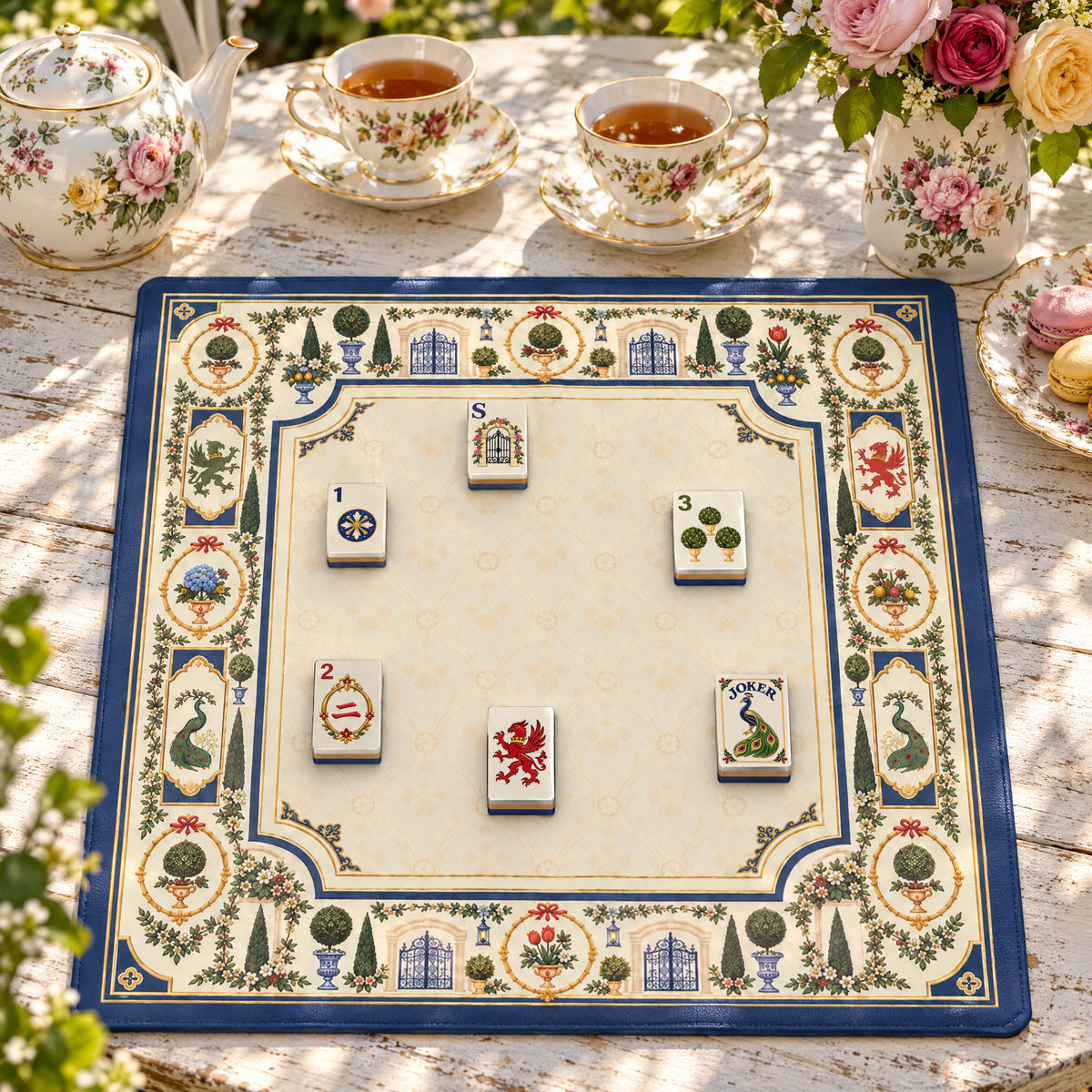
Japanese mahjong comes in three main variants: Riichi (standard in Japan, uses 136 tiles plus dice), Hong Kong (158 tiles, fast-paced, no drawn hands), and Chinese Classical (152 tiles, hand-driven, high complexity). None use American mahjong's National Mah Jongg League card. A Riichi set includes the 136-tile core, dice, and wind markers; Hong Kong and Chinese sets require 152–158 tiles but differ in flower/season tiles and dragon markings. If you're starting out, first confirm which variant your group plays—Riichi is most common internationally—then buy a set labeled for that game. Mahstead sells American mahjong sets (160 tiles, NMJL-compliant) rather than Japanese variants; for Riichi or Hong Kong sets, check specialist importers focused on those regions. Budget ranges vary widely by region and supplier; expect to spend more for tournament-quality tiles than casual sets. 🀄 Shop best-selling mahjong sets →
How many tiles does each Japanese variant use?
Riichi mahjong uses exactly 136 tiles: three suits (Honors, Characters, Dots, numbered 1–9) × 4 copies per number (108 tiles) + 7 Winds (E/S/W/N) × 4 each (28 tiles) = 136. No flowers, no jokers, no blanks. Hong Kong mahjong uses 152 tiles: the same 136 core plus 8 flower tiles (Spring, Summer, Autumn, Winter, Plum, Orchid, Bamboo, Chrysanthemum), with dragons and winds marked differently than Riichi. Chinese Classical also uses 152 but with seasonal tiles and unique dragon colorings tied to specific suits. The tile face and engraving matter: Riichi characters are small and standardized; Hong Kong tiles are often larger with prominent Chinese characters; Chinese Classical tiles vary by region. Your group's preferred rule set determines which you need.

What's the difference between Riichi, Hong Kong, and Chinese mahjong?
Riichi (official Japanese game) draws hands algorithmically from a deck and deals; players call melds (pung, kong, chow, pair) as they build toward winning patterns; the winner announces "Tsumo" (self-drawn) or "Ron" (taken from discard); scoring follows a fixed point system per hand type and tile combination. Hong Kong mahjong is faster: players draw and discard in turn, no pre-dealt hands, melding is optional early, speed and betting are central. Chinese Classical is hand-driven: a written list of winning patterns exists, similar to American mahjong's NMJL card, but patterns are memorized rather than referenced mid-game. Riichi is most common outside Asia; Hong Kong is regional (Cantonese-speaking areas). Chinese Classical is played mainly in mainland communities. If your group doesn't specify, ask directly—the game engine is completely different.
Can you use an American mahjong set for Japanese mahjong?
No, American and Japanese sets are incompatible. American mahjong has 8 jokers (wild tiles), 160 total tiles, and all exposed melds must follow the current year's NMJL card—the hand library changes annually. Japanese sets have no jokers, no NMJL card reference, and winning patterns are either memorized (Chinese Classical), drawn from a dealer deck (Riichi), or played by speed and custom house rules (Hong Kong). The tile suits and winds are marked differently too: American Bams/Craks/Dots differ visually from Japanese Bamboo/Characters/Circles. Even if a set had similar tile counts, the tile faces, special tiles (or lack thereof), and marking conventions mean you'd struggle to read hands and track melds correctly. Start with the right set for your game.
🎁 See our most-loved mahjong sets & accessories →
Where do you buy Japanese mahjong sets in the US?
Riichi and Hong Kong sets are not sold by mainstream American mahjong retailers; they're imported from Japan or Hong Kong and sold by specialist tile dealers, online importers, or regional Asian game shops. Search online for "Riichi mahjong set USA" or "Hong Kong mahjong import" to find current suppliers. Chinese Classical sets are available through some US-based importers and Chinese community retailers, particularly in cities with large Chinese populations. Before ordering, confirm the tile count and variant (ask the seller: "Is this Riichi 136-tile?" or "Hong Kong 152-tile?") and check if the set includes a rule card or hand reference—many international sets don't. Expect longer shipping if sourced from Asia. If you're hosting American mahjong games instead, our best-selling collections include full 160-tile sets ready to ship across the US.

What should you check before buying a Japanese mahjong set?
Feature | Riichi | Hong Kong | Chinese Classical |
Tile count | 136 | 152 | 152 |
Jokers/Wild tiles | No | No | No |
Flower tiles | No | Yes (8) | Yes (varies) |
Dice included? | Usually yes (2) | Often yes | Varies |
Wind marker set | Separate | Separate | Separate |
Tile size | Smaller (e.g., 20mm) | Larger (e.g., 28mm) | Varies (25–28mm) |
Hand reference | Memorized or dealer deck | Speed play, house rules | Written pattern card |
Best for beginners? | Medium (rules are fixed) | Hard (speed-based) | Hard (many patterns) |
Check before checkout:
Confirm the variant your group plays; ask them directly if unsure.
Verify tile count (136, 152, or 158) matches your game rules.
Look for a tile set labeled "Official" or "Tournament" if you plan regular play.
Ask the seller if the set includes dice, wind markers, or a rule sheet.
Check shipping origin and time—sets from Asia may take weeks.
Read reviews from players of your specific variant, not just "mahjong" reviews.
Confirm the tiles are machine-washable (most modern sets are) if you host frequently.
Do you need a mat, rack, or bag for Japanese mahjong?
Yes. Riichi and Hong Kong players commonly use a padded mat to protect tiles and muffle noise—essential for frequent players. Racks (or "hands") are less common in Riichi than American mahjong, but some players use them for easier tile management, especially beginners. A durable bag is important if you transport your set regularly, particularly if importing from overseas. If you're hosting weekly, a mat prevents tile wear and table damage; a good rack makes beginners more comfortable because they can organize tiles instead of holding them. Most Japanese sets sold internationally don't include these accessories, so budget separately. For American mahjong, our mahjong mats collection and racks with pushers are designed for 160-tile sets; Japanese set owners should look for universal mats and racks sized for smaller tile counts.
✨ Find your Mahstead set — free US shipping →
What's the best way to learn Japanese mahjong if you're new?
Find a local group first—learning from live players is faster than rule books. Search meetup boards, community centers, libraries, or regional game shops for Riichi or Hong Kong games; ask if they have a beginner night or loan a starter set. Online tutorials exist for Riichi (most documented variant), but hand terminology and strategy are easier to absorb in person. Once you commit to a variant, buy a set and a rule sheet or hand reference (Riichi players often use a printed guide or app). Practice calculating points early; scoring rules are the hardest part for newcomers. Never buy a set before attending a game—you might discover your group plays a different variant.
How much does a Japanese mahjong set cost compared to American?
Japanese sets vary widely: casual Riichi sets run lower than mid-range American sets, but premium tournament-grade Japanese tiles cost significantly more due to import and craftsmanship. American mahjong sets from Mahstead start at a specific range (see current price on the product page), and the 160-tile design is standardized. Japanese sets are harder to price consistently because they come from multiple regions and suppliers with different markups. For Riichi, expect price variability based on material (plastic vs. resin vs. bone/bamboo), tile engraving quality, and seller region. Ask the seller for exact pricing and compare sets by tile material and size, not just tile count—a bone-tile Riichi set will cost far more than plastic.

FAQ
Can I learn Riichi mahjong if I already know American mahjong?
Your tile-reading skills transfer, but forget the NMJL card and jokers completely. Riichi uses melds (chow, pung, kong) like Hong Kong does but bans jokers and requires strategic hand-building. The psychological play is different: American mahjong is pattern-matching; Riichi is risk management and calculation. Plan 10–20 hours of practice before playing competitively.
Do I need to buy a full 152-tile set if I only play with three people?
Yes, Riichi always uses the full 136-tile core (or 152 if Hong Kong) regardless of player count; the tile count is fixed by the game rules, not the table size. Some variant house rules exist for 2–3 players, but standard Riichi assumes four.
Are Japanese mahjong tiles the same size as American tiles?
No. Riichi tiles are typically smaller (around 20–22mm) than American tiles (around 30mm), and Hong Kong tiles are often larger (27–28mm). Mixing sets is not advised because racks, mats, and tile cases are sized to specific dimensions.
What's the easiest Japanese mahjong variant to learn first?
Riichi, because the rules are standardized globally, online tutorials are plentiful, and most US-based Japanese game communities play it. Hong Kong requires intuition and speed; Chinese Classical demands pattern memorization. Start with Riichi, then branch out.
Can I use one set for multiple Japanese mahjong variants?
No. Riichi uses 136 tiles; Hong Kong uses 152 with flowers; Chinese Classical uses 152 with regional variations. You need a set specific to your variant. Sharing is possible only if your group plays strictly the same variant.
Where do you source replacement tiles for a Japanese mahjong set?
It depends on the set's origin. Sets imported from Japan typically have replacements available through the original importer or specialist tile shops in Japan; Hong Kong sets have limited US availability. Always ask the seller about spare tile availability before buying—some importers offer none.


View More
View More
View More
