
1 Dot Mahjong Tile Meaning & Role in American Play
Last updated: Nov 20, 2026
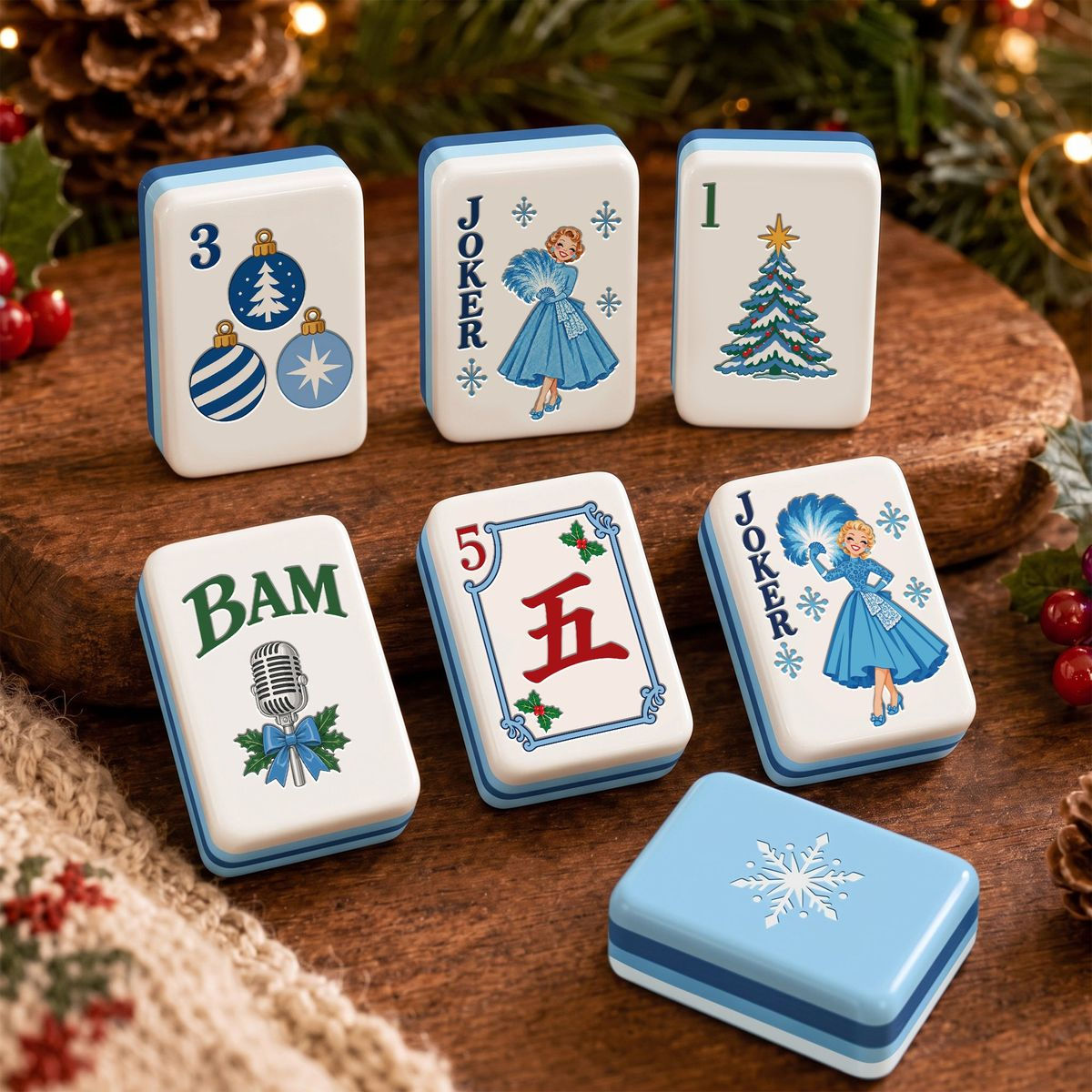
In American mahjong, the 1 Dot is a number tile in the Dot suit—the third of three number suits (Bams, Craks, Dots). Like all 1s, 2s through 9s in each suit, there are four identical 1 Dot tiles in a standard 152-tile set. The 1 Dot counts as the lowest number tile but also functions as a symbolic partner to the White Dragon (called "Soap"), which serves as zero. Together, 1 Dots and White Dragons appear in hand patterns on the current year's National Mah Jongg League card, often in pairs, pungs, or kongs. Because American mahjong hands are drawn only from that year's official card, the 1 Dot's value in any given game depends entirely on which hands your group can form. You'll need to check the card each season to see which patterns call for 1 Dots—unlike the classic number 9, the 1 is less common in basic beginner hands but appears frequently in intermediate combinations. When building or buying a set, ensure all four copies are included and clearly marked with a single dot symbol; sets from Mahstead come complete with the full standard complement.
The 1 Dot tile sits at the foundation of American mahjong's number system. Unlike strategy games where tile rank matters constantly, American mahjong is card-driven: the hand patterns you chase are printed on the National Mah Jongg League card, updated every spring. That official card tells you exactly when and where a 1 Dot becomes valuable. Without it, a 1 Dot is simply a number tile—with it, you're one step closer to a win.
Why is the 1 Dot called a zero in mahjong?
The 1 Dot isn't literally zero—it's the lowest number tile, ranked 1 on a scale of 1–9 per suit. The White Dragon (Soap), however, is American mahjong's actual zero tile. They pair symbolically: 1 Dot represents the numeric minimum; White Dragon represents the absence of number entirely. Some hands on the card specify "1 Dot or White Dragon" to give players flexibility when building combinations. Understanding this pairing helps you read the card faster and spot winning opportunities before other players.
🀄 Shop best-selling mahjong sets →
Where does the 1 Dot appear on the card?
The National Mah Jongg League card (issued each spring) is organized by hand type: pairs, pungs, kongs, quints, sextets, and honor-suit combinations. The 1 Dot appears in sections requiring low-number sequences or honor-tile pairings. Because the card changes yearly, you must reference the current year's version to know whether 1 Dots are active in your game. Hands may call for 1 Dot/White Dragon pairs, or pungs (three identical 1 Dots) exposed on the table. A few intermediate and advanced sections feature 1 Dots in specific numeric patterns. Always keep that year's card visible during play so you know which tiles matter most.
How many 1 Dot tiles are in a complete American mahjong set?
A standard American mahjong set contains exactly four copies of every tile from 1 to 9 in each of the three number suits (Bams, Craks, Dots), yielding 108 number tiles total. This means four 1 Dots, four 2 Dots through four 9 Dots, plus four copies of each wind, dragon, and flower tile. A complete 152-tile set includes all these, plus 8 jokers. When you buy from our best-selling collection, you receive all four 1 Dots ready to play—no counting, no guessing. If any are missing or chipped, your set is incomplete and cannot be played fairly.
What's the difference between 1 Dot and other low-number tiles?
Tile | Suit | Count in Set | Pairs With | Card Frequency |
1 Dot | Dots | 4 | White Dragon | Moderate |
1 Crak | Craks | 4 | Red Dragon | Moderate |
1 Bam | Bams | 4 | Green Dragon | Moderate |
2 Dot | Dots | 4 | None (number only) | High |
White Dragon | Honors | 4 | 1 Dot (zero) | Moderate |
The key difference: 1 tiles pair with dragon honors; 2–9 tiles do not. This makes the 1 Dot special—it bridges number and honor logic on the card. In hands using pairs, a 1 Dot pair is only valid if the card explicitly shows "1 Dot or White Dragon." A 2 Dot pair, by contrast, stands alone as a number pair. Low-number tiles like 1 and 2 appear in beginner hands, but 1 is rarer because of that dragon pairing rule.
🎁 See our most-loved mahjong sets & accessories →
How do you identify a 1 Dot tile if the marking is worn?
The 1 Dot is marked with a single dot symbol (a circle or spot) in the Dot suit's color scheme. On quality acrylic tiles, this marking is engraved and painted to survive hundreds of plays. If the dot becomes faded or hard to see, the tile is aging. Mahstead's acrylic sets use deep engraving so the marking remains legible even after years of weekly games. If you inherit or buy a used set with unclear 1 Dots, hold them under bright light and compare the single dot to a clear 2 Dot (two dots) or 3 Dot (three dots) to confirm. Worn tiles undermine fair play—if you cannot confidently identify a tile in dim light, replace it. Our engraved tiles resist wear because the symbol is cut into the material, not printed on top.
Which hand patterns on the card use 1 Dots most often?
The exact hands depend on that spring's card, but understanding how to read the mahjong card is essential. 1 Dots typically appear in sections featuring "like numbers" (1–2–3 patterns across any suit), pairs of honors and terminals, or honor-based combinations. Some years emphasize them; others minimize them. Before each season, experienced players scan the new card to identify which tiles are "hot" (appearing in many hands) and which are "cold" (rare). The 1 Dot is often moderate-frequency—useful enough to keep, not so common that you hoard them. This is why having a clear, playable set matters: a missing or illegible 1 Dot can cost you a win late in the game.
✨ Find your Mahstead set — free US shipping →
What to check before you buy
Completeness: Verify all four 1 Dots are present and match in color, size, and marking clarity.
Engraving depth: Press your fingernail against the dot symbol; if it's shallow or painted, expect wear within a season or two.
Comparison to 2 Dot: Lay a 1 Dot next to a 2 Dot under normal room light; the difference should be instant and obvious.
Set certification:Whats in an American Mahjong Set explains the full tile inventory—cross-check your purchase against that list.
Storage: Keep tiles in a dry place; moisture can dull engravings over time.

FAQ
Can I use a White Dragon instead of a 1 Dot in a hand?
Only if that year's card explicitly allows "1 Dot or White Dragon." If the hand shows only "1 Dot pair," you must use 1 Dots, not White Dragons. Always read the card carefully.
Why does the 1 Dot look different from other number tiles?
It doesn't—it has a single dot symbol, just like the 2 Dot has two dots, the 3 Dot has three, and so on. If it looks radically different in shape or color, you may have a damaged or counterfeit tile.
How often does the 1 Dot appear in winning hands?
Frequency changes each spring with the new card. Check the current year's National Mah Jongg League card to count which sections include 1 Dots; this varies year to year and affects strategy.
What happens if I lose a 1 Dot tile during a game?
The game must pause. A standard 152-tile set requires all four copies for fair play. Either replace it with a spare (if your set includes extras) or end the round and find the missing tile before resuming.
Do Chinese or Hong Kong mahjong rules use a 1 Dot differently?
Yes. Chinese and Hong Kong variants are sequence-based, not card-based; the 1 Dot there is simply the lowest number in runs (chow sequences like 1–2–3). American mahjong has no runs, so the 1 Dot's role is entirely determined by the National Mah Jongg League card.
Should I buy a set with extra blank tiles or jokers to replace worn 1 Dots?
Extra jokers can substitute during play if marked clearly; blanks cannot. However, prevention beats substitution—invest in a well-engraved set like those in our engraved American mahjong sets collection and store it properly to keep all 1 Dots readable for years.


View More
View More
View More
