
Wright-Patterson Mahjong Special Hands: Rules & Examples
Last updated: Nov 23, 2026
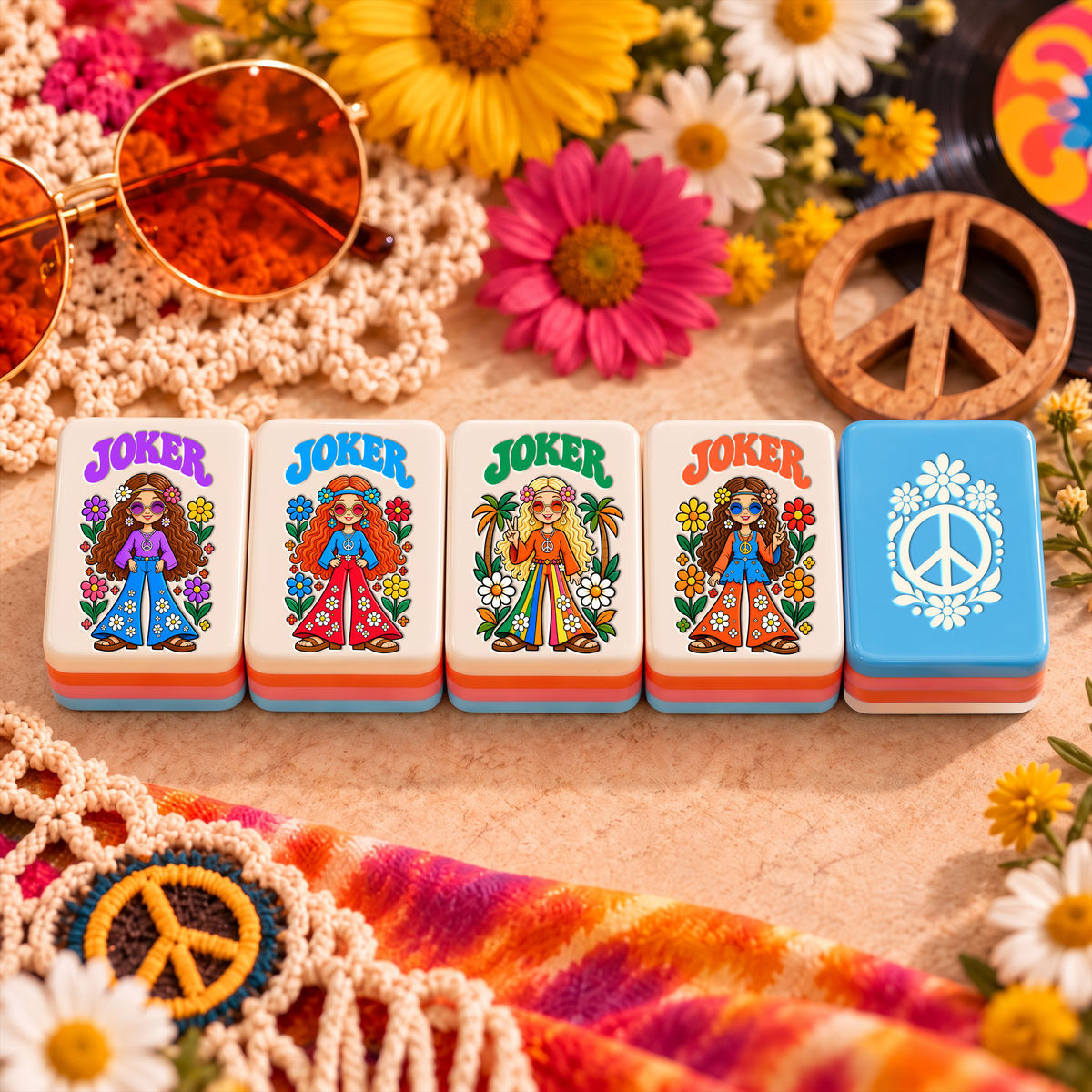
Wright-Patterson mahjong is a regional American variant that deviates from the National Mah Jongg League card by adding bonus points for certain tile combinations and allowing some hands to be played off-card with agreed-upon scoring. The game uses standard 152 American tiles (108 suited tiles in Bams, Craks, and Dots; 16 winds; 12 dragons; and 8 flowers, plus 8 jokers in play). Key differences: special hands—such as consecutive pungs, all-honor melds, or specific dragon combinations—earn multiplier bonuses; hand validation happens by community agreement rather than strict card reference; and some tables permit limited off-card declarations. Rules vary by region and playgroup, so verify your table's house rules before sitting down.
How do "special hands" differ from the official NMJL card?
The National Mah Jongg League card is binding for league and tournament play, listing only hands that score as printed. Wright-Patterson tables typically allow off-card hands with pre-agreed bonuses: for example, a hand of five consecutive pungs (like four 1 Dots, four 2 Dots, four 3 Dots, four 4 Dots, four 5 Dots) might earn double or triple the base score. Since no single "Wright-Patterson rulebook" exists, each table sets its own multipliers before the game starts. Common special-hand categories include all-honors (winds and dragons only), all-flowers, quint sequences, and triple-dragon combinations. Ask your hosts or playgroup to show you their house-rules sheet before your first hand.

What counts as a valid "special hand" at Wright-Patterson tables?
A special hand typically requires tiles with a recognizable pattern: either all tiles of one type (all winds, all dragons, all flowers), a sequence of pung groups that ascend by number, or a combination that was explicitly agreed upon. For instance, "three consecutive 4-tile kongs" (four 5 Bams, four 6 Bams, four 7 Bams) qualifies at many tables. The pair must still obey standard rules: identical tiles, no jokers in the pair, no single tiles used elsewhere in the hand. Once your group agrees on what counts, write it down so disputes don't derail the game. Regional variations mean Wright-Patterson in one city may score special hands differently than across the state.
How do jokers work in Wright-Patterson special hands?
Jokers function identically to American mahjong: they substitute for any tile in a pung, kong, quint, or sextet, but never appear in a pair or as a single tile. If your special hand is "four consecutive number groups," jokers can fill exposed melds, though some strict tables require at least one "live" (non-joker) tile in each meld for it to qualify as special. Never place a joker in the pair under any circumstances—this voids the hand. Verify before play whether your table counts "mostly joker" exposures as legitimate special hands or whether they require a minimum number of original (non-joker) tiles.
What's the scoring multiplier for Wright-Patterson special hands?
Special Hand Type | Typical Multiplier | Notes |
All honors (winds + dragons only) | 2×–3× | Rarest, highest bonus |
Three or four consecutive pungs | 1.5×–2× | Popular mid-level special |
All flowers or all blanks (if played) | 2× | Decorative, agreed-upon |
Quint + standard melds | 1.5× | Joker-heavy hands score lower |
Triple dragon (3 sets of different dragons) | 1.5×–2× | Requires 12 dragon tiles |
Base scoring follows American mahjong (points per meld type and hand complexity), then the multiplier applies. A hand worth 100 points as a standard off-card declaration becomes 150–300 points if it qualifies as special. Since no official NMJL scoring applies, each table sets multipliers before the round begins. Write them on a card and leave it on the table so everyone remembers.
🀄 Shop best-selling mahjong sets →

Can you play Wright-Patterson if you don't know the house rules?
No. Before you join or host a Wright-Patterson game, ask:
Which hands are allowed off-card and which must match the current NMJL card?
What multiplier applies to each special hand type?
Do jokers count fully in special hands or do they reduce the bonus?
Is the pair always off-card, or must it be a live (non-joker) pair?
What happens if two players call different off-card hands in one round?
Write the answers down and read them aloud at the table start. This prevents arguments mid-game and keeps the variant fun. Many Wright-Patterson hosts provide a one-page rules summary; ask for it. If your playgroup hasn't formalized rules yet, suggest a house-rules meeting before next game night.
How do you know if your special hand actually wins?
In American mahjong, the current NMJL card is the final authority. In Wright-Patterson, it's majority agreement. When you declare a special hand:
Name it aloud (e.g., "all honors, triple bonus").
Show all four melds plus the pair without rearranging.
State which tiles are jokers (if any) and confirm the pair is live.
Wait for the table to agree or challenge.
If challenged, consult the house-rules sheet or a designated "rules keeper."
If no consensus exists, do not accept the hand that round; note it for future clarification.
Never argue during active play. Table peace matters more than one hand. Save rule disputes for the break or next game night. Many experienced players keep a photo of their group's rules on their phone for quick reference.
🎁 See our most-loved mahjong sets & accessories →
What equipment helps you play Wright-Patterson cleanly?
A quality set and mat ensure tiles stay visible and exposures stay organized—crucial when you're tracking both on-card and special hands simultaneously. Our engraved American mahjong sets let you clearly distinguish tile values at a glance, especially if you're teaching newer players or playing under dim lighting. A padded mat keeps tiles from sliding as you arrange exposures, and racks with pushers help you maintain a neat hand without accidentally revealing tiles. If you're hosting Wright-Patterson games regularly, invest in a durable set and protective mat; they last for years and reduce disputes over unclear tile faces.
What to check before you buy a set for Wright-Patterson play
Tile clarity: Can you read each Bam, Crak, and Dot number instantly? Acrylic tiles with engraved numerals work best under any light.
Joker visibility: Are jokers distinctly marked so no one confuses them with blanks?
Pung/kong stability: Do tiles sit flat on the mat without rocking or spinning?
Case protection: Does the set come in a durable bag or case? Wright-Patterson games move sets frequently between hosts' houses.
Spare tile count: A 160-tile set includes spare tiles; confirm your set has extras so you can replace worn or chipped tiles over time.
✨ Find your Mahstead set — free US shipping →

FAQ
Is Wright-Patterson mahjong an official variant recognized by the National Mah Jongg League?
No. Wright-Patterson is a regional, house-rules variant played in military communities and parts of the Midwest. The NMJL does not sanction it. Tournament and league play always use the official NMJL card. Wright-Patterson is for casual, social games among friends who agree to the same house rules.
Can I play Wright-Patterson hands using the current year's NMJL card?
Yes, any hand on the current NMJL card is always valid in Wright-Patterson. The variant adds off-card special hands on top of the official card, not instead of it. Many Wright-Patterson games mix on-card and special hands in the same round.
What happens if one player claims a special hand and another disputes it?
Consult your table's written house-rules sheet. If no consensus emerges, the hand does not count that round. After the game, discuss whether to clarify the rule or allow it in future rounds. Keeping peace at the table is more important than winning one hand.
Do jokers ever count in a pair in Wright-Patterson?
No. American mahjong rule: jokers never appear in a pair or as a single tile, in any variant. If you use a joker as part of your pair, your hand is invalid. This applies to Wright-Patterson, standard American, and all other acrylic-set variants.
How do I start a Wright-Patterson game if my group has no house rules yet?
Before you shuffle, write down answers to: (1) Which hands are allowed off-card? (2) What multiplier does each earn? (3) Must the pair be live or can it be joker-substituted? (4) What's the final authority if there's a dispute? Read the answers aloud, confirm everyone agrees, and save the sheet for next time.
Are special hands worth learning if I play mostly on the NMJL card?
Yes. Understanding off-card hand patterns trains your eye to spot tile sequences and honors groupings, which improves your ability to spot on-card hands faster. Many Wright-Patterson concepts also strengthen casual play among friends who value variety over rigid rules.


View More
View More
View More
