
Wooden Mahjong Tiles: American vs. Acrylic—What to Choose
Last updated: Nov 23, 2026
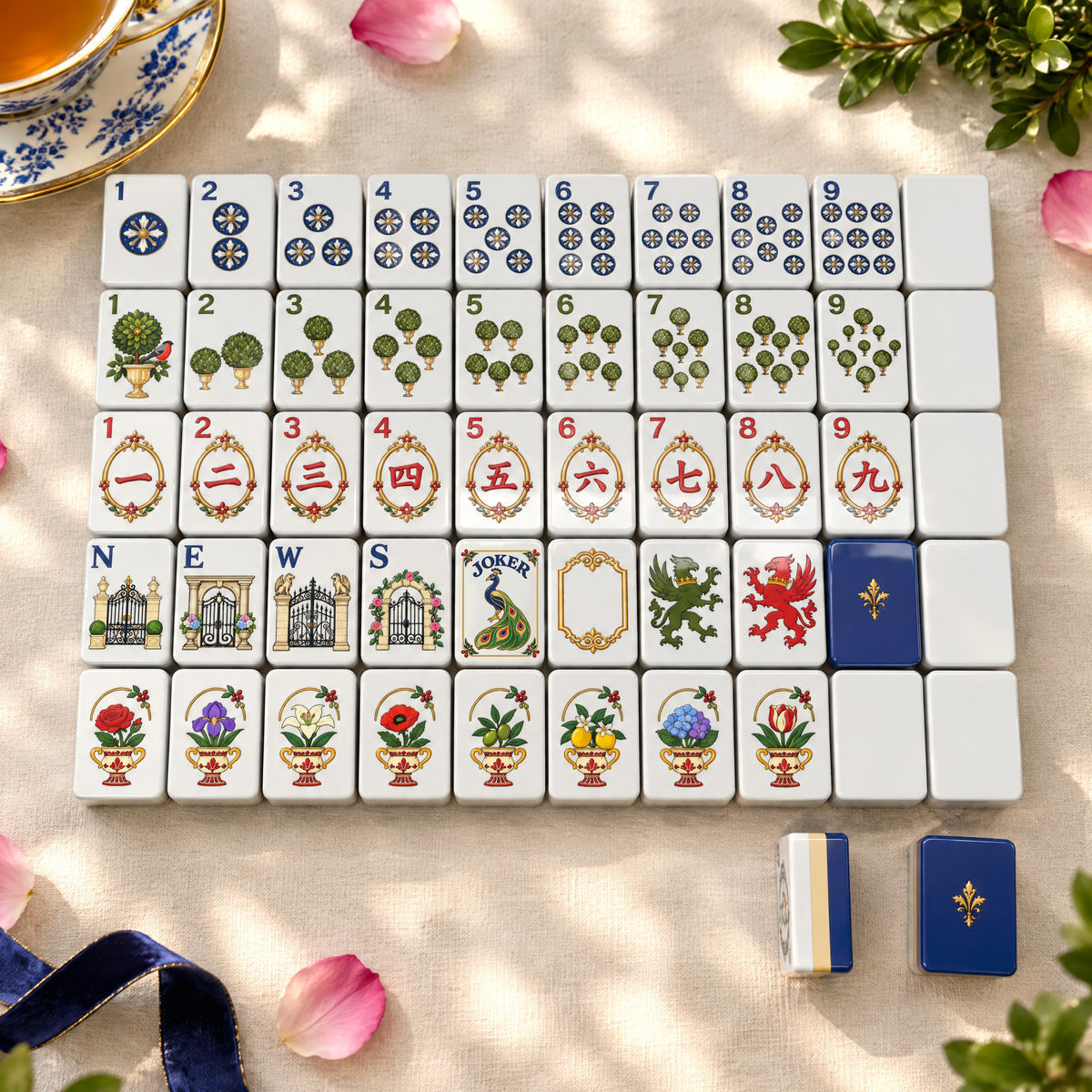
Wooden mahjong tiles offer warmth and heft that many longtime players love, but acrylic dominates American mahjong for good reasons: acrylic is lighter, doesn't warp in humid Dallas summers, resists cracking, and the engraved bamboo/character faces stay crisp after years of use. Traditional wooden tiles (bamboo slats laminated with bone, or solid hardwood) feel luxurious but require careful storage, can swell or crack with humidity swings, and cost considerably more upfront. For American mahjong played weekly indoors, acrylic is the practical choice—it's durable, easy to clean, and holds engraved detail through thousands of draws. Mahstead's acrylic 160-tile sets are made with tumble-finished edges, so they shuffle smoothly and won't splinter or catch on a mat. If you're drawn to wood for aesthetics, understand the trade-offs: you'll spend more time maintaining them, and they're best for casual or display play rather than the fast-paced weekly game.
Why do wooden tiles crack or warp?
Wood is hygroscopic—it absorbs and releases moisture based on humidity. A bamboo-and-bone tile set stored near a window, in a basement, or in a climate where winter heating dries out the air will expand and contract, eventually splitting along the grain or warping so tiles no longer stack flat. Acrylic has nearly zero moisture absorption, so it remains stable across seasons.

What's the weight difference, and does it matter?
Wooden tiles are 40–60% heavier than acrylic, and weight shapes how a set feels. Heavy tiles require more wrist strength for the Charleston (the pre-game tile-passing ritual) and shuffling; lighter acrylic sets are kinder to hands during a long game, especially for players with arthritis or carpal tunnel concerns. Understanding the Charleston helps you gauge whether tile weight matters for your group's play style.
How do engraved details hold up over time?
Engraved wooden tiles can fade or fill with dust and oil from repeated handling; acrylic retains engraved character and suit marks indefinitely because the pigment is baked into the material. After five years of weekly play, a wooden set's faces may look dull; acrylic sets stay crisp. For serious American mahjong players, this durability is worth the tradeoff in that "classic feel."

How much more do wooden tiles cost, and is it worth it?
Wooden sets typically cost 50–100% more than acrylic equivalents, based on material sourcing and manufacturing labor. The premium buys you aesthetic appeal and collectibility, not performance—you won't win more hands or play faster. If your weekly game is casual and you want a conversation piece, wood may justify the cost; if you play seriously 40+ times per year, acrylic saves money and hassle.
Which material is best for travel and storage?
Acrylic wins here decisively. Wooden tiles need a rigid case and climate-controlled storage to prevent warping; acrylic tiles pack flat into a dedicated mahjong bag or case, withstand luggage compression, and don't absorb hotel humidity or car heat. If your game rotates between homes or you travel with your set, acrylic is the only sensible choice.
Quick Comparison: Wooden vs. Acrylic Mahjong Tiles
Factor | Wooden | Acrylic |
Humidity Sensitivity | High—warps, cracks in humidity swings | None—stable year-round |
Weight | Heavy (40–60% more) | Light—easier for extended play |
Engraved Detail Longevity | Fades or dulls after years | Remains crisp indefinitely |
Maintenance | Needs climate-controlled storage, regular care | Wipe clean, no special storage |
Cost Basis | Significantly higher upfront | Lower entry point |
Travel-Friendly | Requires rigid case, climate worry | Packs easily, travel-safe |
Aesthetic Appeal | Luxurious, traditional feel | Modern, clean look |
Best For | Collectors, casual/display play | Weekly serious American mahjong |
🀄 Shop best-selling mahjong sets →
What to check before you buy wooden tiles
Source and material: Is the wood solid hardwood, or is it bamboo laminated to bone? Laminated is traditional but more prone to delamination if humidity shifts rapidly.
Engraving quality: Ask the seller for photos of the face detail—characters should be crisp and legible. Shallow engraving fills with dust.
Storage plan: Do you have a climate-controlled closet or cabinet? Wooden tiles in a garage or basement will warp within two years.
Your play frequency: If you host weekly games, wooden tiles may not justify the maintenance. Learn more about hosting a weekly game setup to understand the demands on tile durability.
Suit compatibility: Confirm the set follows American mahjong standards (three suits: Bams, Craks, Dots; 152 playing tiles plus jokers). Wooden sets sometimes use alternative suit symbols that confuse newer players.
The honest truth: we use acrylic at every regular game night. Wood tiles are beautiful to own and display, but acrylic is what we reach for when the stakes are real and we're playing four times a week across a humid Texas summer. Acrylic tiles from our best-selling collection are engineered for the shuffle, the heat, and the endless turns of American mahjong—and they cost a fraction of wooden sets while lasting just as long or longer.
🎁 See our most-loved mahjong sets & accessories →
If you're building your first set or replacing one after years of play, acrylic removes the guesswork and the regret. Start with acrylic, play hard, and revisit the wooden-tile dream later if you want a display set. Most of us never do—the game itself is reward enough.
✨ Find your Mahstead set — free US shipping →

FAQ
Will wooden tiles last as long as acrylic if I store them carefully?
Wooden tiles last 10–20 years with meticulous climate-controlled storage; acrylic lasts 20+ years with zero fuss. Careful storage extends wooden life but doesn't eliminate humidity risk—a single humid summer can cause warping you can't reverse.
Can I mix wooden and acrylic tiles in the same game?
No. Mixed tile weights change shuffling feel and draw mechanics. American mahjong plays best when all 160 tiles (152 playing + 8 jokers) match in material, weight, and finish. Switching mid-game ruins rhythm and fairness.
Are bone-and-bamboo tiles stronger than solid wood?
Bone-and-bamboo is traditional and attractive but more susceptible to delamination—the bone face can separate from the bamboo body if humidity spikes. Solid wood is sturdier but still prone to cracking. Both require more care than acrylic.
How do I tell if a wooden set's engraving will fade?
Request close-up photos from the seller before buying. Deep, crisp engraving resists fading; shallow engraving or paint-filled faces dull quickly. Acrylic engraving is always deep and baked in, so fade isn't a concern.
What's the best way to clean wooden vs. acrylic tiles?
Acrylic: wipe with a dry microfiber cloth or slightly damp cloth; air-dry. Wooden: dry cloth only—never use water or moisture, which accelerates warping. For wooden tiles, occasional light buffing with a soft cloth preserves finish. Acrylic requires almost no maintenance beyond a quick wipe.
If I buy wooden tiles, do I need special storage furniture?
Yes. Wooden tiles should live in a hard case or wooden box stored in a climate-controlled closet, away from direct sunlight and temperature swings. Acrylic tiles pack into any mahjong bag or case and tolerate normal home conditions without issue.
Can wooden tiles be repaired if they crack?
Minor surface cracks can sometimes be filled with wood epoxy, but structural cracks (especially along lamination lines) are permanent. Acrylic tiles that crack are typically replaced—damage is rare. Repair is not a reliable option for either material.


View More
View More
View More
