
Chinese Mahjong Cheat Sheet: Tiles, Rules & Quick Reference
Last updated: Nov 23, 2026
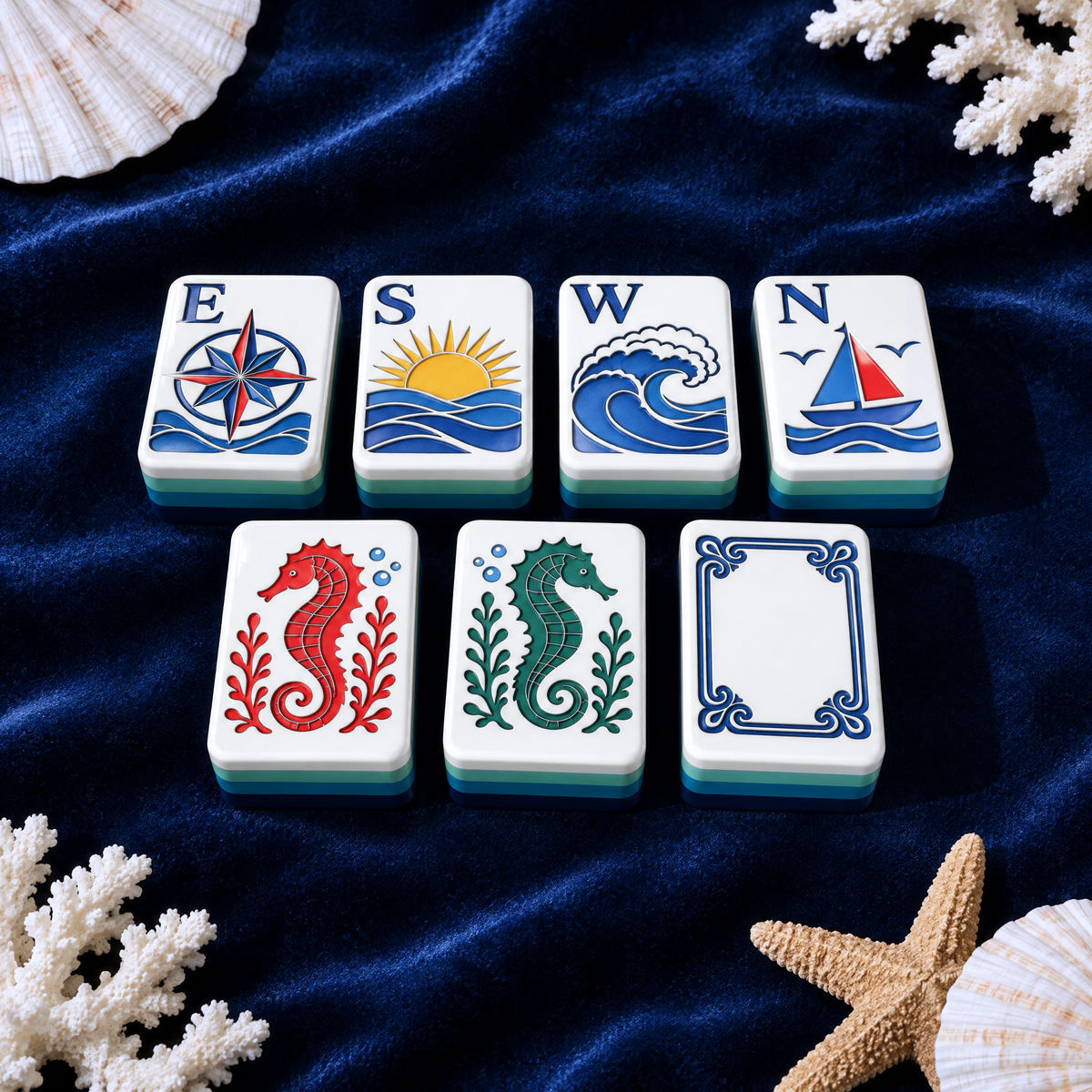
Chinese mahjong uses 144 tiles (not 152) split across three suits—Bams, Craks, Dots, each numbered 1–9, four copies each—plus honors (winds and dragons). Unlike American mahjong, Chinese play allows melded sequences called chows (three consecutive numbers like 4–5–6 Dots) and pungs (three identical tiles). Winning hands must follow specific patterns from your regional ruleset: Hong Kong play rewards concealed hands and pung-heavy combinations; Taiwan emphasizes melds and bonus scoring; Riichi (Japanese) layers betting and hand concealment into tense endgame rounds. There are no jokers in classical Chinese variants, no annual card, and no Charleston. Winning occurs when you draw or claim a tile that completes your hand to a valid pattern—typically 14 tiles in chow-based games, 17 in some pung variants. We recommend starting with American mahjong's simpler tile set if you're new, then exploring Chinese rule books and regional play groups to master the nuances of your preferred variant.
What tiles does Chinese mahjong use compared to American?
American mahjong has 152 tiles; Chinese classical uses 144. Chinese drops American's jokers and flowers entirely, keeping only Bams, Craks, Dots (36 tiles), winds (16), and dragons (12). American honors include both Red, Green, and White dragons plus flowers (American-specific); Chinese uses Red, Green, and White dragons only. The 1 Bam still depicts a bird in most sets. Craks carry a decorative symbol, Dots show circles. When shopping for a Chinese set, verify the tile count on the box: 144 playing tiles means classical Chinese; 160 means extra spares but designed for American or a variant with jokers.
🀄 Shop best-selling mahjong sets →

How do chows work—and why can't American players ignore them?
In Chinese mahjong, a chow (also called a kong in some texts—confusing, we know) is a sequence of three consecutive numbers in the same suit: 1–2–3 Dots, 7–8–9 Bams, etc. You can meld and expose chows during play, and your winning hand must contain at least one chow in most Chinese variants. American mahjong forbids chows entirely: all melds are pungs (three identical), kongs (four identical), or joker-enhanced combinations. This single rule shift changes strategy radically. In Chinese play, you hunt for sequential tiles; in American, you hunt for duplicates. If you learned American first, breaking the chow habit takes two or three evenings of practice. A detailed mahjong rules reference will help you spot the differences.
What are the main Chinese regional variants—and how do their winning hands differ?
Hong Kong Mahjong rewards concealment: you keep as many tiles hidden as possible; your hand wins by "going out" with a specific pung or chow combination (often all pungs for highest value, or mixed pung–chow sets). Scoring prizes fully concealed hands and penalizes exposing melds.
Taiwanese Mahjong allows more flexible meld exposure and emphasizes "bonus" tiles: flowers and seasons (eight bonus tiles in some sets) that grant free draws and points. Winning hands often require exact bonus-tile contributions.
Riichi (Japanese) Mahjong adds a betting mechanic: declare "riichi" (ready) when one tile away from winning, freezing your hand and doubling stakes if you win. The discard pile becomes public strategy—everyone reads each other's rejected tiles to infer hand danger. Winning requires 14 tiles; seven different hand types grant increasing scores.
Taiwanese vs. Hong Kong vs. Riichi: Hong Kong is pung-heavy and silent; Taiwan is meld-rich and bonus-driven; Riichi is declaration-based and tension-heavy. All three play with 144 tiles. Pick your variant by whether you prefer pure luck (Taiwan), strategic concealment (Hong Kong), or psychological declaration play (Riichi).
What's the simplest quick-reference chart for hand patterns?
Variant | Minimum Tiles | Winning Pattern | Chows Allowed? | Bonus Tiles? | Play Speed |
Hong Kong | 14 | All pungs (highest) or mixed | Yes | No | Medium |
Taiwanese | 14–18 | Meld sets + bonuses | Yes | Yes (8 tiles) | Slower |
Riichi (Japanese) | 14 | Seven types (pairs + chow sets) | Yes | No | Fast |
American | 14 | Card-based patterns each year | No (pungs/kongs only) | No | Medium |
Quick takeaway: Hong Kong plays tight and silent; Taiwanese runs bonus-heavy and long; Riichi moves fast and loud; American is the only ruleset that changes yearly.

How does discarding strategy differ between Chinese and American play?
In American mahjong, you discard tiles not on your year's card; discards are silent and strategic, but not life-or-death, because the card limits your winning patterns. In Chinese mahjong, especially Riichi, discard order screams your hand intention. If you throw your 4 Bam early, opponents read you as not building 3–4–5 sequences in Bams. In Hong Kong, silent discard is prized—throwing random high-value honors confuses opponents. In Taiwanese, discards are less pressured because bonus tiles often reset board pressure. American players used to predictable card-based discarding often bleed strategy in their first Chinese game by discarding patterns too neatly. Best practice: study three rounds of your chosen variant's discard discipline before joining a real table. Watch replays (YouTube has channels for Hong Kong and Riichi), note when and which honors get pitched, and copy that tempo.
What single rule change would make an American mahjong player struggle most in Chinese play?
The absence of jokers and the presence of chows. American players rely on jokers to patch incomplete sets; Chinese play offers no patch. You must complete genuine three-tile chows or four-tile pungs from the draw alone. This flips the entire psychology: American is "build around jokers"; Chinese is "chows are free gold." A player's first Chinese session often ends with them discarding a 5 Dot because "it doesn't match the hand" they're imagining—when in fact 4–5–6 Dots chow is live. Spend 30 minutes pre-game learning chow notation (1-2-3, 7-8-9, etc.) and you'll halve your decision time.
What to check before you buy a Chinese mahjong set
Tile count: 144 = classical Chinese; 160 = likely American or hybrid (verify the product page). We stock 160-tile sets designed for American play; confirm your intended variant before ordering.
Suit markings: Bams (with plant symbols), Craks (with character/design), Dots (with circles). No ambiguity saves costly mistakes mid-game.
Honor tile clarity: Dragons (Red, Green, White) and winds (N, E, W, S) should be instantly readable. Faded prints cost time.
Tile weight and feel: Acrylic tiles should feel balanced; poorly weighted tiles roll toward winners and losers rather than resting neutral on a mat.
Storage: A Chinese 144-tile set fits any standard mahjong bag, but confirm your case's interior dimensions match before checkout.
🎁 See our most-loved mahjong sets & accessories →
Comparison: American vs. Chinese mahjong—what each player should know
Rule Element | American | Chinese (General) |
Tile count | 152 + 8 jokers | 144 (no jokers) |
Melds allowed | Pungs, kongs, quints, sextets—no chows | Pungs, kongs, chows |
Winning hand types | Annual card only (1 valid hand per year, ~40 variations) | Ruleset-dependent (7–40+ patterns) |
Bonus tiles | Flowers (American-only, part of 152) | Seasons/bonuses (Taiwanese variant only) |
Joker substitution | Legal in all melds except singles and pairs | Illegal (no jokers exist) |
Discard pressure | Moderate (card constrains strategy) | High (every tile broadcasts intent) |
Rounds per session | ~8 (one hand per player rotates dealer) | ~8–12 (faster resolution) |
Learning curve | 3–5 evenings (card is the puzzle) | 4–8 evenings (chows + regional rules) |
Core insight: American is puzzle-based (solve the card); Chinese is pattern-based (hunt chows and declare readiness).
✨ Find your Mahstead set — free US shipping →
Choosing a variant depends on your play circle and patience. If you're in a region with established Chinese mahjong groups—many urban libraries, community centers, and cultural associations host weekly tables—ask the host which ruleset they play. Most Hong Kong groups welcome newcomers; Riichi clubs usually offer a brief tutorial. Bring this cheat sheet, stay quiet through your first round, and ask one question per hand until you own the rhythm. We recommend browsing our best-selling mahjong collections to select a durable set; many players buy two (one for American, one for Chinese) to avoid rule confusion mid-game.

FAQ
Can I use an American mahjong set to play Chinese mahjong?
Not reliably. American sets include jokers and flowers (extra tiles not in classical Chinese games). You'd have 160 tiles instead of 144, and jokers would tempt illegal substitutions. Many Chinese players accept American sets at casual tables, but official tournaments require proper 144-tile decks. If you play both variants regularly, owning separate sets prevents costly mid-game rule disputes.
Is Riichi mahjong harder than Hong Kong or Taiwanese?
No—it's different. Riichi has fewer hand types (seven) but demands faster decision-making and psychological reading of discards. Hong Kong requires patience and silent strategy; Taiwanese demands bonus-tile arithmetic. Pick based on your play style: prefer speed, choose Riichi; prefer stealth, choose Hong Kong; prefer math and bonuses, choose Taiwanese.
What's the fastest Chinese variant to learn if I know American mahjong?
Hong Kong. It uses the fewest bonus mechanics (no seasons, no bonus tiles) and emphasizes straightforward pung or mixed-meld logic. Skip Taiwanese initially—the bonus-tile system adds 10+ hours of learning. Riichi is fast once you memorize seven hand types, but the discard psychology is steep for a newcomer.
Do I need special dice or racks for Chinese mahjong?
No. Classical Chinese mahjong uses one die (not three like American) to determine wall draw position. Any standard die works. Racks and pushers are optional and help with tile management but aren't required. Many casual Chinese tables play wall-style, drawing and discarding from hand without racks.
Where can I find people to play Chinese mahjong near me?
Search Meetup.com for "mahjong" + your city; check community centers, libraries, and cultural associations (many host free or low-cost drop-in tables). Ask the host which ruleset they teach—some specialize in Hong Kong, others in Taiwanese. If no local group exists, online platforms (Mahjong Soul, Riichi City) let you practice rule variants with video tutorials before joining an in-person table.
Should I start with American or Chinese mahjong as a complete beginner?
American, if you live in North America and have a local club. It's simpler (one card, no chows, joker crutch). Chinese is richer but requires finding the right regional variant and learning group. Pick whichever has players near you; friendship beats rule elegance.


View More
View More
View More
