
Winter Mahjong Party Ideas: Games, Décor & Hosting Tips
Last updated: Nov 23, 2026
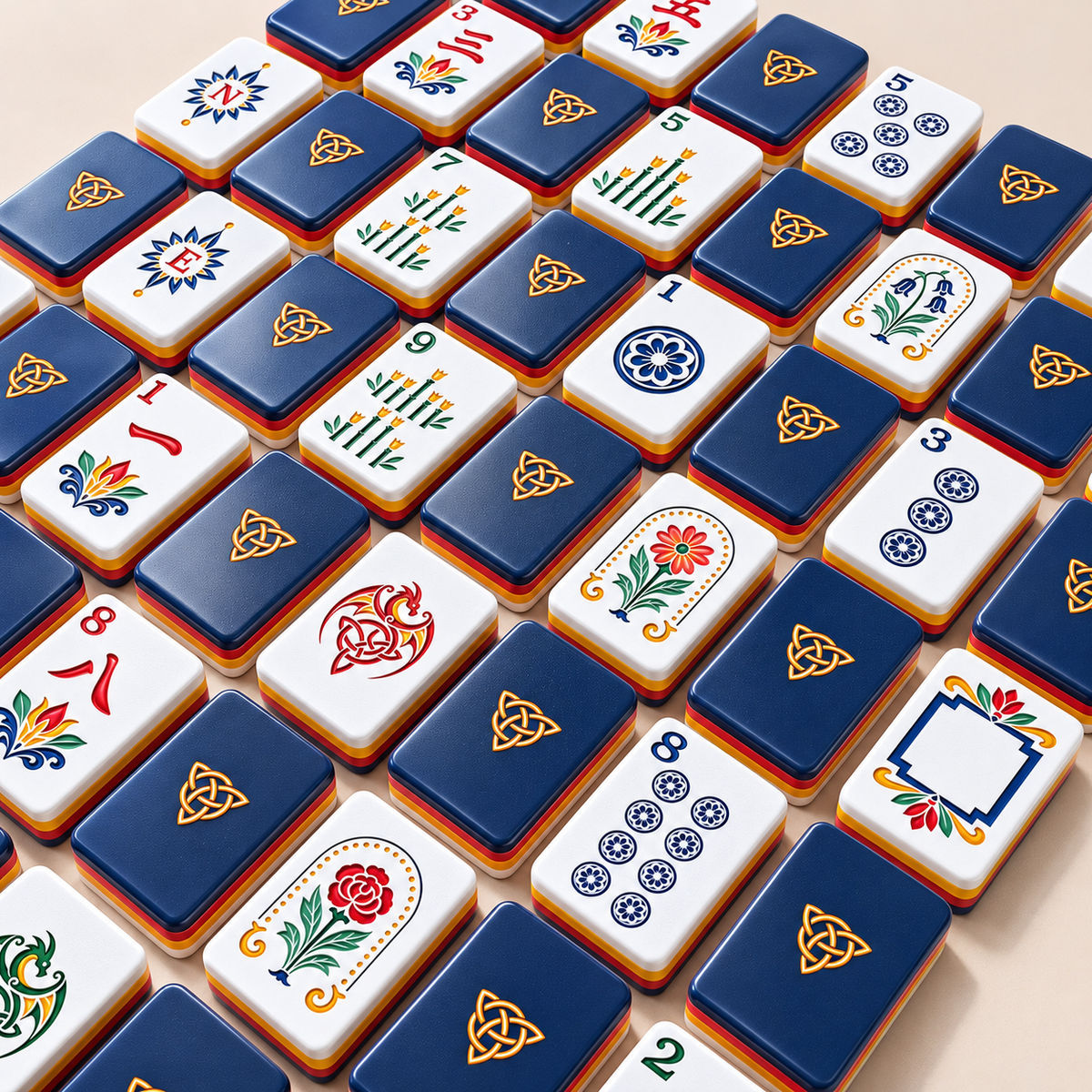
A winter mahjong party works best with 4 players seated at one table, though you can run multiple games for 6–8 guests. Plan 2–3 hours, set the room to 68–72°F, and light a fire or use warm lamps to create atmosphere. You'll need a set with clear tiles, a mat to protect your table, and racks with pushers so everyone sees their hand clearly. Pull the current year's National Mah Jongg League card so all players follow the same hands. Décor matters: table runners, holiday candles, and teacups make it feel intentional. Avoid playing on a bare floor—a dedicated mat keeps tiles from sliding. Mahstead's best-selling mahjong sets pair beautifully with acrylic racks and a felt mat for a complete, polished setup that guests remember.
How do you pick a winter party theme around mahjong?
A strong theme sets the mood without overcomplicating play. Choose one: jewel-toned minimalism (deep reds, golds, dark greens with candles), cozy farmhouse (cream linens, wood accents, hot cider), Asian-inspired elegance (silk runners, lucky red envelopes, lanterns), or modern holiday (white and metallics, constellation décor). Each works with any mahjong set. The theme doesn't change the game—it just wraps the experience. A single coherent theme (not competing styles) makes guests feel the host cared.

What's the best layout for 4–6 mahjong players?
Seat four players at a table in compass positions: East, South, West, North. Each player needs 18–24 inches of seat width and 6 inches of clear space to their right for the discard row. If hosting six people, run two simultaneous games on separate tables 4 feet apart (so conversations don't interfere), rotating players after each round. If hosting eight, run four games for 30 minutes, then rotate two players per table. Keep a side table stocked with tea, water, and snacks—nobody eats directly over tiles. Use racks with pushers so players don't fumble tiles; they slide smoothly and stay hidden.
🀄 Shop best-selling mahjong sets →
Which rule variations work well for a social winter game?
American mahjong is the standard for U.S. winter parties, but you can add:
Bonus round: After each completed hand, the winner stays East and plays again (adds stakes without money).
Lucky hand limit: Play only 8–10 hands instead of the full rotation, keeping energy high.
No-pressure scoring: Keep score loosely (one point per hand won) rather than exact American scoring, so beginners aren't intimidated.
Joker swap: If a player draws a joker as their 14th tile, they may exchange it for any tile on a visible pung or kong on the table (adds drama, doesn't break rules).
Avoid introducing new hands mid-game—stick to the current year's National Mah Jongg League card and explain what makes a valid win before starting. A 20-minute rules chat at the start beats 10 interruptions during play.
What should your mahjong party setup checklist include?
Use this before guests arrive:
Item | Why It Matters | Check |
Full 160-tile set + current card | No missing tiles; everyone plays legal hands. | ☐ |
Felt mat under all tiles | Prevents spillage damage; silences clicking; defines play area. | ☐ |
4 racks with pushers | Players see their own hand; keeps tiles orderly; faster gameplay. | ☐ |
Dice (1 pair) | Determines seating; keeps dealer rotation fair. | ☐ |
Pencil + scorepad | Tracks rounds; someone always remembers wrong. | ☐ |
Table cleared of clutter | No wine glasses near tiles; no phone chargers underfoot. | ☐ |
Lighting at 300+ lumens | Guests need to see tile details (symbols, numbers) clearly. | ☐ |
Coasters + side table | Prevents stains on the mat and tiles. | ☐ |
Current year's card (printed or laminated) | Hosts avoid disputes; players learn faster. | ☐ |
Print the checklist and tape it inside the mat bag. Before your next party, pull the checklist 30 minutes before guests arrive—you'll catch forgotten dice or a scratched mat in time to swap.
🎁 See our most-loved mahjong sets & accessories →
What gifts work best for mahjong-loving winter hosts?
Gift Idea | Who It's For | Why It Works |
Engraved title set (matching titles like "Winter 2026" or "The Lucky Four") | Hosts who throw annual parties | Personalizes the experience; guests feel treasured; creates a keepsake. |
Luxury travel case | Players who host on rotation | Protects tiles during winter transport; keeps all game pieces in one bag. |
Matching mat + rack bundle | Beginners or couples playing together | Reduces setup friction; signals you take the hobby seriously; complete gift. |
Christmas mahjong set (holiday colors/designs) | Seasonal host or collector | Thematic; limited appeal but deeply loved by recipients who choose holidays. |
Custom dice or tile accessories | Returning players | Feels indulgent and specific; a small, memorable detail. |
Avoid generic "game night" gifts (playing cards, generic dice)—mahjong lovers own specialized equipment and notice the difference.

What to check before you buy equipment for a winter party
Tile clarity: Acrylic tiles stay visible under warm lamplight and don't glare. Verify tiles have printed symbols + raised dots so players with vision changes can read numbers by touch.
Mat quality: Winter heating dries out felt. Inspect mats for fraying edges before use; a felt mat holds warmth and dampens tile noise better than rubber. See how to choose a mahjong mat for full guidance.
Rack fit: Test that racks hold 13 tiles comfortably without wobbling. Winter humidity can swell wood slightly; acrylic racks remain stable year-round.
Case durability: If hosting multiple times, invest in a bag or case with strong handles and reinforced corners—winter weather, car travel, and repeated setup wear gear fast.
Card freshness: Print or laminate a new card each January; the previous year's hands expire March 31 and are invalid for American mahjong play.
✨ Find your Mahstead set — free US shipping →
What about 2- or 3-player winter mahjong for smaller gatherings?
Standard American mahjong is built for four players, but you can adapt. 2- and 3-player rules use a reduced hand count and modified Charleston (tile-passing ritual). The game plays faster and feels closer. Both work indoors in winter—no special setup needed beyond the usual mat, racks, and current card. Note: not all hands on the official card are valid for 2–3 players, so you'll use a subset. Only attempt this if at least one player knows four-player American mahjong first.
Why does winter weather matter for mahjong storage and play?
Cold, dry air shrinks wood and can warp racks; heat and humidity expand them. Store travel bags and cases in a climate-controlled closet year-round. Before winter parties, keep the set indoors 2 hours so tiles reach room temperature—cold tiles can stick or resist smooth sliding. Inspect felt mats for moisture or mildew if stored in basements; winter condensation is common. Set up your play area away from heating vents (drying tiles) and windows (cold drafts). Acrylic tiles and modern felt mats tolerate winter fluctuations better than vintage bone-and-bamboo sets.
How do you handle tile damage or lost tiles mid-party?
A 160-tile set contains spares, but they're stored separately, not in play. If a tile cracks or a joker goes missing during the game, stop play immediately—never improvise. Swap the complete set for a backup (if hosting regularly, keep two sets on hand), or end the round early. For future parties, inspect tiles before guests arrive and keep a dedicated set for parties separate from casual home play. Engraved mahjong title sets hold their beauty longer because guests treat custom sets with more care.
FAQ
Can I host a mahjong party outside in winter?
Only if temperatures stay above 55°F and wind is minimal. Tiles are acrylic and won't crack, but cold slows tile movement and players lose dexterity. Indoors is safer, warmer, and more social. If you must play outside, use a windbreak and heat lamps.
How many sets do I need if I'm hosting 6–8 people?
One set per table (so two sets for two simultaneous games). Each set includes all 152 playing tiles plus spares. Don't split a set across tables—you'll lose track of tiles and can't play valid hands.
What's the easiest beginner-friendly winter mahjong format?
Four players, 6–8 short rounds (90 minutes), printed card at the table, one rule (no bonus rounds or house rules). Stick to American mahjong hands from the current year. Ask an experienced player to sit as a floater who watches and coaches.
Should I provide snacks, and if so, what doesn't damage tiles?
Yes. Offer tea, hot cider, cookies, and cheese on a side table away from the play area. Avoid dips, oils, or sticky foods near the mat. Use coasters for every drink. Wet hands near tiles are the main tile-damaging hazard in winter when guests are indoors.
Does a winter party need decorations to be successful?
No. Good mahjong play, comfortable seating, clear light, and warm drinks make the party. Décor adds joy but isn't required. Many regular groups play in plain living rooms and have as much fun. Theme décor appeals most to hosts throwing their first party or wanting to celebrate a milestone.
What's the best time to schedule a winter mahjong party?
Afternoon (2–5 p.m.) or early evening (6–8 p.m.). Shorter days mean daylight fades fast; afternoon games finish before dusk, and evening gatherings feel cozy by lamp. Avoid late night—it's harder to read tiles under dim light and players get tired, leading to slower rounds.


View More
View More
View More
