
Winter Mahjong Party Food: What to Serve While You Play
Last updated: Nov 23, 2026
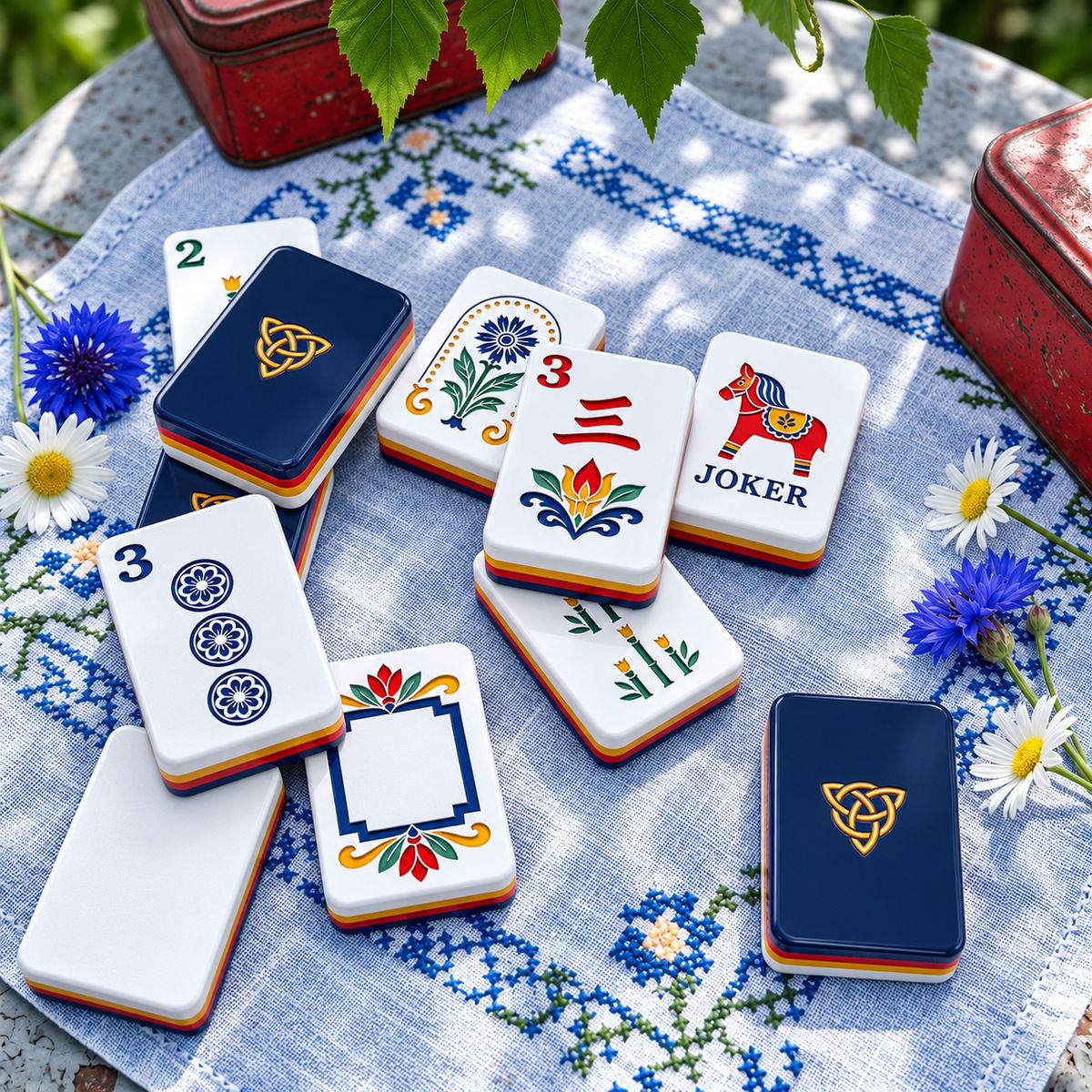
Winter mahjong parties need food that won't grease the tiles, won't stain, and won't slow the game. Serve small bites: nuts, cheese cubes, dried fruit, cookies, and hard candies that people can grab one-handed. Avoid anything wet, sticky, or sauce-heavy—salsa, chocolate, honey, and wings belong off the table. Drinks in covered cups with lids are non-negotiable; we've seen a spilled margarita end a night and ruin tile finishes. Plan the meal before the Charleston, then bring out fresh snacks during rounds 2 and 3 when energy dips. Most winter gatherings run 3–4 hours, so a light appetizer spread plus hot drinks (tea, cider, coffee) outlast a heavy meal. Keep napkins and hand wipes within arm's reach of every seat.
What foods actually work at the mahjong table?
Stick to foods you can eat with one hand while holding the card or tiles with the other. Our go-to list: roasted almonds, candied pecans, cheese cubes (cheddar holds up better than soft cheeses), pretzels, crackers, dried cranberries, apple slices tossed in lemon juice to prevent browning, dark chocolate chips, and popcorn. Vegetable platters fail because hummus, ranch, and carrot sticks demand two hands and a plate. Cookies, shortbread, and biscotti work beautifully—they're dry and crumbly, not sticky. Hard candies and mints refresh your mouth between rounds and take zero focus. Skip anything that leaves residue: bacon, ribs, pizza, sandwiches with mayo, brownie bites, and anything drizzled or sauced. One oily fingertip on an acrylic tile is one too many; we've had to deep-clean sets after someone brought pepperoni pizza.

Why does timing matter more than the menu?
New players think serve-it-all-at-once works; it doesn't. When everyone's hunched over their Charleston, they're not eating—they're trading tiles intensely for 60–90 seconds. Food on the table during that window gets ignored, dries out, and collects dust. Instead, put out a small welcome bowl (nuts, candy) as people arrive and settle. Once the first round ends, bring out the main snack spread. During rounds 2 and 3, when energy sags and some players are waiting for turns, refresh the plate and refill drinks. By round 4, many players are running on fumes; a warm drink and something sweet (cookies, chocolate) revives the table. This rhythm keeps morale up without breaking focus. Serve breakfast-style foods (pastries, fruit) if you start in the morning; heavier appetizers work better for afternoon or evening games.
What drink strategy keeps tiles dry and players hydrated?
Covered cups with silicone lids or locking mechanisms are the only acceptable drink choice at the table. We've seen spilled wine, tea, and coffee wreck tiles that took years to collect. Open mugs, tumblers, and wine glasses belong on a side table—encourage players to step away and sip, not to hold drinks while playing. Offer a rotation: hot beverages early (tea, cider, hot chocolate, coffee), cold options mid-game (sparkling water, unsweetened tea, juice), and warm drinks again in the final rounds. Hot drinks feel luxurious in winter and encourage 2–3 minute breaks where people stand, stretch, and reset. Avoid alcohol or keep it very light—one or two drinks for the whole night, not a cocktail hour. Games require sharp tile-reading; tipsy players misread hands and create disputes that derail the group.
How do you balance hosting comfort with table safety?
The best host moves the food station away from the playing surface. If your game sits on a dining table, clear one end for a snack and drink bar 3–4 feet away. This gives players a reason to step back, stretch their eyes, and reduces the odds of a splash or crumb landing on tiles. Spread paper napkins under the snack bowls to catch drips and make cleanup instant. Use small bowls (8–10 inches wide) so people reach without leaning across the table; a 16-inch chip bowl practically invites an elbow into the tile rack. Place a roll of paper towels and a small wet-wipe dispenser beside the food station—not at the game table—and remind players to clean their hands before returning. If you own a dedicated mahjong mat, you're protecting the tiles even more; eating away from the mat adds a second layer of safety. We've learned that five minutes of prep (station location, napkin strategy, drink lids) saves hours of stress later.
🀄 Shop best-selling mahjong sets →

What's the mental shift that makes winter parties different from summer ones?
Winter mahjong brings a coziness factor that summer games don't. People arrive from cold air and crave warmth—literal and social. A hot drink and a small plate before the Charleston sets the tone. Summer games feel faster and snappier; winter games slow down, conversations meander, and the table becomes a nest for three hours. This shift means you want to serve comfort foods: warm cookies instead of salad, cinnamon rolls instead of fruit, spiced nuts instead of plain almonds. The psychological warmth of food matters as much as the calories. We've noticed winter players stay longer and come back more reliably when the host nailed the vibe. That vibe starts with respecting the game—safe tile conditions—and ends with making people feel cared for through thoughtful snacks.
How do you plan quantities when you don't know final headcount?
American mahjong plays with exactly four people per game, so plan for your known group first. If you're running a round-robin or hosting drop-in players, assume 1.5 ounces of snacks per person per hour—more if it's a three-hour session, less if people eat dinner first. So four players, three hours = 18 ounces of mixed snacks (roughly three cups). Round up and prepare five cups; leftover almonds and crackers are a good problem. For drinks, aim for 1.5 cups per person if it's all hot beverages (tea, cider), or 2 cups if you're mixing hot and cold. Pre-brew or heat drinks 20 minutes before game start; cold drinks can be ready earlier. Set out ice, lemon slices, and sugar on the side so people customize without asking. Winter reduces spoilage risk—food sits safely in a cool room for hours—so you can prep the morning of rather than an hour before.
Food type | Why it works | Why it fails | Shelf life (room temp, 3–4 hrs) |
Nuts, seeds | One-handed, no residue | Can spill into cracks | 4+ hours |
Cheese cubes | Satisfying, easy | Soft cheese gets greasy | 2–3 hours |
Crackers, pretzels | Portable, mess-free | Crumbs on mat/tiles | 4+ hours |
Cookies, shortbread | Sweet, fills gaps | Sticky if overly soft | 3–4 hours |
Fresh fruit | Healthy, seasonal | Juice on hands, slimy | 1–2 hours |
Dips, spreads | Flavor boost | Requires two hands, spill risk | 2 hours |
Chocolate chips | Energy boost, fun | Melts, leaves residue | 3–4 hours |
Hot drinks | Comforting, hydrating | Spill risk without lid | Use covers only |
🎁 See our most-loved mahjong sets & accessories →
What supplies make hosting easy and keep cleanup fast?
Before the game, gather: a stack of 3×3-inch napkins (not paper towels—too fragile), a roll of paper towels for the snack station, a container of wet wipes or hand sanitizer, a small trash bag pinned under the snack table, and a designated "drink zone" with coasters. During play, wipe down the snack station once between rounds. After the game, dump napkins and crumbs into the trash, wipe the snack table with a cloth, and let drinks cool before washing. If you own acrylic mahjong tiles, they wipe clean with a soft, dry cloth—no deep cleaning needed unless someone spilled directly on them. Winter indoor play means no outdoor dust or pollen settling on tiles, which is a gift; focus your cleanup energy on the snack zone and then your tiles are safe.
✨ Find your Mahstead set — free US shipping →
What to check before you buy snacks
Moisture test: Can the food be eaten in one bite or with two bites without a plate?
Residue check: Does it leave grease, crumbs, or stickiness on your fingers?
Timing test: Will it stay fresh and appealing for 3–4 hours at room temperature?
Spillability: Can it be knocked over easily or absorbed by a mat if spilled?
Fit your theme: Does it match the season (warm, cozy) or the formality of your group?
Allergies & diets: Ask your group in advance about nuts, dairy, gluten, alcohol; plan backup options.
FAQ
Can I serve chocolate at the mahjong table?
Yes—dark chocolate chips or cocoa-dusted almonds work because they're not sticky when eaten whole. Avoid chocolate bars, fudge, or anything melted; one smear ruins acrylic tiles permanently.
What's the best way to set up a snack station without taking up table space?
Place it 3–4 feet away on a side table, counter, or cart. Use small bowls, label items (especially allergens), and keep wet wipes and napkins nearby so players don't return to the game messy.
Should I serve a meal before the game starts, or snacks during play?
A light meal 30 minutes before the first round works best. Serve appetizer-style snacks during play itself—nothing heavy that needs digestion or two hands.
How do I prevent spilled drinks without being rude?
Use cups with silicone lids or locking lids, and suggest a "drink zone" away from the table. Make it policy, not criticism: "Keep drinks off the mat; let's protect the tiles together."
What if someone brings food that's too risky (greasy pizza, saucy wings)?
Thank them warmly, place it on the far side of the snack station with clear napkins and wet wipes, and redirect the group to the safer options first. Most people eat what's convenient; if pizza sits untouched, the safer snacks win.
Can I serve food at a virtual or hybrid mahjong gathering?
Absolutely—snacks are just for the in-person players at your table. For online friends, suggest they prepare their own snacks at home before you start; it adds a nice ritual even though you can't share the plate.


View More
View More
View More
