
Summer Mahjong Tablescape: Set Up Your Outdoor Game
Last updated: Nov 23, 2026
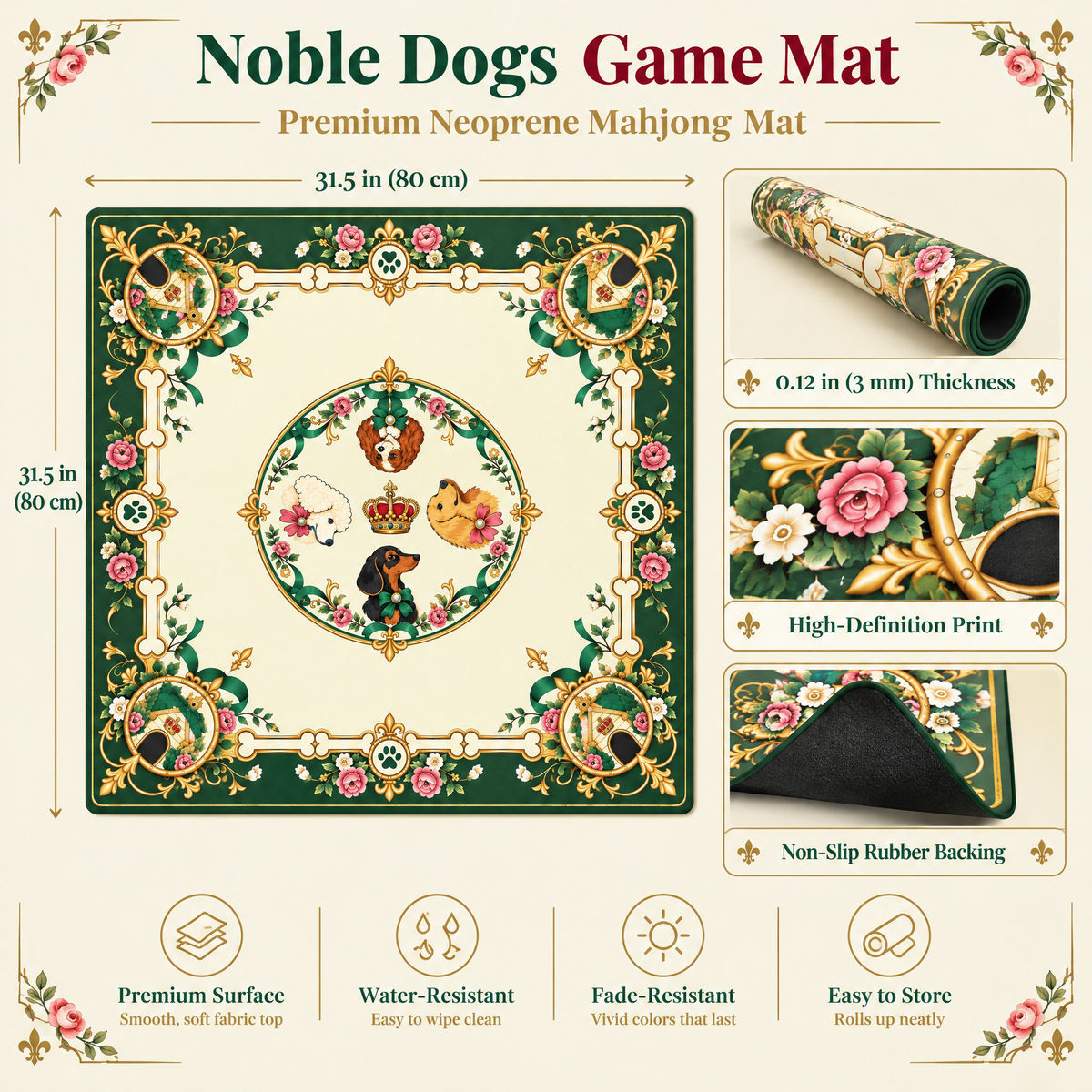
A summer mahjong tablescape is the complete visual and functional setup for playing American mahjong outdoors during warm months—mat, tile set, racks, shade consideration, and refreshment staging. The core is a durable mat (typically 36–40 inches square) that resists sun and moisture, paired with an acrylic or composite tile set that doesn't warp or crack under temperature swings. Most players add a stable table (36–48 inches per side), pushers for organized tile play, a caddy or bag for quick breakdown, and nearby seating with umbrella or canopy protection. Setup takes 10–15 minutes and costs range from budget-friendly to premium depending on set material and mat durability; many of us at Mahstead recommend starting with a best-selling combo that pairs a reliable tile set with a protective mat, then upgrading accessories as you refine your outdoor hosting style.
What exactly goes in a summer tablescape?
A summer tablescape includes a playing surface, tile set, organizing tools, and ambient extras. The mat anchors everything—it prevents tiles from sliding in heat-caused warping and protects the table underneath from moisture and sun damage. Add racks with pushers (one per player) to keep hands organized and off the tile surface, a discard area clearly marked, a caddy or small bag within arm's reach for the flower tiles and the current year's NMJL card, shade overhead (umbrella, canopy, or patio cover), cups for water or iced tea, and optional decorative touches like a runner or accent cushions. The tile set itself must withstand outdoor temperature swings—acrylic sets are more resilient than paper-faced or wood options in direct sun. Setup hinges on prep: choose a shaded or partially shaded table before the day, test the mat in that spot the week before to confirm it lies flat, and assign one player as "setup lead" so everyone knows where tiles, racks, and refreshments live.

Why does summer heat damage mahjong tiles?
Extreme heat causes materials to expand unevenly, especially wood-core or paper-laminate tiles. Wooden tiles may warp, crack, or separate at the seams when temperature spikes above 85°F in direct sun; the adhesives soften and the grain swells inconsistently. Paper-faced tiles can peel or blister. Acrylic tiles resist warping far better because they're non-porous and expand uniformly, making them the smart choice for outdoor play. Even acrylic sets benefit from shade and storage inside after each session—the goal is to keep the set below 75°F and out of direct UV light between games. If you've noticed tiles binding or sticky, your set likely spent too much time in the sun or a hot car. Mahstead acrylic sets are engineered to endure seasonal swings; we've tested them in Dallas heat and they remain stable year after year.
How do you protect your mat outdoors?
Choose a mat designed for outdoor moisture and UV exposure—synthetic rubber or vinyl backing resists mildew and doesn't absorb water the way felt does. Before each game, wipe the mat with a soft, dry cloth to remove dust or pollen. After play, roll it loosely (never tightly, which creases the fibers) and store it flat or loosely wound in a cool, dry place, ideally indoors. If your mat lives on a covered patio between games, inspect it monthly for mold spots or fading; a single damp cloth with mild soap cleans surface grime without soaking the backing. Never leave it in direct sun overnight or rolled up while damp—moisture trapped in that spiral becomes a breeding ground for mildew. Mahstead mahjong mats are made with outdoor durability in mind; we recommend the synthetic-backed options for humidity-prone regions or frequent outdoor hosting.
What's the ideal table setup for hot weather?
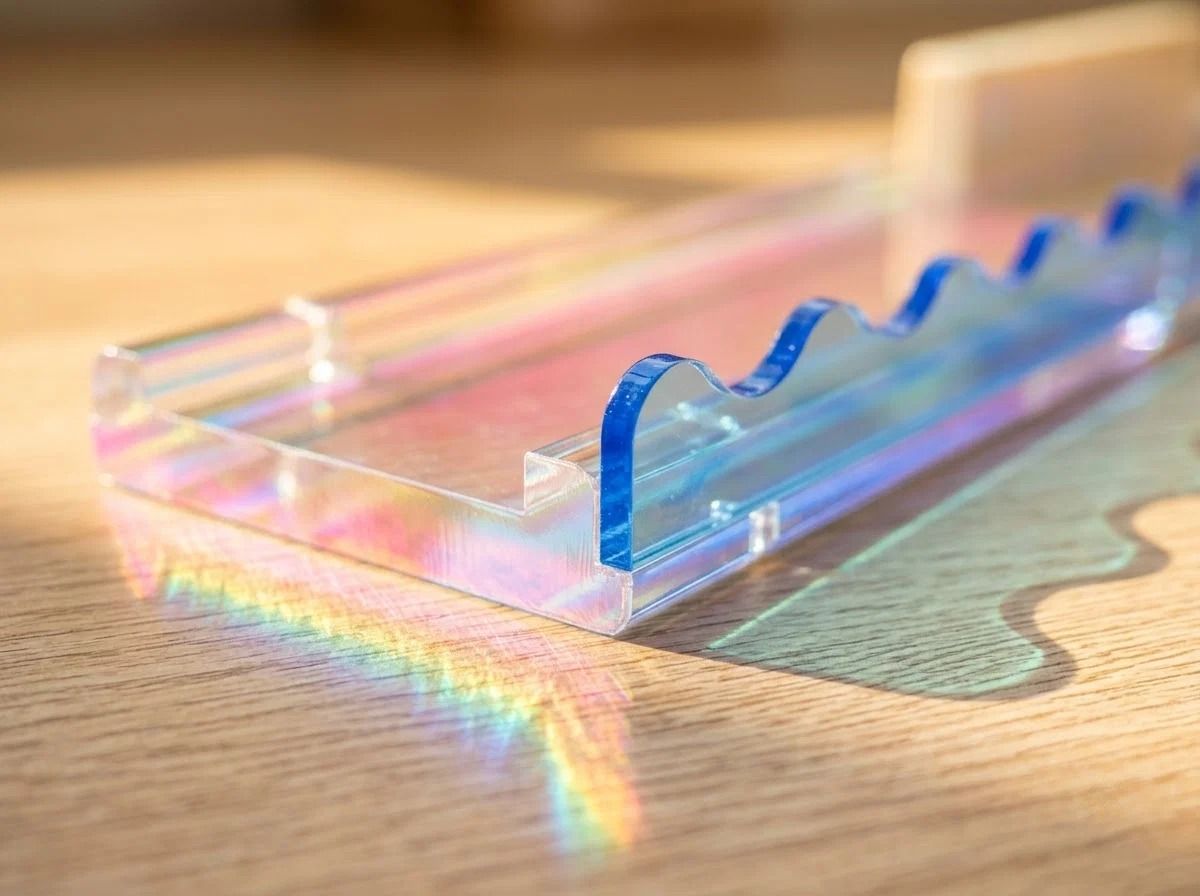
Position your table in partial or dappled shade—a patio overhang, pergola, or umbrella works well. Avoid full sun, which raises the playing surface temperature and makes tiles uncomfortable to handle. The table itself should be 36–48 inches per side (standard mahjong tables) and sturdy enough that wind or accidental bumps don't shift it; shaded outdoor dining tables work in a pinch. Place the mat centered on the table, racks at each of the four compass points (one player per side), the discard area in the middle, and your caddy or card holder within reach of the East player. Keep water or beverages at the table's edge—not on the mat or near tile play. Position shade so light hits the setup from the north or east early morning, and adjust as the sun moves. If you're hosting four games back-to-back, have a second mat drying nearby so you can swap one out if it gets damp, and enforce a "shoes-off near the mat" rule to minimize dirt and moisture. Racks with pushers help players manage hands neatly and reduce tile-shuffling time between rounds, letting the group stay cool and focused.
How do you keep players cool and engaged?
Comfort matters as much as equipment during hot-weather mahjong. Offer ice water, iced tea, or electrolyte drinks nearby but not on the playing surface. Serve light snacks (fruit, nuts, cheese) rather than heavy meals that make people sluggish. Take 10–15 minute breaks between games—not just between rounds, but between full hands—to let players step into the shade, stretch, and rehydrate. If temperature exceeds 90°F, consider shifting your start time to early morning (7–8 a.m.) or evening (5–6 p.m.). Dress in light colors and breathable fabrics; set a group expectation that tank tops and shorts are fine. Keep the game moving: use pushers and racks to streamline tile sorting, clarify the hand before play so no one dawdles mid-game, and have the current NMJL card laminated and easy to read so rule checks don't derail momentum. Many of us rotate who sits where after two games so no one person bakes in the same spot all afternoon.
What's the checklist before your first summer game?
Setup Item | Function | Reality Check |
Mat (36–40") | Playing surface, tile protection | Lay flat day before; check for creases or wrinkles |
Tile set (160-tile acrylic) | Game pieces, durability in heat | Test all tiles roll smooth; count 8 jokers |
Racks × 4 with pushers | Hand organization | Ensure pushers fit your tile size; no cracks |
Table 36–48" | Stable base | Confirm level; no wobble under weight |
Shade (umbrella or canopy) | Temperature control | Position before guests arrive; test stability in wind |
Caddy or bag | Card, flowers, score pads | Pack day before; keep near East player's rack |
Water, cups | Player hydration | Fill cups just before game starts; keep away from mat |
Laminated NMJL card | Hand reference | Verify current year; store in caddy |
Discard area (optional marker) | Clarity on played tiles | Use a small bowl or marked zone; not the mat itself |
Cleanup supplies (cloth, towel) | Post-game care | Have ready before first game ends |
Before hosting, test your setup once—set up the full table in your outdoor space at the planned time of day, sit through one practice hand, and adjust shade or positioning. This takes 20 minutes and catches 90% of comfort or logistics problems before your guests arrive. If your set is brand new or hasn't been outdoors, inspect all tiles for manufacturing defects and confirm the mat doesn't slip on your table's surface.
🀄 Shop best-selling mahjong sets →
Common summer tablescape mistakes (and how to avoid them)
Storing tiles in a hot car or garage: Even acrylic tiles eventually distort if left above 85°F for hours. After each session, bring tiles indoors immediately. Leaving the mat wet: A damp mat rolled up breeds mold within days. Always dry it completely before rolling or storing. Overcrowding the table: Cramming too many snacks, drinks, or decor items steals space and risks spills onto the mat or tiles. Keep only essentials on the table; stage extras on a side cart. Using a mat without a backing: Felt-only mats soak up moisture and sweat from hands; a water-resistant backing is essential for summer play. Forgetting to anchor shade: A windy afternoon can topple an umbrella and expose your game to sudden sun. Weight it down or tie it securely. Playing during peak heat: 11 a.m. to 4 p.m. in summer is brutal. Shift to morning or evening whenever possible. If daytime play is mandatory, invest in a large canopy or patio cover—it's worth every penny.
🎁 See our most-loved mahjong sets & accessories →
What to check before you buy
Before investing in a summer tablescape, confirm these details:
Mat material: Is the backing rubber, vinyl, or felt? Synthetic backing is mandatory for outdoor humidity. Measure your table's surface so the mat fits without overhang that catches rain.
Tile composition: Acrylic is your best bet for heat resistance. Confirm the set you're buying is marketed as "acrylic" or "composite"—not wood-core or paper-faced.
Rack compatibility: Measure one tile's thickness and width. Do your existing racks accept that size, or do you need new ones? Pushers must fit smoothly; tight ones jam mid-game.
Set size and condition: A 160-tile Mahstead set includes 152 playing tiles plus spares. Unpack and inspect all tiles before your first game; any cracks or color inconsistencies in daylight are obvious red flags.
Shade availability: Do you already have a patio cover, umbrella, or canopy? If not, budget for one—it's the single biggest factor in player comfort.
Storage plan: Where will the mat, set, and racks live between games? Indoor climate control (not a shed or garage) extends tile life significantly.
✨ Find your Mahstead set — free US shipping →

FAQ
Can I use my indoor mahjong set outdoors?
Yes, but not repeatedly. Indoor wood or bamboo tile sets deteriorate in heat and humidity. If you host summer games weekly, acrylic is worth the upgrade—tiles stay flat, colors don't fade, and you'll own that set for years. Felt mats should stay indoors; use a synthetic-backed mat outside.
How long does a summer tablescape take to set up?
10–15 minutes once you've done it once. Lay the mat, position racks, place the caddy, arrange shade, and bring water. Packing up takes 5–10 minutes if you're organized—stack tiles, roll the mat loosely, bag the racks.
Do I need a special mat for summer, or can I use my regular mat?
A mat with synthetic or vinyl backing is better for outdoor moisture and UV exposure than felt-only mats. Felt absorbs sweat and damp air; synthetic resists both. If your mat is felt-only and stays outside, wipe and dry it immediately after each session and store it indoors between games.
What temperature is too hot for mahjong tiles?
Above 85°F in direct sun, acrylic tiles may begin to soften and bind together. Wooden tiles warp sooner—around 80°F. Always play in shade and store tiles indoors after use. If tiles feel sticky or look warped, move the table immediately.
Can I host a 4-game tournament outdoors in summer?
Yes, with planning. Start early (6–7 a.m.) or late (5–6 p.m.), provide shade and water, and enforce 15-minute breaks between games. Consider a canopy if natural shade is limited. Rotate seating so no player bakes in the same spot all day. Test your setup a week ahead to confirm comfort for 4–5 hours.
What's the difference between a mat and a table cover for summer hosting?
A mat is thick, padded, and shaped for hand organization (often with racks built in or racks positioned on top). A table cover is thin, flat, and protects the table surface but doesn't offer ergonomic support. For outdoor summer play, a quality mat is the better choice—it manages moisture, supports racks, and signals to guests that you've invested in proper hosting. Learn more about choosing a mat for your space.
Do I need new racks for summer, or can I use my old ones?
Old racks work if tiles fit smoothly and pushers aren't cracked. Test one tile in each rack before the day of your game. If pushers jam or tiles slip, new racks make a huge difference in game flow—especially outdoors where humidity can swell wood slightly.


View More
View More
View More
