
Best Mahjong Table Cover: What Players Actually Need
Last updated: Nov 23, 2026
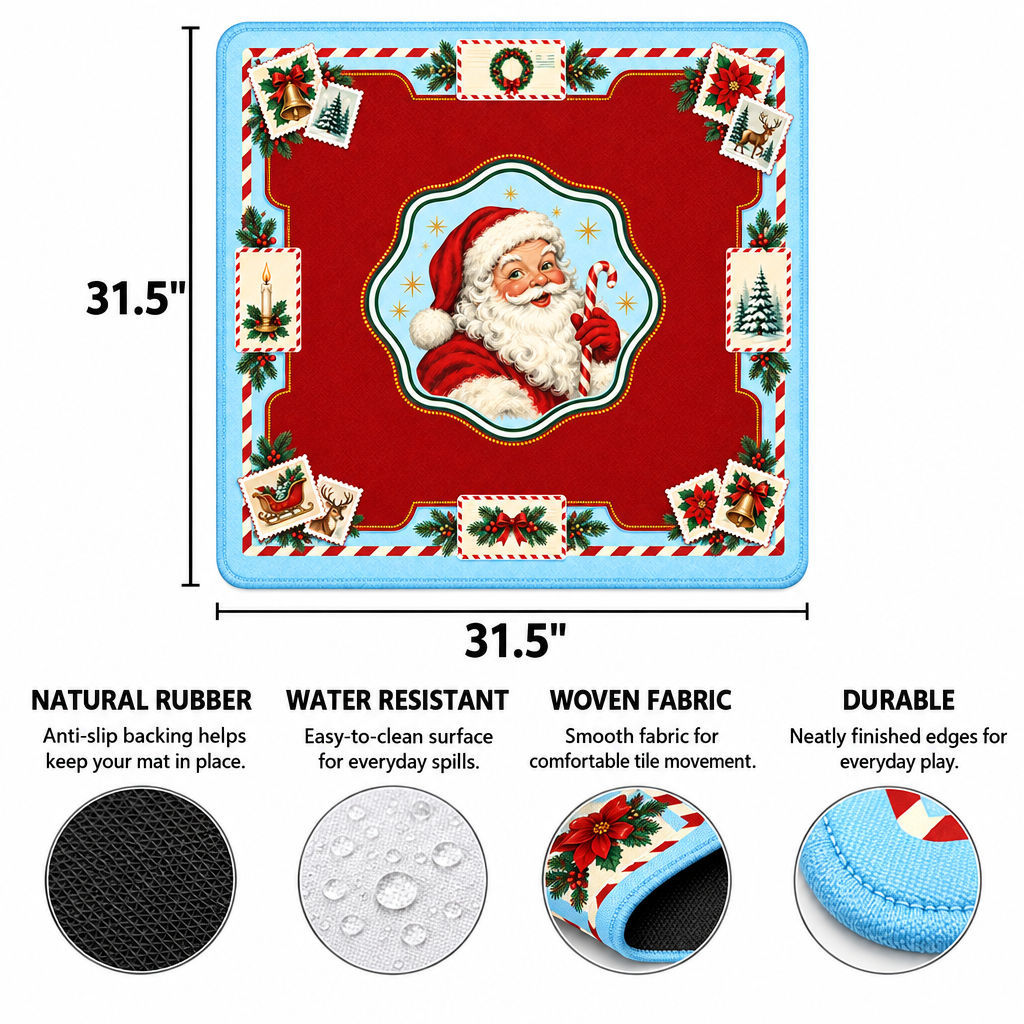
A mahjong table cover is a protective fabric or rubber layer that sits atop your dining or card table, defining the playing surface and keeping tiles from sliding during shuffling and play. Covers range from lightweight portable mats (typically 27×27 inches to 36×36 inches) with carrying bags to fitted elastic-edge covers sized for standard tables. Most are machine-washable nylon or felt-backed cotton blends; some include built-in pushers, scoring racks, or dice holders. Costs vary by material and features—basic mats suit casual players and travel, while reinforced versions with cup holders and rack slots serve serious weekly games. We recommend measuring your table first and choosing based on how often you play and whether you need portability; serious players often prefer a mat over a bare table because it eliminates tile creep and adds visual focus to the game. Mahstead's collection includes a range of sizes and designs to fit both tournament-style play and home game nights.
A mahjong table cover protects your table and organizes your tiles, but not every cover suits every player. We'll help you choose between portable mats, fitted covers, and storage solutions based on your game style and space.
What's the difference between a mat and a table cover?
A mat is a portable, often rolled or bagged piece you place on top of an existing table; a fitted table cover typically has elastic edges and sits permanently on a dedicated mahjong table. Mats are perfect for players who play in rotating homes or need to store the game in a closet; fitted covers suit dedicated game rooms or tables you own outright. Mats usually cost less and are easier to store, but fitted covers offer a more permanent, polished look and often include integrated features like rack slots or a scoring tray built into the surface itself. If you play weekly in different homes, a mat wins on flexibility; if you host at the same location, a fitted cover adds permanence and durability.
🀄 Shop best-selling mahjong sets →
Which size table cover do you actually need?
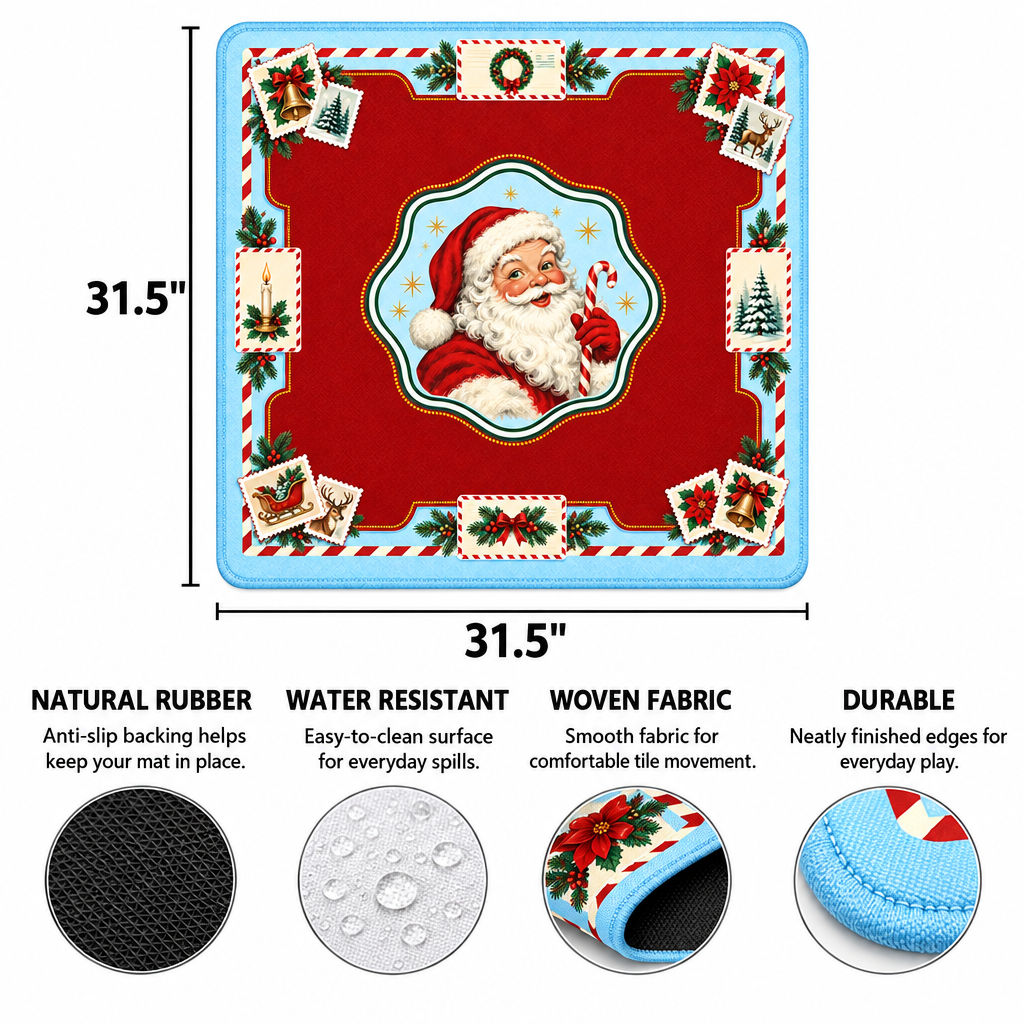
Standard mahjong mats are 27×27 inches (compact travel), 30×30 inches (smaller tables), or 36×36 inches (full four-player game space). Before buying, measure your table from edge to edge; the mat should cover the entire playing surface with 2–4 inches of overhang on each side for comfort. If your table is smaller than 27×27 inches, you'll need a custom mat or a tile rack without a mat (keeping the game on a bare table). Fitted covers come sized for 36-inch, 42-inch, and larger tables—check your table dimensions and the product specs, because an undersized cover will buckle and an oversized one will bunch at the corners. Most households hosting weekly games use 36×36-inch mats because they accommodate a full four-player setup with room for the discard pile and personal racks.
What material holds up to weekly play?
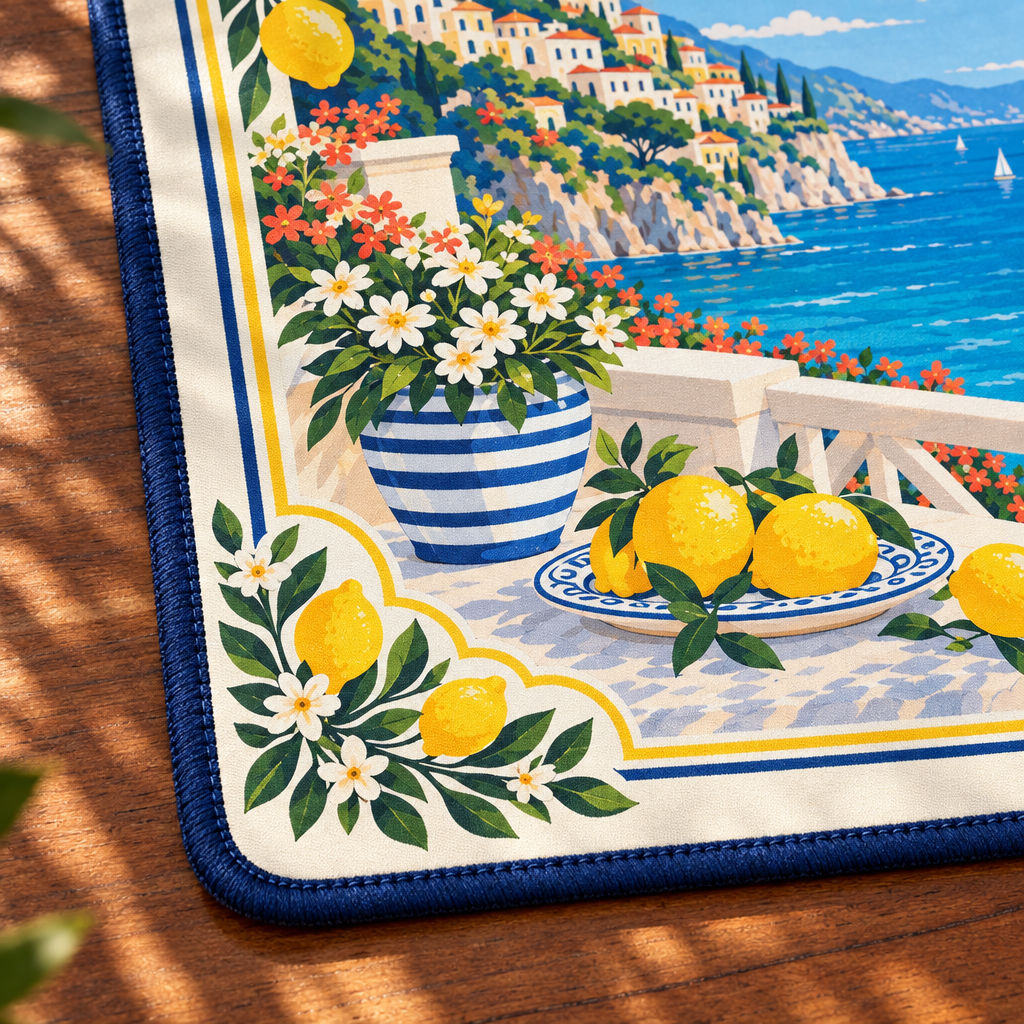
Nylon-backed felt is the standard: felt on top grips tiles and prevents sliding, while the nylon underside stays quiet and protects your table. Rubber-backed versions add grip but can stick to wooden tables in humid weather; microfiber or plush feels luxurious but wears faster with heavy shuffling. For serious weekly games, choose felt-backed mats with reinforced stitching at the edges—they last 3–5 years of heavy use without pilling or fraying. If you play casually once a month, a standard nylon-felt mat suffices. If you're playing four nights a week, invest in a mat with a thicker backing and bound edges; the better the construction, the fewer tiles slip during the shuffle. Check the product listing for fabric weight (heavier = more durable) and care instructions before ordering.
🎁 See our most-loved mahjong sets & accessories →
Should your table cover include built-in features?
Some mats come with integrated pushers, scoring cups, dice holders, or slots for tile racks. These add convenience if you're playing American mahjong with rack-and-pusher systems, but they can feel cramped if your table is smaller than 36 inches. Built-in features also limit where you can fold or roll the mat for storage. A minimalist mat (plain felt surface, nothing else) gives you flexibility to add your own mahjong racks with pushers and scoring tools later. If you already own racks and are happy with your system, skip the integrated extras. If you're starting fresh and playing in a compact space, an all-in-one mat can save setup time—just measure your reach and comfort zone first to ensure you're not crowding the game.
How do you care for a mahjong table cover to extend its life?
Most mats are machine-washable on a gentle cycle in cold water; air-dry flat to prevent shrinking and warping. Vacuum or lint-roll the felt surface before washing to remove tile dust and debris. Don't dry-clean or tumble-dry unless the label says it's safe. Store rolled mats in a breathable bag (not plastic, which traps moisture); avoid damp basements and direct sunlight, which can fade colors over time. If your mat develops a permanent odor (smoke, mildew), soak it briefly in white vinegar and water before washing. For fitted elastic-edge covers, check that the elastic doesn't lose tension after multiple washes; if it does, a needle and thread can tighten the corners. Most players get 3–7 years from a quality mat with proper care; replacing it sooner usually means the backing has worn thin or the stitching has failed at high-stress points.
Usage | Best Cover Type | Why It Works | Durability |
Weekly tournament play (same venue) | Fitted cover or reinforced mat | Permanent setup, thicker backing, edge stitching | 5–7 years |
Casual weekly game, rotating homes | Portable 36×36 mat with bag | Stores easily, rolls up, lightweight | 3–5 years |
Travel / occasional play | Compact 27×27 mat | Fits a suitcase, quick setup | 2–4 years |
Mixed—some home, some travel | Two mats: one fitted, one portable | Flexibility plus dedicated comfort | Varies |
What to check before you buy
Size: Measure your table. Mats should overhang 2–4 inches per side. A 36×36-inch mat fits most standard dining tables; smaller tables need 30×30 inches or custom sizing.
Backing material: Nylon or rubber. Nylon is quieter and more common; rubber grips better but can stick in humidity.
Stitching: Bound or reinforced edges last longer under weekly play. Check photos for quality—loose threads mean it won't survive many shuffles.
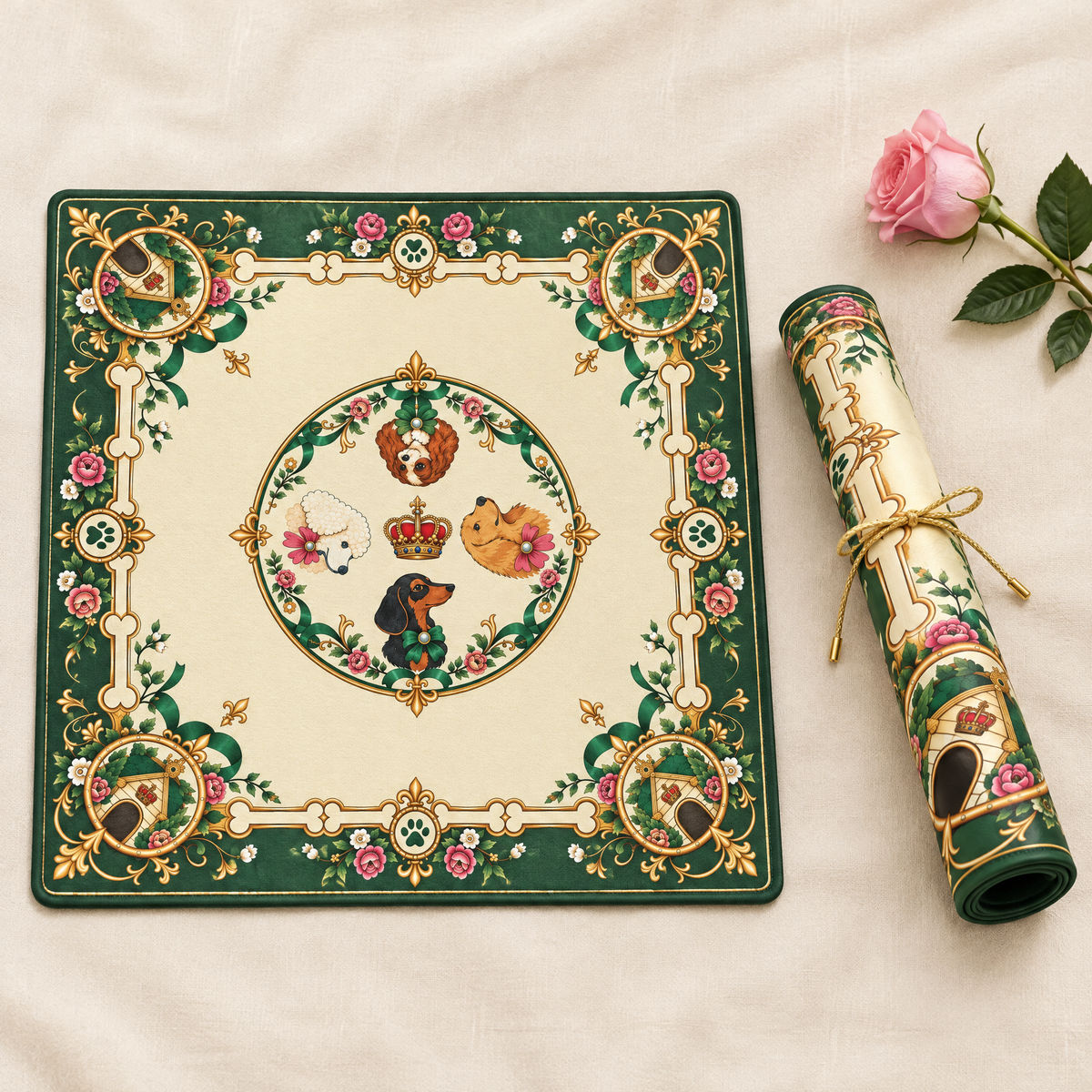
Portability vs. permanence: If you move the game or store it regularly, buy a mat with a carrying bag. If it stays on one table, a fitted cover saves space.
Features: Built-in racks or cups are nice only if your table is large enough (36+ inches) and you want them. A plain mat is more flexible.
Care: Confirm it's machine-washable and air-dry safe. Some mats require hand-washing, which is a pain after heavy use.
✨ Find your Mahstead set — free US shipping →
We recommend visiting the mahjong mats collection to compare designs, sizes, and materials side by side. Many players pair their mat choice with our best-selling mahjong sets or choose a mat that complements an engraved set they already own. If you're building a complete game setup for the first time, read our guide on how to choose a mahjong mat for a deeper dive into sizing and features.
FAQ
Can I use a regular tablecloth instead of a mahjong mat?
No. A regular tablecloth is too thin, offers no grip, and lets tiles slide during shuffles. A mat has felt backing that grips tiles and prevents creep, keeping the game fair and organized.
What size mat do I need if my table is 42 inches?
A 36×36-inch mat will work but leave 3 inches on each side uncovered. A 42×42-inch mat (or custom-fitted cover sized for your table) ensures full coverage and a polished look.
Is a felt mat better than a rubber-backed mat?
Felt mats are standard—they're quieter, grip tiles well, and work on most tables. Rubber-backed mats grip harder but can stick to wooden tables in humidity; choose based on your table surface and climate.
How often should I wash my mahjong mat?
After every 4–6 games of heavy play, or once a month if you play weekly. Washing removes dust, prevents odors, and keeps the felt surface grippy. Most mats tolerate gentle machine washing and air-dry flat.
Can a mat work on a small coffee table?
Yes, if your table is at least 27×27 inches. A 27×27-inch mat fits compact coffee tables; a 30×30-inch mat suits slightly larger surfaces. Below 27 inches, you'll need a custom mat or play without one and use a tile rack instead.
What's the difference between a mat I buy at a mahjong store versus a generic felt playmat?
Mahjong-specific mats are designed with tile grip, durable backing, and washable materials tested by players. Generic playmats are often thinner, shed fibers, and don't grip tiles as well during the shuffle phase.


View More
View More
View More
