
Why Moms Love Mahjong: Real Reasons & How to Start
Last updated: Nov 23, 2026
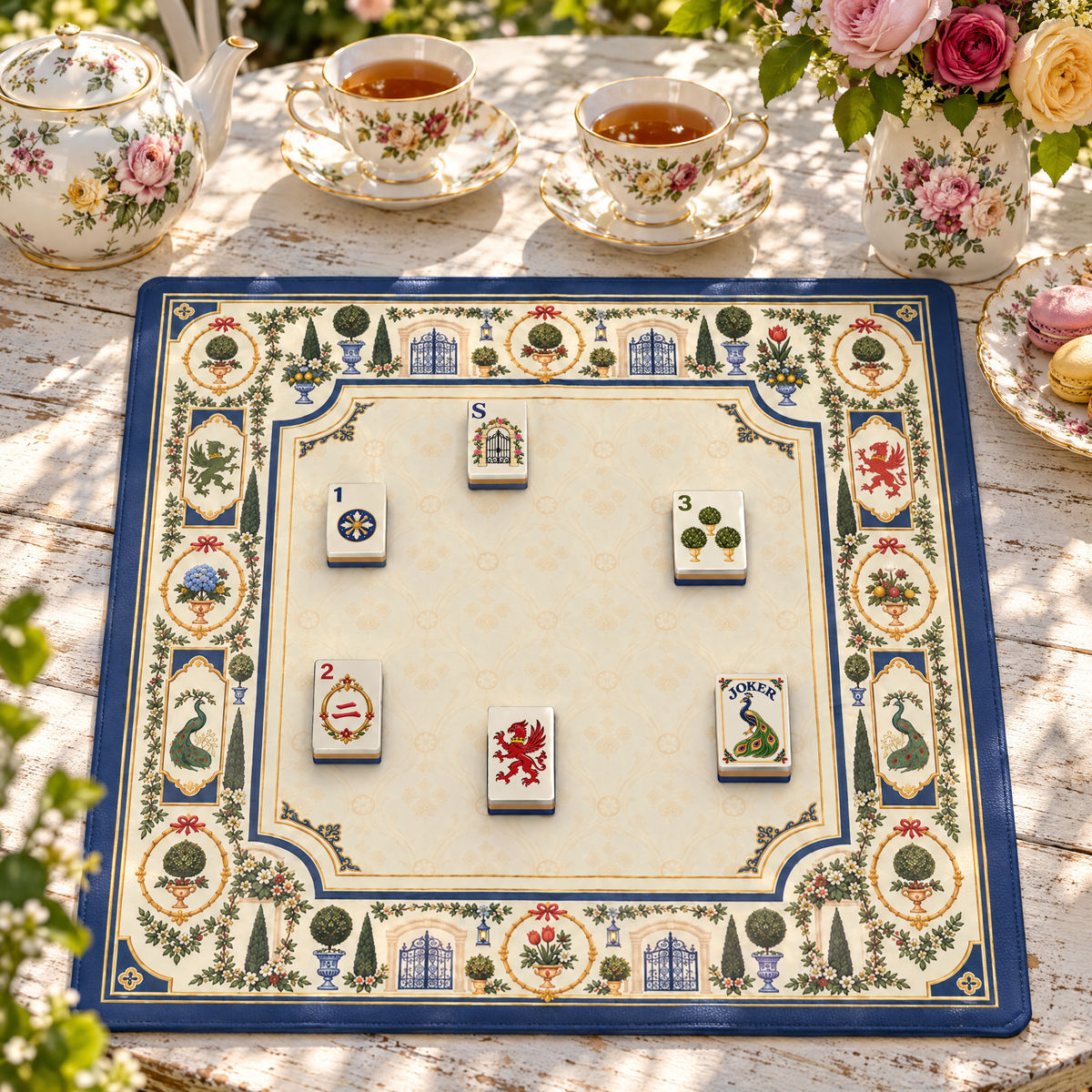
Moms love mahjong because it delivers three things at once: focused mental play that silences intrusive thoughts, a predictable weekly anchor with the same friends, and permission to be away doing something concrete. Unlike screen-based games or hobbies that demand constant purchases, mahjong requires only a set of tiles, a mat, and four players willing to show up. A game lasts two to three hours. American mahjong is accessible—you follow the National Mah Jongg League card each year, call hands you recognize, and learn through repetition—but has enough depth to improve over years. Most moms start by joining a group at a community center, library, country club, or synagogue, buying or borrowing a set, and showing up. Mahstead's acrylic American mahjong sets come ready to play with all 152 tiles needed; many players add a mat and rack set to make hosting easier. The game costs little upfront and nothing ongoing, making it practical for busy families.
What makes mahjong different from other games moms try?
Mahjong sits between a hobby and a therapy appointment. Unlike book clubs, it's not about consuming new content; you play the same game week after week, watching your memory and speed improve. Unlike exercise classes, there's no instructor or performance anxiety—only the table. Unlike crafts or collectibles, you're not building a second home inventory; you own one set and play forever. Moms report it's the only two hours a week they're fully present because tiles demand attention and talk flows naturally between rounds.

Why do moms specifically gravitate toward it?
Mothers often crave an activity that's theirs—not defined by who needs them. Mahjong happens at the table with a locked-in group and start time; there's permission to be unavailable for those hours. The game builds genuine friendship through shared learning (everyone struggles with reading the card at first), good-natured competition, and the natural rhythm of sitting together. A mom hosting a mahjong night also gets a clean reason to prepare her space, set a nice table, and enjoy being the center without apology. The game itself levels the playing field—new players can beat veterans on any given hand—so there's no gatekeeping or hierarchy.
How do beginner moms actually learn to play?
Start by joining an existing group rather than teaching yourself alone. Ask at your local community center, library, synagogue, or country club for weekly or monthly mahjong games open to beginners; most will welcome you. Attend for 2–3 weeks and watch before playing if you need to. Buy or borrow a mahjong for beginners guide or ask the group for a quick rundown of how to play American mahjong. The National Mah Jongg League publishes a card each spring showing all legal hands—your group will have copies. You only need to learn a few hands at first; the rest comes naturally. Most players agree: you learn faster sitting at the table with experienced players than reading alone.
🀄 Shop best-selling mahjong sets →
What does a mom need to host a weekly game?
You'll need a set of 152 American mahjong tiles, a mat (optional but helpful for keeping tiles orderly), racks with pushers for each player (makes handling tiles easier and games faster), snacks, and four committed people. The mat protects your table and gives players a familiar playing surface if they host other nights elsewhere. Racks with pushers solve the "my fingers hurt" and "tiles slide around" problems that bog down new players. A travel bag or case makes transport to someone else's house painless. Start with a best-selling mahjong set—acrylic is durable, affordable, and doesn't splinter like plastic or crack like bamboo after a few seasons. If you're buying a gift for a mom who might love mahjong, look for sets with humorous engravings; they're conversation starters at the table.
🎁 See our most-loved mahjong sets & accessories →

Why do moms keep playing for years?
Habit, improvement, and genuine affection for the group sustain most players. After six months, you'll recognize 80% of the hands on the card without thinking. After a year, you're making strategic discards and reading the table. This steady progress is addictive—it's concrete proof you're getting better at something. The group itself becomes a commitment; you show up because four other moms are counting on you, and they show up for the same reason. Many groups absorb a new player yearly, so there's always a mix of experience levels. Winning feels good, but what moms say they'll miss most when they step back is the predictable connection—the same faces, the same table talk, the standing joke about who calls too fast. That's not a game; that's community.
Comparison: What Beginner Moms Typically Buy
Item | Best for | Why it matters |
Standard acrylic set | First-time players | Durable, no setup learning curve, plays identically to any set |
Set + mat | Hosting nights at home | Mat keeps tiles quiet, organized, and protects furniture |
Set + racks with pushers | Players with hand/wrist strain | Racks hold tiles vertically, reduce fumbling, speed up play |
Engraved set | Gift for friend already playing | Personalized, becomes a household heirloom, starts conversations |
Set + case or travel bag | Rotating host groups | Protects tiles, easy carry, signals you're a "regular" player |
What to check before you buy a set
Tile count: American mahjong sets are sold with 160 tiles—152 for play plus spare tiles. Never add extras to the active game.
Material: Acrylic withstands frequent play and storage without fading; it's lightweight for travel and affordable enough that losing a tile isn't catastrophic.
Size: Standard tiles are roughly ½ inch wide. If anyone in your group has arthritis or vision challenges, larger tiles exist but are rare; check with the group first.
Engraving options: Look for sets with titles or jokes that match your group's humor or a mom's personality. These become keepsakes.
Shipping & setup: Mahstead ships free across the US. New sets arrive packed safely; open, sort tiles into suits, and you're ready to teach or join a game.
✨ Find your Mahstead set — free US shipping →
Can a mom play if she's never done strategy games?
Absolutely. Mahjong isn't chess—there's no "best move" you must calculate. You match tiles, follow the card, and learn what discards are risky through repetition. New players often beat veterans because luck is real; a good draw beats perfect strategy. Many moms report they're worse at video games or strategy puzzles but stronger mahjong players than friends who "think faster." The game rewards pattern recognition and memory, not speed. Start at a beginner-friendly table and give yourself 4–6 weeks.
What happens if my group doesn't exist yet?
Recruit three friends interested in learning, buy a best-selling set, watch a tutorial together, and host your first night. Expect to spend the first two hours learning to shuffle, deal, and read the card—you'll play maybe one actual game. By week three, games will feel smooth. Many groups start this way and grow into waiting lists after a year.

FAQ
Can I play mahjong if I've never played any card or tile games?
Yes. Mahjong teaches itself through play. You match identical tiles, follow a picture card, and learn hand names over a few weeks. New players often win because luck matters as much as strategy. Start by watching one game, then play with the group's patience.
How long does a game of mahjong take?
One full game (four players, one winner) takes 15–25 minutes. Most groups play 6–8 games in an evening, with breaks for snacks and talk. Plan for 2–3 hours total including setup and chat.
Do I need to buy my own set, or can I borrow one?
You don't need to own one to start. Most groups have a shared set or someone always brings one. After you join, buying your own is practical—tiles are affordable, sets last decades, and hosting becomes easier. Buy when you're sure you'll play weekly.
What's the difference between American mahjong and the Asian versions I've heard about?
American mahjong uses a card of legal hands published yearly and no sequences (chows)—only groups of identical tiles. Asian versions allow sequences and play from memory of traditional patterns. American is easier to learn because the card is your reference. Both are legitimate; American is most common in the US.
How much does a decent mahjong set cost to start?
See current price on the best-selling collection product page. Basic acrylic sets are affordable; adding a mat, racks, or a case increases comfort but isn't required to begin. Buy one set and use it for years.
Can I play mahjong online with my mom friends instead of in person?
Online mahjong exists but moms report it's not the same—you lose the table talk, tile-shuffling rhythm, and being fully present together. The point is the presence, not just the game. In-person play is worth the coordination.
What if someone at the table doesn't know the rules as well as others?
Teaching happens naturally. Most groups slow down for new players and celebrate wins equally. If someone feels left behind, ask them to sit out and watch a full game, then join the next round. No one was born knowing mahjong; every player was new once.


View More
View More
View More
