
Best Mahjong Set for Busy Professionals
Last updated: Nov 23, 2026
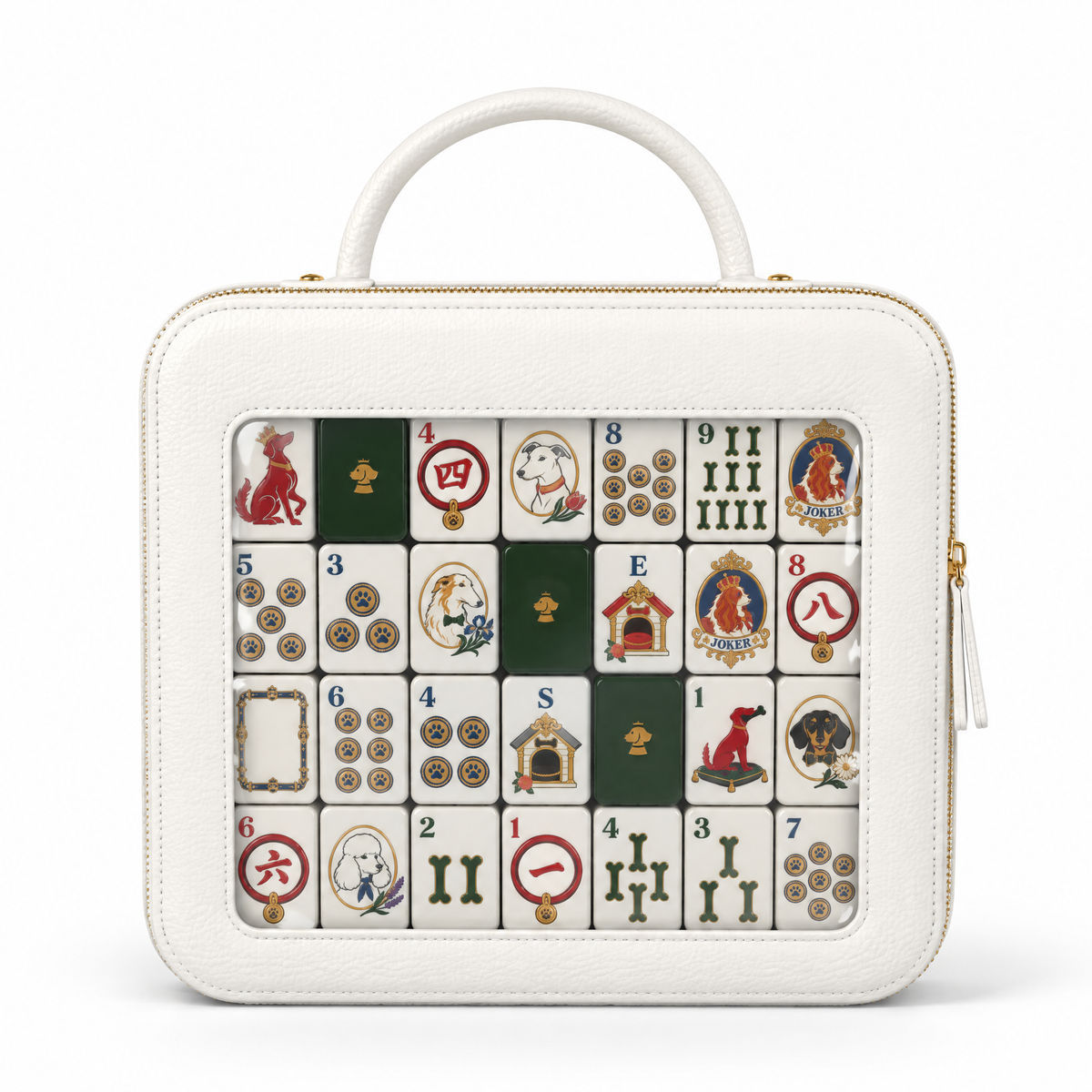
A professional-grade mahjong set for busy players should combine durable acrylic tiles (quieter, longer-lasting than bamboo), jokers and joker racks that don't jam, and a compact carrying solution. Look for sets from Mahstead's best-selling collection that include 160 tiles with spares, so replacements are on hand. Setup time matters: choose a mat with grid lines and a set with numbered racks to streamline the Charleston. Skip novelty designs unless they're engraved with your group's name—personal sets get grabbed by the right person every time. Budget depends on durability: acrylic sets with solid pushers last 5+ years of weekly play, while cheaper alternatives wear out in one season. Check the tile thickness (thicker = slower wear), joker count (eight is standard), and whether pushers slide smoothly—these details determine whether you're resetting tiles mid-game or playing uninterrupted.
You've got 45 minutes before your standing Thursday game, and the last set someone brought came with warped joker racks and scratched tiles. Professional players need equipment that works—not slowly, not breakably, but reliably every week. Here's how we pick sets that earn their place at a serious table.
What makes a set "professional-grade"?
Acrylic tiles outlast bamboo and bone by years under heavy rotation. Acrylic absorbs less moisture, resists staining from coffee and wine, and produces a consistent tile weight—critical when you're reading tile distribution during the Charleston. Professional sets also include eight jokers (not fewer), solid brass or steel pushers that don't bend or catch, and numbered racks so the tile count is fast. Mahstead's best-selling mahjong sets use acrylic throughout and pack spare tiles so a single crack doesn't sideline the whole set.
Feature | Weekend Player | Busy Professional | Tournament Player |
Tile material | Resin or plastic | Acrylic, consistent weight | Acrylic, precision-cut |
Pushers | Simple plastic | Steel, smooth action | Tournament-grade metal |
Spare tiles | None | 8+ extra jokers | Full replacement set |
Setup time | 10+ minutes | 5–7 minutes with mat | <5 minutes |
Annual replacement cost | High (warping, cracks) | Low (durability) | Minimal |
The difference between a weekend set and a professional one isn't flashiness—it's whether you spend 20% of game time fidgeting with broken pushers or playing mahjong.

How do you set up fast without losing accuracy?
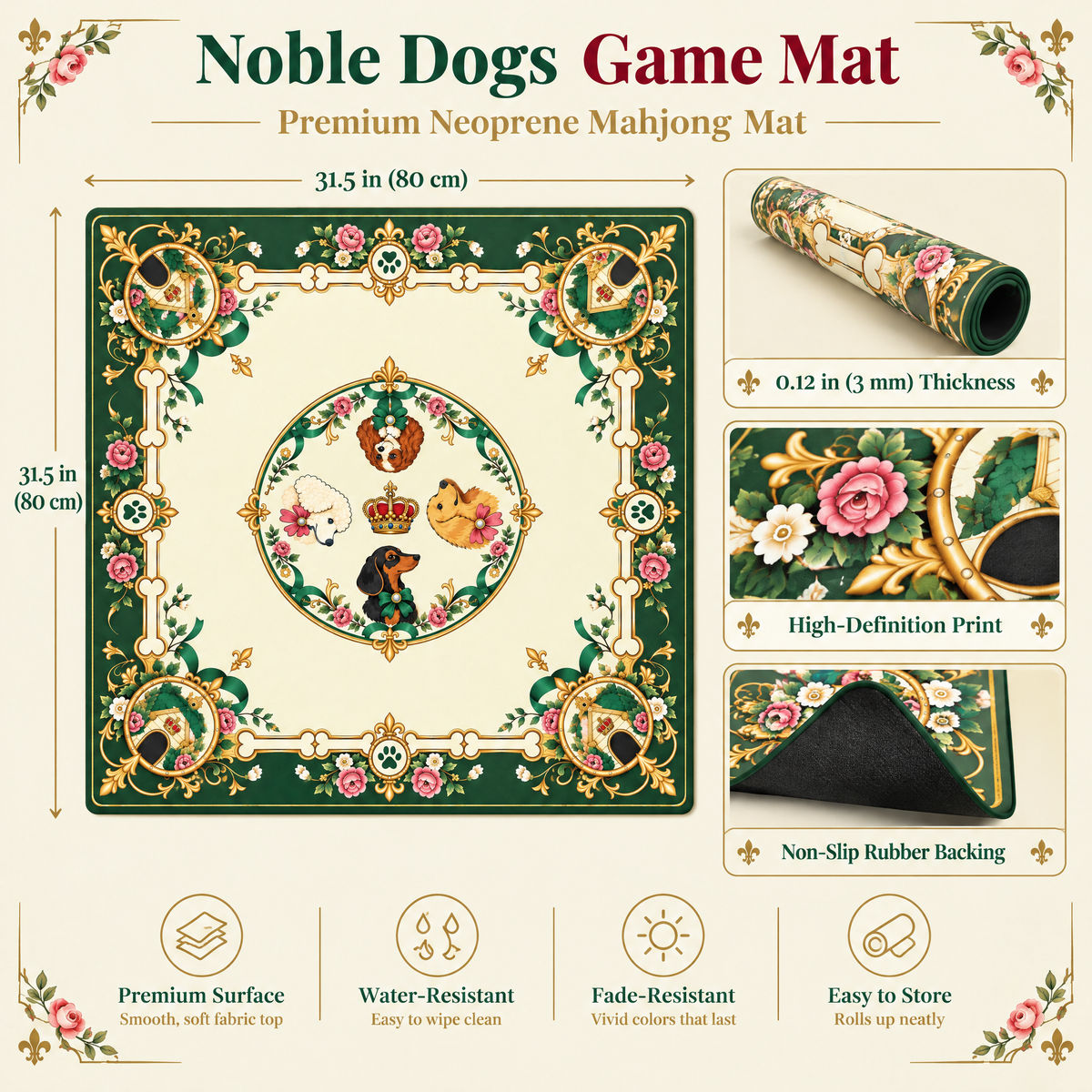
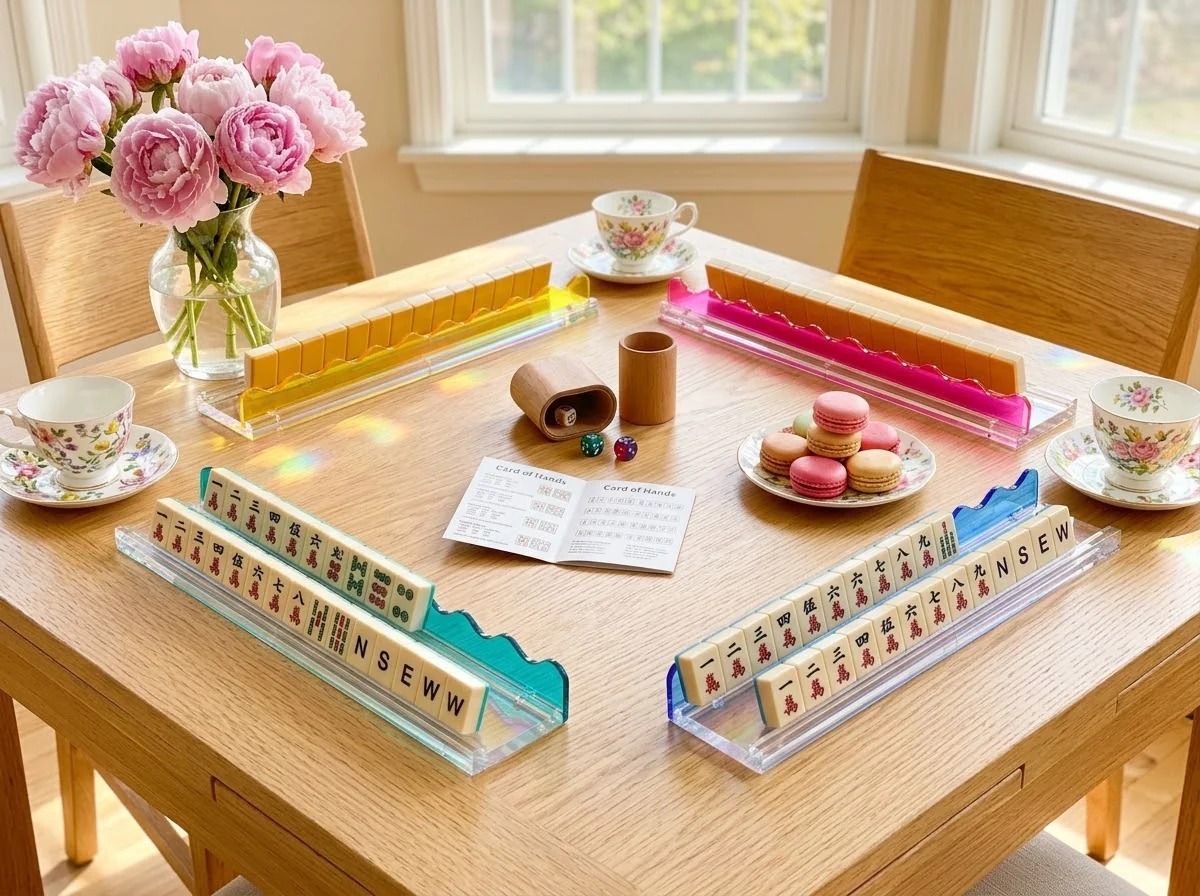
Mahjong racks with pushers speed the entire ritual. Numbered racks take chaos out of the Charleston: everyone calls out a number, tiles pass in seconds, and no one loses count. A thick, numbered mat with printed grid lines eliminates the "where do the dead wall tiles go?" questions that bog down newer players or those playing under time pressure. Our game group saved three minutes per round just by switching from an unmarked mat to one with clear Dead Wall markings and compass points. That's nine minutes per week—24 hours a year.
Pushers that move smoothly matter more than you'd expect. Bent or scratchy pushers slow down the wall push during the initial setup, and when you're tired in round three, a stuck pusher feels like a personal insult. Steel pushers with tight tolerances stay smooth for years; cheap plastic ones degrade after a season.
Which design keeps your set identifiable in a group?
If three people bring mahjong sets to your game, grabbing the wrong one causes friction—and someone's set gets handled rougher than they'd like. An engraved American mahjong set with your name, group name, or a professional motto serves two purposes: it's yours at a glance, and a personalized set often receives better care. Engraving adds minimal cost and zero setup time, but it makes the set feel owned. Some groups engrave a year or a "est. 2024" date, which tracks the set's age and helps explain why pushers feel different from a newer backup.
Avoid novelty colors or themed sets unless they genuinely matter to your group. Neutral tones (cream, jade, burgundy) age well and work in any home or club setting. Bright neons photograph well but look tired after six months.
What bag or case prevents damage during transport?
Busy professionals move sets between home and the game venue. A bag that doesn't protect racks and tiles is just cloth; mahjong bags and cases with interior pockets and padding keep pushers from bending and tiles from sliding around during a car ride. Soft cases work for short trips within town; hard cases matter if you travel more than 30 minutes or fly with your set. Check whether the bag fits your mat rolled or folded—if you're cramming an unrolled mat in sideways, it wrinkles and warps, and you'll spend the first five minutes of game night stretching it flat.
We learned this the hard way: a set traveled to a tournament in a thin nylon bag and arrived with four warped pushers and two cracked joker racks. The same set in a padded bag has traveled hundreds of times without a scratch. Padding costs less than replacing tiles.
🀄 Shop best-selling mahjong sets →
What should you check before you buy?
Before ordering, verify these non-negotiables:
Tile count: The standard American mahjong set uses exactly 152 tiles in play plus 8 jokers. A 160-tile set includes spares so you can replace a damaged tile without stopping play. Confirm the set includes all three suits (Bams, Craks, Dots), winds, dragons, flowers, and jokers per American League rules.
Pusher material: Ask whether pushers are solid metal or reinforced plastic. Metal lasts longer and feels more professional. Test the mechanism if possible—pushers should move smoothly with light pressure.
Joker racks: Jokers rack separately in American mahjong (they're never exposed on the board). Make sure the set includes joker racks that don't warp or jam. A cracked joker rack breaks a set's usability faster than any tile damage.
Spare tiles and replacements: A professional set includes extra jokers or blanks. If a tile cracks, you need a spare on hand, not a three-week wait.
Mat and table fit: Measure your game surface and confirm the mat or case fits without overhang or bunching. A mat that's too small or too large creates tension during the wall build.
Weight and portability: If you're carrying your set weekly, a lighter option matters. Acrylic is heavier than resin, but the durability trade-off is worth it for professionals; if weight is a dealbreaker, confirm the exact tile weight before ordering.
Engraving turnaround: If you want personalization, ask about lead time. Don't rush an order if it means missing your weekly game.
🎁 See our most-loved mahjong sets & accessories →
The gear you choose affects how many games you actually play. A professional set removes friction—no bent pushers, no missing tiles, no "whose set is this?" delays. When the set just works, everyone plays harder, focuses better, and shows up next week.
Comparing your options: a quick decision matrix
Most professionals choose acrylic sets with numbered racks and a padded bag because the upfront cost is lower than buying replacements every year. Some groups invest in a shared club set (often with the group name engraved) and split care. Others prefer portable options for frequent travelers. Whatever your routine, the investment pays back in three months of uninterrupted play.
Start with the best-selling collection to compare durability and build quality. If your group or personal name matters to you, explore engraved options. Add racks with pushers if your current setup drags, and a padded bag if you travel more than once a week. Free US shipping means there's no rush to buy locally—measure twice, order once, and spend your time playing instead of shopping.
✨ Find your Mahstead set — free US shipping →
FAQ
Can I use a tournament set for casual weekly games?
Yes. Tournament-grade acrylic sets are overkill for casual play but won't wear out faster—they'll simply outlast casual-grade sets by years. If you play once a week, a professional set will serve you and your group well for 5+ years.
Do I need to buy a new mat if I upgrade my tiles?
No, but check compatibility. A mat designed for 2-inch tiles won't fit 1.5-inch tiles, and vice versa. Mahstead's mats are sized for standard American tiles, so any upgrade will fit. Confirm your tile dimensions if moving from an older set.
What's the actual difference between acrylic and plastic tiles?
Acrylic is denser, resists moisture better, and holds weight and color consistency across hundreds of uses. Plastic tiles absorb humidity, warp over time, and can discolor or stain. For professionals playing weekly, acrylic pays for itself in durability within one season.
How often do pushers need replacing?
Good steel pushers last 5+ years of weekly play. Plastic pushers degrade after 1–2 years of heavy use. If your pushers feel rough, jammy, or bent, they're dragging down your entire setup—replace them as a set rather than troubleshooting individual ones.
Can I buy just spare tiles or jokers?
Contact Mahstead directly to ask about spare parts availability. Most professionals keep one backup set of jokers on hand so a bent joker rack doesn't pause play.


View More
View More
View More
