
Why Grandparents and Grandkids Love Mahjong Together
Last updated: Nov 23, 2026
Mahjong succeeds with mixed ages because it combines memory, pattern recognition, and social play without requiring text or fast reflexes. Grandkids grasp tile-matching in minutes; grandparents recognize the game's logic from decades of play. American mahjong, played with 152 tiles and 8 jokers, runs 30–60 minutes per hand, giving everyone time to think and chat. The game activates working memory and delays cognitive decline—research consistently shows games involving tile recall support brain health in older players. Kids aged 8+ follow the basics; teenagers strategize; adults compete; and multi-generation tables laugh at the same near-misses. Mahstead offers engraved sets and travel cases so families can host at home or bring the game to visits. No dice, no luck—only skill, tile-reading, and the unspoken rule that grandma always wins. 🀄 Shop best-selling mahjong sets →
Why Kids Pick Up Mahjong Faster Than You'd Expect
Kids' brains excel at visual pattern matching—exactly what mahjong demands. They spot a Crak suit before anyone else, remember which tiles went out, and learn to read the card in one session. Younger players often lack the patience-based habits older players bring, but they make up for it with energy and retention. The rule set is small: match tiles into pairs, pungs (three identical), kongs (four identical), and follow hands from the year's card. Kids aged 8+ can learn how to play American mahjong in under an hour; teenagers add strategy. The real win is that they stop scrolling and sit across a table with you for an hour without complaint.

What Draws Grandparents Back to the Table Decade After Decade
Grandparents often played mahjong 40+ years ago, before life fragmented into screens. Coming back to the game rekindles a muscle memory so deep it survives decades of absence—many recall tile shapes and hand patterns without prompting. The social rhythm is unchanging: shuffle, pass, draw, discard, announce. This consistency is calming. Beyond nostalgia, research supports that games requiring tile recall, hand-building, and real-time decision-making sustain cognitive sharpness in aging players. The National Mah Jongg League card changes yearly, keeping the game fresh. Grandparents also relish teaching—passing rules and strategy to younger players restores a role many miss post-career.
The Science of Cross-Generation Bonding at the Mahjong Table
Studies of family game nights show that games with clear rules, no time pressure, and turns create predictable social spaces where talk flows more freely than direct conversation. Mahjong's 30–60 minute hand length means family members can discuss life—grandkids' school, grandparents' memories—between draws without disrupting play. The tile-reading ritual (checking the card, sorting your hand, announcing melds) gives shy or anxious players a script and a reason to focus outward. Mixed-age tables also flatten hierarchy: a 10-year-old spotting a winning hand before an adult feels seen and valued. The shared rule system means no one is lost or watching from the sidelines. Multigenerational play also models that learning never ends—adults see grandparents adapting to new card layouts, kids see effort matter.
How to Set Up Your First Multigenerational Game: A Step-by-Step Checklist
Before you play:
Gather players: a minimum of four (preferably ages 8–80).
Get a 152-tile American mahjong set—acrylic sets hold up to frequent handling and survive travel.
Print or order the current year's National Mah Jongg League card (new each spring).
Choose a flat, level table large enough for four people and their hands.
First session:
Assign winds (North, East, South, West) and decide who deals first.
Walk younger players through tile names (Bams, Craks, Dots, Winds, Dragons, Flowers).
Play one hand slowly; stop after 10 minutes to answer rule questions.
Reshuffle and deal again—the second hand always clicks faster.
Ongoing:
Keep score only if everyone wants it; otherwise play for the experience.
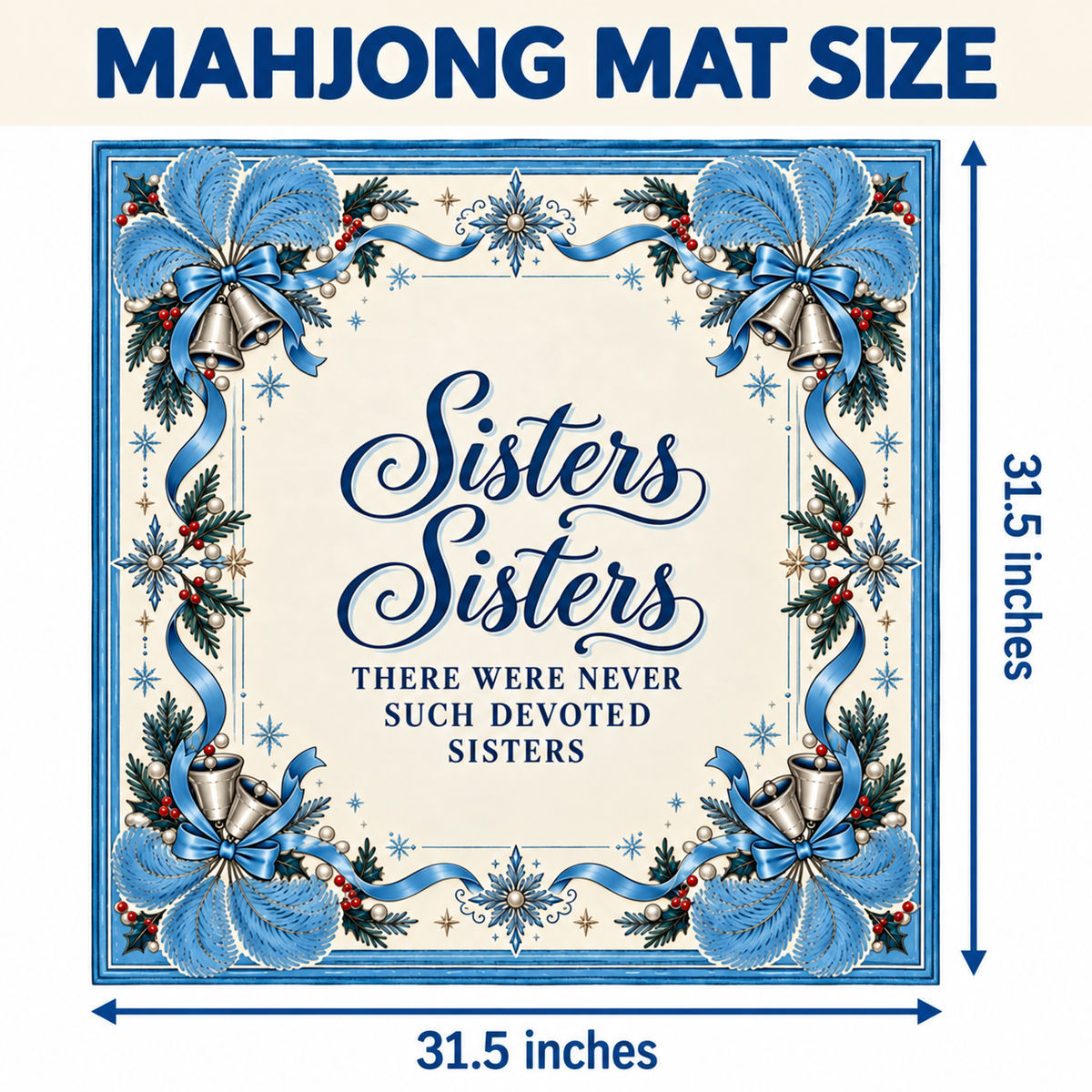
Use a mahjong mat to mark positions and protect the table.
Invest in racks with pushers once players can hold 13+ tiles comfortably—it reduces dropped tiles and hand fatigue.
🎁 See our most-loved mahjong sets & accessories →

The Secret Advantage: Multigenerational Mahjong Teaches Life Lessons Without Preaching
Mahjong teaches pattern recognition, risk assessment, and loss with grace. A grandparent watches a grandchild study the card, try a strategy, and adjust mid-hand—that's executive function in real time. Kids see adults make mistakes and recover. The game never punishes—it simply reshuffles. Players also learn to read expressions and play styles: that aunt always builds fast; this cousin hesitates before calling; the youngest plays boldly. These micro-lessons in attention, strategy, and character build quietly over weeks and months. The table becomes a classroom no one booked.
Why a Dedicated Mahjong Set Matters When Three Generations Are Playing
A quality mahjong set designed for repeated use prevents the table from falling apart emotionally and literally. Acrylic tiles don't chip like bamboo; engraved tiles stay readable after 500 shuffles; travel bags let you bring the game to grandma's or grandkids' homes. Mixed-age hands mean more shuffles, more joker calls, more dropped tiles—durability isn't luxury. Sets with clear suit colors (Bams in bamboo tones, Craks in bright red, Dots in white) help younger eyes learn faster. For holidays, Christmas mahjong sets add a festive layer when multigenerational play becomes an annual tradition.
Comparison: What Type of Set Fits Your Multigenerational Table?
Set Type | Who It Suits | Why It Works for Mixed Ages | Key Feature |
All ages, frequent play | Durable tiles, clear colors, survive heavy use | Budget-friendly, no chips | |
Players who gift or keep score | Personalization feels special for families | Lasts decades | |
Groups trying mahjong for first time | Latest designs, current year options | Newest color combos, fresh appeal |
What to Check Before You Buy a Set for Mixed-Age Play
Tile size: Confirm tiles fit comfortably in both small and large hands—tiles that are too small frustrate kids; too large strain older hands.
Joker count: The game uses exactly 8 jokers during play; spare jokers come with the set but never enter the game.
Carrying case: If play moves between homes, a padded bag prevents chips and lost tiles mid-journey.
Card clarity: Print the National Mah Jongg League card or use a laminated version—faded cards confuse beginners.
Rule sheets: Keep a house rule list visible: no house rules needed for American play, but note which hands count as a win before play starts.
✨ Find your Mahstead set — free US shipping →

FAQ
At what age can kids start learning mahjong with grandparents?
Children aged 8+ typically grasp the basics in one session—tile matching, suit names, and turn order. Younger kids enjoy shuffling and sorting but may need adult help reading the card. The real threshold is attention span: if a child can sit for 30 minutes and follow a pattern, they're ready.
Does one player always dominate multigenerational mahjong?
No. Mahjong skill compounds over years, but each hand reshuffles knowledge—a quick-thinking kid spotting a winning combination beats a slower grandparent. Mixed tables level out across 10+ hands, and play becomes about socializing, not scorekeeping.
How long does a typical multigenerational game take?
One hand (one winner) runs 20–60 minutes depending on player speed and decision-making. A full evening of four hands usually spans 2–3 hours with breaks for snacks or chat. Younger and older players tend toward the longer end because they read the card more carefully.
What's the most common mistake when teaching kids mahjong?
Rushing the hand. New players need time to study the card and understand how tiles link to hand patterns. Let each turn take 30–60 seconds; speed comes naturally after 5–10 hands.
Can three generations (20, 50, and 75 years old) play at one table?
Absolutely. Four players is the standard American game. Mixed-age tables often become the most competitive and fun because everyone brings a different strength—memory, speed, strategy, or intuition.
Is mahjong good for grandparents' memory and cognitive health?
Research indicates games requiring tile recall and strategic planning support sustained attention and working memory in older adults. Mahjong's multi-step hand-building and card-reading engage the same functions. Most grandparents report feeling sharper after regular play.


View More
View More
View More
