
Bone and Bamboo Mahjong Tiles: Pros, Cons, and When to Choose Them
Last updated: Nov 23, 2026
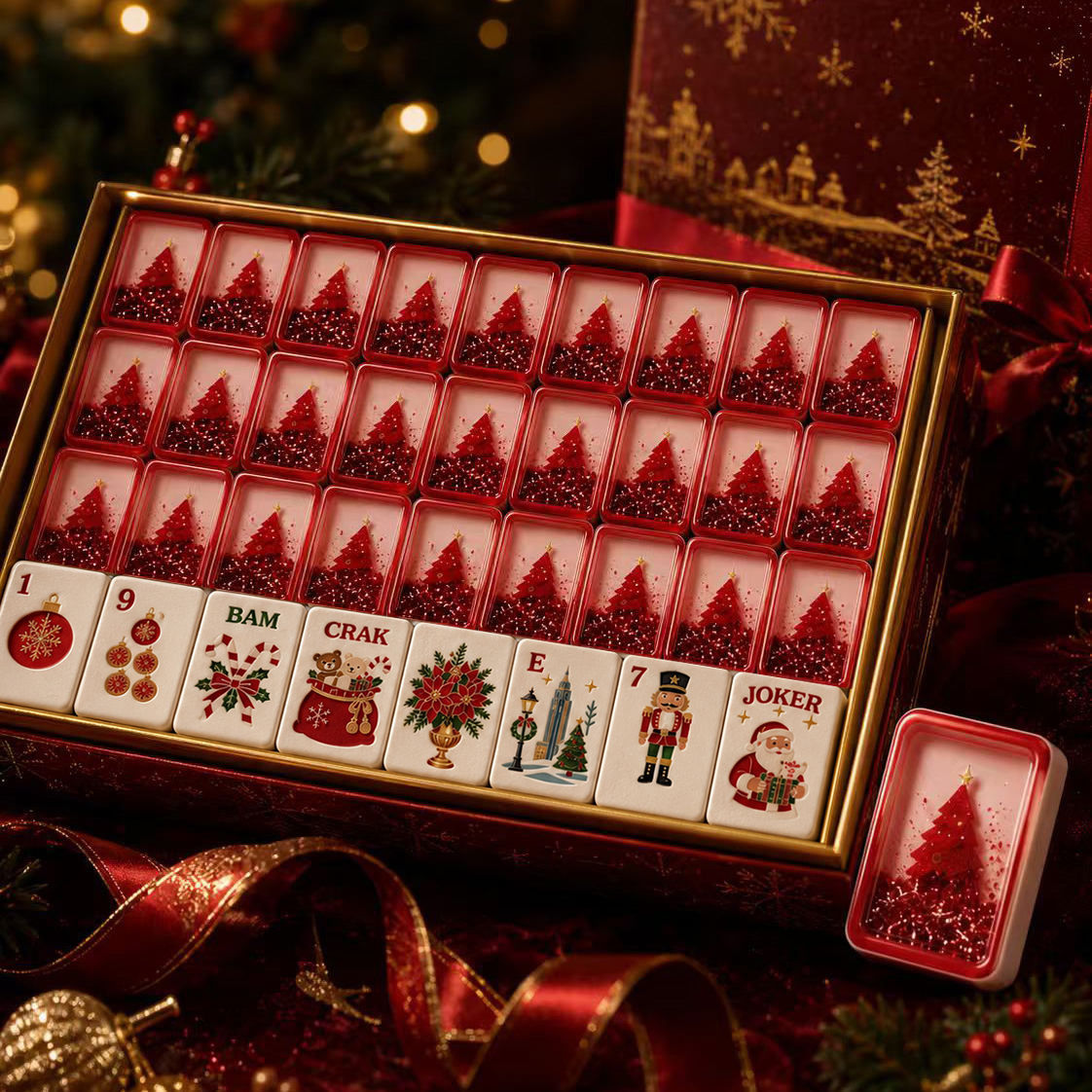
Bone tiles are hand-carved from animal bone, heavier (around 8–12 grams per tile), denser, and produce a sharp click when played; they're prized for their authentic feel and longevity but cost more and require careful storage to avoid cracking. Bamboo tiles are lighter (3–5 grams), made from compressed bamboo or wood veneer, offer a softer thunk, and are affordable and portable; they're ideal for casual players but wear faster at the edges and may develop surface marks. Neither material dominates—bone suits players who value heft, sound, and decade-long durability; bamboo suits those prioritizing portability, budget, and low-maintenance fun. Mahstead specializes in engraved American mahjong sets in acrylic, a hybrid third option offering durability and customization beyond traditional materials.
What's the weight and feel difference in your hands?
Bone tiles feel substantial—that 8–12 gram heft sits firmly in your palm and on a rack, requiring a deliberate flick to slide or discard. Bamboo tiles are light, often 3–5 grams, so quick shuffles and discards feel snappier, and your wrist tires less during long Friday-night sessions. If you've played traditional Chinese or Hong Kong mahjong, bone's gravitas mimics that tactile authority; bamboo is closer to modern acrylic speed-play. Bone tiles also stay cooler in hand, while bamboo can warm slightly from friction. For competitive American mahjong, where tile movement is precise and rack pressure matters, the weight difference affects rhythm and accuracy.

How durable are bone tiles over years of weekly play?
Bone tiles last 15–30+ years with proper care—they're virtually immune to fading and handle constant handling well. However, bone can crack if dropped on hard surfaces, stored in humid basements, or subjected to extreme temperature swings. A single cracked bone tile ruins the set since matches aren't available. Bamboo tiles show wear faster: surface scratches, edge softening, and print fading after 3–5 years of heavy use, especially on the painted character faces. Bamboo's softer surface also means discards onto a hard table slowly roughen the bottom. If you're hosting a weekly game for five years without replacement, bone wins; if you swap sets every few seasons or play casually, bamboo's shorter lifespan is acceptable and less painful if damaged.
Why does the sound matter, and which sounds better?
Bone tiles produce a sharp, high-pitched click or clack when stacked, shuffled, or discarded onto a wooden rack or table—many players associate this crisp sound with "real" mahjong and find it satisfying and focus-sharpening. Bamboo tiles make a duller, softer thunk or tok, which is quieter (better for apartment dwellers or afternoon games) but lacks the acoustic feedback that rhythm-based players rely on to gauge their tempo. Neither is objectively better—it's cultural habit and personal preference. Acrylic sets like Mahstead's best-selling mahjong sets produce a smooth, medium-pitched click that splits the difference, offering modern clarity without bone's brittleness.
Which material handles storage and travel best?
Bamboo wins portability: its light weight and compact stacking make it easy to toss into a shoulder bag or suitcase without straining your back. Bone is heavier, so a full set (152 tiles + 8 jokers) weighs noticeably more and requires a sturdy, padded container—traveling with bone often means a dedicated hard case. Bamboo tolerates casual storage (closet shelf, under a bed) because it's less fussy about temperature and humidity. Bone demands climate-controlled storage: avoid basements (moisture), garages (heat swings), and direct sun (bleaching and warping). If you play at multiple venues or travel monthly, bamboo's low-maintenance storage is a genuine advantage. Mahjong bags and cases designed for regular transport can protect either material, but the inherent lightness of bamboo makes frequent moves easier.
🀄 Shop best-selling mahjong sets →

What's the honest cost trade-off?
Bone tiles typically cost 2–4× more than bamboo for a comparable 152-tile set. Bamboo sets are entry-level affordable, making them popular for teaching newcomers or casual home groups. Bone's premium reflects hand-carving, material sourcing, and longevity—you're paying for 20+ years upfront. Bamboo is a lower-commitment purchase: if you play for one season and quit, you've invested modestly. Acrylic sets sit in the middle: durable like bone, priced lower, customizable with engravings for gifts or club identity, and maintenance-free. For a serious weekly game that intends to play for years, bone or acrylic offer better per-year value; for casual fun, bamboo is the fiscally sensible start.
Material | Weight | Sound | Lifespan | Storage Care | Best For |
Bone | Heavy (8–12g) | Sharp click | 15–30+ years | Climate-controlled | Serious long-term players |
Bamboo | Light (3–5g) | Soft thunk | 3–5 years | Low-maintenance | Budget & portability |
Acrylic (Mahstead) | Medium | Smooth click | 10+ years | Standard care | Custom, gift, durability |
Can you mix bone and bamboo tiles in one set?
Never. A matched set must have tiles of identical material and thickness so they fit uniformly in racks, shuffle predictably, and sit flush when stacked. Mixing bone and bamboo—even one bamboo tile among 151 bone—creates an uneven surface, breaks rack geometry, and becomes immediately obvious during play, making it seem amateurish. Once you choose bone or bamboo, commit to that material for the life of the set or retire it cleanly and buy a new one. This is why owning a backup set (the same material) is smarter than improvising repairs.
🎁 See our most-loved mahjong sets & accessories →
What to check before you buy
Before ordering bone or bamboo tiles, ask yourself these questions:
Lifespan intent: Are you playing weekly for 5+ years (bone or acrylic) or testing the hobby (bamboo)?
Storage reality: Do you have a climate-controlled space (bone needs it) or just a closet (bamboo is fine)?
Sound preference: Do you value the crisp click of bone, or does quieter appeal to your living situation?
Budget ceiling: Can you afford 2–4× more for bone durability, or is bamboo's price point your hard stop?
Portability: Are you the set's home, or do you travel it to multiple venues monthly?
Customization: Do you want names, dates, or club logos engraved? (Acrylic allows this; traditional bone and bamboo typically do not.)
✨ Find your Mahstead set — free US shipping →
Once you've answered those, your material choice becomes obvious. Bone is investment-grade; bamboo is trial-run friendly; acrylic is modern durability with personalization.

FAQ
Do bone tiles yellow or stain over time?
Bone can develop a warm patina (slight yellowing) over decades, which many players find charming. Spills or smoke can stain bone permanently. Bamboo resists staining better but fades and scratches more visibly.
Can you repair a cracked bone tile, or is the set ruined?
A single cracked tile can sometimes be glued, but the repair is visible, affects play feel, and won't match the rest of the set. Most players retire the set rather than compromise. This is a key reason bamboo's affordability matters: replacement is less heartbreaking.
Is bamboo tile paint toxic or likely to chip into food or drinks?
Modern bamboo tiles use food-safe acrylic inks, not lead-based paint. Chipping is cosmetic risk (the paint surface wears), not a toxicity issue. Still, keep beverages in stable cups away from tile play areas—tile paint isn't edible.
Which material is easiest to teach beginners on?
Bamboo. It's lighter (less wrist fatigue during learning), cheaper (beginners may lose interest), and forgiving of spills and rough handling. Once players love the game, they often upgrade to bone or acrylic for the ritual and longevity.
How should I store bone tiles in a humid climate?
Use a sealed, rigid plastic case with silica gel packets. Check packets monthly and replace when they lose color. Store in a temperature-stable room (not garage or basement). Even with care, bone in consistently humid regions can eventually warp; acrylic or bamboo may be more practical.
Do online reviews or player forums say bone is worth the premium?
Players who own bone and have played for 10+ years say yes—the sound, feel, and durability justify the cost. Bamboo players rarely regret their choice because the entry cost was low. The real divide is commitment level, not snobbery.


View More
View More
View More
