
White Dragon Tile in Chinese Mahjong: Role and Significance
Last updated: Nov 23, 2026
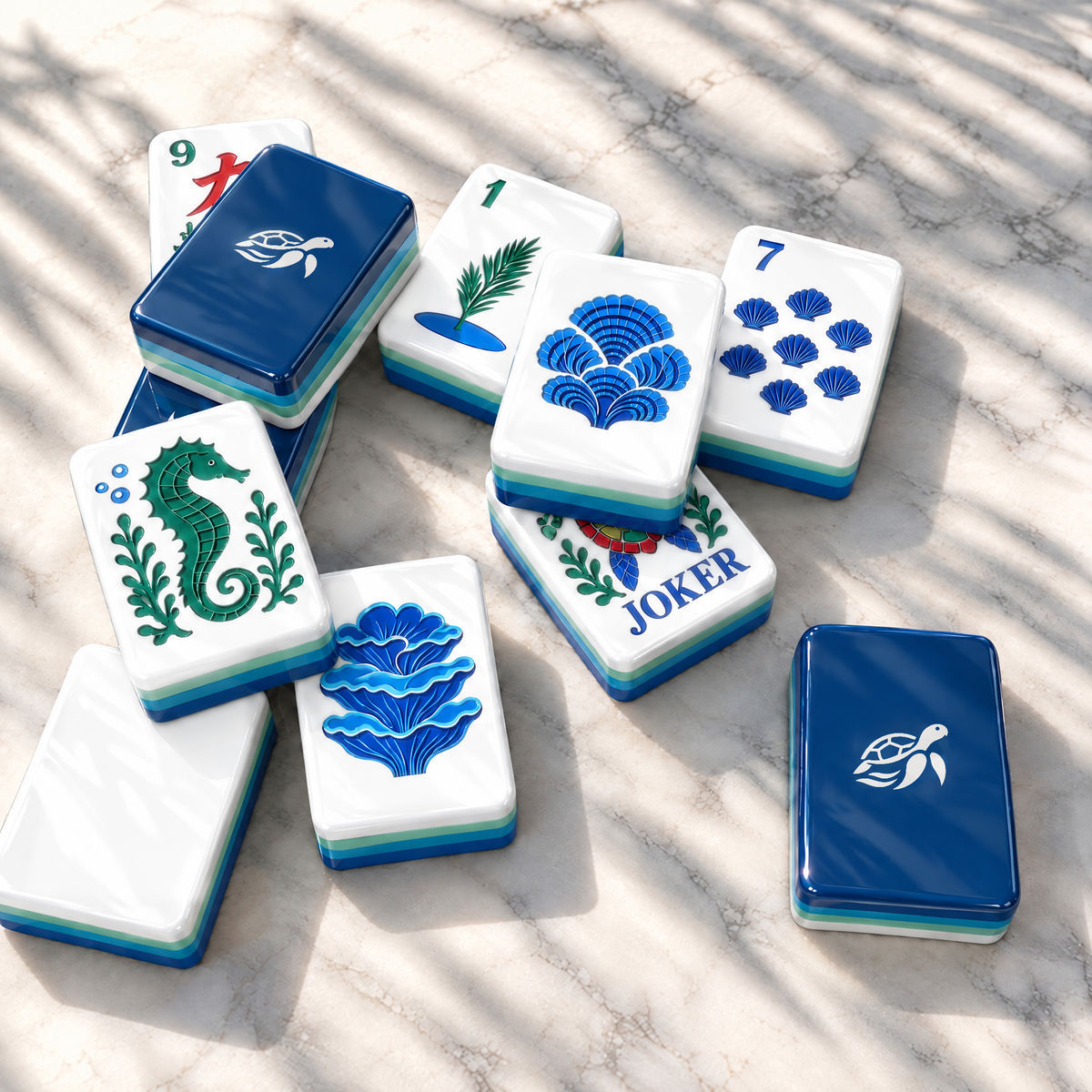
In Chinese mahjong, the white dragon tile carries symbolic weight as one of three honor dragons, each linked to prosperity, growth, or completion. Let's break down where this tile sits in both traditions and why it matters for your game.
What does the white dragon represent in Chinese mahjong?
The white dragon (白, báihóng) is the third of three dragon honors in Chinese mahjong, traditionally paired with the red dragon (prosperity) and green dragon (growth). In scoring systems, it holds the same point value as red or green dragons—typically 2 points for a pung in standard Chinese play. Many players associate white with the north, metal, or the completion of a cycle. The tile appears in honor-only hands and all-dragons combinations. In all variants, the white dragon is an honor tile, never a suited number, so it cannot form a sequence or chow.

How does the white dragon differ between American and Chinese play?
American mahjong uses the National Mah Jongg League annual card to define legal hands; the white dragon (called "Soap" colloquially) appears in honor-heavy or all-dragon patterns on that card each year. In Chinese mahjong, the white dragon's role is more fluid because players reference traditional hand patterns or region-specific rules rather than a single yearly reference card. American play has no sequences or chows from honor tiles—only pungs (three identical) and kongs (four identical). Chinese play allows honor sequences only in certain regional variants (rarely in standard Hong Kong or Cantonese styles). A critical difference: in American sets, the white dragon also stands in for a blank or zero on older designs, a role not present in Chinese play. Both variants respect the white dragon as a scoring tile in winning hands.
Feature | American Mahjong | Chinese Mahjong |
Reference | Annual NMJL card | Regional hand charts |
In sequences | No (honor tiles have no chows) | No (in most regional variants) |
Dual role | Yes (honor + zero substitute) | Honor only |
Pung value | Per card pattern (typically 2–4 points) | 2 points (standard) |
Set composition | 4 white dragons per 152-tile set | 4 white dragons per set |
Why do white dragons appear on both the honor and blank lines?
Older American mahjong sets printed the white dragon tile twice on scorecard references: once as an honor in the dragon row, and once as the "zero" or blank tile. This dual listing reflects practical play—early sets sometimes used the white dragon to fill in for missing blanks. Modern sets still carry this convention, and the annual card prints white alongside both honor hands and blank-dependent patterns. When you study your yearly card, you'll see white dragons listed in honor-pung combinations (like three white dragons) and in patterns requiring a blank tile (like suited sequences with a wild). This can feel confusing at first, but it simply means a single white dragon tile covers both roles. You're not adding an extra tile; you're using the same four white dragons flexibly depending on what your hand requires.
🀄 Shop best-selling mahjong sets →

What tiles should you check before playing with a new set?
When you open a new mahjong set from our best-selling collection, verify that all four white dragons are present and identical in appearance. Compare them against the red and green dragon tiles—they should match in thickness, size, and marking style. Look for chips, cracks, or fading on the white face; poor acrylic quality makes these honor tiles harder to spot during rapid tile draws. Count your full honor set: 4 east winds, 4 south winds, 4 west winds, 4 north winds, 4 red dragons, 4 green dragons, 4 white dragons. That's 32 honor tiles; they should account for roughly one-fifth of your 160-tile set (which contains 152 playing tiles plus spares). If your set uses engraved or custom designs, confirm the white dragon marking is clear enough that you won't confuse it with a blank during play. Some players store white dragons separately when traveling to avoid losing this critical tile; consider a mahjong bag or case if you move your set frequently.
How do you call or meld a white dragon in American play?
When you hold three or four white dragons, you expose them as a pung (three) or kong (four) by placing them face-up on your rack in front of you. You must announce "pung" or "kong" aloud—silence means the tiles remain hidden in your hand. Once exposed, those white dragon tiles lock into your hand and cannot be used for a different winning pattern. If you're using a rack with pushers, slide the white dragons forward in the honor section so all players see them clearly. In American play, you cannot call a white dragon pung from the discard unless your hand is complete and waiting for that final tile (a "wait"). You also cannot expose a white dragon as part of a sequence, because honor tiles don't form sequences—only suited numbers (Bams, Craks, Dots) do. Jokers can substitute for any tile in a pung, kong, or longer sequence, except they cannot substitute in a pair or a single tile, and they cannot fill a white dragon pair at hand's end.
🎁 See our most-loved mahjong sets & accessories →
What to check before you buy
Clarity: White dragons should display a clean, unmarked face or a consistent border; avoid sets where the white looks yellowed or translucent.
Count: Confirm your set includes four white dragons, not fewer (a missing honor tile breaks play).
Thickness: Compare white dragon tiles to red and green dragons side-by-side; uneven thickness signals poor manufacturing.
Engraving (if applicable): If you select engraved titles or custom sets, verify the engraver marked the white dragons clearly so they don't blur into blanks.
Storage: If your set includes a mahjong mat, test that honor tiles fit your rack's designated honor slot without jamming.
Reference card: Keep your current-year National Mah Jongg League card handy during your first few games to see exactly which white-dragon patterns are legal.
✨ Find your Mahstead set — free US shipping →

FAQ
Is the white dragon the same as a blank tile in American mahjong?
Not always. Older sets printed the white dragon as a substitute for blanks. Modern sets separate them—the white dragon is an honor tile; blanks are spare tiles. The annual card tells you which role it plays in each pattern. Count your set's four white dragons and check for a separate blank tile if your card requires one.
Can I use a white dragon to complete a suited sequence (like 1-2-3 Bams)?
No. White dragons are honor tiles, and honor tiles cannot form sequences in American mahjong. They only form pungs (three) or kongs (four) of identical tiles. Jokers can substitute in sequences, but white dragons cannot.
How many white dragons should a complete 160-tile American mahjong set contain?
Four. Your set has 152 playing tiles plus spares. The four white dragons are part of the 12 total dragon tiles (4 red, 4 green, 4 white). If you open a set and count only three white dragons, contact the seller before your first game.
Do Chinese mahjong rules allow white dragons in sequences?
No, not in standard regional variants (Cantonese, Hong Kong). White dragons are honor tiles and form only pungs or kongs. Some rare regional rule sets allow honor sequences, but the vast majority do not. Always confirm local rules before playing with a new group.
What does it mean if my white dragon tile looks translucent or yellowed?
Poor acrylic quality or age-related fading. Translucent tiles are harder to read quickly during play and may confuse beginners. If you're buying a new set, inspect samples first or check photos on the product page. Mahstead sets use durable acrylic; compare the clarity of white dragons to your red and green dragons—they should match.
Can I call a white dragon pung from someone's discard mid-hand?
Only if your hand is one tile away from winning, and you're waiting for that specific white dragon. Otherwise, you cannot call a pung from the discard. Once you meld it, your hand shape is locked and cannot change. In American play, you hold most melds hidden until you announce a win.


View More
View More
View More
