
Mahjong Racks with Pushers for Travel: What to Pick
Last updated: Nov 23, 2026
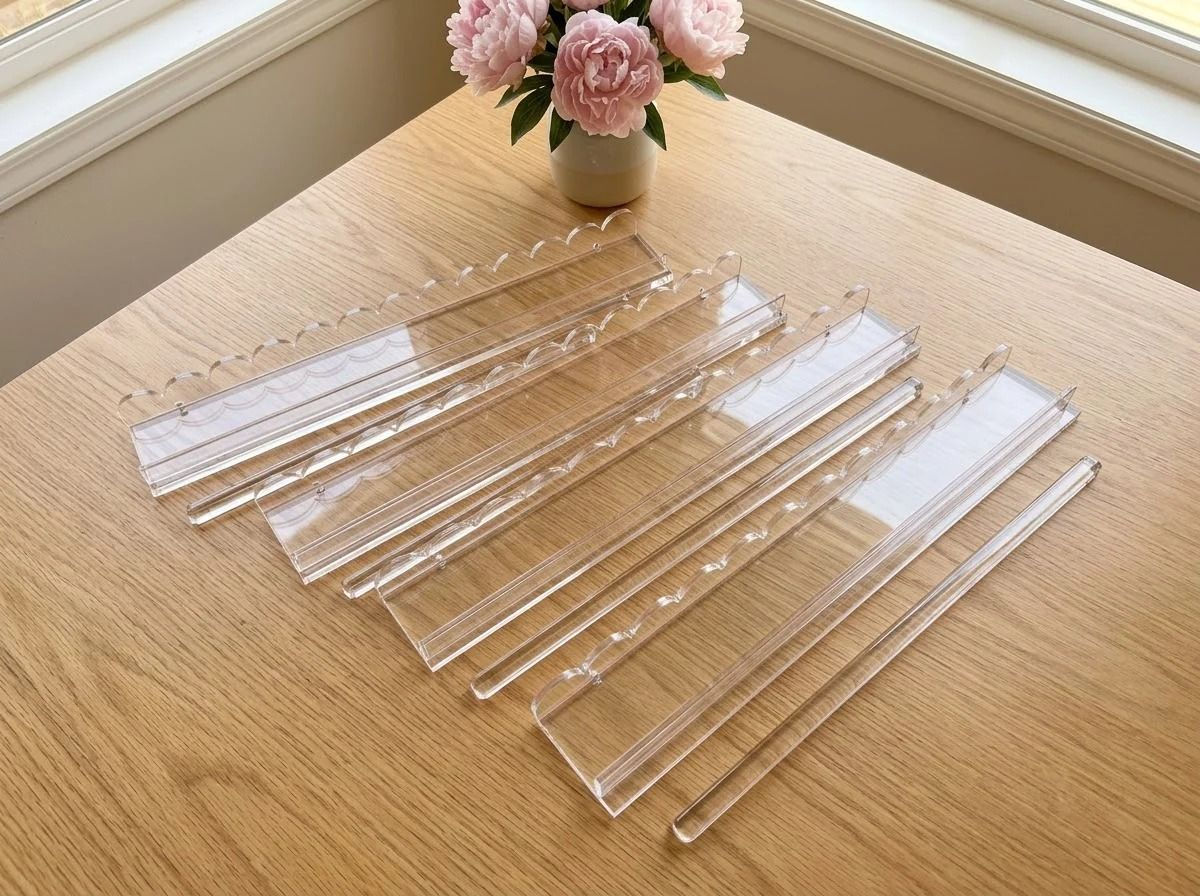
Travel racks with pushers come in two main designs: folding/collapsible models that compress flat, and rigid aluminum or bamboo frames that hold their shape. Both use pushers (lever bars) to nudge tiles forward as you play. Collapsible racks save space; rigid ones survive hard packing. Weight ranges from ultralight plastic (a few ounces) to heavier hardwood (several pounds per pair). Most travel sets pair racks with a best-selling mahjong set and a compact mat. Cost varies widely based on material and build quality. Before buying, confirm the rack height works with your arm reach, test the pusher grip in-hand if possible, and check whether it fits your luggage style. Mahstead offers racks in styles from minimalist acrylic to engraved hardwood—choose based on durability, weight tolerance, and how often you transport them.
Why racks matter for travel—and how pushers save your hands.
At home, you might rest tiles on a padded edge or lean them against a stand. On the road, a proper rack is non-negotiable. Pushers let you advance tiles smoothly without gripping them, reducing hand fatigue over a four-hour session. Racks keep tiles from spilling into your lap or across the mat when the car hits a bump or the plane tilts. A good travel rack folds or packs flat, weighs less than five pounds per pair, and stores inside your mahjong bag or case. Most road players we know use collapsible racks because they fit into overhead bins and car trunks; some prefer rigid models for durability on long trips or if they ship their sets by mail.
What types of travel racks actually exist, and which is right for you?
Collapsible racks compress to roughly 2–3 inches thick when folded, making them the gold standard for luggage. Rigid aluminum or bamboo racks maintain a fixed shape and are heavier but withstand repeated packing without developing creases or weak hinges. Hybrid designs use bamboo rails with folding braces. For air travel, collapsible racks are essential. For car trips within a few hours' drive, a rigid model is fine if you have trunk space. Choose collapsible if portability is your top priority; choose rigid if you play daily and durability matters more than compactness. Most casual road players opt for collapsible because they pack alongside a travel bag with padding.
How do pusher mechanisms differ, and what makes one easier to use?
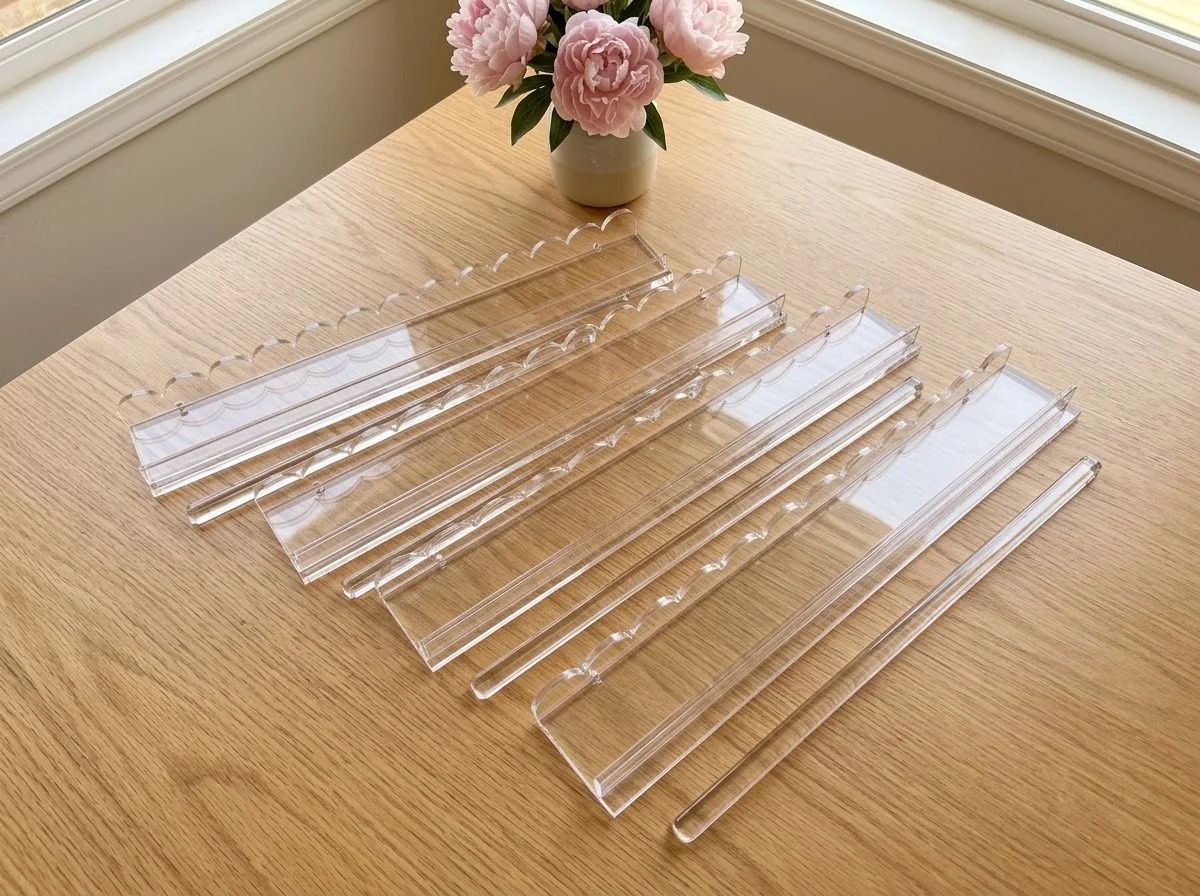
Pushers are the short lever bars anchored to each rack. A smooth, well-fitted pusher glides tiles forward without sticking. Cheap pushers bind, rattle, or wear quickly. High-quality pushers are usually machined aluminum or hardwood with a polished edge. When shopping, hold the rack and test the pusher action—it should move freely without gaps. Some travel racks have recessed pushers (they fit flush in a slot) and are easier to pack; others have protruding handles that can catch on bag linings. For travel, recessed pushers reduce snags and save a quarter-inch of packing depth.
What's the real weight and size difference between collapsible and rigid racks?
Rack Type | Folded Size | Weight per Pair | Best For |
Collapsible plastic | 2–3" thick, rolls up | 8–12 oz | Plane/overhead bin |
Collapsible bamboo | 2–3" thick | 1.5–2 lbs | Road trips, durability |
Rigid aluminum | 6–7" tall, no compression | 3–4 lbs | Home + occasional car |
Rigid bamboo | 6–8" tall | 4–5 lbs | Premium, frequent use |
Most people traveling by air choose collapsible; those driving choose what fits their trunk. A pair of collapsible racks plus four walls of your mat can fit inside a weekend bag. Rigid racks require a separate, larger case. Weight compounds: a full set (tiles, two racks, mat, dice, case) can weigh 15–20 lbs total, so rack weight is worth checking if you travel by hand.
🎁 See our most-loved mahjong sets & accessories →
How do you match a rack to your mahjong set and travel bag?
Before ordering, measure your tiles' depth and height. Standard American tiles are roughly 1 inch tall by 0.75 inches deep. A rack should hold them snugly without excessive wiggle—gaps mean tiles tilt or topple mid-game. Measure your bag's longest flat interior dimension; subtract 2 inches for zipper and padding, then compare to the rack's folded or flat size. If your set uses acrylic tiles, choose a rack with a smooth interior surface (rough bamboo can scratch them). If you've already bought a mahjong mat, verify the rack height aligns with the mat's pocket stitching. Many travel players use racks and the rolled mat inside the same bag—measure the combined thickness before checkout. Mahstead's mahjong racks collection includes dimensions and material notes on each product page.
What mistakes do travel players make when choosing racks?
Ignoring pusher comfort. A pusher that's too stiff or too loose ruins hand comfort on hour two. Always test or read real player feedback before ordering.
Buying mismatched pairs. Some players buy one nice rack and one cheap one. Both hands tire equally; buy the same model for each side.
Underestimating weight. A rigid hardwood rack feels light in a showroom but becomes a burden after hauling it through an airport twice.
Not checking bag fit. Racks that don't fit your bag mean a separate carry-on or checked luggage. Measure before you pay.
Forgetting spares. If a pusher breaks, you're sidelined. Mahstead racks come with hardware; keep a pusher spare in your travel kit.
Missing mat pockets. Some mats have racks built into the pocket design. If your mat doesn't, confirm your new rack will sit stable on the mat edge without sliding.
✨ Find your Mahstead set — free US shipping →
What to check before you buy: a real shopper's checklist.
Measure your bag interior and subtract 2 inches; compare to rack folded/flat size.
Confirm tile fit. Hold sample tiles (or bring your set) to the rack; ensure snug but not crushing fit.
Test pusher action. Smooth, no binding, no rattle; does the handle angle suit your grip?
Verify material. Acrylic tiles need smooth racks; bamboo tiles can handle textured surfaces.
Check mat compatibility. Will the rack height align with your mat's setup?
Weigh it. For air travel, add combined weight of racks + set + bag; stay within airline limits.
Review the return policy. Reputable sellers accept returns if racks don't fit your setup.
Plan for spares. Keep a replacement pusher and any fasteners in your travel kit.
The mahjong racks collection includes size and material specs; reading those details before adding to cart prevents shipped-and-wrong headaches.
Why Mahstead racks work for road trips.
Our racks are designed by people who pack them into cars and plane cabins every week. Collapsible models use quality hinges and machined pushers, not plastic clips that crack. Rigid racks come in acrylic and hardwood—durable enough to survive mail shipping if you send your set to a friend's house. Free US shipping means no extra cost surprise when you order. Mahstead racks are sold with dimension specs and material notes, so you're not guessing. If you're also picking a mahjong mat and matching tiles, we can help you build a cohesive, portable set.
🀄 Shop best-selling mahjong sets →

FAQ
Can I use a home rack for travel, or do I need a collapsible one?
Home racks are usually rigid and designed for stationary tables. They're heavy, bulky, and hinges may fail if bent repeatedly. For frequent travel, buy a collapsible model. For occasional car trips, a rigid rack is fine if your vehicle has space.
How do I know if a pusher will work with my hands or arthritis?
Pushers should glide smoothly with minimal finger pressure—no gripping required. If you have hand pain, test the rack grip in person if possible, or buy from a seller with a generous return window so you can exchange for a different pusher design.
Do all racks fit all tile sizes?
No. Standard American tiles are roughly 1" × 0.75", but vintage or specialty tiles vary slightly. Always confirm your rack's interior pocket depth and width matches your tile dimensions before ordering.
Can I pack a collapsible rack inside the mat and bag, or does it need its own space?
Most collapsible racks (when rolled or folded) fit inside a padded travel bag alongside the mat. Check the combined thickness: rack + mat + tile storage should compress to fit your luggage width without exceeding weight limits.
What happens if a pusher breaks during a trip?
Keep spare pusher bars and fasteners in your travel kit. Most racks use standard screws or pins; carrying a small hardware packet (costs nothing, weighs ounces) lets you reassemble or swap if a pusher is damaged.
Are aluminum racks better than bamboo for travel?
Aluminum is lighter and corrosion-resistant; bamboo is heavier but looks elegant and feels warmer in hand. For frequent air travel, aluminum wins. For car trips and aesthetics, bamboo is fine. Both, if collapsible, work equally well.


View More
View More
View More
