
Where to Play Mahjong in San Jose: Clubs, Groups & Getting Started
Last updated: Nov 23, 2026
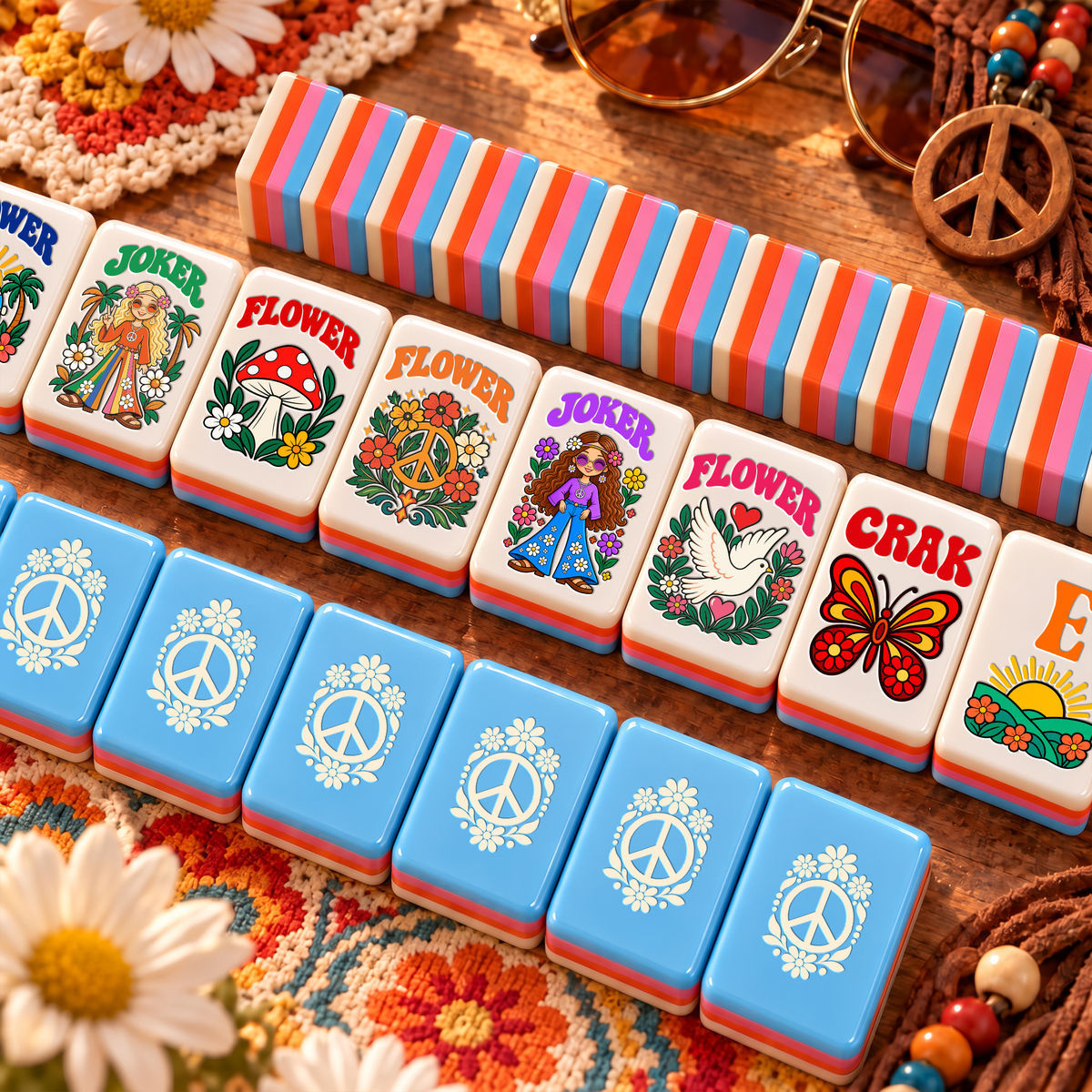
San Jose's mahjong scene centers on community centers (check parks and recreation departments), libraries with game programs, and informal home groups spread through neighborhoods and workplaces. The best entry point is a public beginner class—often free or low-cost—where you'll learn how to play American mahjong and meet regular players. Synagogues and country clubs sometimes host weekly games; ask at the front desk. Online Meetup boards and Facebook groups for "San Jose mahjong" or "Bay Area players" connect casual and competitive groups; many welcome newcomers. Most games run 2–4 hours on weeknights or weekends. Expect American mahjong (152 tiles, current-year National League card) unless a group specifies Chinese or another variant. Start by shadowing one session free to learn the table culture, then join with your own set—or ask if the host has extras to lend.
🀄 Shop best-selling mahjong sets →
What do San Jose's main mahjong venues look like?
San Jose's public mahjong communities cluster in three places. City parks and recreation departments run drop-in game sessions or 4–8 week beginner classes year-round, usually in community centers near neighborhoods like East Palo Alto, Evergreen, or downtown. Library systems (especially larger branches) host weekly open-play tables during afternoon or evening hours; no registration needed. Private clubs—country clubs, synagogues, and cultural centers—host members-only or members-plus-guest games, often on standing nights like Tuesday or Thursday. Home groups (garage mahjong) are the backbone of casual play: coworkers, neighbors, or family networks meet weekly for friendly stakes or zero-money rounds. Most welcome newcomers if you're introduced by a member. All formats play American mahjong unless posted otherwise.

How do I find a beginner-friendly game near me?
Start by calling your local parks department to ask about mahjong classes and open-play times; many offer low-cost sessions explicitly for beginners. Check your city or county library's website under "game programs" or call the reference desk—librarians often know which branches host tables and can introduce you to the group organizer. Search Meetup.com for "San Jose mahjong" and "Bay Area game groups"—many groups post open-play dates and beginner policies clearly. Facebook groups tied to Bay Area culture (Chinese culture associations, synagogue networks, women's groups) often mention game schedules in their posts or pinned comments. Ask if the group has a lending set or if you should bring your own; most established venues have communal sets available. Call ahead to confirm beginner games are happening that week, since some venues shift schedules seasonally.
What should I bring to my first game?
If you've never played, bring a notebook and pen to write down the National Mah Jongg League card patterns you see and ask questions between hands. Wear comfortable clothes—you'll sit for 2–4 hours. Bring cash if the game has stakes (ask the organizer beforehand what the betting range is; most casual groups play for modest amounts or nothing). Most venues supply tiles, racks, and mats; if the organizer asks you to bring a set, our best-selling mahjong sets come travel-ready and include everything you need. Many groups play with house tiles that are broken in and well-shuffled; don't be surprised if you're not using a brand-new acrylic set. If you're keen to own your own gear, an engraved or personalized set makes a great long-term investment and shows you're serious about joining the community.
Venue type | Typical day/time | Cost | Best for |
Parks & Rec class | Weekday evening or Saturday | Free–low cost | Absolute beginners |
Library open play | Afternoon or evening (check schedule) | Free or donation | Casual players, all levels |
Private club | Standing night (Tue/Thu typical) | Membership + game stakes | Regular competitive play |
Home groups | Weekly, arranged by members | Zero or small stakes | Social, flexible, friends |

How do I host a mahjong game at home in San Jose?
Hosting at home is the easiest entry point to the community—and a way to keep a group together week to week. You'll need a sturdy table (dining or card table works fine), a mahjong mat to protect the surface and speed up tile handling, a 160-tile acrylic set for durability and easy cleanup, racks with pushers so players can organize tiles without fumbling, and a current National Mah Jongg League card (players usually bring their own, but keep one printed at home). Start with 4 players—the standard game. Set a regular night (Wednesday or Sunday evenings are popular in the Bay Area) so people can plan ahead. Announce your house rules upfront: stakes or free-play, what time people arrive/leave, food policy, whether you're using jokers correctly (common mistake: new hosts allow jokers in pairs, which breaks the game). Invite one experienced player to co-host your first session; they'll answer rule questions and keep energy high. Spread the word through your network—coworkers, neighbors, synagogue or temple friends—and ask each guest to bring someone new after they've played twice.
🎁 See our most-loved mahjong sets & accessories →
What mistakes do newcomers make, and how do I avoid them?
The biggest mistake is not reading the current-year card before your first game. Each spring the National Mah Jongg League releases a new card; hands from last year don't count. Spend 20 minutes at home learning how to read the card's sections and patterns—you don't need to memorize hands, just understand the grid layout so you can search quickly during play. Second mistake: misusing jokers. In American mahjong, jokers can never form a pair and can only stand in for a single exposed tile (a pung, kong, quint, or sextet). If you're hosting or learning, clarify this rule with the group before dealing. Third: showing up late or leaving early without notice. Mahjong is a four-player game; if someone no-shows, the whole table stalls. Text the host 24 hours ahead if you can't make it. Fourth: using a cracked or incomplete set. Tiles that don't stack evenly or jokers that are missing slow play and frustrate experienced players. If borrowing from the host, ask about the set's condition; if buying your own, choose a durable acrylic set and count all 152 tiles plus spares before your first game.
What to check before you buy a mahjong set for home hosting
If you're ready to buy your own set (not just borrow), inspect it before the first game. Confirm you have 152 playing tiles plus spares; open the box and count. Check that tiles are uniform height and weight—stack a few to test. Verify all eight jokers are included and visible (they're crucial for American mahjong). Test the acrylic for cracks or discoloration, especially on numbered tiles that get shuffled most. If the set includes a mat and racks, lay them out on your table to ensure they fit your space. Read reviews or ask the group organizer what tile size they prefer (most prefer standard 1¼-inch tiles for easy stacking). Look for a mat that matches your table size so the playing field feels natural. Finally, keep the original box or get a sturdy travel bag or case—tiles chip and jokers warp if stored loosely or in humid basements.
✨ Find your Mahstead set — free US shipping →
Many San Jose hosts who buy sets choose acrylic over bone and bamboo because they're louder (satisfying shuffle), uniform in quality, and easy to sanitize between players—important if your group rotates between homes. If you're planning a long-term hosting role, investing in one good set, a protective mat, and racks with pushers transforms your space from a casual hangout to a legitimate game venue and often motivates the group to meet more regularly.

FAQ
Do I need to know how to play before joining a San Jose mahjong group?
No. Most public groups—parks classes, library open play—welcome complete beginners and teach from scratch. Home groups usually accept newcomers if vouched for by a current member. Ask the organizer if they run beginner hands or if experienced players will teach between rounds. Expect a learning curve of 3–4 sessions before patterns stick.
What's the cost of joining a regular mahjong game in San Jose?
Public classes through parks or libraries range from free to low-cost per session. Casual home games often have zero stakes or friendly bets (a few dollars per hand at most). Competitive private club games may involve higher stakes; ask before attending. No venue charges a membership fee to try one session.
Can I play if I only know Chinese or Hong Kong mahjong, not American?
Yes, but check with the group first. Most San Jose public venues teach American mahjong (152 tiles, National League card). Home groups and some cultural associations sometimes play Chinese or Hong Kong variants. Ask the organizer which rules apply so you know whether to study the American card or bring your own reference.
What do I do if I can't find a game and want to host my own?
Start small: invite 3 friends (or coworkers) who are curious, buy or borrow a 160-tile set and a mat, pick a standing night, and teach them together using a beginner guide or video. Once you have a steady table of 4, word spreads and people ask to join. Most Bay Area groups started exactly this way.
Should I buy an acrylic or bone-and-bamboo set for home hosting?
Acrylic is best for frequent home play: it's durable, uniform, sounds crisp when shuffled, and requires no special humidity control or storage. Bone and bamboo sets are beautiful but chip more easily and need careful handling. For a host who plays 40+ times yearly, acrylic pays for itself in longevity and replacement costs.
How do I know if my set is tournament-legal for competitive play?
American mahjong tournaments use tiles from the National Mah Jongg League's approved list. If you're buying for casual home play, any 160-tile acrylic set works fine. For competitive play, ask your group or the league directly which brands and sizes are allowed—most tournaments specify tile dimensions and weight tolerances.


View More
View More
View More
