
Where to Play Mahjong in Palm Beach: Clubs, Groups & Getting Started
Last updated: Nov 23, 2026
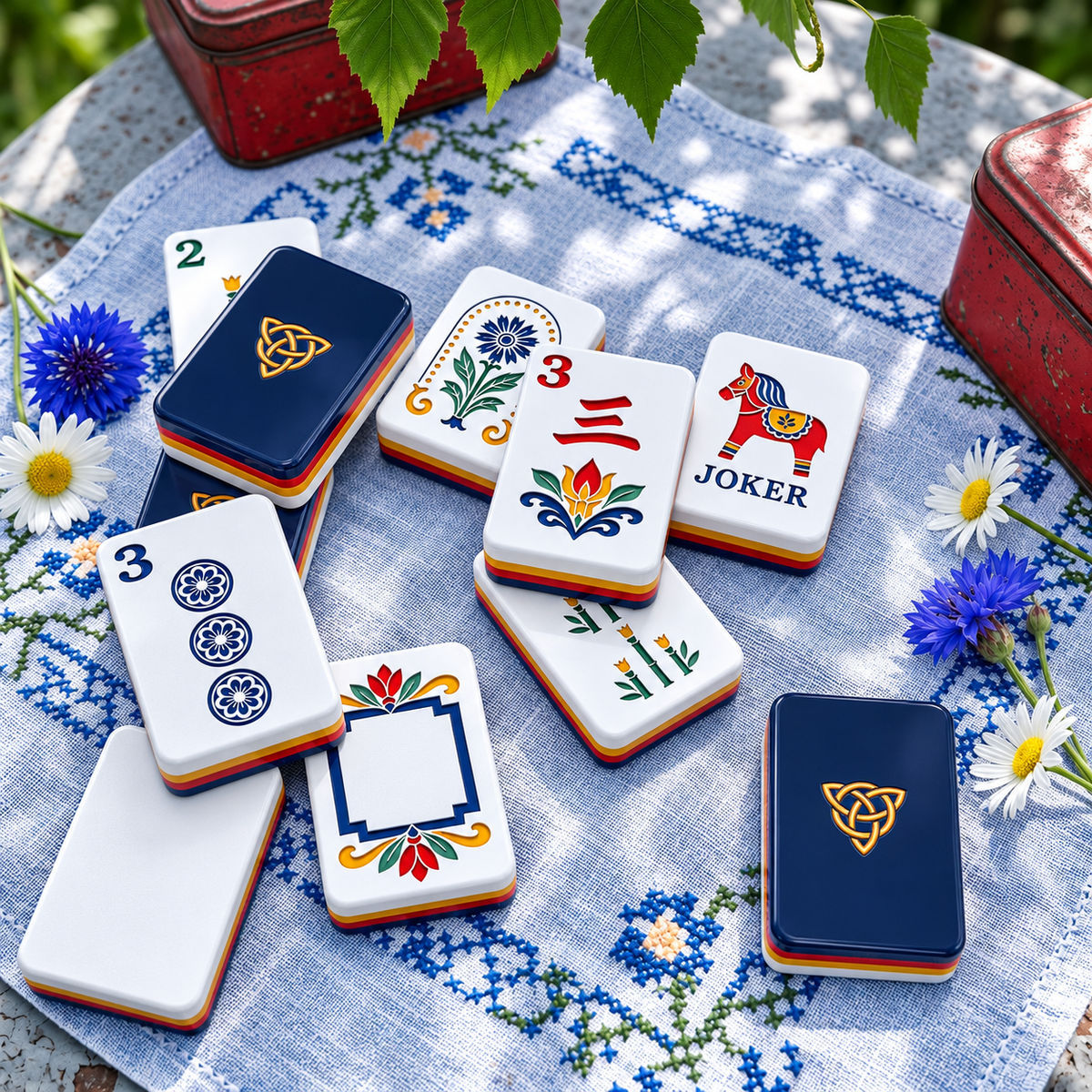
Palm Beach mahjong players gather in several ways: public community centers often host weekly games (check with recreation departments for schedules); libraries sometimes sponsor game nights and can connect you to local players; private country clubs and synagogues frequently run ongoing tables, especially during fall and winter months when seasonal residents arrive; and informal meetup groups organize games through social media and neighborhood boards. Most games follow American mahjong rules using the current National Mah Jongg League card, play Thursday or Friday evenings, and welcome beginners alongside experienced players. To join, visit or call your local recreation department, library, or community center directly—they can point you to active groups or help you start one. You'll need a 160-tile set with a mat and racks; our best-selling mahjong sets come ready to play with free US shipping.
🀄 Shop best-selling mahjong sets →
Where do community centers list their mahjong games?
Call or visit your local Palm Beach recreation department website or stop by the facility in person. Most post schedules on bulletin boards, in printed activity guides, and on their websites—search "[your town] recreation mahjong" to find contact numbers. Staff can tell you the day, time, cost per session, and skill level. Some centers require registration; others let you drop in.

Which libraries and cultural venues host mahjong nights?
Public libraries in Palm Beach often sponsor game nights or maintain bulletin boards where players post meetup information. Synagogues and Jewish community centers are traditional mahjong hubs, especially from November through March when snowbirds settle in. Country clubs and retirement communities also run regular tables. Call ahead to confirm you're welcome and whether you need membership or an invite.
What's the difference between open games and private groups?
Open games in community spaces welcome anyone; you show up, pay a small per-session fee, and play with rotating players—ideal for learning. Private groups (friends, neighbors, or club members) meet regularly at someone's home, often on a standing day like Thursday night, with consistent players and house rules. Open games follow stricter league rules; private games sometimes add house variants. For beginners, open games are less intimidating because turnover is high and expectations are lower.
How do you start a mahjong group if one doesn't exist?
Post on neighborhood social media, library bulletin boards, or community center websites that you're looking to start a weekly game and seeking four players. Once you have a core group, pick a standing time (most groups meet weekly) and rotate homes or meet at a library or coffee shop. You need one 160-tile mahjong set, a mat, and racks—enough for four players to see and manage tiles comfortably. New groups often start with a beginner-friendly variant and use the current-year National Mah Jongg League card, which changes every spring.
Venue Type | Best For | Typical Schedule | Cost Basis | Why It Works |
Community center | Beginners, casual play | Weekly evening or afternoon | Drop-in fee per session | Open, welcoming, low pressure |
Library game night | New players, social connection | Monthly or seasonal | Free or donation | Access to rules, other players nearby |
Synagogue/Jewish org | Year-round community, seasonal surges | Weekly, often Tuesday or Thursday | Membership or guest fee | Established culture, consistent group |
Private home group | Committed players, house rules | Weekly standing date | Chip pool or split snacks | Stable friendships, relaxed environment |
Country club/retirement community | Intermediate+ players | 1–2× weekly | Membership required | Serious play, professional setup |
Most groups use a mahjong mat to protect the playing surface and help new players learn tile placement. Bring the set, a scorepad, and snacks if it's a private game.
🎁 See our most-loved mahjong sets & accessories →

What should a new player bring or know before the first game?
If you're joining an established group, ask in advance: Do they use house rules? Which year's card? Should you bring a set, or will one be provided? Arrive 10–15 minutes early to learn names and watch a round. Bring a notepad, a pen, and an open mind—mahjong has a learning curve, but the social part is instant. If hosting, have racks with pushers so players can organize their tiles neatly and pushers help manage the discard pile. A scoreboard or paper scorecard and snacks (coffee, water, simple food) make newcomers feel welcome.
How do you find online mahjong communities in Palm Beach?
Facebook groups, Meetup.com, and neighborhood apps (Nextdoor) often advertise local mahjong meetups and virtual games. Search "Palm Beach mahjong" or your specific town name. Many groups also maintain email lists; once you attend one game, ask for the group's contact list so you can be notified of future sessions. Some players also connect through the National Mah Jongg League website, which lists affiliated clubs by region.
✨ Find your Mahstead set — free US shipping →
What equipment does a hosting group need?
At minimum: one 160-tile set (152 playing tiles plus spares), a mat, four racks with pushers, paper scorecards, and pens. If you host regularly, invest in a dedicated travel bag or case to keep everything organized and protected—tiles and racks travel well but need padding. A second set allows a fifth or sixth player to rotate in comfortably, or you can set up a spectator learning round. Most Palm Beach hosts play indoors in air-conditioned spaces and use sets engraved with personal names or club initials for a polished look.
What to Check Before You Buy or Join a Game
Rules version: Confirm the group plays American mahjong (not Chinese or Hong Kong variants), which uses the National Mah Jongg League card, and that everyone agrees on house rules before play starts.
Tile condition: If you're buying a set, choose acrylic or bamboo tiles—they last longer than bone or plastic. Inspect for cracks or missing tiles before your first game.
Mat and rack quality: A good mat protects the table; racks with pushers keep tiles upright and organized, reducing disputes over what you held or discarded.
Schedule fit: Join a group that plays when you're available. Most Palm Beach games run weekly; some add extra sessions in winter.
Beginner comfort: Ask if the group teaches newcomers or expects you to know the rules already. Read our mahjong for beginners guide before your first session so you're not lost.

FAQ
Do I need to own a mahjong set to play in Palm Beach?
No. Most community center and library groups provide sets. Private groups usually have a host who owns the set. If you love the game, owning your own 160-tile set means you can start a group or bring your preferred set to casual games.
What is American mahjong, and is it what they play in Palm Beach?
American mahjong uses 152 tiles, the current National Mah Jongg League card (renewed every spring), and a hand-drawn tile-passing ritual called the Charleston. Most Palm Beach recreational groups play this variant. Hong Kong and Chinese mahjong are different games with different rules; ask when you call.
How much does it cost to join a game in Palm Beach?
Community center drop-in games typically charge a small per-session fee (exact amounts vary by venue; call your local rec department). Library games are often free. Private home games sometimes use a chip pool (players ante a small amount, winner takes the pot) or split snack costs. Ask the group directly.
Can I play mahjong if I've never played before?
Yes. Community center and library games welcome beginners. Private groups vary; some prefer experienced players, others enjoy teaching. Arrive early, watch a round, and ask questions. Mahjong rules take time to learn, but the fundamentals are learnable in one evening.
What's the difference between a mat and a table cover?
A mat is a portable playing surface with marked sections for each player's hand and discard pile; it rolls up and stores easily. A table cover protects furniture but doesn't guide tile placement. For teaching beginners or portable games, a mahjong mat is essential.
Should I buy an engraved or custom mahjong set?
Engraved sets (with names, initials, or a club logo) make hosting feel more professional and are memorable gifts for a long-term group. Standard sets are less expensive and easier to replace if a tile breaks. Choose based on whether you plan to host regularly or play casually in different groups.


View More
View More
View More
