
How to Tell If Mahjong Tiles Are Urea: A Player's Guide
Last updated: Nov 23, 2026
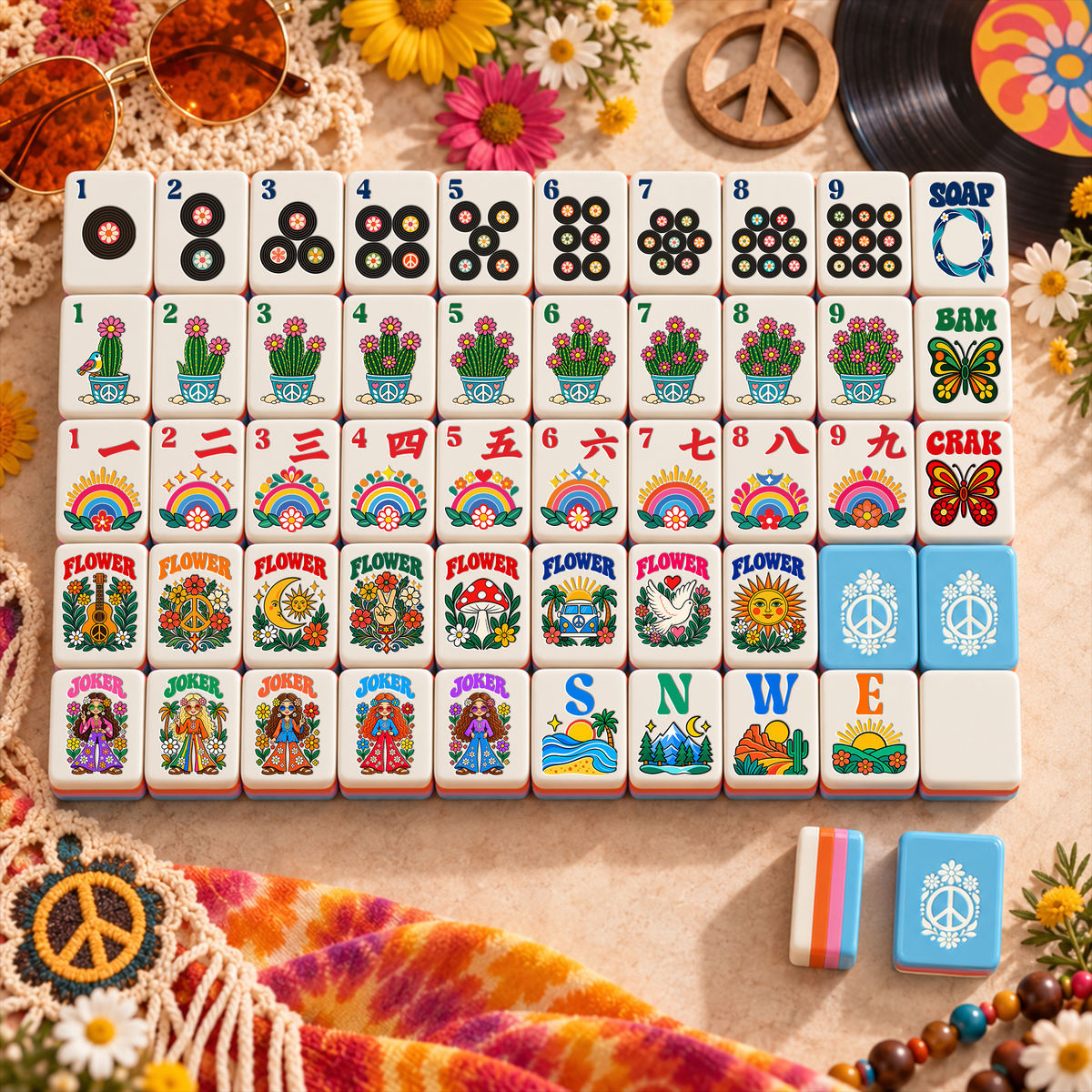
Urea tiles feel noticeably lighter than bone or bamboo and have a uniform, slightly plastic sheen that doesn't dull with age. To test: hold a tile to light (urea appears translucent or cloudy rather than solid), listen to the snap when tiles collide (urea makes a sharper, higher-pitched click), and check the weight—urea tiles weigh roughly 40% less than bone equivalents. Urea's hollow or thin construction means it won't develop the warm patina of natural materials, but it's virtually chip-proof and handles humid storage well. Most acrylic sets sold today (including our best-selling mahjong sets) use urea for the tile body or a hybrid acrylic-urea blend; older vintage sets favor bone or bamboo. Neither is "better"—urea suits casual weekly play and travel, while bone suits collectors. Check the product description or contact the maker before buying if material matters to your game.
What exactly is urea in mahjong tiles?
Urea is a synthetic polymer—essentially a plastic composite—molded into tile shapes and often topped with acrylic faces or paint-printed symbols. It became popular in the 1980s because it's cheap to manufacture, lightweight, and almost unbreakable. Unlike bone (which yellows and cracks) or bamboo (which splits), urea holds its color and survives drops onto hard floors. It also resists humidity better than natural materials, so a urea set won't swell or warp in damp basements—crucial for players who store sets year-round.

How do you identify urea tiles by sight and touch?
Hold the tile under bright light. Urea tiles appear opaque with occasional cloudiness or a slight yellowing tint, while bone tiles stay solid and white. Run your fingers over the surface: urea feels uniformly smooth and plastic-like, whereas bone has subtle grain variation and warmth. Check the edges—urea edges are sharp and uniform (molded precisely), while bone edges may show fine lines or very slight irregularities from hand-finishing. Look at the face printing: urea tiles usually have crisp, screen-printed or digitally inked symbols that don't fade with age, whereas hand-painted bone tiles may show fine brushwork or slight color variations. If you see a seam or hollow sound when you tap a tile, that's urea. Bone tiles are solid all the way through and produce a dull thud.
🀄 Shop best-selling mahjong sets →
What's the weight and sound test?
Pick up a tile with two fingers. Urea tiles feel almost feather-light compared to bone—roughly 40% lighter per standard tile. A 152-tile urea set (the American standard) weighs noticeably less than a bone set when you lift the whole collection. When two urea tiles collide, they make a sharp, ringing click—almost like plastic or acrylic. Bone tiles produce a deeper, duller clack because they're denser and dampen vibration internally. Listen to the sound when you mix tiles in the center or shuffle racks: urea sets create a higher-pitched, almost tinny cascade, while bone sets sound warmer and more muted. This test works best if you've handled both materials; after a few games, your ear recognizes the difference instantly. We often hear new players say they prefer the sound of bone for that reason—it feels more "traditional."
Why does material choice matter for your game?
If you host weekly casual play or travel frequently, urea or acrylic sets excel: they're durable, compact, and forgiving if someone spills water or knocks tiles onto the floor. Bone and bamboo sets suit collectors or players who value heirloom weight and aesthetics—they develop a rich patina but need careful storage and handling. Humidity matters: urea won't swell in a damp room or car, while bone can warp. Cost also differs; urea sets are affordable entry points, bone sets command higher prices. For serious league play, material rarely affects scoring or rules, so choose based on lifestyle. A set you'll actually use beats a delicate display piece. If you're unsure what material suits your situation, describe your setup (weekly game room, annual travel, climate) and we can help steer you toward the right engraved American mahjong sets.

How do hybrid acrylic-urea blends differ from pure urea?
Many modern sets use acrylic faces (the printed side showing symbols) bonded to a urea or composite base. This hybrid approach combines acrylic's scratch resistance and clarity with urea's durability and weight savings. The acrylic face resists fading and water damage, while the urea body absorbs impact without cracking. To identify a hybrid: look at the side of the tile—you'll see two distinct layers or a thin line where materials meet. These tiles feel slightly heavier than pure urea but lighter than bone. They're also quieter than pure urea because the acrylic dampens vibration. Hybrids are the sweet spot for most players: reliable, reasonably priced, and visually crisp. If you're buying a set and the description says "acrylic tiles" without further detail, it's likely a hybrid acrylic-urea construction—a solid, middle-ground choice for weekly games.
✨ Find your Mahstead set — free US shipping →
What should you check before buying a mahjong set?
Ask the seller or check the product listing for the exact material: "urea," "acrylic," "bone," "bamboo," or "hybrid." If it's unmarked, that's a red flag—many budget sellers omit material details. Look at photos: bone tiles show grain, urea tiles look uniformly smooth and plastic. Read reviews from buyers who've held the set; they'll mention weight, sound, and durability. Test a tile if possible: hold it, listen to it collide with another tile, feel its weight. For American mahjong, confirm the set includes 152 playing tiles plus 8 jokers (our 160-tile sets include spare tiles as well). If you're buying for travel, prioritize urea or acrylic for durability and lightness. If you're building a collection, bone or bamboo offer timeless appeal. For a weekly casual game, any of these materials works—pick what feels right in your hand.
Material | Weight | Sound | Durability | Best for | Maintenance |
Urea | Light (40% less than bone) | Sharp, high-pitched click | Chip-proof, humidity-resistant | Travel, casual play, damp storage | Wipe with soft cloth; resists stains |
Acrylic hybrid | Medium | Clearer tone than pure urea | Scratch-resistant face, durable base | Balanced use, weekly games | Avoid extreme heat; store flat |
Bone | Heavy, authentic feel | Deep, muted thud | Yellows, cracks over time | Collectors, heirloom sets | Keep in dry, climate-controlled space |
Bamboo | Medium-heavy | Warm, resonant tone | Splits in humidity, develops patina | Display, low-travel use | Requires dry storage, annual conditioning |
🎁 See our most-loved mahjong sets & accessories →
What's the honest trade-off between aesthetics and practicality?
Bone and bamboo tiles look and sound beautiful—they're the reason many of us fell in love with mahjong in the first place. But they demand respect: a dropped bone tile can chip, bamboo cracks in dry heat, and both yellow or warp in humidity. Urea and acrylic tiles are the anti-romance choice—they feel lighter, sound sharper, and look more uniform. But they survive neglect, work in any climate, and cost less to replace if one breaks. After ten years of weekly games, we've seen bone sets with chipped edges sitting in climate-controlled cases, and urea sets still looking pristine in garage cabinets. Neither choice is wrong. If you love the ritual of the game more than the object, urea makes sense. If owning a set is part of the joy, bone repays the care. Most of us play both types—casual urea sets for travel and frequent play, a treasured bone set for special occasions.

FAQ
Can I test whether tiles are urea without damaging them?
Yes. Hold a tile to a bright light source and observe translucency; listen to the sound when two tiles collide; feel the weight relative to other sets; examine the edges for sharp, uniform molding. All four tests work without contact damage. Bone tiles stay opaque, make a dull thud, feel heavy, and show natural edge variation.
Does urea yellow or discolor over time like bone does?
Urea resists yellowing far better than bone. Urea may develop a faint cream or amber tint after years of sunlight exposure, but the change is minimal. Bone naturally yellows to honey or amber tones within five to ten years—some players love this patina, others prefer urea's consistency.
Are urea tiles approved for National Mah Jongg League play?
The League does not mandate tile material. Any 152-tile American mahjong set made to standard dimensions and clearly marked symbols is eligible. Many tournament players use urea or acrylic sets for durability and travel.
Why do some sets feel heavier if they say "acrylic"?
True acrylic (solid cast resin) is denser than urea. Many sellers label hybrid sets as "acrylic" because the face is acrylic, even though the body is urea. Check the full material description; if unclear, ask the seller whether the base is acrylic, urea, or composite.
If I buy a urea set now, will it feel cheap compared to bone?
Urea tiles are lighter and make a sharper sound, which some players initially perceive as less luxurious. But after one or two games, most players focus on the hand, not the material. The real "feel" difference is minimal during actual play; the perception fades fast.
Can I mix urea and bone tiles in one set?
Technically yes, but don't. Mixed materials create inconsistent weight distribution, throw off your hand balance, and confuse tile-handling muscle memory. Stick to one material per set for consistent play.


View More
View More
View More
