
Where to Play Mahjong in Omaha: Clubs, Groups & How to Start
Last updated: Nov 23, 2026
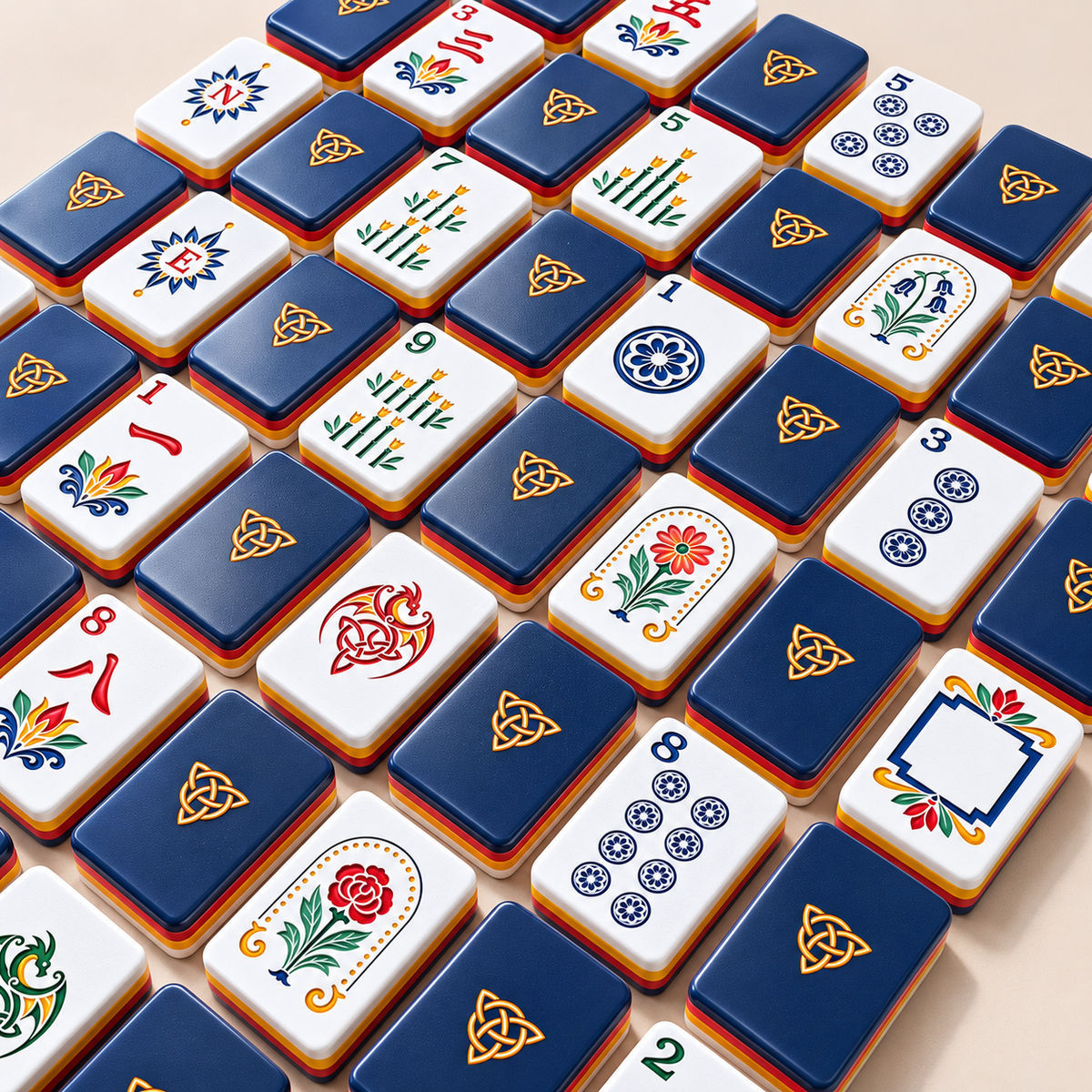
Omaha's mahjong scene thrives in community centers, libraries, senior centers, and private living rooms—start by calling or visiting your local public library to ask about game groups that meet weekly. The Omaha Public Library system and neighborhood community centers often host or host bulletin boards for game organizers; also check Meetup.com and community Facebook groups by searching "mahjong Omaha" or "tile games Nebraska." Most casual groups welcome beginners and loan sets if you don't own one yet. If you can't find a public group, consider starting your own: you'll need a 160-tile American mahjong set, a mat, four players, and the current-year National Mah Jongg League card. From Mahstead, you can order a complete set with a mat online, both ship free across the US, and you'll be ready to host within days.
Where to Play Mahjong in Omaha: Clubs, Groups & How to Start
Omaha's mahjong scene thrives in community centers, libraries, senior centers, and private living rooms—start by calling or visiting your local public library to ask about game groups that meet weekly. The Omaha Public Library system and neighborhood community centers often host or host bulletin boards for game organizers; also check Meetup.com and community Facebook groups by searching "mahjong Omaha" or "tile games Nebraska." Most casual groups welcome beginners and loan sets if you don't own one yet. If you can't find a public group, consider starting your own: you'll need a 160-tile American mahjong set, a mat, four players, and the current-year National Mah Jongg League card. From Mahstead, you can order a complete set with a mat online, both ship free across the US, and you'll be ready to host within days.
Where Do Omaha Players Gather?
What venues regularly host mahjong games in Omaha? Libraries are your first stop: branch reference desks often coordinate game boards or connect you to regular players. Senior centers (both municipal and private) typically host daytime games; many offer drop-in play without membership. Country clubs and Jewish community centers, if you're a member or guest, often have active Tuesday or Thursday afternoons. Check neighborhood community centers—most Omaha parks-and-recreation districts list game times on their websites. Meetup.com remains reliable for finding ad-hoc groups; search "mahjong" and your zip code. The key: most venues post schedules three months out, so plan ahead or call ahead.

How to Find a Game as a Beginner
Are there beginner-friendly groups in Omaha? Yes—nearly all casual groups welcome newcomers and assume you've never played. Call ahead and ask: "Do you teach beginners?" If the answer is yes, show up fifteen minutes early. Bring a notebook; ask if you can observe one hand before joining. Most groups play American mahjong (the tile-passing variant with the annual card, not Chinese or riichi), so confirm that first. If you own a set, bring it—extra sets always help. If not, ask if the group loans tiles or if another player brings spares. Learn how to play American mahjong before game day so you're not completely lost; even thirty minutes of YouTube tutorial saves you an hour of confusion at the table.
Starting Your Own Game: The Beginner's Checklist
What do you need to host your first mahjong game? Four players is non-negotiable—mahjong is a four-handed game. You'll need one 160-tile set (152 tiles in play plus extras), a mat to protect your table, and the current-year National Mah Jongg League card (published every spring). A score pad and pen round it out. Many hosts add a soft rack with pushers so players can organize tiles comfortably, and a dedicated bag for storage and transport. Here's your setup checklist:
Players: Four, preferably with at least one experienced hand
Tiles: One 160-tile set, fresh from the box—quality matters for shuffle and feel
Card: Current-year NMJL card (buy from game distributors or order online)
Mat: Protects the table and defines the play area clearly
Racks: Optional but transforms comfort, especially for newer players
Scoring: Pen, paper, or a simple phone note of the running total
🀄 Shop best-selling mahjong sets →
Don't overthink it: many first games use a borrowed set on a kitchen table with a score pad. But if you're hosting regularly, invest in quality tiles and a mat—they last years and make the game feel intentional.
What Makes a Good Omaha Mahjong Group?
Group Type | Where to Find | Typical Schedule | Best For |
Library-sponsored | Call reference desk or check website | Weekly, daytime | Beginners, consistency |
Senior center | Community center listing or phone | Twice weekly, morning | Regulars, social bonds |
Community center drop-in | Parks & Rec website or front desk | Thursday evening | Flexible schedules |
Private living room | Meetup, Facebook group, word-of-mouth | Weekly, set day | Serious or friend groups |
Country club | Membership inquiry | Weekly afternoon | Members, quieter pace |
A good group has one or two experienced players, welcomes questions mid-game, doesn't punish mistakes harshly, and meets consistently (same day, same time every week). Avoid groups that rush play or make new players feel stupid. A healthy table laughs, teaches, and plays to win—not to humiliate.

Hosting Your First Game: A Five-Step Start
How do you actually run your first mahjong night? Here's the flow:
Send invites two weeks ahead. Text or email: "Mahjong at my place, Thursday 7 PM, I have the set." Confirm at least three players.
Set up the space. Clear a table big enough for four (36 inches × 36 inches minimum). Lay the mat if you have one. Place the NMJL card, paper, pen, and a water glass at each seat.
Check your set before players arrive. Count the tiles if it's brand-new. Shuffle them in the bag to warm them up. Jokers and tiles should move smoothly—if any crack or stick, pull them out and let players know.
Start with the Charleston. This is the tile-passing ritual before the first hand. New players find it fun and mysterious; it randomizes luck before serious play begins. Have one experienced player walk everyone through it step-by-step. The Charleston explained covers the exact moves.
Play one practice hand before scoring counts. Let everyone make mistakes. Pause and answer questions. Once everyone has drawn and discarded once, switch to real play.
The first night is slow—that's normal. You're learning pace, not speed.
🎁 See our most-loved mahjong sets & accessories →
What to Check Before You Buy Your First Set
Omaha winters mean shipping delays in rare cases, so order by November if you want tiles in time for winter gatherings. Here's what matters when choosing a set:
Tile material: Acrylic tiles (smooth, durable, loud when shuffled—players love the sound) vs. bamboo-wood-faced (warmer feel, more classic, requires care). Both work; acrylic is beginner-proof.
Case or bag: A soft travel bag keeps tiles safe and makes transport to a friend's house easy. A hard case costs more but protects tiles if you're moving sets between venues.
Racks and mat: Buy these separately if your set doesn't include them. Mahjong racks with pushers are a luxury, not a must, but transform how casual players feel at your table.
Spare jokers and blanks: A 160-tile set includes extras. Jokers wear out first from heavy use; blanks stay fresh.
Our best-selling mahjong sets have been tested by hosts who run weekly games in living rooms just like yours. All ship free across the US.
Common Mistakes New Hosts Make
Mistake 1: Not reading the NMJL card before game night. The card changes every spring. Last year's card is useless. Buy fresh or borrow the current year from a player who knows.
Mistake 2: Starting with too many house rules. Stick to standard American mahjong rules for the first three months. Add house rules (if playing to a time limit, if wild jokers count in a pair, if you play with three players sometimes) only after everyone knows the base game.
Mistake 3: Forgetting the mat. Tiles damage tabletops fast. A mat costs little and saves your furniture and the tiles. How to choose a mahjong mat explains the styles—bamboo is traditional, neoprene is washable, felt is quieter.
Mistake 4: Overshooting on accessories. You don't need racks, pushers, and a leather bag your first year. A mat and a storage bag are enough. Add comfort gear as you host more.
What You'll Need
If you're building from zero, start here:
One 160-tile acrylic American mahjong set with a protective case or travel bag
One mahjong mat (bamboo or neoprene, your choice)
Current-year National Mah Jongg League card (order from an online game distributor)
Pen and scoring paper
Optional after your first month:
Mahjong racks with pushers for comfort
Second set (so players can rotate or a group can split into two tables)
All Mahstead sets include a storage bag and ship free across the US. Order anytime; most sets arrive within a week.
✨ Find your Mahstead set — free US shipping →
Resources Beyond Omaha
Once you've played weekly for a month, you'll want to deepen your game. Mahjong for beginners covers the conceptual side—tile types, hand shapes, why certain combinations matter. What's in an American mahjong set teaches you the exact tile count and symbols, so you can confidently count your hand and spot errors. The National Mah Jongg League publishes an official rulebook (available with your first card order). YouTube channels from established clubs show real games at tournament speed—watch them before your third week to see how faster players flow.

FAQ
Is there a competitive mahjong league in Omaha?
The National Mah Jongg League sanctions tournaments across the US. Check their website for regional events in Nebraska or nearby states; Omaha players often travel to Des Moines or Kansas City for sanctioned play. Local clubs sometimes organize small round-robin tournaments too—ask when you join a regular group.
Can I play mahjong with three people, or do I need exactly four?
American mahjong is designed for four players. Three-player and two-player variants exist but use different rules and tile counts. If your group ever has only three, check 2 and 3 player mahjong rules to decide before game night whether to adapt or wait for a fourth.
How much does it cost to join a game group in Omaha?
Most library and community center groups are free; some ask a small donation (a few dollars) to cover card copies or table snacks. Private groups sometimes play for low stakes (a dollar per hand) or no money at all. Ask when you call—every group sets its own tone.
Do I need to know Chinese or be familiar with Asian culture to play mahjong?
No. American mahjong uses English tile names (Bam, Crak, Dot, Dragon, Wind) and the annual card is in English. You're solving patterns on paper, not learning a language. Cultural interest is a bonus, not a requirement.
How long does a typical mahjong game last?
Eight hands (one full round where each player deals twice) take roughly ninety minutes with new players; experienced tables play eight hands in forty-five minutes. Most Omaha groups meet for two to three hours, so you'll play two to three full games in one session.
What happens if I move to a new city—can I find mahjong anywhere?
American mahjong is popular nationwide, especially in retirement communities, urban centers, and suburbs. Use the same search method (library, Meetup, community center) in any city. The rules are identical everywhere, so your Omaha experience transfers instantly.


View More
View More
View More
