
Where to Play Mahjong in Louisville: Clubs, Groups & Getting Started
Last updated: Nov 23, 2026
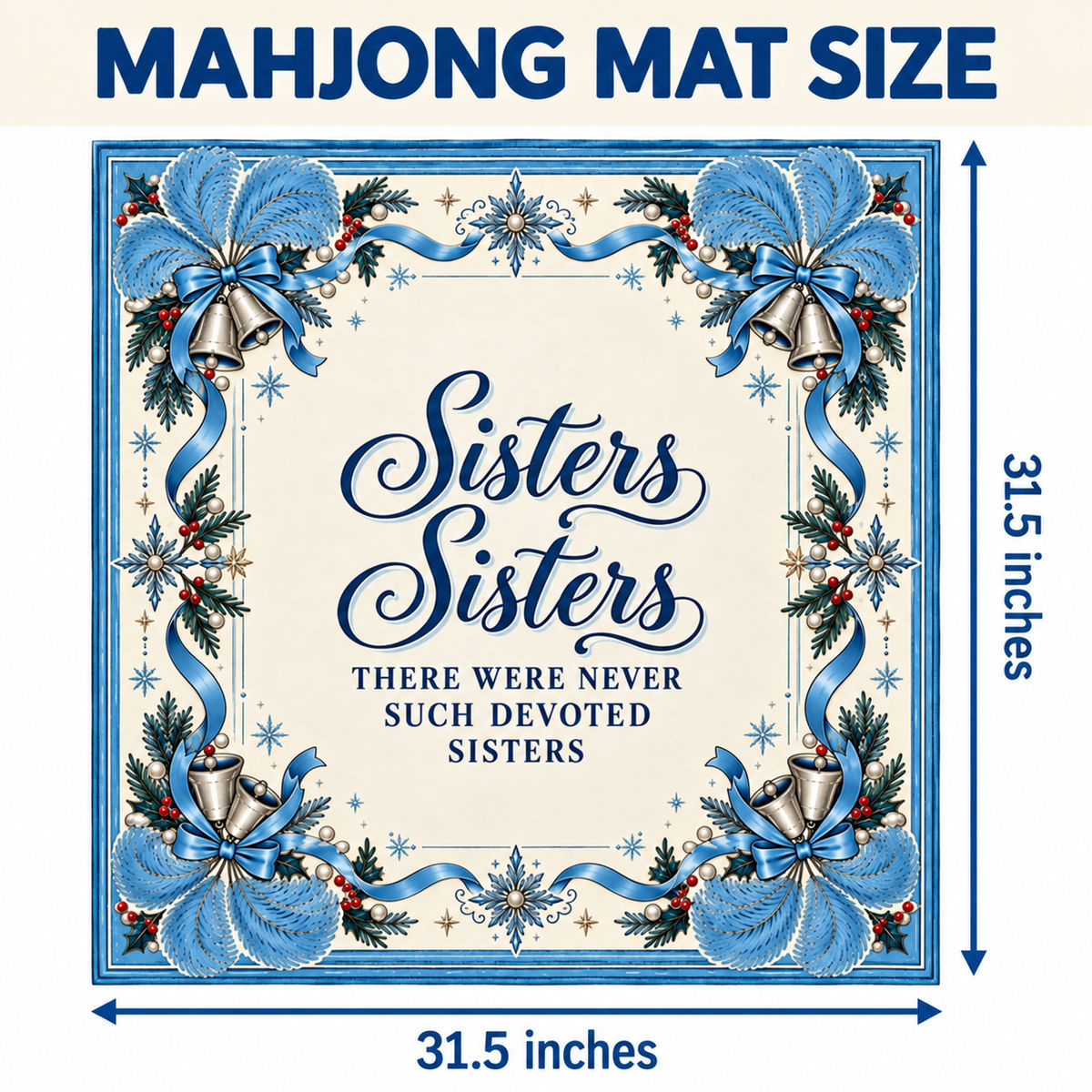
Louisville players gather primarily at public community centers (check your neighborhood rec department website), synagogues and Jewish community centers, and private home games organized through word-of-mouth or Meetup. The Louisville Public Library sometimes hosts game nights; call ahead to ask. Most games run weekly on weeknights or weekends, last 2–4 hours, and welcome beginners if you know basic hand-reading. The standard American mahjong game uses a 152-tile set with jokers, the current National League card (reissued each spring), and a mat to organize your tiles. Bring the card, a way to track score, and a small snack to share. We recommend starting with one of our best-selling American mahjong sets if you're new to hosting or don't own tiles yet—they're ready to play out of the box and designed to last through many seasons of weekly games.
How do I find a regular mahjong game in Louisville?
Start by calling your city or county Parks & Recreation department; most maintain schedules of community center game nights, some free or low-cost. Ask specifically for mahjong. Next, check the websites of synagogues and Jewish community centers in your area—many host weekly or monthly open games. Search "Meetup" plus your neighborhood name plus "mahjong" to find informal organizers; Louisville has growing online groups. Ask at your public library's front desk if staff know of any player meetups. Finally, post a note on neighborhood Nextdoor or Facebook groups asking where locals play. Personal invitations are common; once you attend one game, players often mention other tables.

What rules and skill level do Louisville groups typically play?
Almost all Louisville groups play American mahjong—the version that uses the official National Mah Jongg League card, issued fresh every spring. Games require exactly four players and last one to four hours depending on stakes and chatter. Beginners are usually welcome if they've memorized basic patterns from the card; hosts expect you to learn as you play. No house rules or variations are needed to join. Before attending, read how American mahjong works to recognize the hand types and tile names. Familiarity with the Charleston—the pre-game tile exchange—helps, though any group will teach you the ritual. A few high-level clubs may play faster or enforce strict time limits; ask the organizer upfront if pace or scoring style matters to you.
🀄 Shop best-selling mahjong sets →
What should I bring to my first Louisville mahjong game?
You need four things: a copy of the current-year National Mah Jongg League card (ask the host if they provide it or if you should print one), a pen or scorecard for keeping points, snacks or a drink to share (most tables rotate this duty), and either a set of tiles or money to buy in if the game uses stakes. Many Louisville tables are casual and non-gambling, so confirm before you go. A mahjong mat is optional but highly useful—it keeps tiles organized and quieter on the table. If you own or are buying a set, bring it in a sturdy bag to protect the tiles and make setup faster. Wear comfortable clothes you can sit in for hours; bring a light sweater if the venue is cold.
Do I need my own mahjong set, or can I use the host's?
Most games in Louisville are hosted at a location with a permanent set or sets already in place. If you're invited to a private home game, ask the host whether to bring your own set. Hosts usually have one shared set that everyone uses per the Charleston passing ritual. However, if you plan to host games yourself, own a set, or attend multiple venues, investing in your own 160-tile acrylic American mahjong set makes sense. A high-quality set lasts years through weekly play. Include a mat for tile organization and racks with pushers so tiles stand upright and don't slide; serious players notice the difference immediately.
Setup Item | Needed to Play | Nice to Have | Why It Matters |
152 American mahjong tiles | Yes—required | — | Game cannot start without all tiles |
National League card (current year) | Yes—required | — | Only valid hands come from this card |
Four players | Yes—required | — | American mahjong is always 4-player |
Mahjong mat | No | Yes | Keeps tiles quiet, organized; saves table space |
Racks with pushers | No | Yes | Tiles stay vertical; easier tile reads; faster play |
Score pen & paper | Yes—required | Yes (digital scorekeeper) | Track points; settle final score |
Snack to share | Social norm | Not required | Builds table culture |
Small bag or case | No | Yes (if traveling) | Protects tiles and mat in transit |
🎁 See our most-loved mahjong sets & accessories →

What if I'm new—how do I learn the card and rules before my first game?
Read our beginner's guide to American mahjong to learn the tile names (Bams, Craks, Dots, Winds, Dragons, Flowers), how jokers work in hands, and which patterns are legal. Study how to read the League card—it shows all valid 2024–2026 hands grouped by symbol. Download a free card PDF from the National Mah Jongg League website or ask your host to email you one. Spend one evening with the card and a tile set (or loan one from the host ahead of time) learning to recognize three or four common hand types. Louisville hosts are patient; most expect beginners to ask "Is this a win?" during your first game. Bring a notebook to jot down hands you see. After two or three games, pattern recognition becomes automatic.
Are there lessons or coaching available in Louisville for new players?
Some Louisville community centers or Jewish community centers offer beginner mahjong classes; call ahead to ask or check their seasonal schedules. A few experienced local players offer informal coaching before or after games. Ask the game organizer if anyone is willing to tutor you for one or two sessions. Online resources also help: watch short video tutorials on American mahjong hand types and the Charleston before you attend. The National Mah Jongg League website publishes beginner resources. Most Louisville groups are welcoming; if you sit and observe one game, you'll pick up rhythm and confidence quickly.
What are the costs to play mahjong in Louisville?
Community center games are often free or charge a small hourly room fee split among players—typically under a few dollars per person. Library-hosted games are usually free. Private home games vary widely: some are purely recreational with no money involved, while others run with small stakes (typically a nickel or dime per point) or table fees of a few dollars. Ask the organizer upfront what the cost model is. Buying your own set to host or travel with is a one-time investment; see the product page for best-selling sets. Mats, racks, and bags are optional add-ons that improve the game experience but aren't required to play.
✨ Find your Mahstead set — free US shipping →
What to check before you buy your first mahjong set
If you're deciding whether to invest in your own tiles, ask yourself:
Am I attending games weekly? If yes, owning a set saves wear on the host's tiles and gives you practice at home.
Will I host games? Yes = a set is essential.
Do I travel between venues? Yes = add a travel bag or case to protect your investment.
Do I prefer standard colors or engraved/themed designs? Our best-selling collection has both classic and personalized options; custom-engraved sets make great gifts.
Is storage space tight? Our 160-tile sets in acrylic are compact and stack neatly compared to bamboo alternatives.
All our sets include mats and dice and ship free across the US, so you're ready to play on arrival.

FAQ
Where in Louisville do most mahjong games meet?
Community centers, synagogues, Jewish community centers, and private homes are the main venues. Check your Parks & Recreation department website first, then call synagogues or search Meetup for "mahjong Louisville." Word-of-mouth groups often grow from public games once you attend one.
Do I have to know how to play before joining a game?
No, but you should be willing to learn quickly. Read a beginner's guide and study the card beforehand. Most Louisville groups welcome newcomers who show up prepared to ask questions during play.
What does the National Mah Jongg League card cost, and do I need to buy my own?
The card is free to download from the League website or costs a few dollars in print. Most hosts provide copies or expect you to bring your own. It changes every spring, so check the current year before attending.
Are Louisville games competitive or casual?
Both exist. Community center and library games tend to be casual and social. Private home games vary in pace and stakes. Ask the organizer upfront if you prefer a relaxed, beginner-friendly atmosphere.
If I buy a mahjong set, will it work in any Louisville game?
Yes. American mahjong sets are standardized: 152 tiles plus jokers, in American design. Any properly made set from any maker plays the same way. All our sets meet these standards and arrive ready to use with no assembly needed.
Can I play mahjong if I only know how to play Chinese or Hong Kong rules?
No—Louisville groups play only American mahjong, which has different rules (no sequences, only exposed pungs/kongs, hands from the annual card). If you know another variant, expect a learning curve of one to two games.


View More
View More
View More
