
Where to Play Mahjong in Kansas City: Clubs, Groups & Game Nights
Last updated: Nov 23, 2026
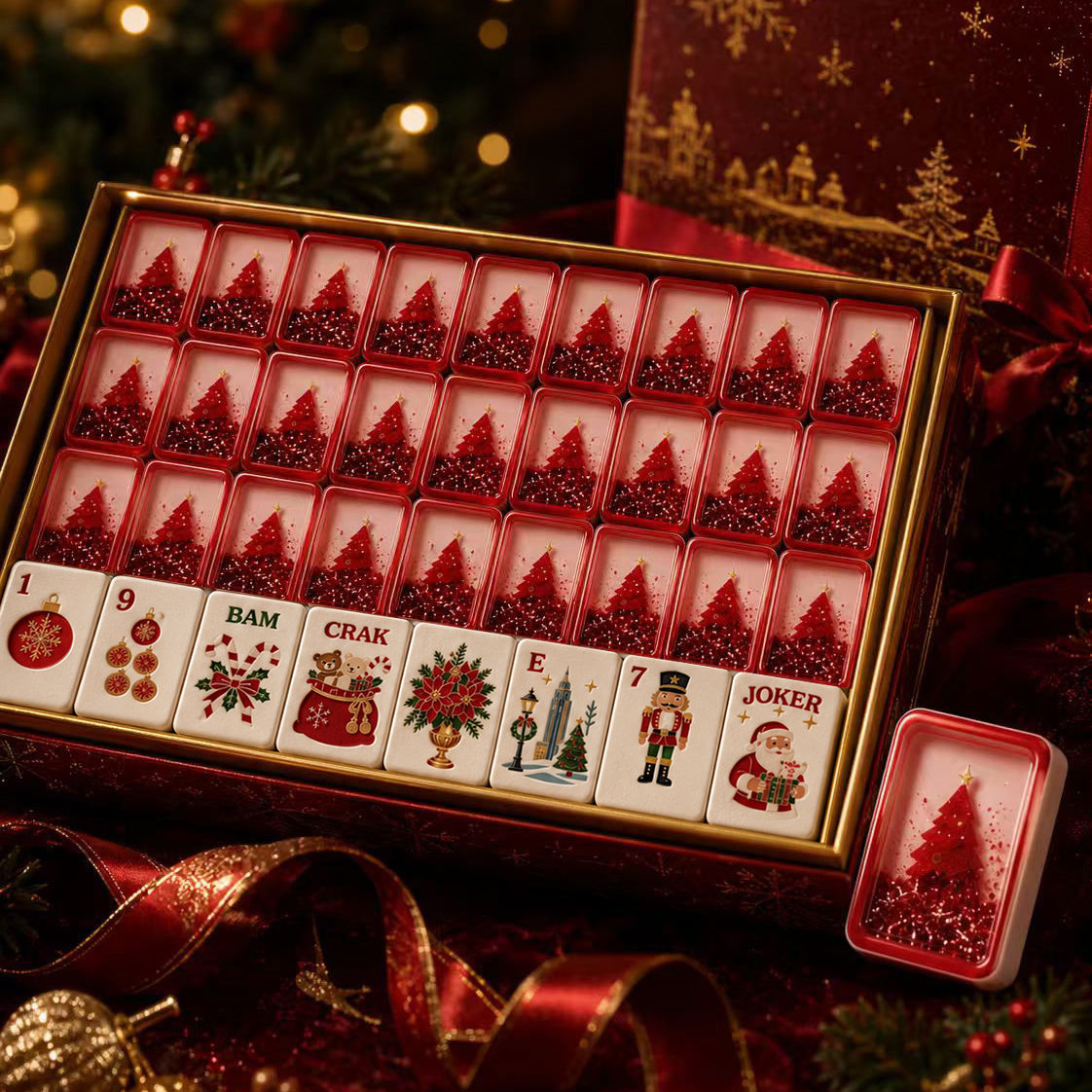
Kansas City's mahjong scene clusters around three hubs: community centers and senior centers (often host weekly drop-in games or lessons), synagogues and Jewish cultural organizations (traditional American mahjong strongholds), and public libraries (which advertise clubs and host beginner workshops). Meetup boards like Meetup.com and Facebook groups dedicated to KC leisure activities surface active game groups; search "mahjong Kansas City" or "Kansas City mah jongg players." Most weekly games run Tuesday–Thursday evenings or Saturday afternoons, last 2–4 hours, and welcome players from rank beginner to advanced. Cost is typically free or a small donation to cover space. Before joining, confirm the variant (American mahjong is most common locally) and whether they provide sets or expect you to bring your own; our best-selling sets work reliably for drop-in play. Contact the group coordinator ahead of time to confirm current meet times, as schedules shift seasonally. 🀄 Shop best-selling mahjong sets →
How do I find active mahjong groups without cold-calling?
Start with online search: Google "mahjong Kansas City," check Meetup.com (search "mahjong"), and browse Facebook groups for Kansas City recreation and board games. Call your local public library or community center directly—staff maintain current club rosters and often post flyers. Synagogues and Jewish community centers are reliable leads; search by neighborhood. Ask any friend who plays; the KC mahjong world is tight and word-of-mouth referrals are quickest. Once you identify a group, message the organizer via Meetup or Facebook to confirm they're active this season.

What skill level do I need to start?
Most Kansas City groups welcome absolute beginners. American mahjong has a steep learning curve, but casual drop-in games are patient about teaching. Expect your first session to be slow: you'll learn the basics of how to play American mahjong, how to read the National Mah Jongg League card, and the Charleston tile-passing ritual. Experienced players at public games typically welcome newcomers and explain hands as they arise. If you're nervous, watch a few hands before joining; most groups allow observers. Online tutorials and our mahjong for beginners guide can give you a head start so your first live game feels less overwhelming.
What's the time commitment for a typical game night?
A single game lasts 15–25 minutes, but group sessions run 2–4 hours with breaks. Most weekly meetups start at 6 or 7 p.m. and finish by 9 or 10 p.m. You don't have to stay the full time: drop in for one or two rounds if you want a shorter commitment. Saturday afternoon sessions often run noon to 4 p.m. Plan to arrive 10 minutes early to settle and watch an opening hand; players are usually forgiving of late arrivals between games.
Should I bring my own set or will one be provided?
Group provision varies widely. Community centers and synagogues that host weekly clubs often have house sets. Casual meetup groups frequently ask players to contribute a set or share one. Before your first visit, message the organizer and ask. If you need a set, our best-selling American mahjong sets are designed for reliable group play—durable acrylic tiles, clear engraving, and organized racks make them perfect for weekly tables. If you'll be a regular, owning your own set is worth it; you can also personalize it with engraved designs that reflect your play style.
Scenario | What to Do | Our Recommendation |
First-time visitor, group provides sets | Go empty-handed, watch & learn | Attend 2–3 sessions before buying |
Joining a casual home group | Ask organizer; offer to bring a set | Engraved sets with racks & mats |
Hosting your own KC game night | You'll need a full 152-tile set + extras | |
Regular player, frequent games | Own a personal set |
🎁 See our most-loved mahjong sets & accessories →

How do I start or host a mahjong group in Kansas City?
Reserve a public space first: community center room rental, library meeting room (often free), or a quiet corner at a coffee shop or bookstore with room permission. Post on Meetup.com, Facebook community boards, or neighborhood apps like Nextdoor. Set a recurring time (weekly or biweekly) and clearly state "American mahjong, all levels welcome" and "bring a set or we'll provide one." Plan for 3–6 players per table (American mahjong is four-player; breakout groups can run parallel games). Confirm you have at least one full 152-tile set; if hosting multiple tables, our collection includes sets with clear engraving so tile recognition stays fast across a crowded room. Announce beginner-friendly hours (earlier start times attract newer players) and add a Slack or group chat so regulars can confirm attendance.
What to check before you buy a set for group play
If you're committing to a regular Kansas City game, check these before purchasing:
Tile visibility: Acrylic tiles with deep engraving stay legible under overhead lighting.
Rack stability: Players will bump the table—your racks with pushers need to keep tiles upright.
Set completeness: Confirm the set includes all 152 playing tiles + 8 jokers. A 160-tile set includes spares for wear and damage.
Portability: If you'll travel to different venues, a lightweight bag or case saves wear on acrylic.
Mat quality: A non-slip mahjong mat protects tiles and reduces noise (important in shared spaces).
Can I learn online and then join a KC group?
Yes. Watch YouTube tutorials on American mahjong rules, study the National Mah Jongg League card layout, and practice the Charleston. Then visit a group as an observer; tell the organizer you're new and want to learn from watching. After one or two sessions you'll recognize patterns and feel confident joining a hand. Groups expect this progression and rarely judge.
✨ Find your Mahstead set — free US shipping →

FAQ
What variant of mahjong do Kansas City groups play?
The vast majority play American mahjong, which uses the National Mah Jongg League card issued each spring, features 152 tiles (108 in three numbered suits, plus winds, dragons, flowers, and jokers), and allows only pungs, kongs, quints, and sextets—no sequences. A smaller number of groups play Chinese or Riichi variants; always confirm before attending.
Do I need to know the National Mah Jongg League card before my first game?
No. The card is the hand reference—it lists all winning combinations for the season. Experienced players carry it and will help you read it during play. Familiarity comes from watching hands in action. Our guide to reading the mahjong card speeds up your learning if you want a head start.
Is there a cost to join a Kansas City mahjong group?
Most community center and library groups are free or charge a small donation (typically $2–5) per session to cover room rental or supplies. Private or synagogue-affiliated groups may charge $5–10. Always ask the organizer upfront.
What happens if I miss a game or can't play every week?
Drop-in groups expect irregular attendance. Show up when you can; no penalty for skipping weeks. Some groups ask you to RSVP via Meetup or text so they can balance table count, but this is courtesy, not a requirement.
Should I bring snacks or drinks to a group game?
Check with your group's culture—some love communal snacks, others want the table kept clear to protect tiles. A personal water bottle is always safe. If hosting, offer light snacks (cookies, pretzels) but keep them away from the playing surface.
What's the etiquette for watching someone else's first game?
Sit quietly, don't touch tiles or give unsolicited advice during play, and ask questions between hands. Most players love teaching; they'll explain their strategy and ask if you have questions. This is the fastest way to learn.


View More
View More
View More
