
Where to Play Mahjong in Columbus: A Player's Guide
Last updated: Nov 23, 2026
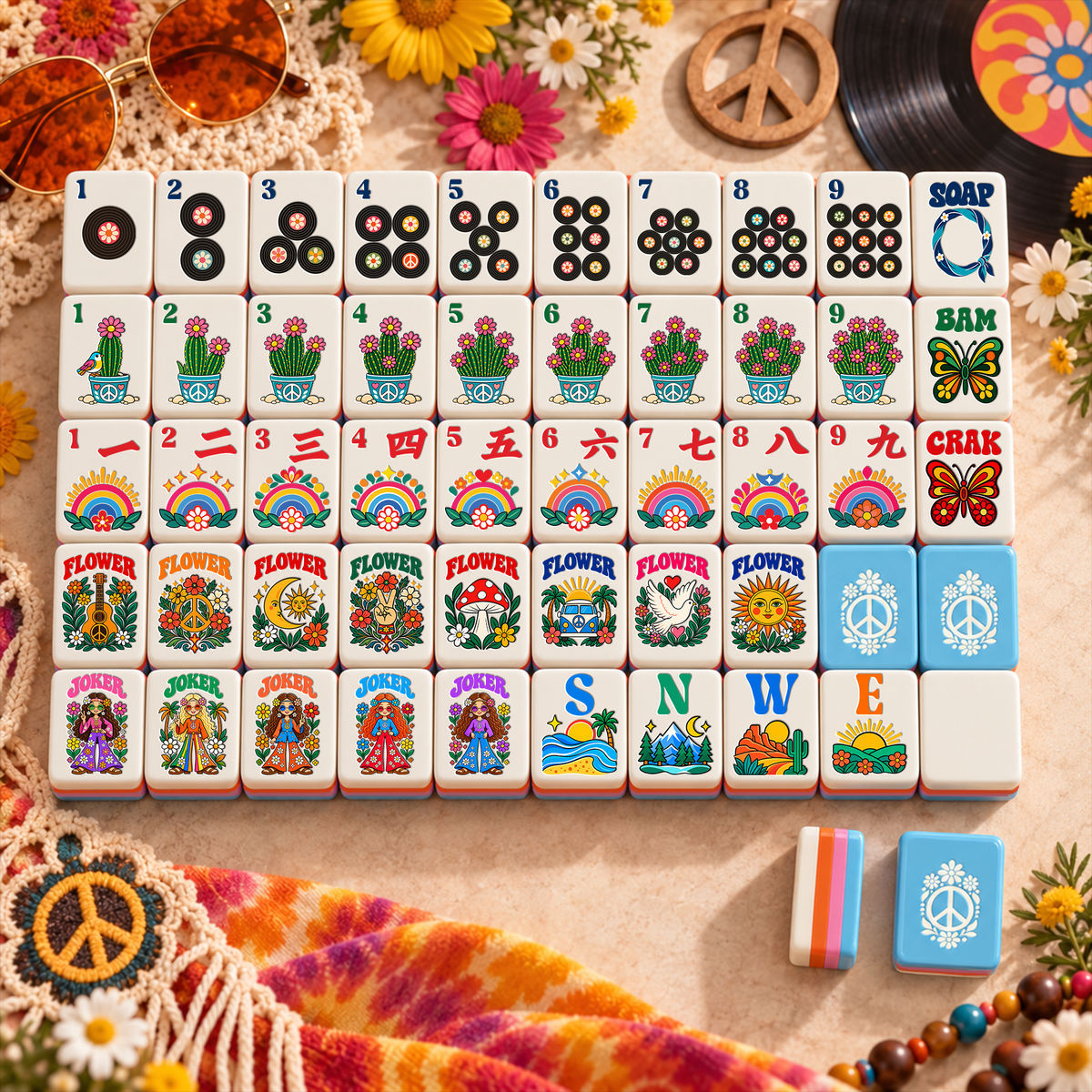
Columbus mahjong players gather at community centers (check recreation departments in neighborhoods like Clintonville and Worthington), public libraries (call ahead to ask about mahjong groups), country clubs with bridge rooms, Jewish community centers, and senior centers. Meetup.com and Facebook groups dedicated to Ohio games often list weekly American mahjong sessions. Most games meet evenings or weekend mornings and charge no fee or a small table share. American mahjong requires four players, uses 152 tiles, follows the National Mah Jongg League card (updated yearly), and typically takes 90 minutes per session. Beginners are almost always welcome; many groups have loaner sets. Start by searching your zip code on Meetup or calling your nearest community center recreation office to ask about mahjong. If you want to host games at home, grab a best-selling set with an acrylic design that lasts through weekly play.
How do I find an actual game near me?
The most reliable starting point is Meetup.com: search "mahjong Columbus" or "mahjong Ohio" and you'll see active groups listing meeting times and locations. Facebook groups for Columbus card games, women's clubs, and senior groups often post game schedules. Call your local community center or recreation department directly—staff usually know who hosts mahjong and can give you contact names. Libraries sometimes host game nights or can direct you to established players. Jewish community centers, country clubs with game rooms, and senior centers in the Columbus area frequently run mahjong tables. Ask if they accept drop-ins or require membership; most do not. Expect to find at least one regular game within your neighborhood or a short drive away.

What happens at my first game—and what do I need to bring?
Your first session will likely last 90 minutes to two hours. Arrive 10–15 minutes early; the group will explain hand notation, show you how the Charleston (tile-passing ritual) works, and answer rule questions during the game. Bring nothing but yourself and money for a small table share (if required—many groups charge nothing). The host provides tiles, a mat, racks, and a current National Mah Jongg League card so everyone plays the same hands. If you own a set at home, you don't need to bring it; loaner sets are standard. Wear casual clothes; the game involves no dress code. Bring a pen and paper if you want to jot down scoring—experienced players will help you track points. Most important: tell the table you're new. Players are welcoming and will slow down explanations if needed.
What's the difference between American mahjong and other kinds played in Columbus?
Columbus games are almost entirely American mahjong, which is distinct from Chinese, Hong Kong, Riichi (Japanese), and Taiwanese variants. American mahjong uses exactly 152 tiles, draws from a single current-year card issued each spring by the National Mah Jongg League (not thousands of hand combinations), and has no sequences (chows) that count as valid melds—only matched sets of three or more identical tiles or special hand patterns. Jokers are wild tiles and work only in specific ways; you can't use them alone or in a pair. The Charleston (the tile-passing ritual before each hand) is unique to American play and takes about five minutes. If you're playing with a group that calls itself "American mahjong," you'll follow these rules. Chinese mahjong, by contrast, uses chows (1-2-3 sequences), has different tile layouts, and uses a separate card or rulebook; it's rare in Columbus but worth asking about if you encounter an unfamiliar group. Riichi (Japanese) and Taiwanese play are even less common locally. Stick with American games unless the host specifically says otherwise.
Where can I host my own weekly Columbus mahjong game?
Host games at home, in a rented community room, or at a local restaurant with a quiet back table. Most hosts use a dedicated dining or card table; a mahjong mat defines the play area and protects surfaces. You'll need one mahjong set with racks and pushers per game (enough for four players), a current National Mah Jongg League card (order from the League's website), and dice. A travel-ready set with its own bag makes setup and hosting easier. Invite four steady players—consistency matters more than large numbers. Pick a recurring day and time (Thursday evenings, Sunday mornings) so people keep it on their calendar. Post on Facebook or Meetup to attract newcomers once you've found your core group. Most Columbus hosts don't charge; the social aspect is the draw. If you live in a condo or apartment, check noise rules; mahjong tiles can click loudly, and you might need to play earlier in the evening or move to a community space.
Location Type | How to Find It | Cost | Player Level | Best For |
Community center | Call recreation department | None–low | All | Beginner-friendly, social, consistent schedule |
Library | Ask at desk about game groups | None | All | Quiet, public, often teaches lessons |
Country club | Membership or guest inquiry | Varies | Intermediate–advanced | Serious players, established tables |
Jewish community center | Direct website or phone | Low–moderate | All | Strong community, mixed skill |
Private home group | Meetup, Facebook, word of mouth | None | All | Flexible, intimate, once you're invited |
Senior center | Call activities department | Low–none | All | Daytime games, welcoming culture |
🀄 Shop best-selling mahjong sets →

How do I join a group without looking like I don't know what I'm doing?
You won't. Saying "I'm new" is your best move; experienced players expect it and respect honesty. Before your first game, spend 30 minutes reading our guide to how to play American mahjong so you understand the basic tile structure, what a pung (three matching tiles) is, and how the Charleston works. Watch a YouTube video of an American mahjong hand if it helps. Arrive early and ask simple questions: "How does the card work?" or "Can you show me a legal hand?" Everyone has been new. Most Columbus groups have one or two experienced players who mentor beginners during play. If you freeze during your turn, ask for help—that's normal. Nobody expects perfection on session one. Many players bring friends or family who've never played, so you'll likely not be the only beginner at the table.
🎁 See our most-loved mahjong sets & accessories →
What should I check before I commit to a regular group?
Ask these questions before you show up a second time: Does the game meet consistently (same day, same time every week or month)? Are new players welcome, or is it invite-only? What's the stakes (no money, penny a point, or higher)? Does someone provide a set, or do I need to bring my own? Is there a current National Mah Jongg League card on hand? What's the skill mix—am I joining competitive players or casual learners? How long does each session run? If you want to play every week, find a group with a fixed schedule. If the stakes are higher than you're comfortable with, ask if there's a lower-stakes table. If the group is closed to drop-ins, ask to be added to a waitlist or invited once. If you plan to play often, buy a set of your own so you can practice between sessions and potentially host your own game.
What to check before you buy a set for home hosting
If you're buying your first set to host weekly games, make sure it includes racks and pushers (essential for protecting tiles during play), a mat or carrying bag (easier setup and transport), and a spare joker or two (jokers get lost). Acrylic tiles last longer than bamboo under heavy use and are easier to clean. Count the tiles in the box—our sets include 152 playable tiles plus spare tiles. A 160-tile set gives you backup pieces if a tile cracks. Check that the set includes a current-year National Mah Jongg League card or confirm you can order one separately from the League. Store your set in a dedicated bag or box to keep tiles from rolling away. Test the weight and size in person or watch a video if you can; some players prefer lighter tiles, others like heavier ones.
✨ Find your Mahstead set — free US shipping →

FAQ
Is there a Columbus mahjong league or tournament?
Columbus does not have a dedicated local league, but players compete in regional and national tournaments hosted by the National Mah Jongg League. Search the League's website for tournament dates and locations in Ohio or neighboring states.
Can I learn mahjong if I've never played cards or board games?
Yes. American mahjong has clear rules and a repeating card, not thousands of hands to memorize. Most groups expect beginners and teach as you play. Plan for 3–5 sessions before the rules feel natural.
Do I need to own a mahjong set to play in a Columbus group?
No. Almost all groups provide loaner sets for new or casual players. If you plan to host or play weekly, owning your own set helps you practice at home.
What's the best way to find a women-only or beginner-only game in Columbus?
Post on Facebook groups for Columbus women's activities or call community centers and senior centers directly; ask if they host women-only or beginner sessions. Meetup.com also filters by group interests.
How much does it cost to join a regular mahjong game in Columbus?
Most games are free or cost a small table share (covering snacks or room rental). Competitive or stakes games may charge per point; ask the host before your first session to confirm.
Can I play mahjong online if I can't find a local group?
Yes, online platforms exist, but they're not the same as in-person play. Local groups in Columbus are active; try Meetup and community centers before going online.


View More
View More
View More
