
Melamine vs Plastic Mahjong Tiles: Which Should You Buy?
Last updated: Nov 23, 2026
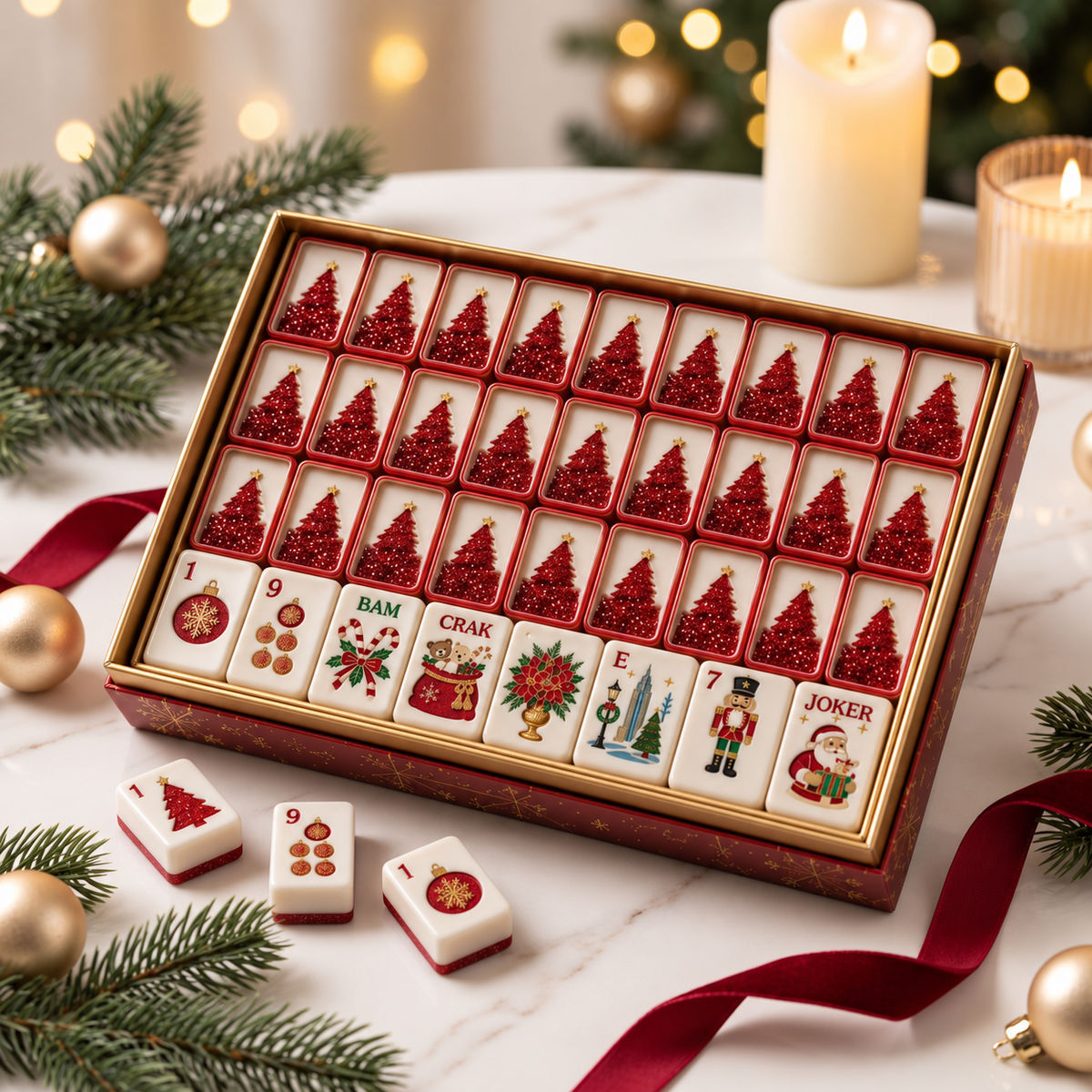
Melamine tiles are harder, heavier, and produce a sharper click when played; plastic tiles are lighter, more affordable, and gentler on the ears. Melamine dominates the American mahjong market because it holds engravings crisply, resists staining, and ages well, but it can chip if dropped on hard floors. Plastic tiles cost less and suit casual players or travel, though they dull faster with heavy use and don't carry detail as finely. The choice depends on how often you play, your budget, and whether you value table feel. A standard American mahjong set contains 152 playing tiles plus 8 jokers; the material affects both longevity and resale value. Mahstead offers engraved American mahjong sets in both materials so you can test which suits your group's style and frequency.
What makes melamine tiles the industry standard?
Melamine is a hard thermosetting plastic used in high-end mahjong since the 1950s. It holds laser engraving or photo printing with near-photographic clarity, resists scratching from shuffling, and doesn't absorb water or stains. Melamine tiles feel substantial in hand—typically heavier than plastic—and produce the distinctive sharp clack players associate with serious games. Because melamine resists warping, tiles stay flat across seasons and climates. The trade-off: melamine can chip or crack if dropped from height onto tile or concrete, and it costs more upfront. For weekly game groups and tournament players, melamine is the standard because it holds its appearance and resale value for a decade or longer.

Why do some players choose plastic tiles instead?
Plastic tiles (usually acrylic or polystyrene) weigh less, cost significantly less than melamine, and won't damage easily if dropped onto carpet or a wood table. They're ideal for casual players, travel sets, or anyone learning the game who isn't sure they'll play regularly. Plastic doesn't feel or sound the same as melamine—lighter touch, softer tap—but many newer players prefer the quieter play, especially in apartments. Plastic tiles can yellow or dull with years of sunlight exposure or heavy shuffling, and fine engravings blur faster than on melamine. They're also harder to resell. For occasional players, gifts for beginners, or portable sets you'll throw in a car, plastic makes practical sense; for serious weekly games, melamine holds up better long-term.
Aspect | Melamine | Plastic | Best for |
Durability | 10+ years, resists scratches | 3–5 years with heavy use | Regular players, clubs |
Engraving detail | Sharp, photographic | Duller, fades faster | Custom designs, clarity |
Sound at table | Sharp clack | Soft tap | Preference: traditional vs. quiet |
Weight per tile | Heavier (more substantial) | Lighter (easier shuffle) | Hand comfort, accessibility |
Damage from drop | Chips/cracks on hard floors | Usually bounces, survives | Home tables vs. travel |
Stain & water resistance | Excellent | Fair (absorbs some liquid) | Kitchens, outdoor tables |
Cost basis | Higher | Lower | Budget constraints |
Resale value | Holds 40–60% value | Drops to 10–20% | Long-term investment |
🀄 Shop best-selling mahjong sets →
How does engraving quality differ between the two materials?
Melamine accepts laser engraving with precise, permanent detail—numbers, suit symbols, family names, jokes, and custom artwork all come through razor-sharp and won't wear away. Plastic can be engraved too, but the mark is shallower and duller, especially after months of shuffling. If you want your set to carry a specific design—a family crest, a funny saying, a color gradient—melamine preserves it faithfully. Plastic engravings fade or blur as the tile surface wears, and fine lines especially disappear first. For display sets or personalized gifts where looks matter as much as play, melamine's clarity wins. For utilitarian sets or temporary gifts, plastic's durability matters less than cost.
What do real game groups report about feel and sound?
Players who switch from melamine to plastic notice the table instantly: less clack, a softer shuffle, lighter tiles in the rack. Some find this a relief—quieter games, less wrist strain—others miss the snap and weight that make mahjong feel like a "real" game. Melamine tiles produce a distinctive acoustic signature that tournament players and traditionalists value; many can identify a tile's suit and number by sound alone after years at the table. Plastic tiles make the game accessible to noise-sensitive players (apartments, late-night games, hearing sensitivity) and reduce cumulative hand fatigue over long sessions. Neither is objectively better; your game group's table culture and environment matter. Some groups keep both—melamine for home tournaments, plastic for travel or casual play.
🎁 See our most-loved mahjong sets & accessories →

What should you check before ordering either type?
Before committing to melamine or plastic, confirm four things:
Play frequency. Weekly or more? Melamine pays dividends. Occasional or learning? Plastic is enough.
Storage conditions. Melamine resists warping in humid basements or sunny rooms; plastic yellows if left in direct sun.
Table surface. Hard tile or concrete floors? Melamine can chip; plastic survives better. Soft surfaces? Both are safe.
Customization needs. Want sharp engravings that last? Melamine. Just need readable tiles? Plastic works.
Check the product page for tile finish (gloss, matte, embossed vs. flat), thickness (thicker = more durable in both materials), and joker count—a standard American set has exactly 8 jokers. If the set includes a mat and racks, ensure they're compatible with tile size. Ask the seller about returns if you're buying sight-unseen; some players regret melamine weight after trying it, others find plastic too insubstantial. Test a friend's set if possible before investing, especially in a premium custom design.
✨ Find your Mahstead set — free US shipping →
How do cost and long-term value compare?
Melamine sets cost more at purchase but retain 40–60% of resale value if well-maintained; a set bought five years ago might fetch half its original cost if you decide to upgrade. Plastic sets resell for 10–20% of the original cost or less, because wear is visible and replacements are cheap. Over a decade, a melamine set amortizes to a lower cost-per-play than buying multiple plastic sets. However, if you play only quarterly or are unsure about commitment, melamine's upfront cost isn't justified. The real value lies in clarity of tiles (melamine preserves engravings), longevity (melamine outlasts plastic by years), and the table feel your group bonds over. For a one-time purchase you'll use for years, melamine is the better investment. For testing the game or giving a gift, plastic is practical.
What to check before you buy
Question | Red flag | Green flag |
How many tiles are in the set? | Fewer than 152 playing tiles + 8 jokers | Exactly 152 tiles + 8 jokers (or 160-tile set with spares) |
Is the material specified? | "Generic plastic" or no mention | "Melamine" or "acrylic" named explicitly |
Are engravings protected? | Flat, printed surface | Embossed or laser-etched into the tile |
What's the joker design? | Unclear or mismatched to other tiles | Clear, coordinated joker tile style |
Is the set packed carefully? | Plastic bag only | Padded box, separated compartments, foam protection |
Browse engraved American mahjong sets to compare melamine and plastic side by side, and read descriptions for material, finish, and customization options. Mahstead ships free across the US, so you can order with confidence.

FAQ
Can I mix melamine and plastic tiles in one set?
Avoid it. They shuffle differently, sound different, and tiles wear unevenly, throwing off game balance. Buy one material and stick with it.
Do melamine tiles stain or discolor over time?
Melamine resists stains far better than plastic. If you spill on melamine, wipe it immediately; if you spill on plastic, it may absorb liquid and discolor. Melamine darkens slightly with age but remains playable; plastic yellows noticeably under sun.
Is melamine toxic or bad for indoor air?
Melamine tableware requires food-safety certification, but mahjong tiles are handled, not eaten. High-quality melamine tiles pose no health risk. If concerned, choose acrylic plastic tiles instead—they're inert and hypoallergenic.
How do I know if I'm buying genuine melamine or cheap plastic labeled as melamine?
Check the product description for "melamine" or "melamine compound" and look at photos; melamine tiles are visibly heavier, glossier, and have crisp engravings. Ask the seller for a material certificate if buying a high-end custom set. Real melamine feels substantial in hand—significantly heavier than plastic.
Which material is better for tournament play?
Melamine is standard at American mahjong tournaments because it produces consistent sound, resists damage, and engravings stay legible. Plastic tiles are not used in competitive play.
Can plastic tiles break or crack like melamine?
Plastic tiles rarely crack from drops on soft surfaces; they bounce and survive. On hard tile floors, plastic may crack, but less often than melamine. Both materials last longest on padded tables and mats.
Do plastic tiles feel cheap compared to melamine?
Yes. Plastic tiles are noticeably lighter and produce a softer sound, which some players enjoy (quieter play) and others find less satisfying. The "weight and click" of mahjong is part of the tradition that draws many players.


View More
View More
View More
