
Where to Play Mahjong in Birmingham: Clubs, Groups & Getting Started
Last updated: Nov 23, 2026
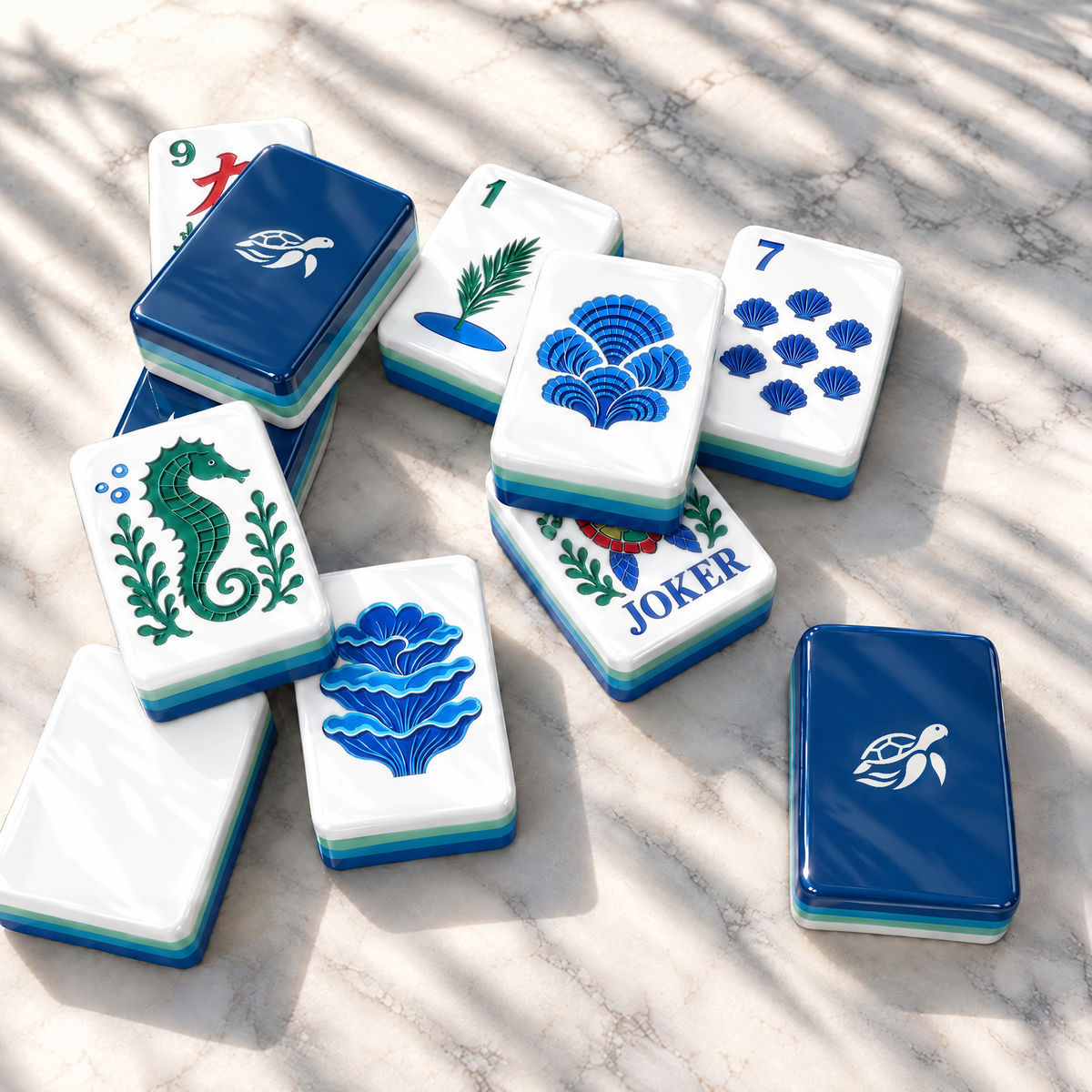
Birmingham mahjong players gather at public libraries, community centers, synagogues, country clubs, and senior centers—many host weekly or monthly games open to beginners. Search "mahjong Birmingham" on Meetup, Facebook groups, or call local libraries to ask about scheduled games; some clubs require membership, others welcome drop-ins. Most games play American mahjong (the 152-tile variant with jokers and a yearly strategy card) and last 2–3 hours per session. New players should bring a notepad, learn the basic hand patterns before arriving, and ask the host if you need to supply your own set—many groups have community sets on hand. Hosting your own game at home is also simple: you'll need a best-selling mahjong set, a mat to protect the playing surface, and four players ready to learn.
Birmingham has a growing mahjong community across community centers, libraries, synagogues, country clubs, and senior centers—many host weekly or monthly games open to beginners. Search "mahjong Birmingham" on Meetup, Facebook groups, or call local libraries to ask about scheduled games; some clubs require membership, others welcome drop-ins. Most games play American mahjong (the 152-tile variant with jokers and a yearly strategy card) and last 2–3 hours per session. New players should bring a notepad, learn the basic hand patterns before arriving, and ask the host if you need to supply your own set—many groups have community sets on hand. Hosting your own game at home is also simple: you'll need a best-selling mahjong set, a mat to protect the playing surface, and four players ready to learn.
Where do Birmingham players actually gather?
Birmingham's mahjong scene clusters around three main venues: public and university libraries often host open groups; community centers in neighborhoods like Avondale and Crestwood run casual Wednesday and Thursday night sessions; and country clubs plus senior living communities (like those near Mountain Brook) maintain member-only or guest-friendly games. Start by calling the Birmingham Public Library's main branch and branch locations to ask about standing mahjong meetups; check Meetup.com and Facebook groups like "Birmingham Mahjong Players" or "North Alabama Mahjong"; visit churches and synagogues (many host game nights). Many groups meet year-round; others take summer breaks. Verify whether drop-in is free or requires a small donation for table rental.

What's the typical schedule and cost to join?
Most Birmingham groups meet weekly on fixed evenings (Monday to Thursday, 6–9 p.m.) or weekend afternoons; some run monthly social tournaments. Cost is usually free or under a small entry fee—check with each group. Country clubs may charge member rates or guest fees (call ahead). Senior centers sometimes request a modest annual membership or per-session donation. Libraries and community centers are almost always free. Before attending, confirm the game variant: most play American mahjong, but a few groups teach Chinese or Riichi variants. Ask the host whether you should bring your own set or if communal equipment is provided.
How do you find active games without connections?
The fastest path: (1) search "mahjong + Birmingham" on Meetup.com and filter by distance and day; (2) join Facebook groups for "Birmingham Alabama Mahjong," "Alabama Game Night," or regional "Southern Mahjong Players"; (3) call Birmingham Public Library at the main branch and ask if staff can refer you to an active group; (4) visit a local synagogue or country club website and email their activities coordinator; (5) post on Nextdoor or local community boards asking for game invitations. Attend one free session as a visitor before deciding to join—this lets you gauge the group's pace, house rules, and whether the players' skill level matches yours.
What should a beginner bring to their first game?
Arrive 15 minutes early with: a notepad and pen for scoring, the current year's National Mah Jongg League strategy card (ask the host if you can share one or print online), and a willingness to ask questions. Wear glasses if you need them—tiles are small. Confirm whether you should bring your own set; if you do, check that it contains the correct 152 tiles plus jokers. Study how American mahjong works for 30 minutes before you go—learning the Charleston (the tile-passing ritual), pung/kong exposure rules, and joker restrictions will save you embarrassment and speed up your learning. Don't worry about winning; ask players to explain hand combinations and scoring as you play.

What if you want to host games at home?
Hosting is the best way to control difficulty level and schedule. You'll need four players, a best-selling mahjong set, a protective mat to prevent tile wear, and racks with pushers so players can organize and display their hands cleanly. Prepare the space: a 36–40-inch square or rectangular dining table works best; ensure good overhead lighting. Download a free scorecard template or print one. Start with mahjong for beginners rules, teach the Charleston first, and play 2–3 practice hands before keeping score. Host 2–3 friends from work or neighborhood; word spreads fast, and you'll soon have a regular Thursday night lineup.
Venue Type | Best For | How to Find | Join Cost | Typical Pace |
Library | Beginners, free play | Call main branch, search Meetup | Free | Slower, teaching-focused |
Community center | Families, mixed skill | Search city parks dept. website | Free or small donation | Moderate |
Country club | Experienced players | Call membership office | Member rate or guest fee | Fast, competitive |
Senior center | 55+, steady players | Ask local senior living coordinator | Free or membership | Moderate to fast |
Home game | Control difficulty | Host friends, word-of-mouth | Optional snacks | Flexible |
🀄 Shop best-selling mahjong sets →
Getting your own set ready before your first hosting night
If you're preparing to host a regular game, invest in a 160-tile acrylic set designed for durability and easy shuffling—acrylic tiles slide smoothly and are forgiving for players with arthritis or shaky hands. Pair it with a felt or bamboo mat to muffle noise and protect your table from scratches; many of our players tell us a good mat transforms a casual game into one they're proud to host weekly. Racks with pushers are optional but highly recommended—they hold tiles upright so all players see exposed pungs and kongs clearly, preventing disputes and speeding up hand-reading. A travel bag or case makes setup and storage painless if you're rotating hosting duties among friends. Store tiles in a cool, dry place away from sunlight to avoid warping.
🎁 See our most-loved mahjong sets & accessories →
What to check before your first session
Verify these facts with the host before you attend:
Game variant: Is it American (most common in Alabama), Chinese, Hong Kong, or Riichi? Rules differ significantly.
Skill level: Do they welcome absolute beginners, or is this an intermediate+ group?
Tile set type: Do they use American or Chinese-style tile faces? (Not a deal-breaker, but learn the faces beforehand.)
Scoring system: Is it National Mah Jongg League scoring, points-based, or something local?
Drop-in policy: Can you attend once to observe, or do you commit to a season?
Supply your own tiles: Confirm this with the host; don't arrive with a set if they have communal equipment.
Beginners often worry they'll hold up the game. Every active player was once confused by the Charleston and joker placement—hosts expect this and usually have teaching patience built in. One first-timer session leads to confidence; two sessions and you're already faster.
✨ Find your Mahstead set — free US shipping →

FAQ
Do I need to own my own mahjong set to play in Birmingham?
No. Most clubs and community groups provide sets for shared use. If you host at home or join a group that asks players to rotate supplies, buying your own set is worth it—a 160-tile acrylic set is durable and plays smoothly for decades.
What's the difference between American and Chinese mahjong, and which does Birmingham play?
American mahjong uses 152 tiles, jokers, and a yearly strategy card; sequences (chows) cannot be called. Chinese mahjong has 144 tiles, no jokers, and different hand rules. Most Birmingham groups play American mahjong, but verify with the host—it's easier to learn one variant well.
Is there a cost to join a regular Birmingham mahjong group?
Most public library and community center groups are free or ask a small donation (under donation). Country clubs charge member or guest fees. Check with each group before attending; there's rarely a barrier to trying one free session.
How long does a typical game take?
One hand takes 10–20 minutes once players are familiar with rules; a session usually runs 2–3 hours and includes 6–8 hands plus breaks. Beginner groups may move slower while learning the Charleston and hand patterns.
What should I learn before my first game?
Understand the Charleston (pre-game tile swap), how pungs and kongs are exposed, what jokers do, and how to read a hand card. Spend 30 minutes on how American mahjong works before you arrive—you'll feel much less lost.
Can I host a mahjong game at my home in Birmingham with no experience?
Yes. Find one friend or recruit colleagues, buy a set and mat, set a weekly time, and teach the basics. Many long-running home games started this way; your group will improve together and become a weekly ritual your players look forward to.


View More
View More
View More
