
Where to Learn Filipino Mahjong: Guides, Resources & Community
Last updated: Nov 23, 2026
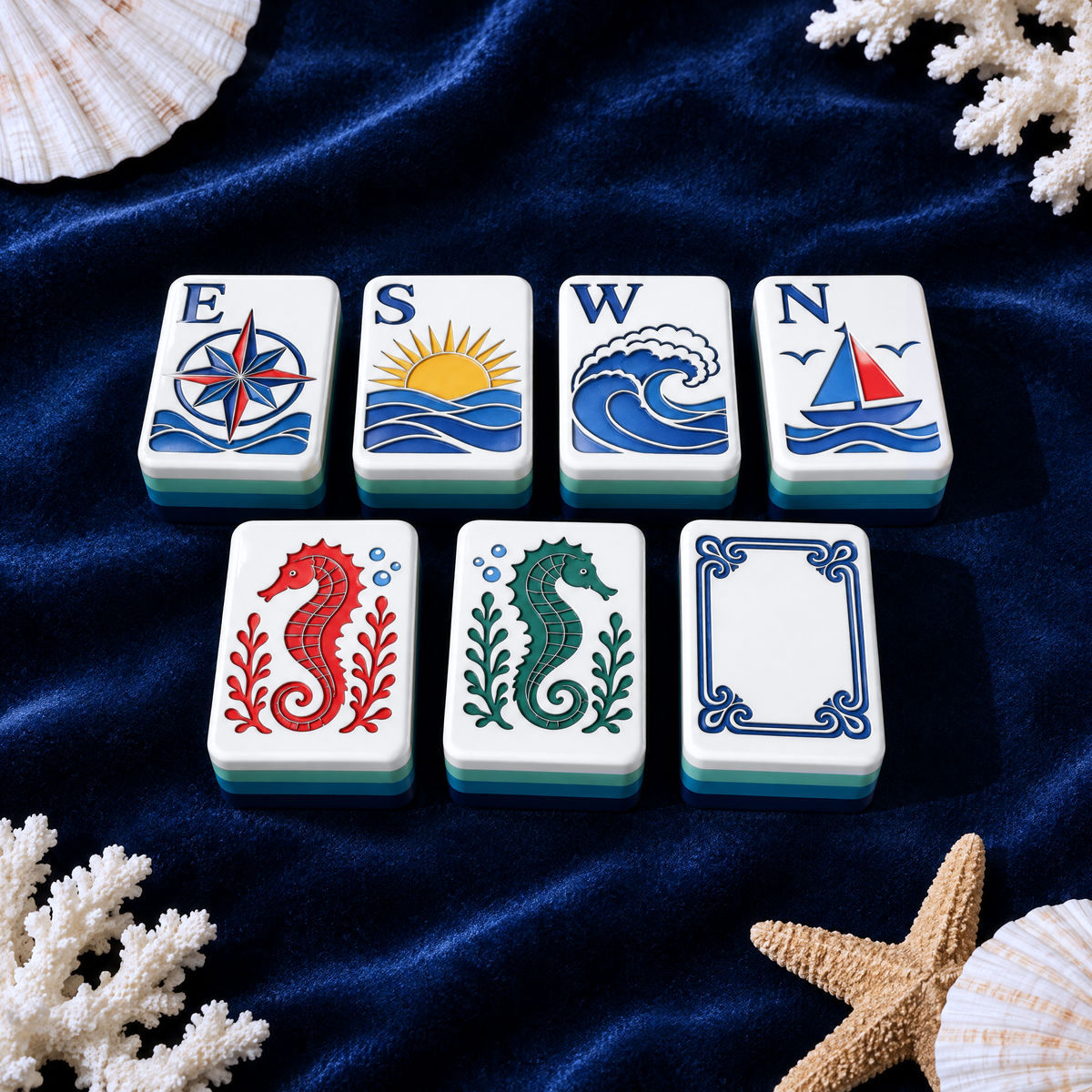
Filipino mahjong is a fast-paced variant played across the Philippines and diaspora communities, combining 152-tile American-style sets with simplified hand recognition, rapid discards, and house-rule flexibility. You can start learning in three ways: join in-person games at community centers, Filipino cultural organizations, or through friends' weekly tables (fastest immersion); follow video tutorials on YouTube channels dedicated to Filipino mahjong play; or study rule guides and hand charts online before joining a beginner-friendly game. Most players learn by watching, then playing alongside experienced participants—expect 2–4 weeks of casual play to recognize common patterns. Filipino mahjong clubs rarely charge membership fees, though some games involve friendly betting. The game uses standard 152-tile sets, so an affordable starter set from our best-selling collection works immediately; no special equipment required to begin.
Filipino mahjong feels like a conversation—rapid, social, and forgiving of mistakes. Unlike American mahjong, which demands the exact hand from the current year's official card, Filipino play encourages players to meld tiles flexibly, call winning hands faster, and adapt rules to the table. If you've never played mahjong at all, expect a gentle learning curve; if you know American play, you'll notice the pace and calling rules differ sharply.
What's the fastest way to learn Filipino mahjong?
Watch others play in person for one full game before joining. Ask a experienced player to be your "coach" during your first two rounds—they'll signal when to discard, which tiles to watch, and when someone's likely to win. Most communities welcome beginners to observe free games at community centers or Filipino halls. Request a game with house rules written down so you know what counts as a win before play starts.
🀄 Shop best-selling mahjong sets →

Where do Filipino players gather to play?
Look for Filipino cultural organizations in your city—these often host weekly or monthly game nights; check the community center bulletin board, ask at local Asian groceries, or search "Filipino mahjong club near me" on community forums and Meetup. Established groups typically meet in multipurpose rooms, church halls, or members' homes. If no formal club exists, attend Filipino cultural events (festivals, banquets, Balikbayan parties) and ask directly—word travels fast in these networks. Online communities on Facebook and WhatsApp groups for your city or region often post game schedules and welcome newcomers.
How does Filipino mahjong differ from American mahjong?
Aspect | American Mahjong | Filipino Mahjong |
Hand source | Current-year card only | House rules + flexible patterns |
Calling speed | After full hand drawn | Can call mid-draw or fast discard |
Sequence rules | No sequences allowed | Varies by table (some allow runs) |
Joker use | Restricted; see rules | Often more liberal substitution |
Winning pace | Strategic, slower | Rapid, aggressive |
Betting | Usually minimal | Friendly money, varies by group |
The core difference: American mahjong demands exactness; Filipino mahjong rewards speed and social play. Beginners often find Filipino less stressful because calling comes sooner and rule adaptation is expected.
What equipment do I need to start?
Any standard 152-tile American mahjong set works perfectly—you don't need a special "Filipino" variant. A set includes Bams, Craks, Dots, winds, dragons, flowers, and jokers. Many groups play on bare tables or folding mahjong mats for stability. If you're hosting weekly games at your home or joining regularly, a sturdy mat from our collection and a set of racks with pushers keep tiles organized and the game flowing smoothly—especially useful when learning because pushing tiles clearly signals your hand structure. Beginners often prefer racks because they prevent accidental tile reveals and reduce anxiety about fumbling tiles during draws.

Can I learn Filipino mahjong online?
YouTube hosts Filipino mahjong tutorials—search "Filipino mahjong rules explained" or "mahjong laro tutorial" to find walkthroughs in English and Tagalog. Online courses exist but are rare; most learning happens via video plus joining a real game. Discord and Facebook groups for Filipino mahjong players share hand photos, discuss rule disputes, and post beginner threads—these communities are patient with questions. However, nothing replaces playing: online learning teaches tile names and basic hand shapes, but real-game instincts (when to hold, when to discard, reading opponent signals) only develop through hands-on play.
What should a beginner focus on first?
Learn tile names and suits before your first game: Bams (sticks), Craks (circles), Dots (circles with center dots), winds (N/E/W/S), and dragons (Red, Green, White). Recognize a pung (three identical tiles) and a kong (four identical tiles) because these form almost every Filipino winning hand. Understand that a winning hand usually contains four melds (groups of three or four) plus a pair. During your first session, focus only on reading what other players expose—don't worry about strategy. Ask "What's that hand?" after each win. Most players explain happily; Filipino mahjong culture celebrates teaching newcomers. Within three games, you'll see patterns repeat, and calling your own hands becomes natural.
🎁 See our most-loved mahjong sets & accessories →
What house rules should I ask about before playing?
Every Filipino mahjong group has variations. Before sitting down, confirm: (1) What counts as a winning hand? (pungs only, or sequences too?); (2) Are flowers required or optional?; (3) How many jokers are active?; (4) Is there a "dead hand" (instant loss for breaking a rule)?; (5) Do players pass money (and how much), or play for zero stakes?; (6) Can you call mid-draw or only after the draw completes? Write these answers down—seriously—so you don't break a rule by accident. The most common beginner mistake is assuming your home table's rules match the game you're joining. Politeness matters more than precision; if you break a rule, admit it and ask the table to teach you. No one starts angry at a newcomer.
✨ Find your Mahstead set — free US shipping →
What to check before you buy a mahjong set for Filipino play
You don't need anything fancy to start. A basic 160-tile set (152 playing tiles plus spares) works for any mahjong variant, including Filipino. If you're buying for your first game, check that the tiles are clearly marked—light-colored sets with bold symbols help you recognize tiles quickly while learning. Avoid extremely heavy tiles if you have hand mobility concerns; standard acrylic or composite tiles weigh comfortably on any table. If you're hosting regular games, invest in a mat and racks once you've played at least five sessions and confirmed you love the game. Don't overspend on decoration until you know which style your group prefers.

FAQ
Do I need to know American mahjong to learn Filipino mahjong?
No. Filipino mahjong is often easier for true beginners because rules are more flexible and hands resolve faster. If you already play American, expect to unlearn rigidity—that's the harder part.
How much does it cost to join a Filipino mahjong group?
Most community groups charge nothing. Friendly games may involve small stakes (₱50–₱500 or USD equivalent) decided before play, but many tables play for zero money to keep it social and low-stress.
Can I practice Filipino mahjong alone before joining a game?
Partially. Shuffle tiles, arrange them into practice hands, and name tile combinations aloud. But winning-hand recognition and discard timing only develop through live play—solo practice teaches tile names but not strategy or pace.
What's the biggest mistake beginners make?
Holding onto rare tiles too long hoping for a specific hand. In Filipino play, discard faster than American play teaches you. Watch what opponents need; break apart loose connections early to stay competitive.
Is Filipino mahjong harder than American mahjong?
Neither is harder—they're different. American is rule-rigid but hand patterns are fixed. Filipino is rule-flexible but pace and social reading matter more. Pick whichever culture or play style appeals to you.
Where can diaspora players find games in Western cities?
Check community center event calendars, local Asian cultural centers, Facebook groups for your city + "Filipino mahjong," and ask at Filipino restaurants or stores. Diaspora groups often meet weekly and actively welcome new players.


View More
View More
View More
