
Mahjong Lessons in Tucson: Where to Learn & What to Expect
Last updated: Nov 23, 2026
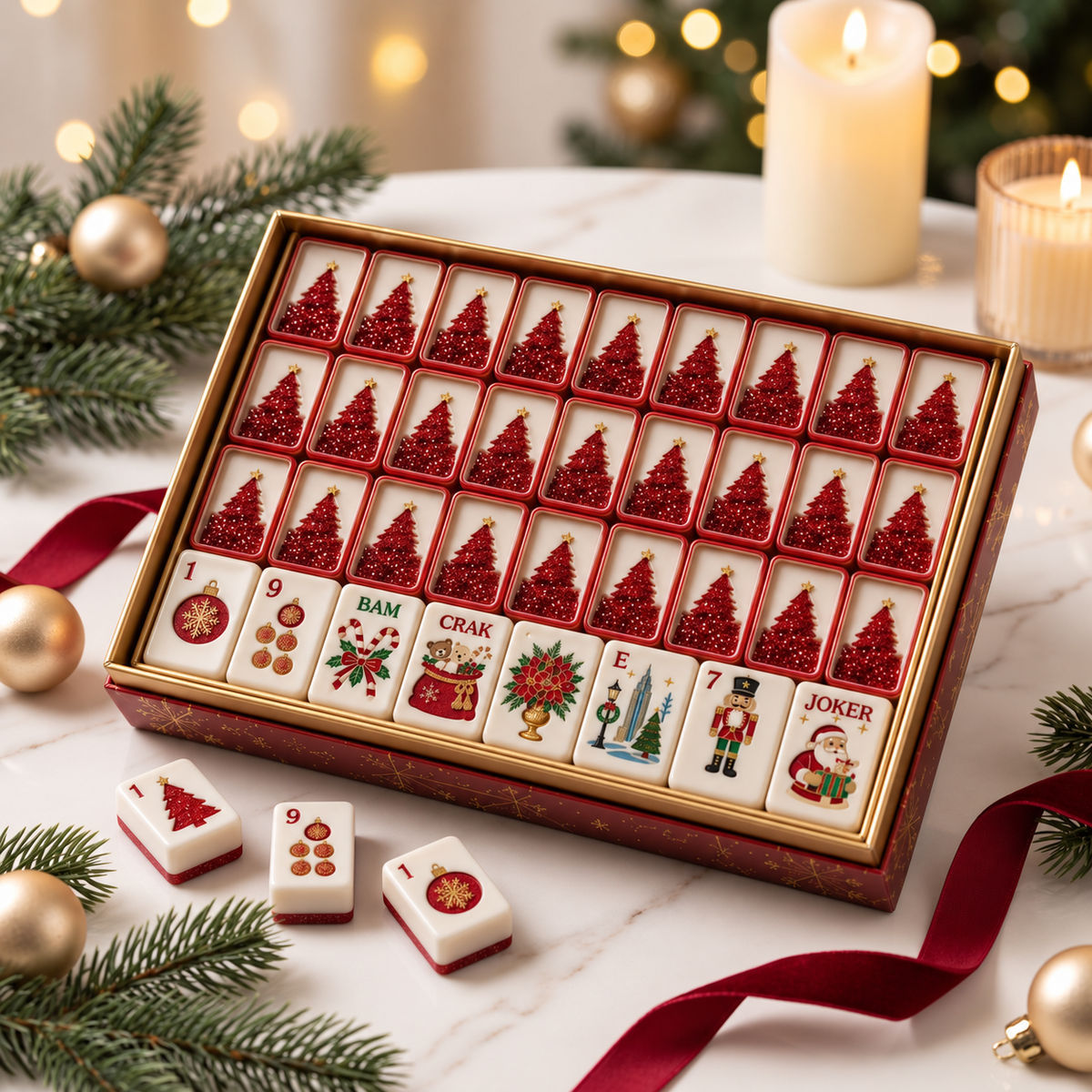
Mahjong lessons in Tucson are available through community centers, libraries, senior centers, synagogues, country clubs, and casual meetup boards—the most reliable way to find them is by calling your local library or searching "mahjong" on community activity platforms. Most beginner lessons run 60–90 minutes weekly or biweekly and teach the basics of American mahjong: tile values, hand patterns, the Charleston (pre-game tile pass), and how to read the current-year National Mah Jongg League card. Lessons are almost always free or low-cost; the main cost is purchasing a 160-tile best-selling mahjong set if you don't already own one. Expect a 4–8 week ramp before you can play a full hand independently, and plan to attend weekly to retain the rules. Avoid jumping into games without lesson foundation—mahjong has strict hand rules that differ sharply from card games, and fumbling slows everyone's evening.
🀄 Shop best-selling mahjong sets →
Where Do Tucson Players Actually Go to Learn?
Your best starting point is your local library's community bulletin board or website. Most libraries host or can recommend weekly mahjong groups. Senior centers (open to all ages, despite the name) often run beginner sessions; call your city parks and recreation department for schedules. Synagogues and country clubs in Tucson frequently organize casual games with a teaching slot on rotation. Search "mahjong meetup" or "mahjong near me" on community platforms to find people hosting in-person games or Zoom teaching sessions. When you call or email a group, ask: Are newcomers welcome?Is there a lesson slot?What tiles are used? (You want American mahjong, which uses 152 tiles plus 8 jokers, not Chinese or other variants.) Most established groups use engraved American mahjong sets for consistency, and many are happy to loan you one for your first game while you decide whether to buy.

What Happens in a Typical Beginner Lesson?
A first lesson usually covers four pillars: tile anatomy, hand basics, the Charleston shuffle, and card reading. Your teacher will show you that American mahjong uses 152 tiles split into three suits (Bams, Craks, Dots), winds, dragons, flowers, and jokers. You'll learn that a winning hand always contains four melds (groups of three, four, five, or six identical or near-identical tiles) plus one pair. The Charleston is the ritual tile-swap before each hand—partners pass tiles left, center, right, then back, then each person exposes and passes any three unwanted tiles faceup. Finally, you'll learn to read the National Mah Jongg League card, which publishes valid hands each spring; hands change yearly, so the card is always required. Most teachers spend weeks drilling these before live play. Mistakes to avoid: assuming mahjong follows poker or rummy logic (it doesn't), holding onto a tile because it looks pretty (useless if the card doesn't call for it), or trying to memorize hands instead of keeping the card in front of you at all times.
🎁 See our most-loved mahjong sets & accessories →
What Equipment Do You Actually Need to Start?
You need a 160-tile American mahjong set, the current-year National Mah Jongg League card (free online or ask your group for a copy), and a way to organize your tiles. Many players begin with a borrowed set to test their interest; if you commit to weekly play, purchasing your own set makes sense. A mahjong mat isn't mandatory but saves your table and organizes tiles clearly—teachers often use one. Racks with pushers hold your hand upright so you don't grip tiles and accidentally expose them; they're helpful for beginners who drop tiles or show their hand by accident. A travel bag or case keeps everything together if you move between lessons and games. Here's what matters most: a full-sized 160-tile set (not a travel version), and the card for the current year. Everything else is comfort and longevity.
What You Need | Why It Matters | Where to Start |
160-tile American set | Contains all tiles required by rules; borrowed first is fine | Ask your lesson leader to loan one |
Current-year NMJL card | Hands change yearly; outdated card means invalid hands | Free online or your group provides |
Mahjong mat (optional) | Protects your table; defines meld spaces clearly | Adds $X to your setup; buy after 4 weeks |
Racks with pushers (optional) | Holds your hand safely; prevents accidental exposure | Useful if you play weekly or travel |
Tile storage bag (optional) | Keeps set intact between games; eases transport | Pairs with any set you own |
How Long Before You Can Play a Real Game?
Most players take 4–8 weeks of weekly lessons to move from "I can name the tiles" to "I can build a valid hand and play without constant card lookups." Weeks 1–2 focus on tile names, suit recognition, and what a pung (three identical tiles) or kong (four identical tiles) looks like. Weeks 3–4 drill the Charleston and card reading—learning which sections of the card apply to your hand position and what patterns like "Like Numbers" or "Consecutive Pung" mean. Weeks 5–6 introduce exposure rules (when you can claim a discard and lay your tiles faceup) and scoring. By week 7–8, you can usually follow a full hand without freezing. However, speed and accuracy improve over months; don't expect to win games early. Attend consistently—missing two weeks resets your learning curve. Make friends with the group leader and ask them to explain after-game, not during; live play moves fast and other players need table time.

Why American Mahjong Rules Are Different (and What That Means for Learning)
American mahjong differs from Chinese, Hong Kong, Riichi, and Taiwanese variants in three ways that reshape how you learn. First, hands come only from the published National Mah Jongg League card each year—you cannot invent hands or play old ones. This feels rigid at first but actually simplifies learning: your teacher shows you the card, you find a hand pattern, you build it. Second, you cannot expose chows (1-2-3 sequences); you can only expose pungs (three identical), kongs (four identical), and longer groups—this means far fewer exposed combinations and less calculation. Third, jokers can never fill a single tile or a pair, only wild spots in melds of three or more. These rules make American mahjong faster and more predictable than Chinese variants. If your Tucson lesson group plays a different variant (check when you call), that's fine—ask them to tell you upfront, because the card rules, exposure rules, and scoring are entirely different. For your first lessons, confirm you're learning American, not another style, or the rules will contradict one another midway through.
✨ Find your Mahstead set — free US shipping →
What to Check Before You Buy Your Own Set
Once you've completed 4–6 weeks of lessons and know you'll keep playing, buying a set is a smart move. Look for a 160-tile set (the standard; anything smaller is incomplete). Check that it includes what's in an American mahjong set: three suits (Bams, Craks, Dots) 1–9 (four of each), 16 winds, 12 dragons, 8 flowers, 8 jokers, and 152 playable tiles total. Verify the 1 Bam shows a bird (not a spot); verify dragons are Red (with Craks), Green (with Bams), and White/Soap (with Dots). Tile size matters: standard acrylic tiles are roughly 1 inch wide and sit comfortably in racks; travel sets are smaller and fiddlier. Choose a set with tiles you can read easily—large, clear print beats pretty hand-painted tiles if your eyesight isn't perfect. If you'll carry your set to weekly lessons, a durable case keeps tiles from cracking. Avoid sets without jokers or with mismatched counts; they're usually cheap for a reason and break or lose tiles fast.
What to Check Before You Buy
Tile count: Confirm it's 160 (152 playable + spares), not 144 or 152.
Suit marks: Bams (circles), Craks (characters), Dots (dots); all three should be clear.
Dragon colors: Red, Green, White—never blue or purple dragons; they're non-standard.
Joker count: Should be 8 jokers in a standard set.
Tile size & weight: Hold one; it should feel solid and be easy to read, not too small.
Set case or bag: Check if included; a case protects tiles on the drive to lessons.
Spare tiles: Extras for breakage; some sets include them, some don't.
What Tucson Players Say Works (and What Doesn't)
Players who succeed in Tucson's mahjong groups share a few habits. They attend the same lesson time weekly—consistency beats cramming. They bring their own card and a pencil to mark scoring notes. They ask one clarifying question per hand, then play through it, rather than asking 10 questions before deciding. They buy a set within the first month, because borrowing slows down other players' setup time. They befriend the group's most experienced player and have coffee with them monthly to ask deeper rules questions (exposure timing, scoring edge cases, variant rules). Players who drop out or get frustrated usually skip lessons, try to play from memory instead of the card, or show up sporadically and expect to remember everything. Pick a lesson time, commit to six weeks, and show up even if you feel lost the first two weeks. By week four, the pattern clicks.

FAQ
Can I learn mahjong online in Tucson or do I need to attend in person?
Both exist. Many Tucson players now offer Zoom beginner lessons; search "mahjong Zoom lessons" to find them. In-person lessons at local community centers are often easier for beginners because you can touch tiles and see the dealer's position clearly. A mix of both works well: one or two Zoom lessons to learn tile names, then in-person games to practice exposure and claiming discards.
Do I have to buy my own set or can I borrow one forever?
You can borrow for the first 4–6 weeks. After that, most groups appreciate if you bring your own set so setup is faster and you develop muscle memory with consistent tiles. You don't need an expensive set to start; a standard 160-tile acrylic set from Mahstead works perfectly. Many Tucson players own one personal set and keep a backup for guests.
What's the difference between American mahjong and other types, and does Tucson teach all of them?
American mahjong uses a published card and 152 tiles; Chinese mahjong uses 144 tiles, no card, and different rules. Hong Kong, Riichi, and Taiwanese variants each have different tile counts, hand logic, and scoring. Tucson likely has American groups (most common in the US) and possibly a Chinese group. Confirm when you call that you're joining an American game, or the rules will confuse you. They're not compatible.
How much does a mahjong set cost, and should I buy from Tucson or online?
Sets range widely in price; see current price on the product page when you decide to buy. Online retailers like Mahstead offer free US shipping and often have a wider selection than local Tucson shops. Buying online lets you compare tile quality and read reviews before committing. Pick a set within your budget and have it shipped to you before your fifth lesson so you own it and can practice at home.
What if I'm a complete beginner with no card game experience—can I still learn mahjong in Tucson?
Yes, mahjong is actually easier for true beginners than for card players because you start from scratch without unlearning poker or rummy logic. Tutson's beginner groups expect newcomers with no experience and teach from the ground up. Attend weekly for six weeks, bring the card to every game, and ask questions. You'll be playing full hands by week six.
Are there any mahjong shops or physical stores in Tucson where I can buy a set and see tiles in person?
Most of Tucson's mahjong activity is in community groups and informal meetups rather than dedicated shops. Your best bet is to ask your lesson leader or group members where they bought their sets. Many are happy to show you their tiles and recommend retailers. Online shopping (with free US shipping) is often faster and gives you access to more designs and options than any single local store.


View More
View More
View More
